The April Fools' Prank That Nearly Got Me Fired
A university programmer recounts how a harmless April Fools' hack -- changing every campus printer's display to 'INSERT 5 CENTS' -- spiraled into an HR crisis that nearly cost him his job.
This story is about a prank I pulled at my very first job at a university, where I worked as a database programmer.
The Workplace
I was hired by a university despite my degree having nothing to do with computers. The institution couldn't offer competitive salaries, but it was willing to train qualified people. I had experience with BSD/386 and SunOS, which was enough to get my foot in the door.
Our technology stack was a product of its era:
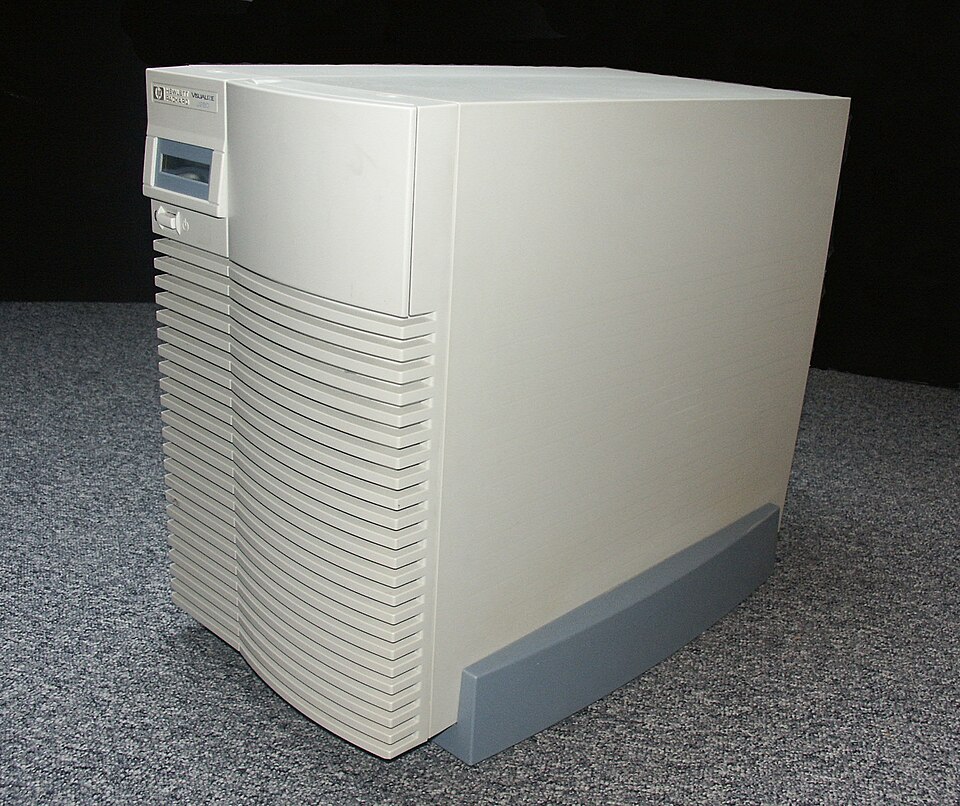
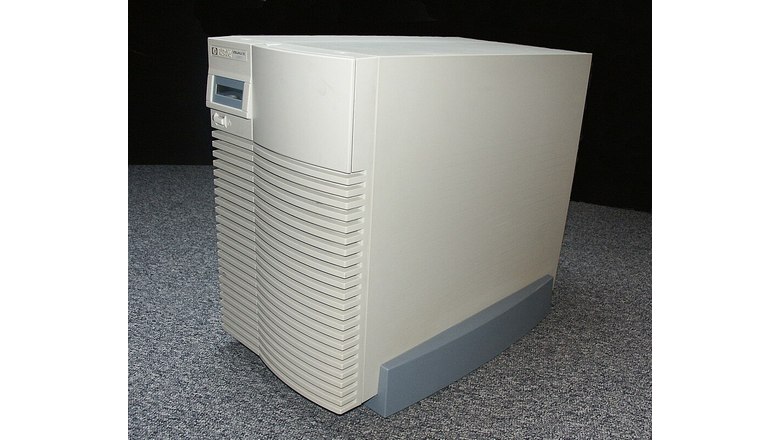
- HP 9000 K250 servers (Hewlett-Packard PA-RISC)
- An Encore mini (later a Multimax)
- AIX on RS/6000
- HP-UX 10.20
- Informix for databases
- CARS (the student information system)
- Perl for the web module
- HP LaserJet 4 printers with JetDirect network cards
The Plan
I discovered that the "READY" message on the printer displays could be changed remotely. The HP LaserJet 4 printers with JetDirect cards accepted PJL (Printer Job Language) commands over port 9100. A simple command could override the display message with anything you wanted.
The idea was irresistible: change every campus printer's display to read "INSERT 5 CENTS" on April 1st.
The script was trivially simple:
#!/bin/csh -f

cd /opt/carsi/spool
foreach i (*)
    echo '^[%-12345X@PJL RDYMSG DISPLAY="INSERT 5 CENTS"' | netto $i 9100
end
The ^[ represents a literal ASCII ESC character (code 27). The netto utility was a simple script similar to netcat that sent data to a given host and port.
The script iterated through every printer spool directory entry — effectively every networked printer on campus — and sent the PJL command to change its display message.
The Email
To complete the illusion, I composed an email and sent it to the campus-wide administrator mailing list, disguised as an official announcement from management. The message stated that due to rising maintenance costs for campus printers, all printers would be converted to a per-page payment system. Most printers would require 5 cents per printed page. Users were instructed to check their printer displays and contact the sender for account setup or inquiries.
What Happened Next
At first, everything went perfectly. People who knew me took one look at the calendar, laughed, and moved on. But not everyone on campus knew me.
By 8:30 AM, the main office was in chaos. Phone calls flooded in from confused and angry staff who believed the university had actually started charging for printing.
The head of the HR department was furious and demanded an immediate retraction.
So I sent a retraction. But this created a new problem: it turned out the administration had actually been considering implementing print charges — a fact that was not supposed to be public knowledge. My "joke" had inadvertently referenced a real internal discussion.
This meant I had to send a "retraction of the retraction" — clarifying that there were no plans to charge for printing (even though there sort of were).
To make matters worse, the IT director was on vacation and unreachable, so nobody with authority could smooth things over. And I made it all worse by leaving to go skiing that day.
The Aftermath
The "ice age" in the office eventually thawed, and the incident was officially closed. However, I received an unflattering note in my next performance review. Despite all of this, the prank became legendary on campus and was talked about for years afterward.
The moral of the story: even a harmless cosmetic hack can have serious organizational consequences when its scale and audience extend beyond what you anticipated. A prank that targets every printer in a campus of people who don't all know you personally is a very different thing from a joke shared among close colleagues.