Upgrades for Dendy (NES/Famicom): Part 1 of 2
A deep dive into the hardware modifications and upgrades possible for the Famicom/NES/Dendy console family, covering LED indicators, controllers, video output mods, audio chips, cartridge mappers, flash cartridges, and converting the console into a personal computer.
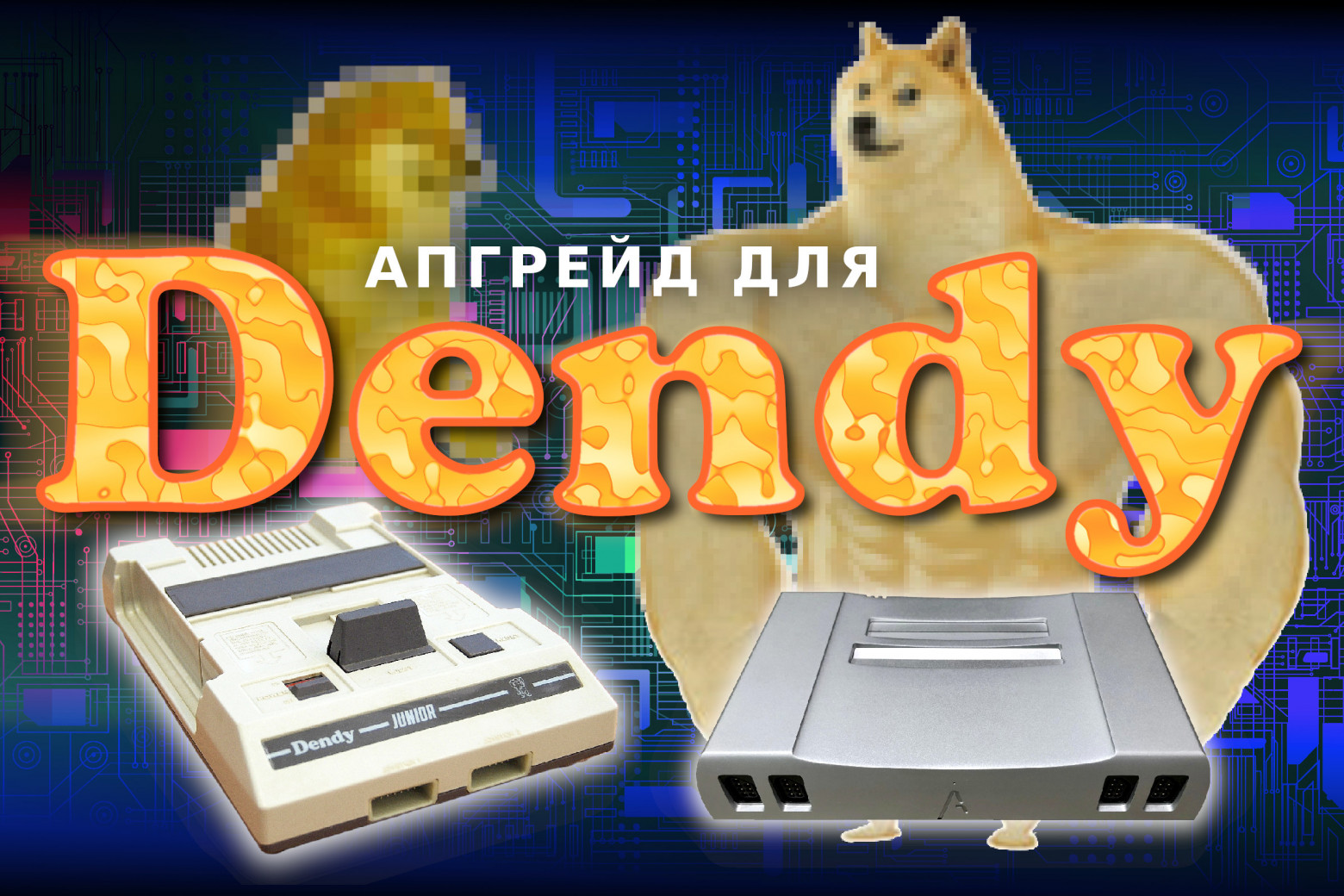
Let's examine the practical and theoretical possibilities for upgrading the Famicom — the console known as the NES in America and "Dendy" in Russia. I'm Aleksandr Semenov, developer of the Jim Power game port and the HEOHDEMO demo, and I want to share my analysis of what can be done with this classic hardware.
The Boundaries of an Upgrade
First, let's define the boundaries beyond which an improvement turns into a qualitatively different device. History has given us several examples of this evolution:
- Super Nintendo — the direct successor to the Famicom
- PC Engine — essentially a "Famicom on steroids"
- Neo-Geo — a further development of the architecture
This article focuses on hardware modifications that preserve a significant portion of the original hardware.
LED Indicator
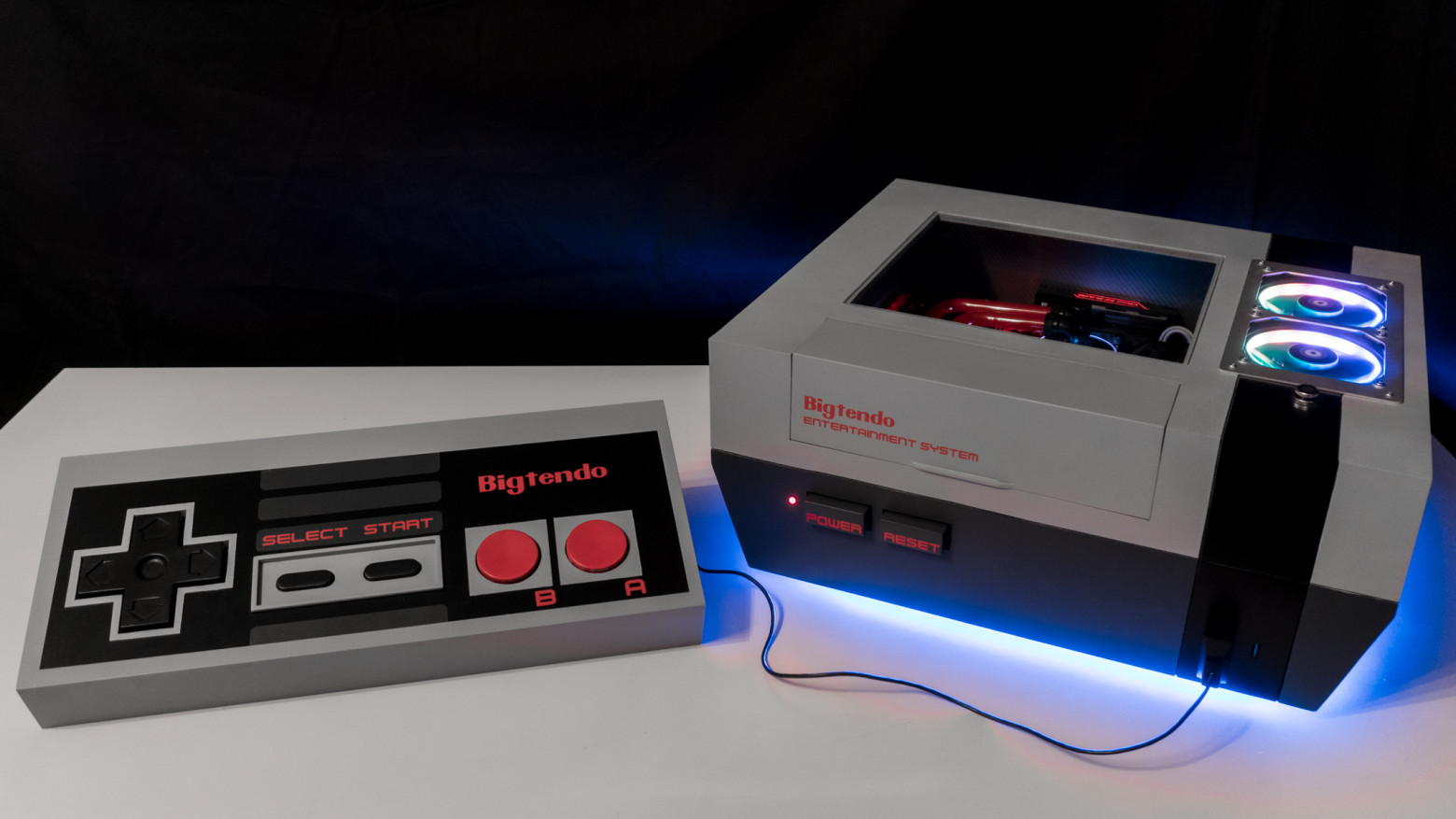
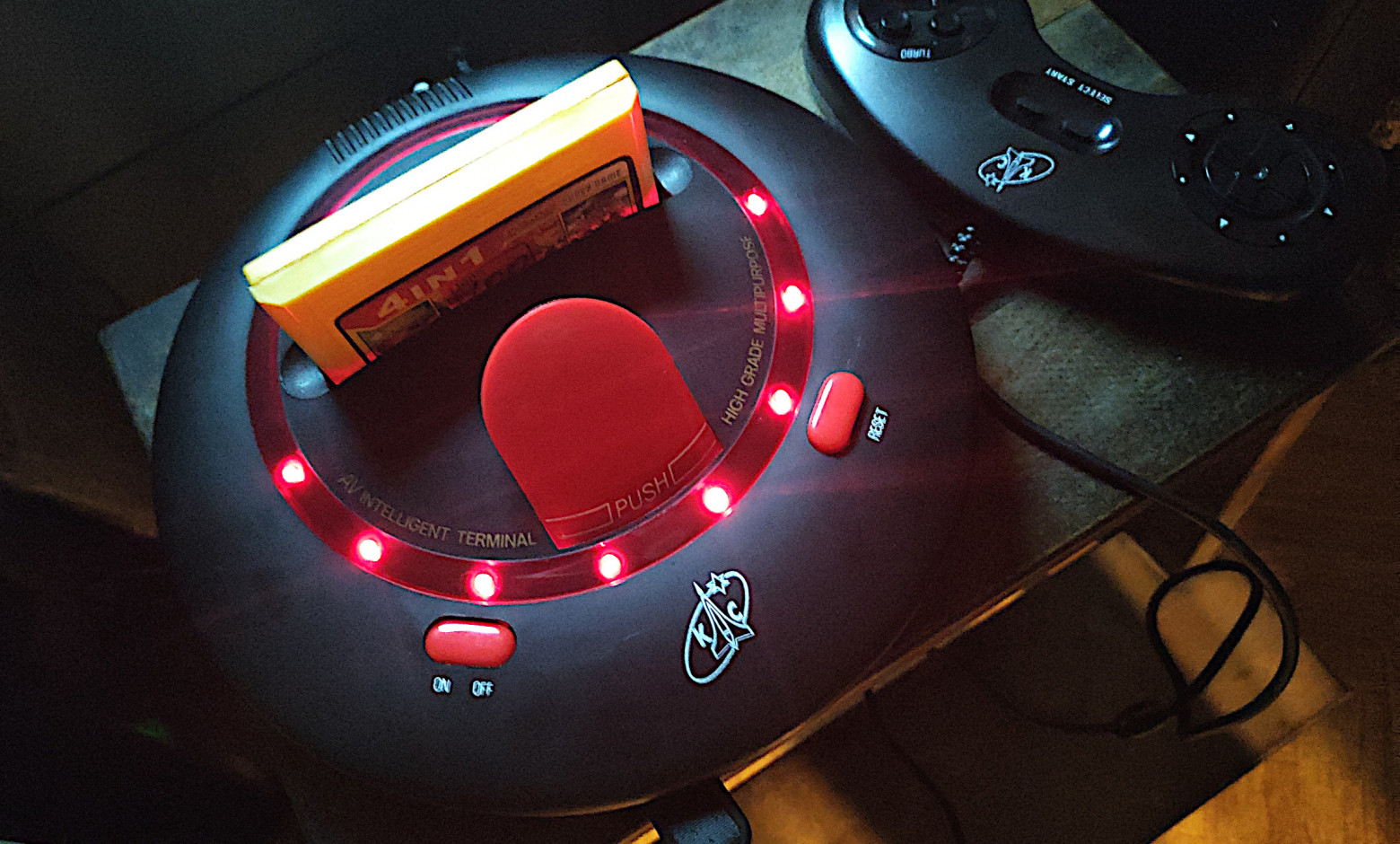
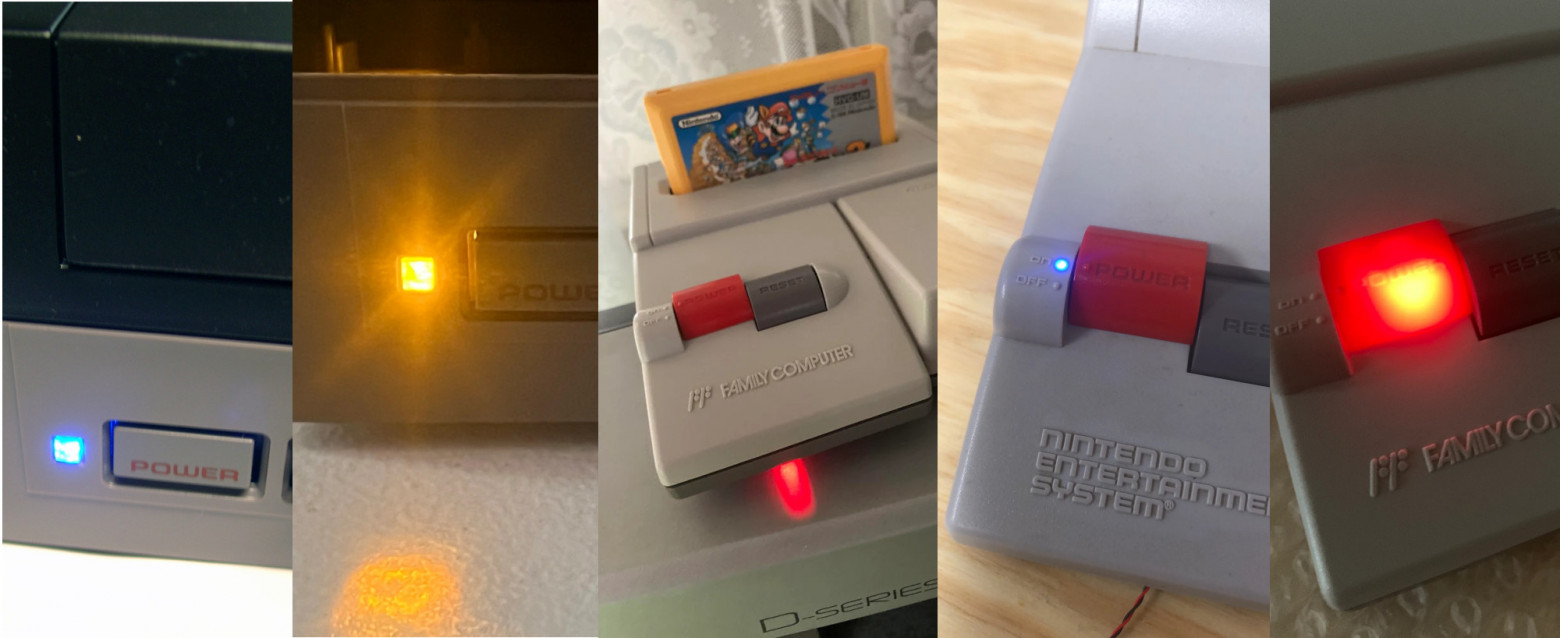
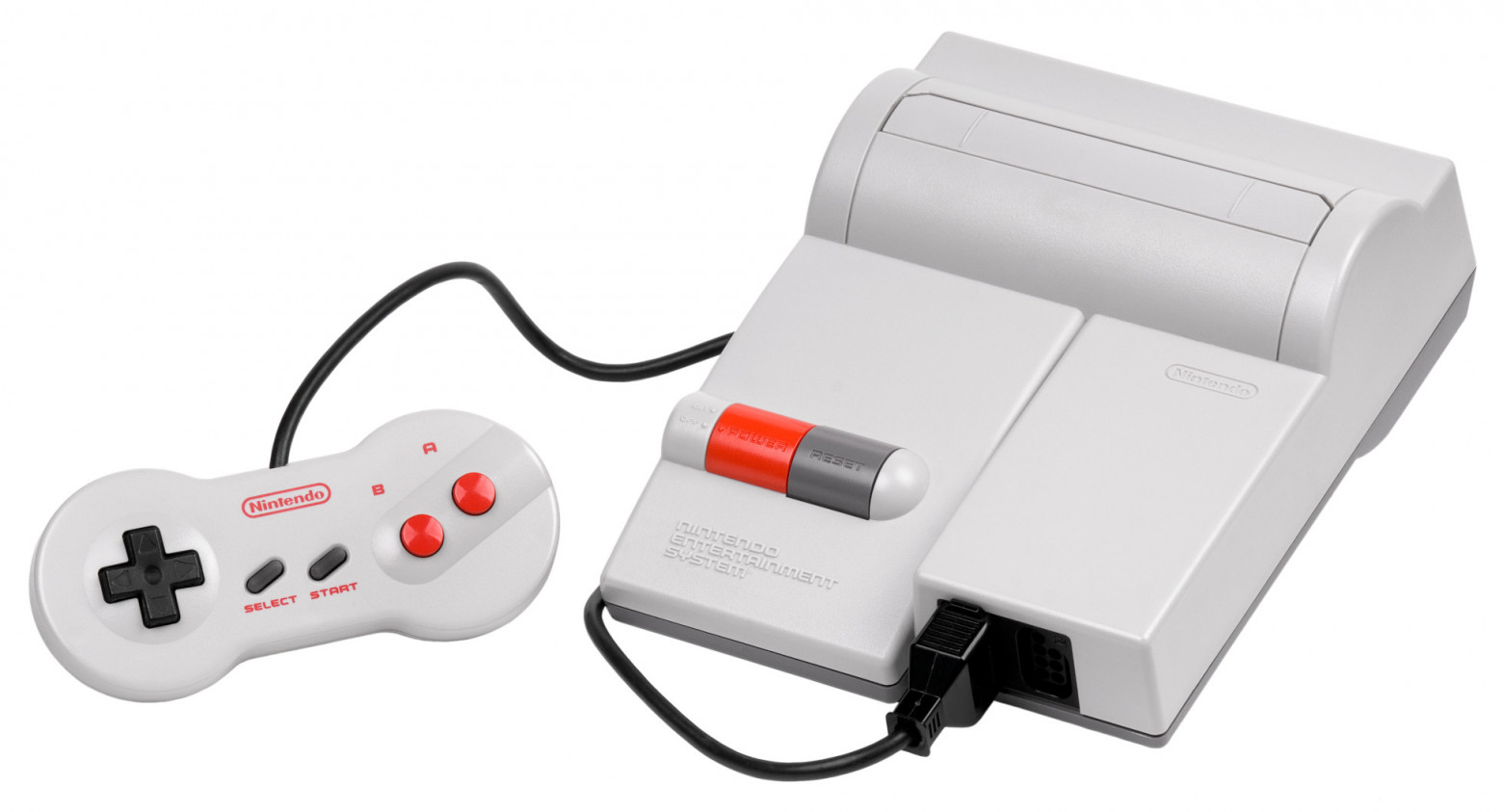
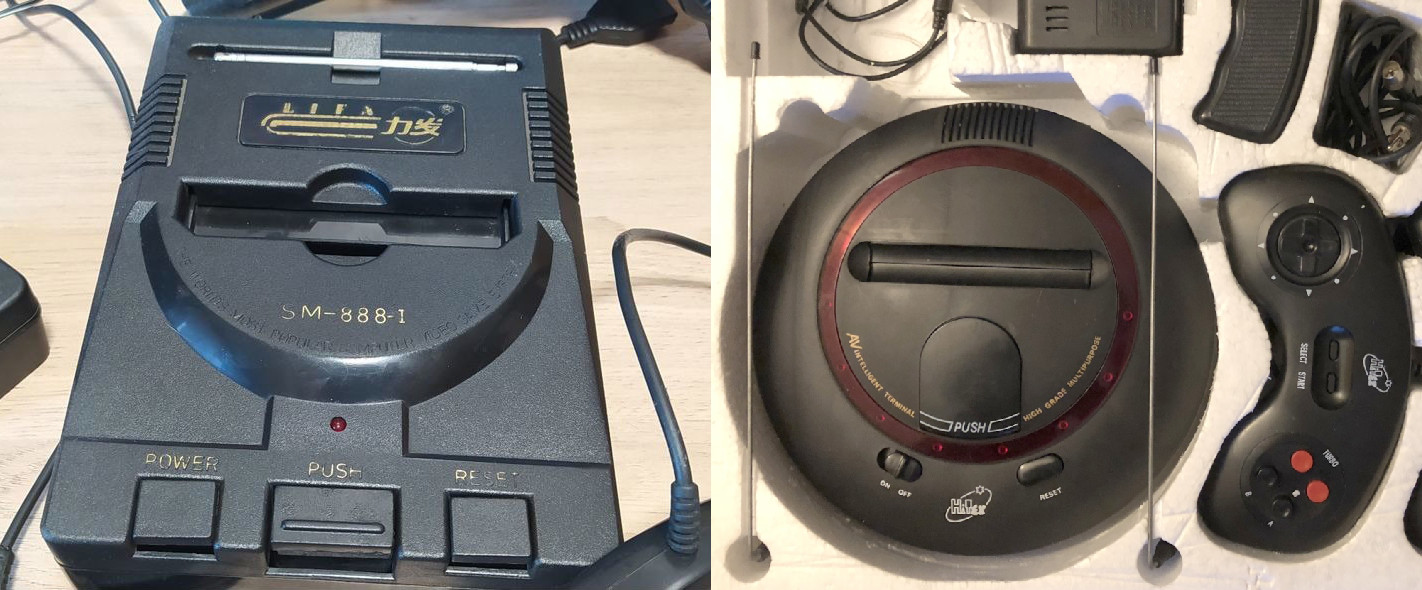
The simplest upgrade is a power indicator. The original Famicom didn't have one, but it appeared in the NES. Various clones implemented it differently: the LIFA had a simple LED, the UFO had a backlit case, and some had no indication at all.
Controllers
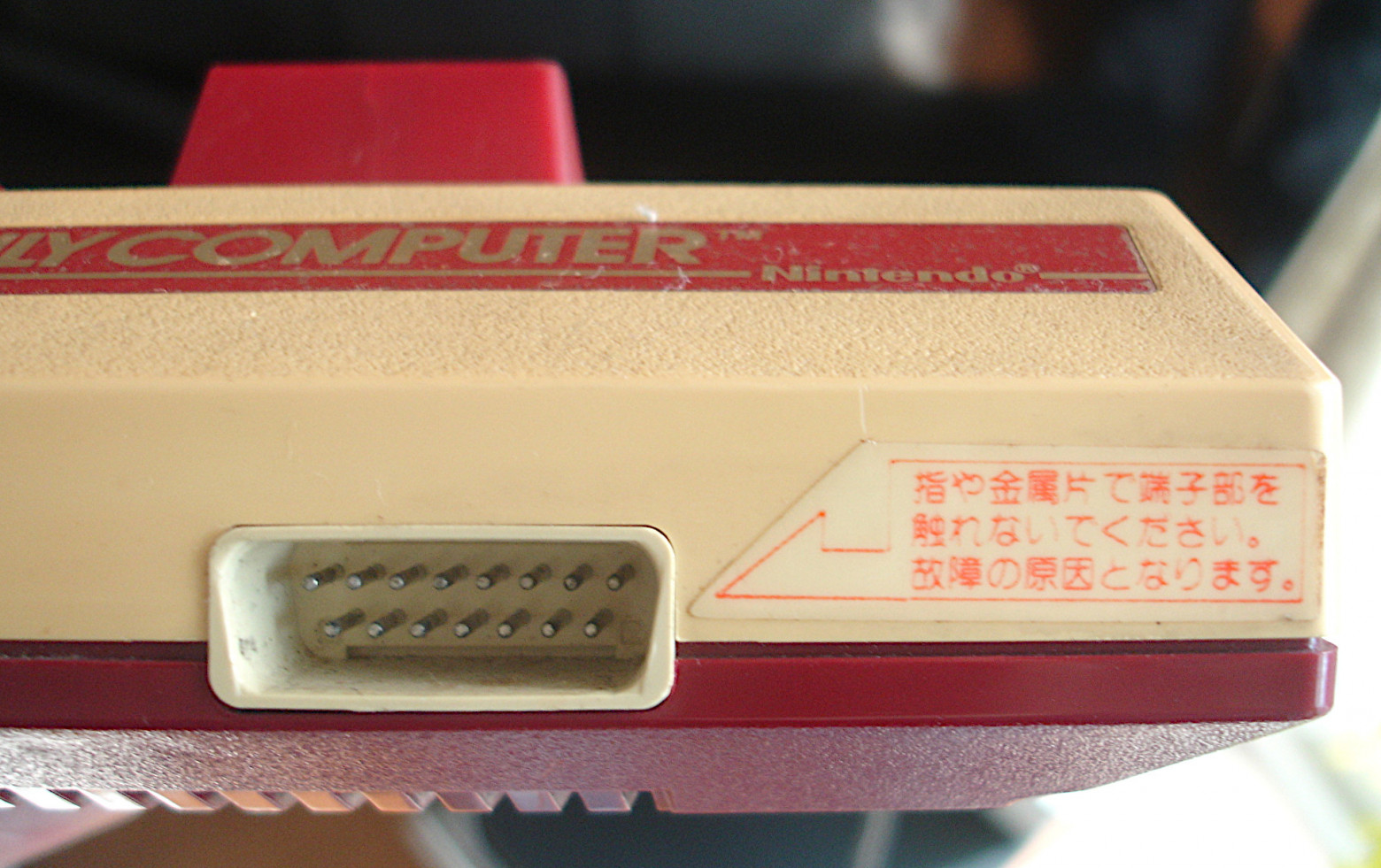
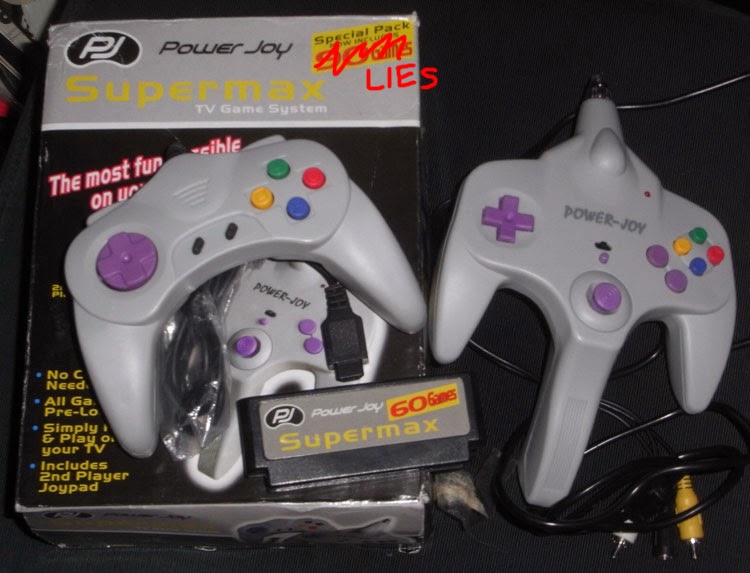
Connectors: On the Famicom, controllers were hardwired, while the NES got its own proprietary connectors. Clones used the 15-pin D-Sub expansion port.
Wireless controllers:
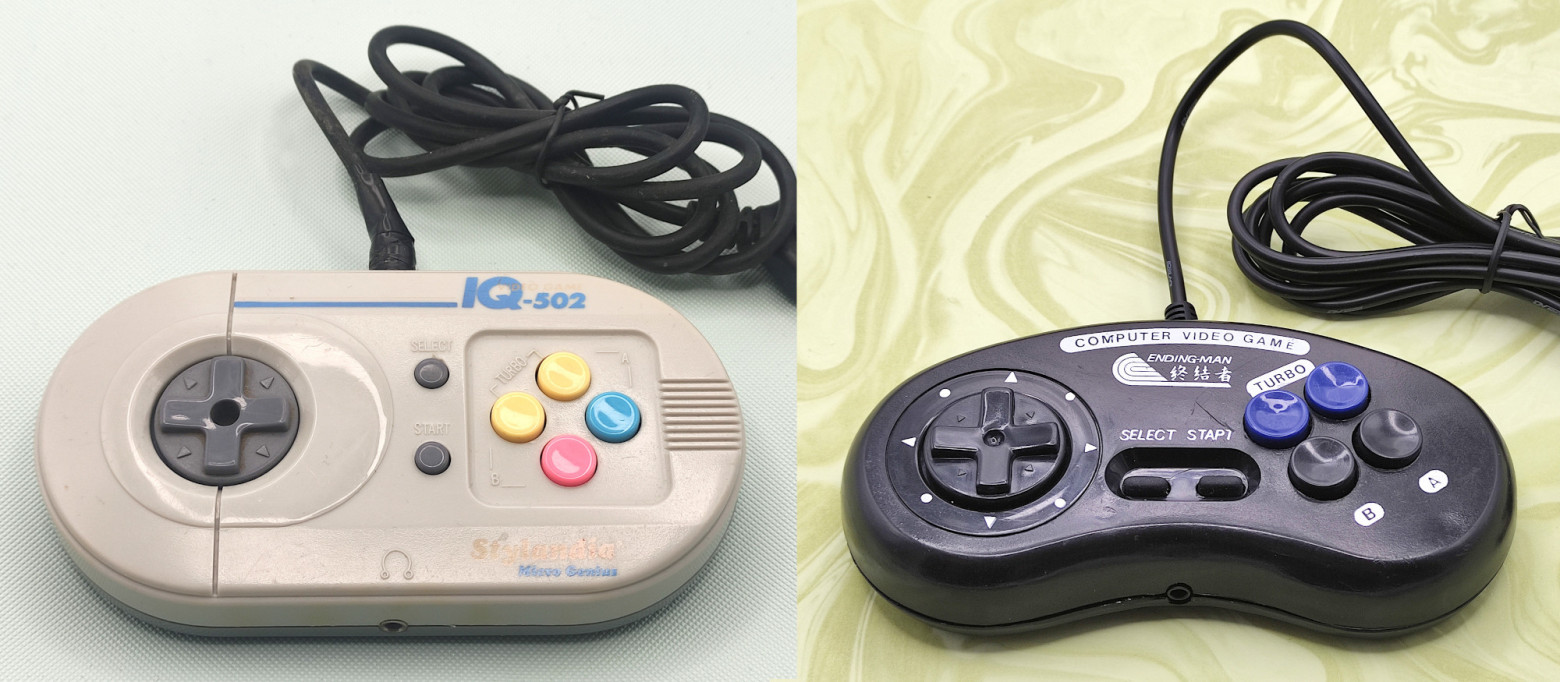
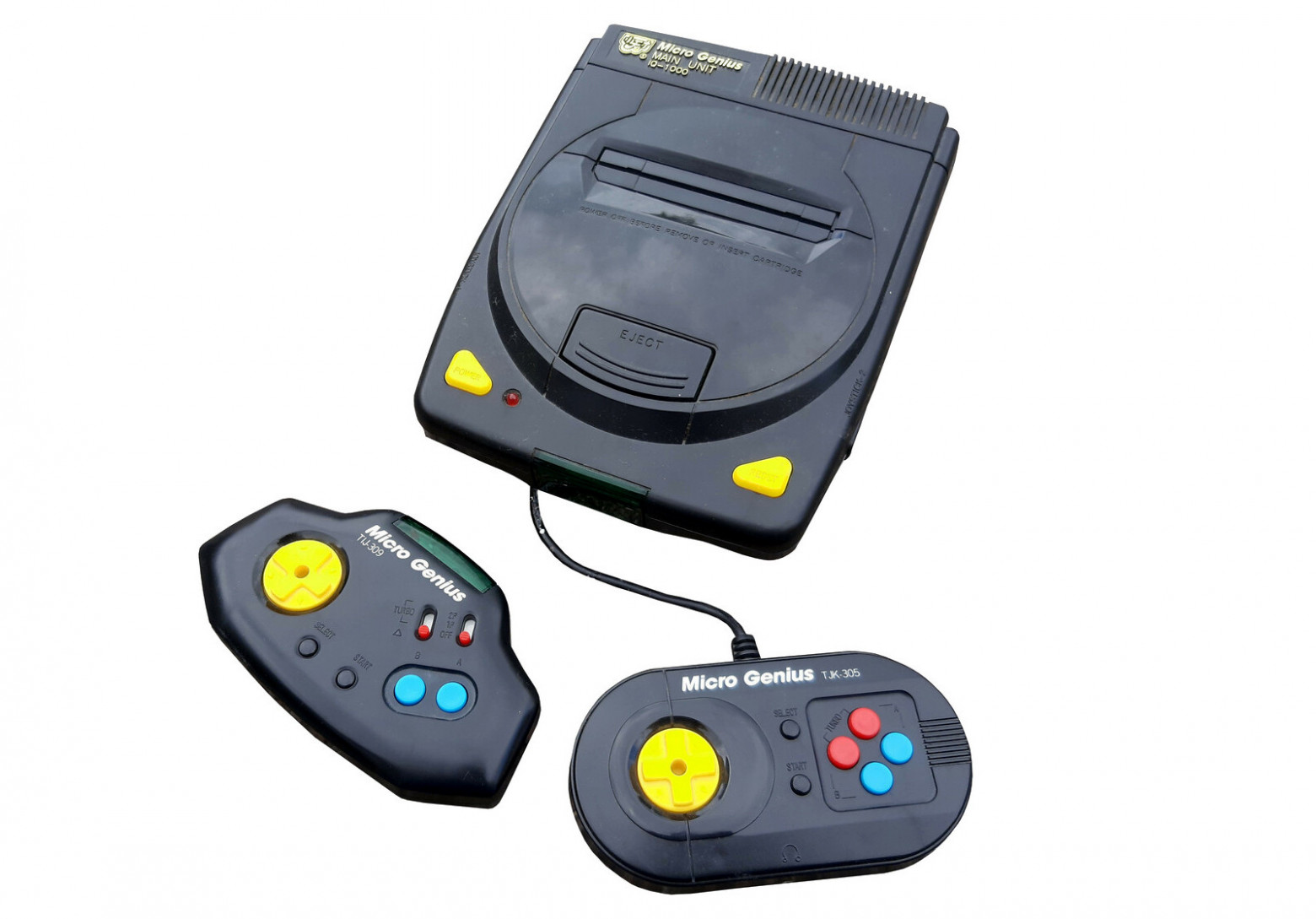
- Infrared controllers (Micro Genius IQ-1000)
- Modern 2.4 GHz and Bluetooth variants
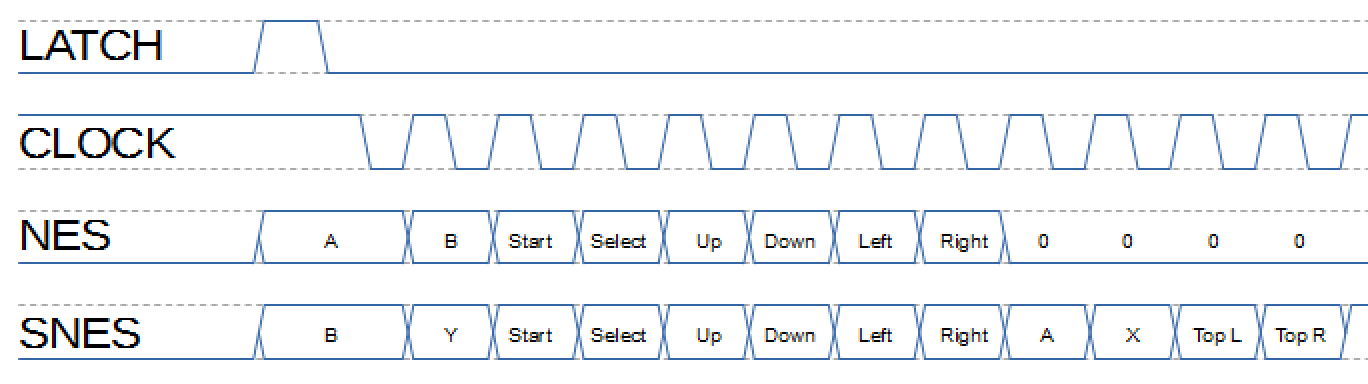
Compatibility: SNES controllers are electrically compatible with the NES thanks to an identical serial protocol — they use the same shift register principle.
Video Output
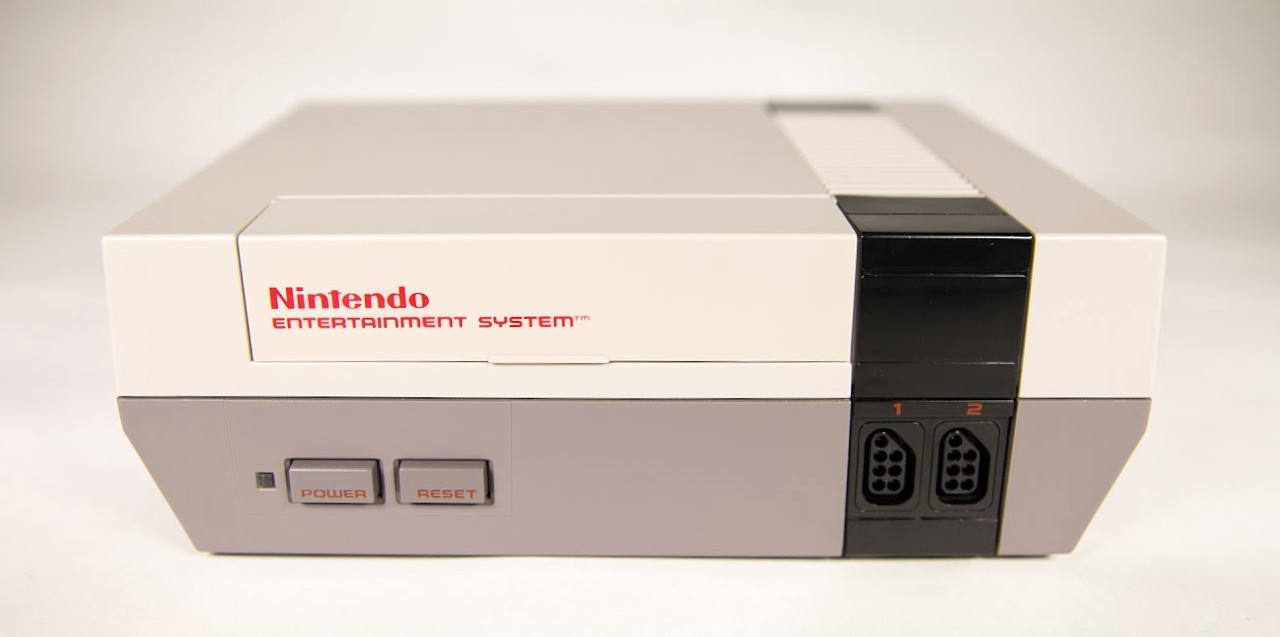
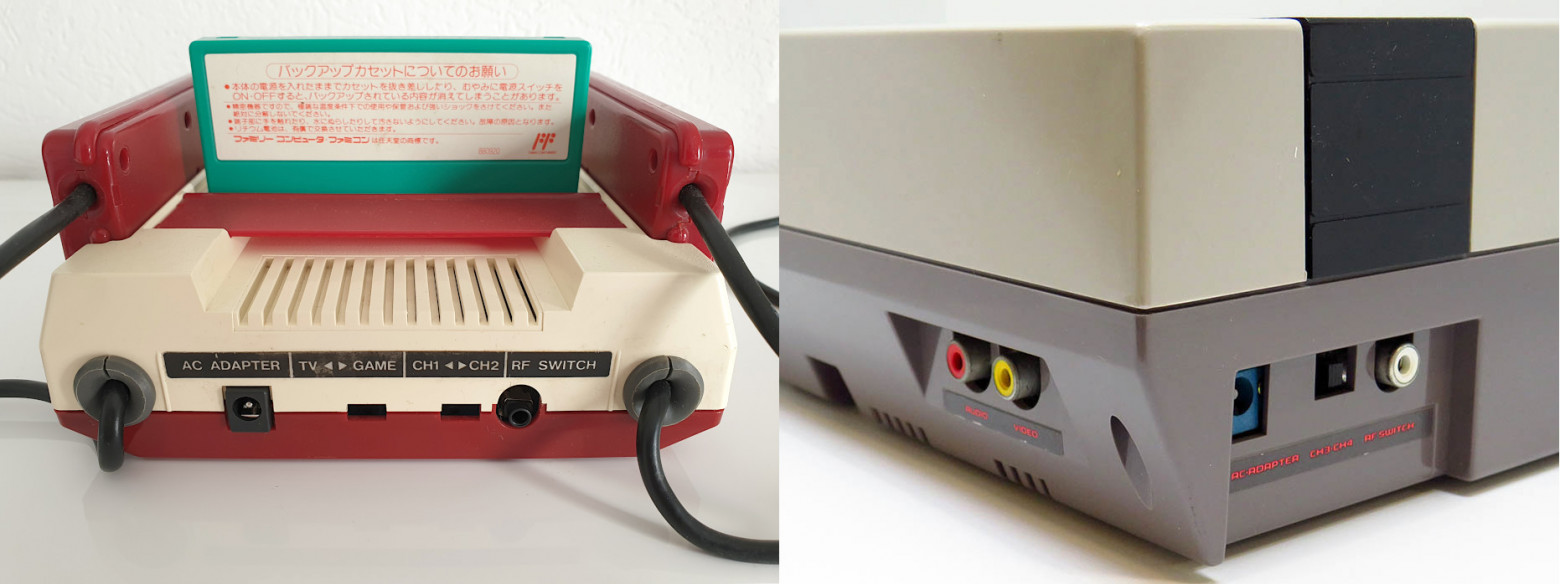
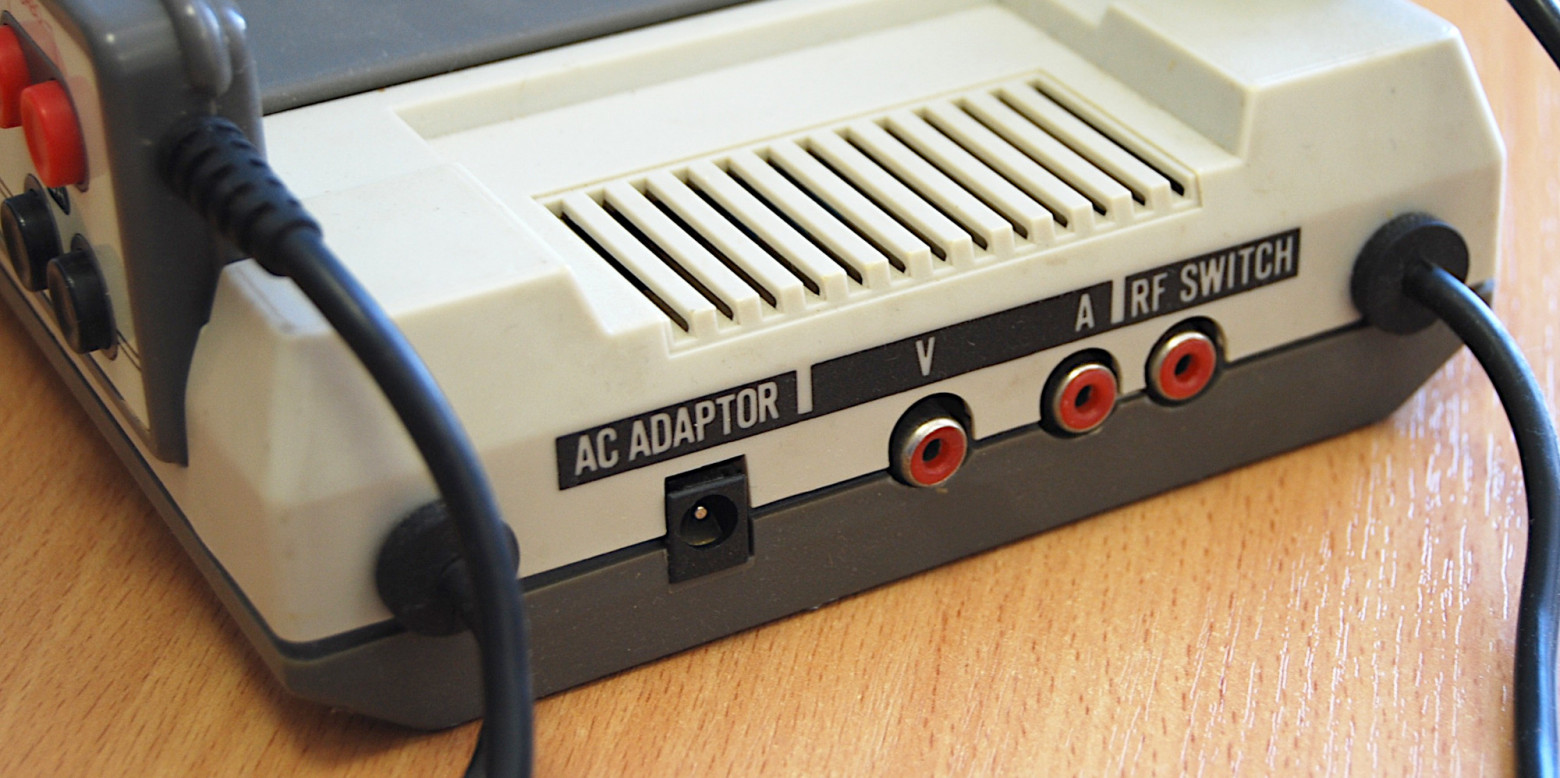
Output types: The Famicom used only an RF antenna output, the NES added composite RCA outputs. The AV Famicom (1993) introduced a standard video output.
Video quality improvements:
- Restoring working AV outputs on clones
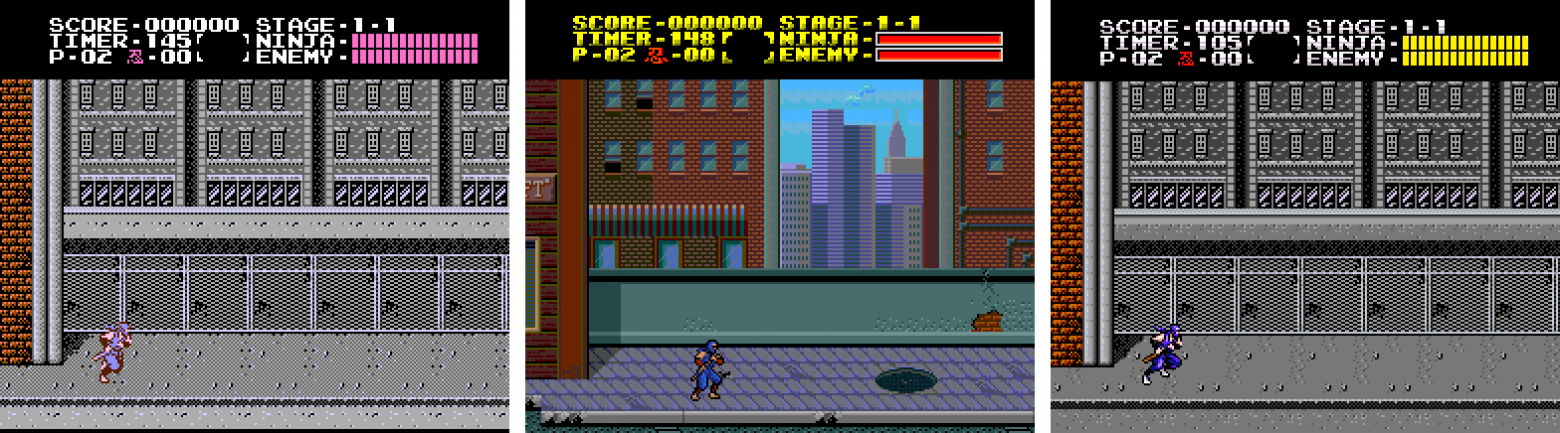
- Removing artifacts ("jailbars") caused by signal interference
- RGB mod for maximum quality
Modern solutions:
- NESRGB — works in parallel with the video controller, intercepts digital signals before they become analog
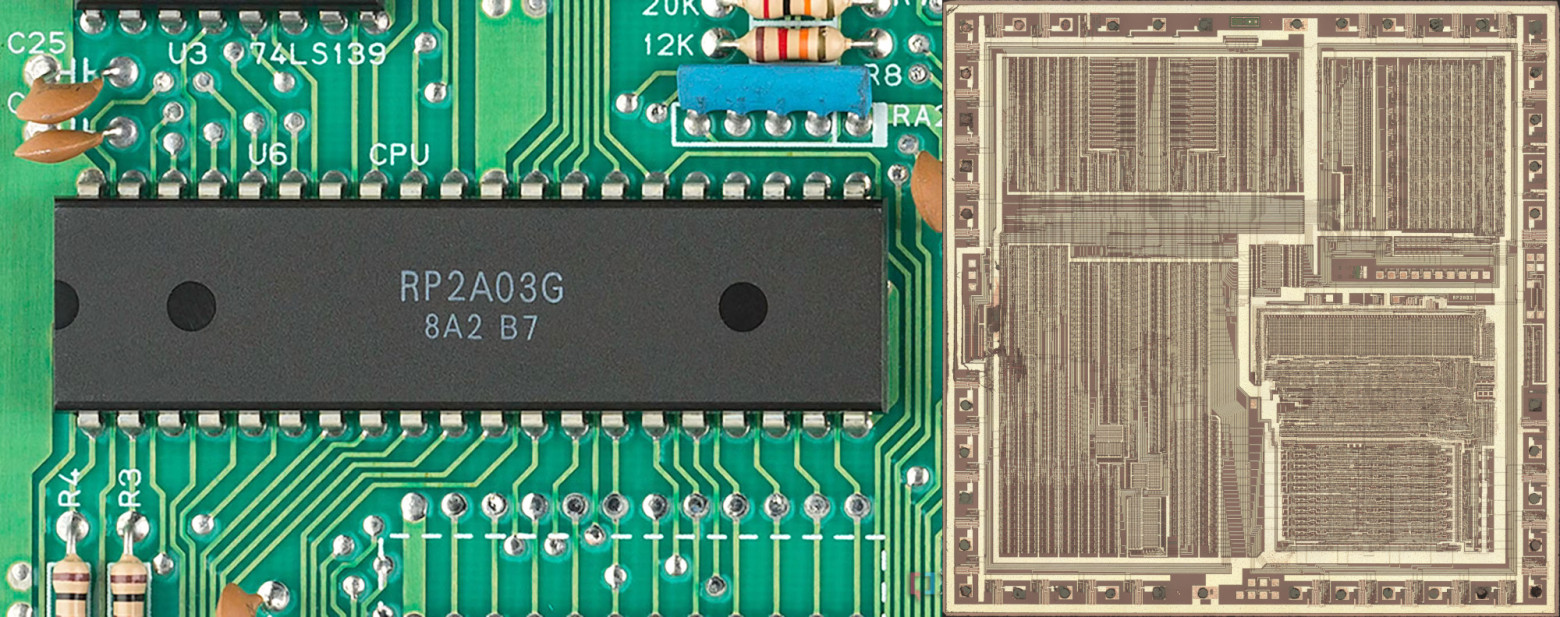
- RGB2C02N — a replica of the PPU (Picture Processing Unit) on programmable logic (CPLD)
- Hi-Def NES — provides native HDMI output
The Sound of Music
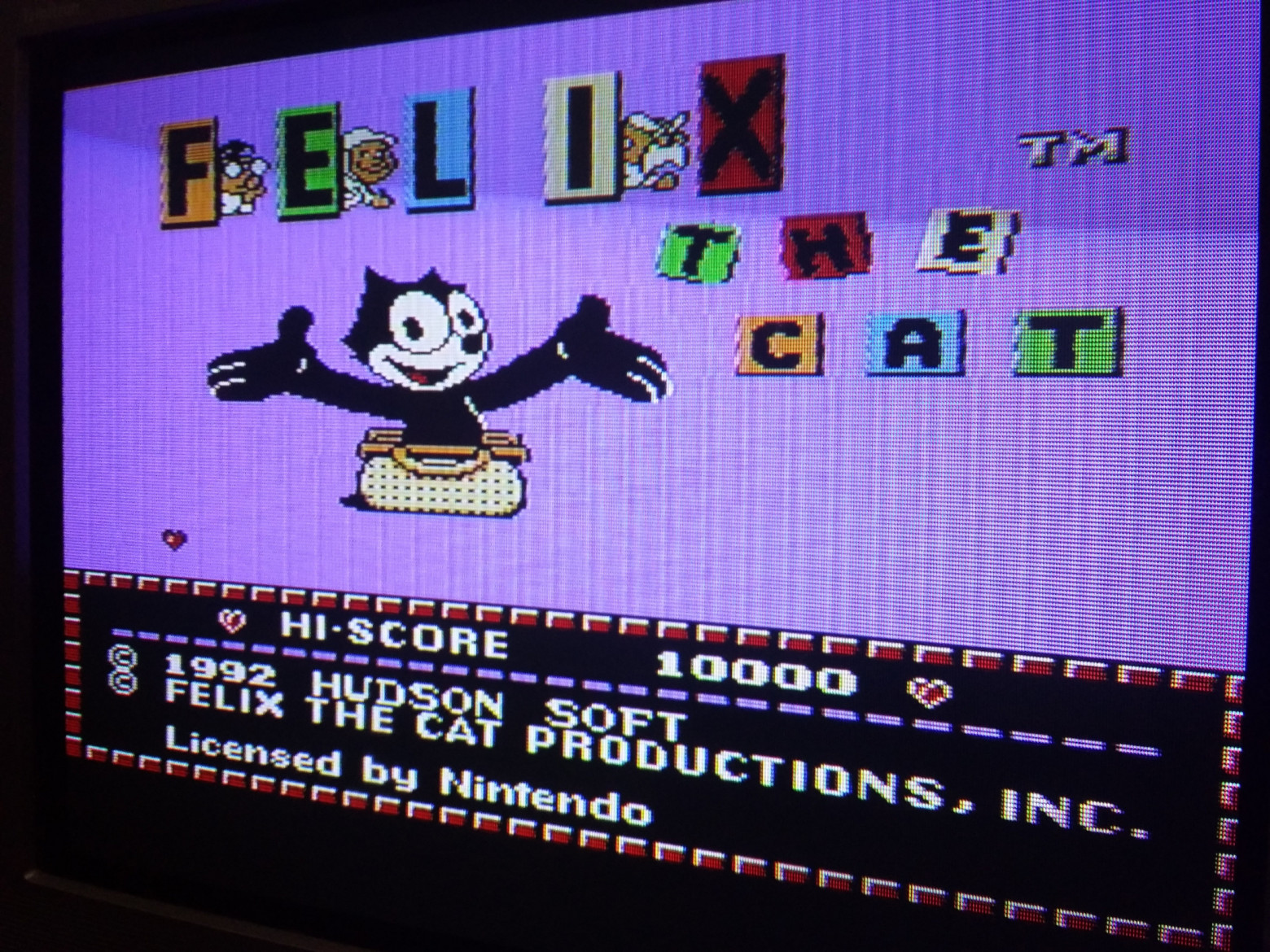
The most well-known upgrade is additional sound chips in cartridges. Japanese developers added synthesizers to expand polyphony beyond the base console's five channels. On the NES, however, the expansion audio pin was not connected, so this feature only worked on the Japanese Famicom.
Pirates implemented sound improvements in ready-made devices:
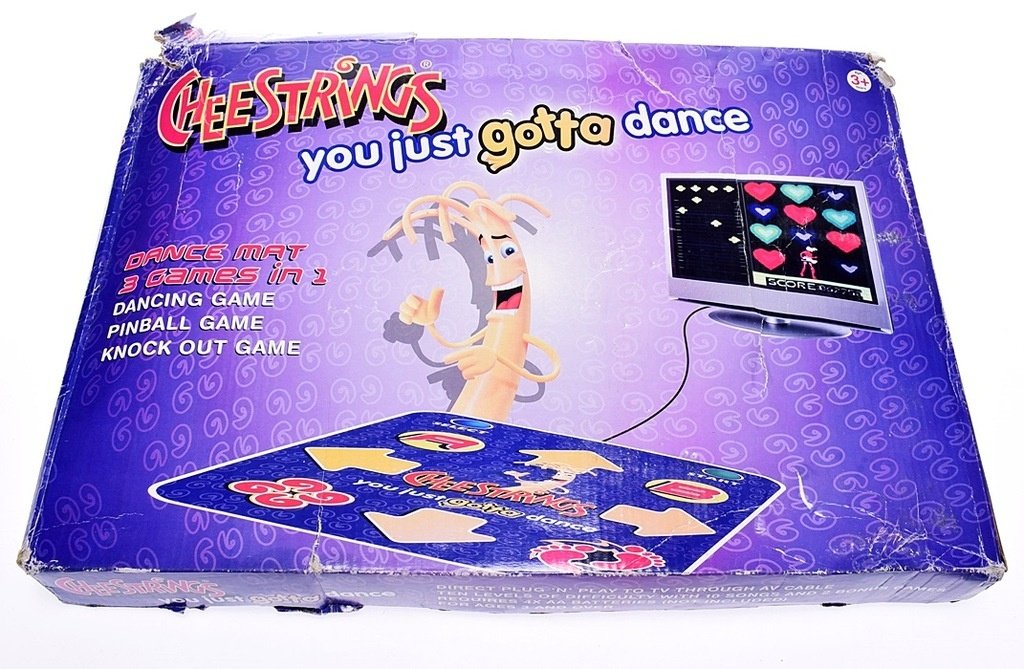
- Dance mats with digital music playback
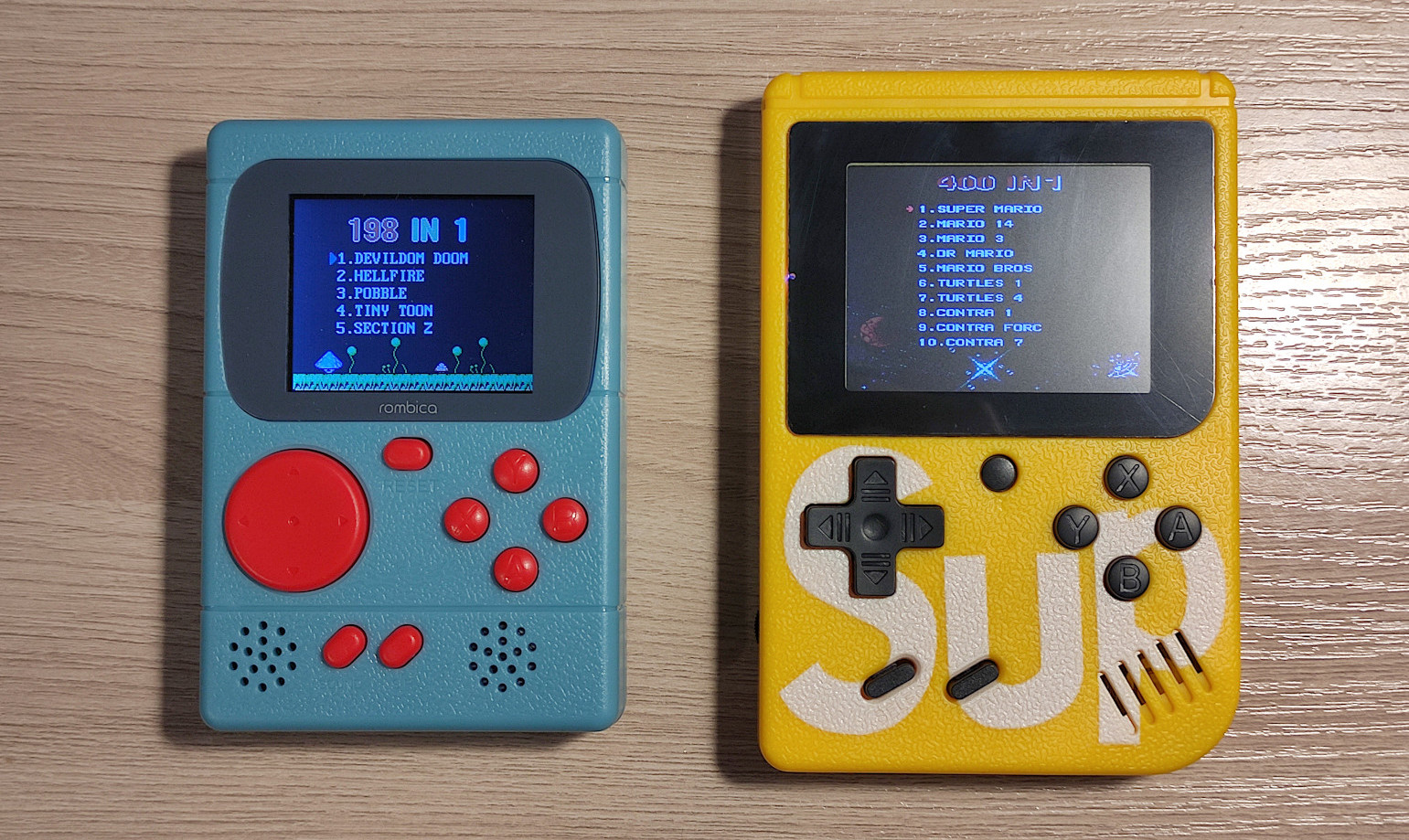
- Portable clones with digital sound and human speech synthesis
Cartridges
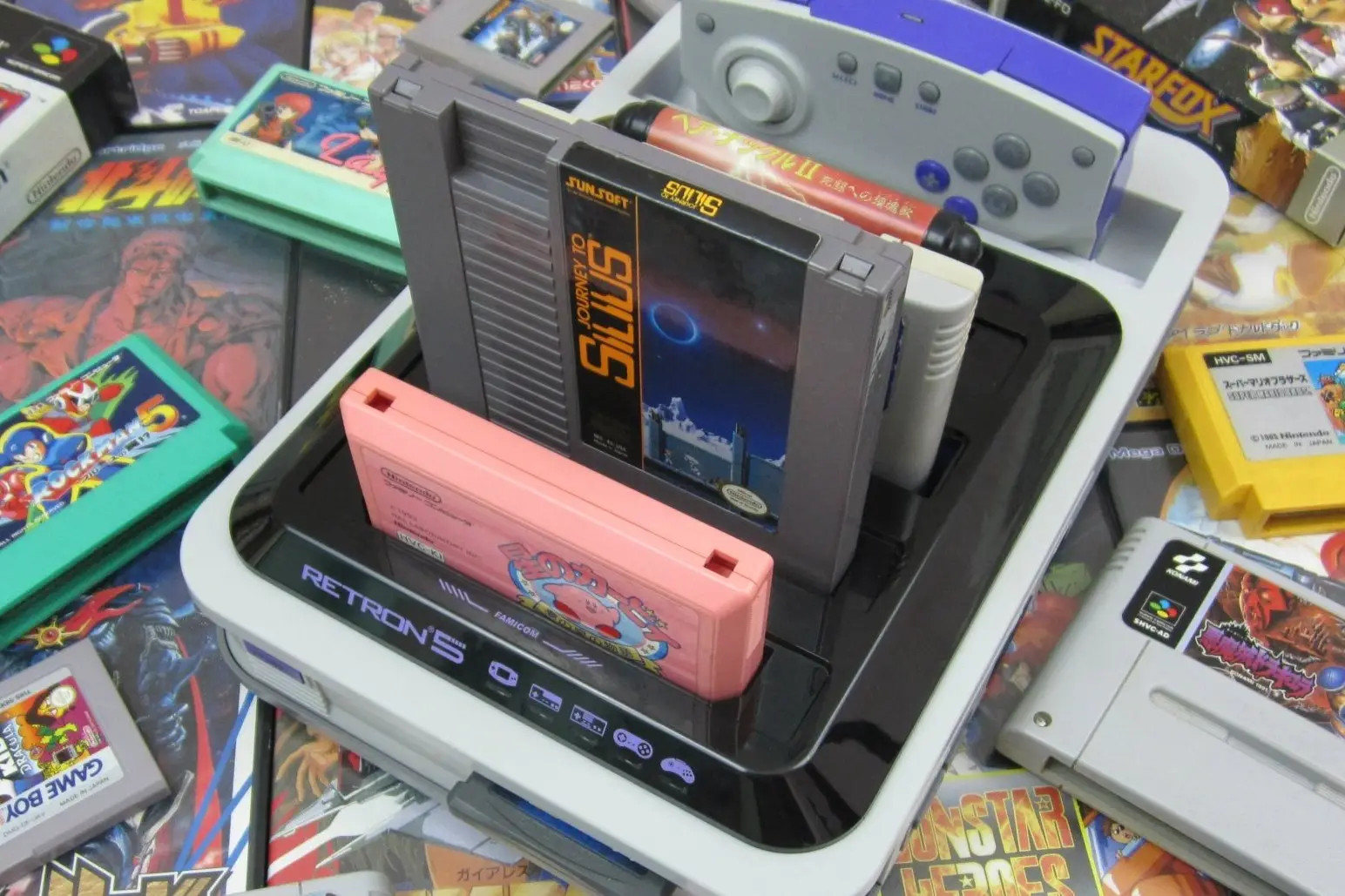
Mappers: Special memory management chips that allow storing more graphics and music data than the console's native address space permits. They don't change the palette or the number of sprites, but they improve animation quality and enable larger game worlds.
OneBus: A system by V.R. Technology for combining code and graphics into a single ROM chip. This is widely used in clone consoles with built-in games — those "999-in-1" devices.
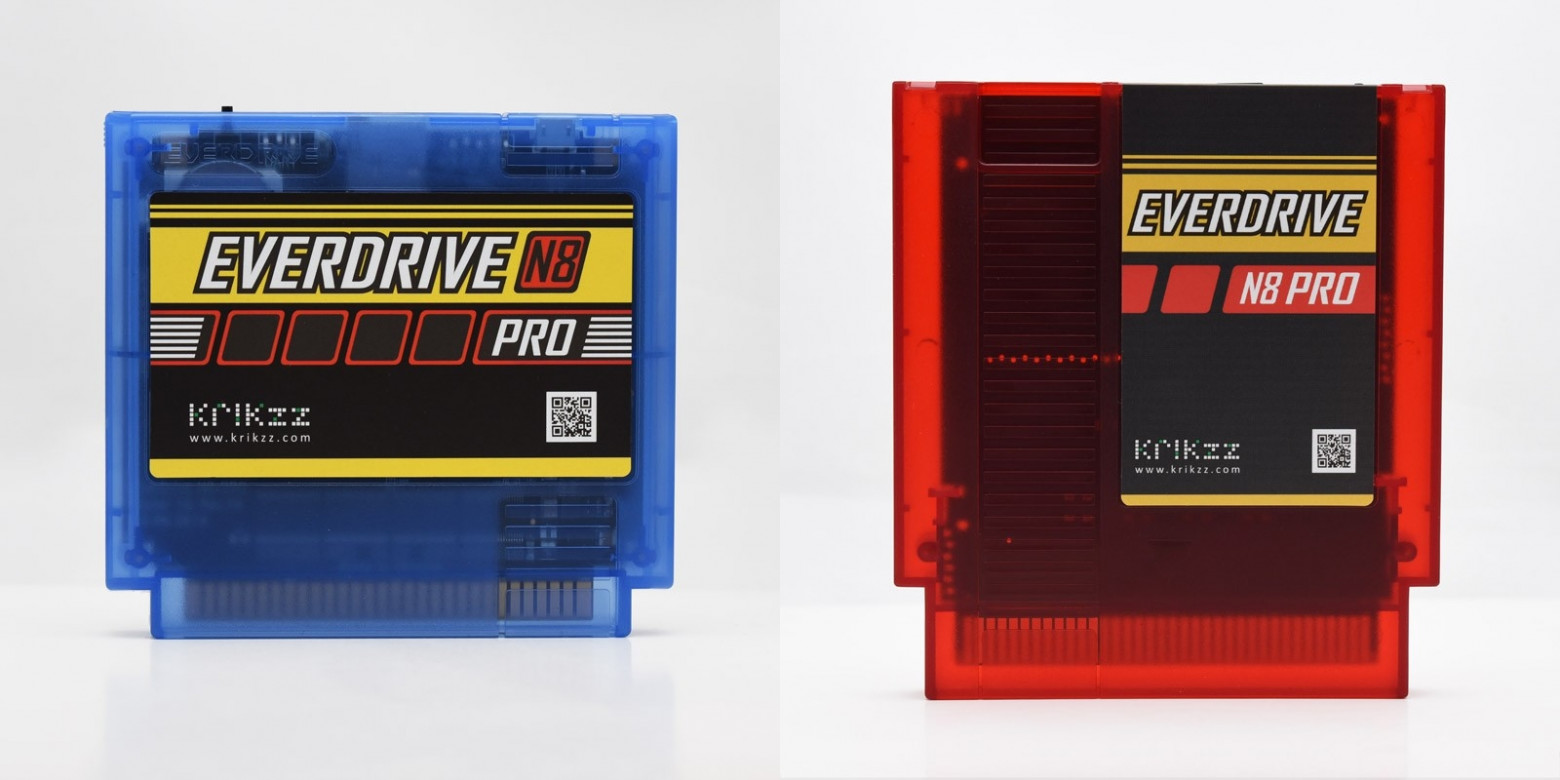
Flash cartridges: Modern devices that allow running any game from an SD card with support for all mappers, including the Famicom Disk System.
Turning It Into a PC
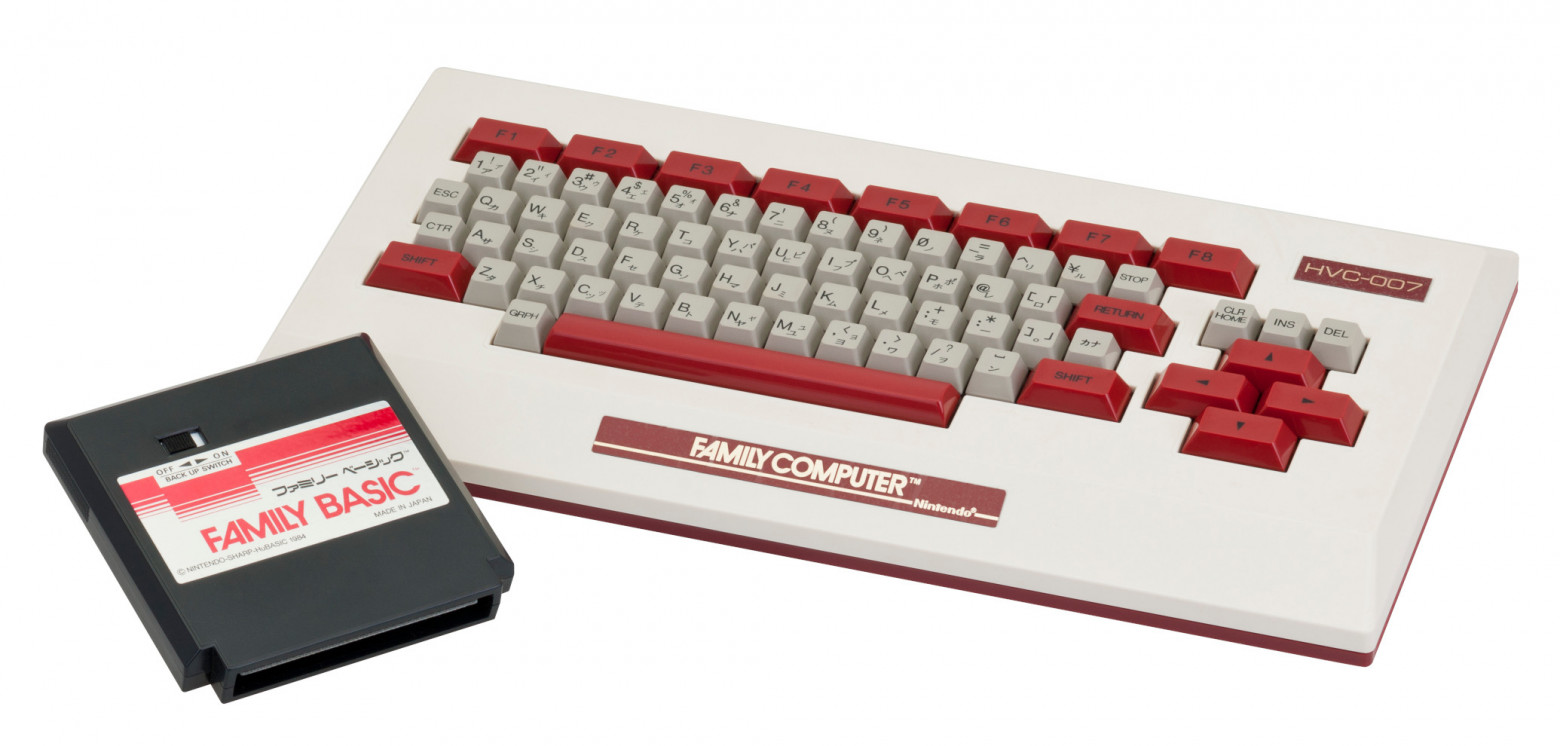
Family Basic (1984): A keyboard plus a cartridge with a BASIC interpreter for the original Famicom. Nintendo's official attempt to make the console educational.
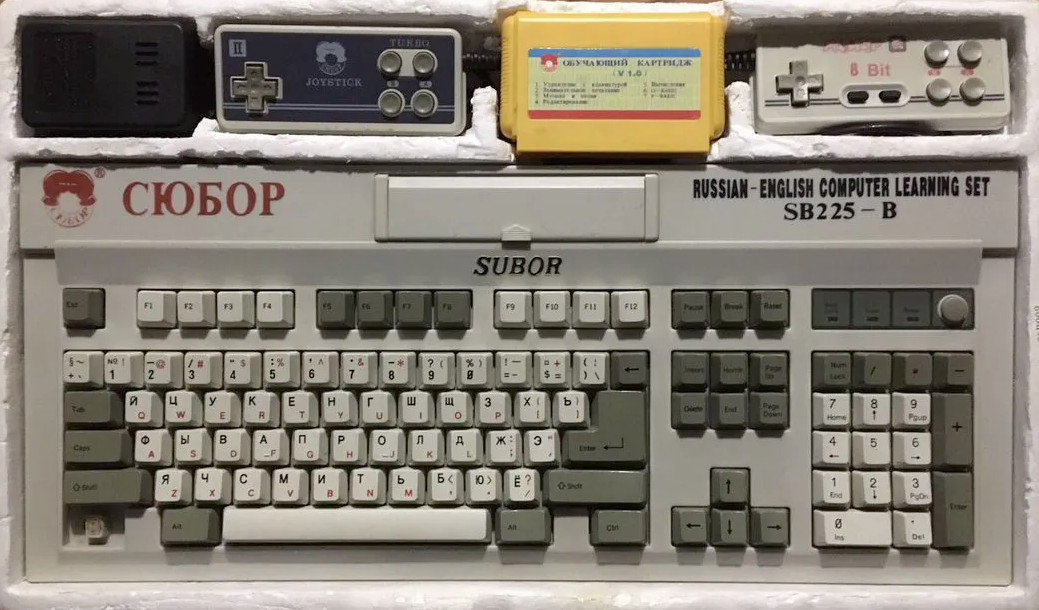
Keyboard clones: Chinese replicas of the Family Basic concept, taken much further:
- Subor SB225-B — with a printer port
- Keyboard-003 — mouse support, real-time clock, Windows-like graphical interface
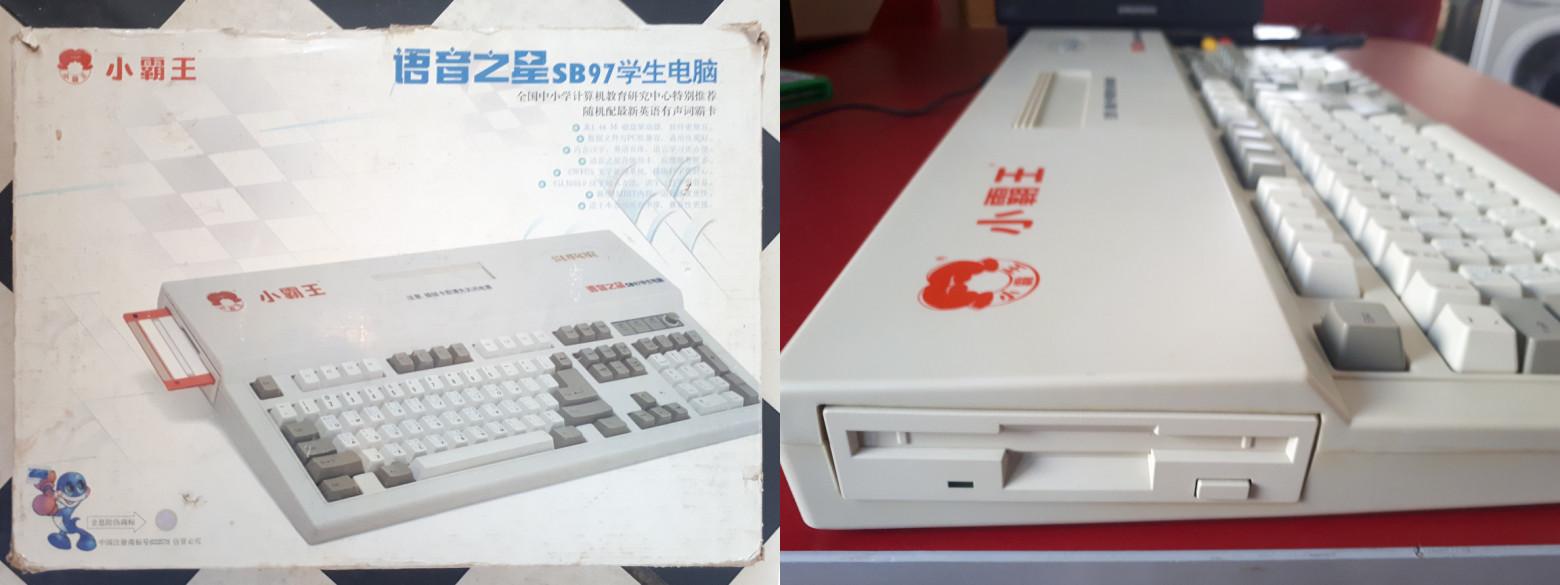
- Dr. PC Jr. and Subor SB97 — 3.5-inch floppy drive, expanded memory
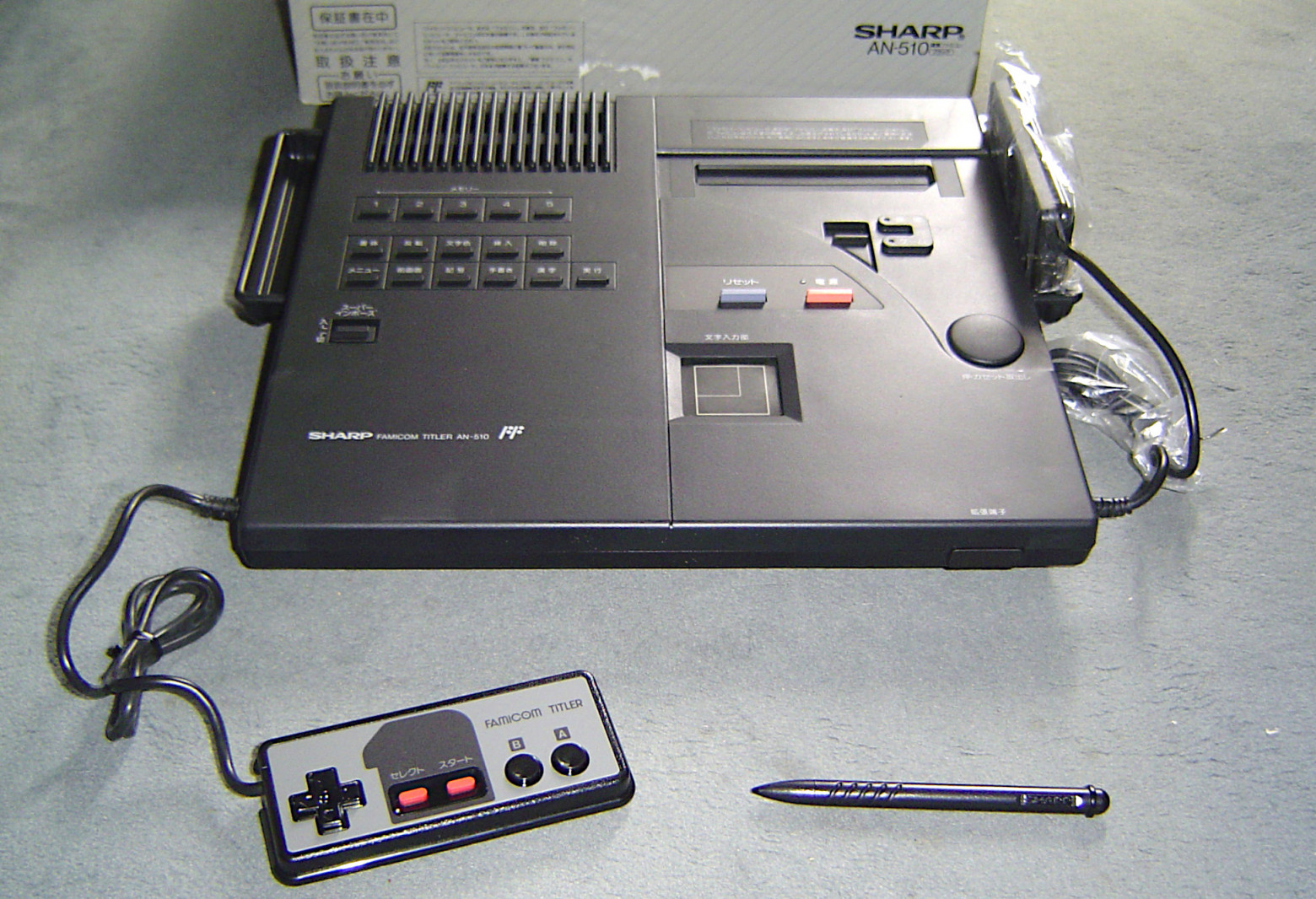
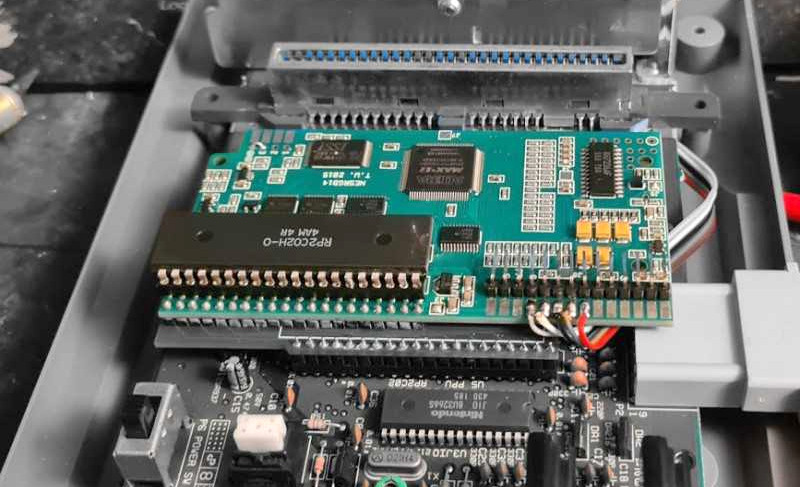
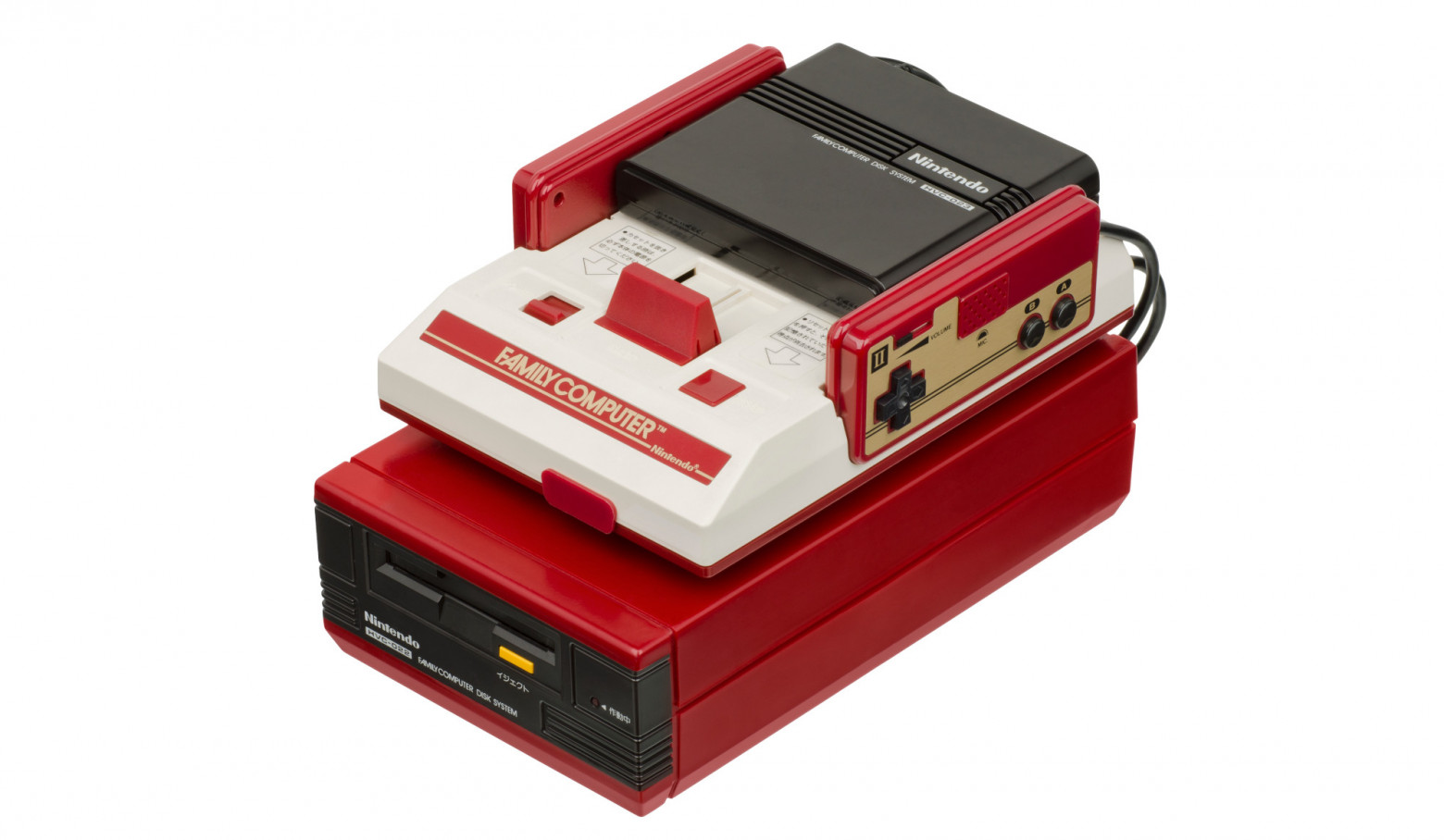
Famicom Disk System (1986):
- ROM with BIOS
- Disk drive controller
- 40 KB of additional RAM
- Single-channel wavetable sound synthesizer
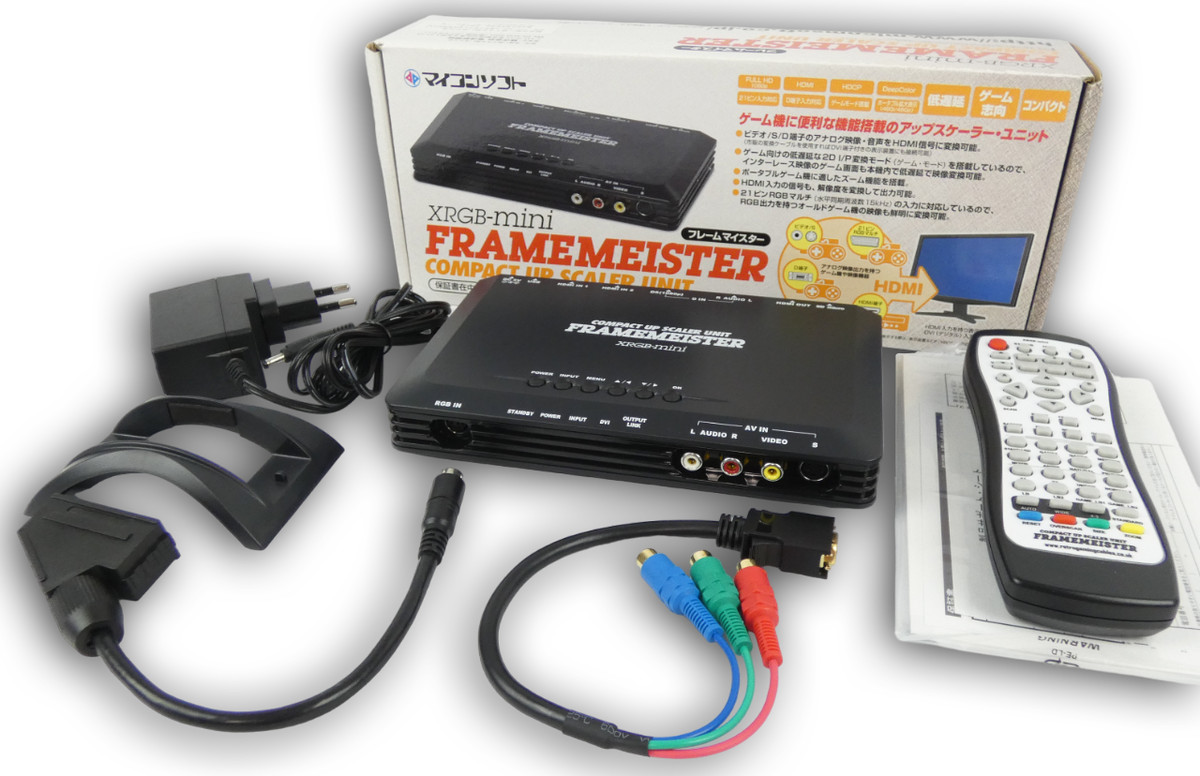
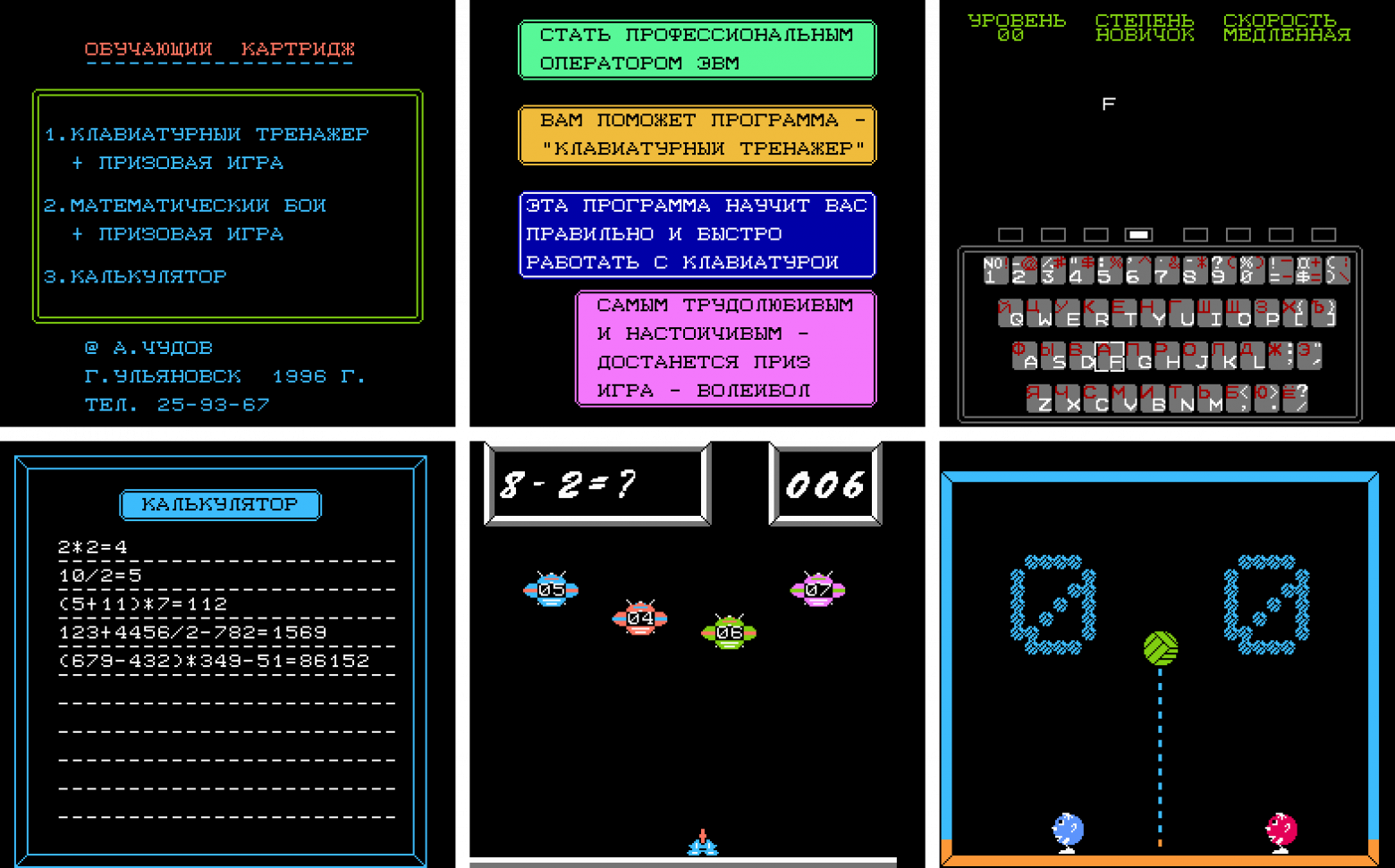
Among the software were educational cartridges in Russian, including the "Educational Cartridge" by Aleksandr Chudov.
Conclusion
This is the first part of a two-part study. The second part will cover CPU overclocking, memory expansion, Chinese chips for improving graphics and sound, networking technologies, and other radical modifications. Stay tuned!
FAQ
What is this article about in one sentence?
This article explains the core idea in practical terms and focuses on what you can apply in real work.
Who is this article for?
It is written for engineers, technical leaders, and curious readers who want a clear, implementation-focused explanation.
What should I read next?
Use the related articles below to continue with closely connected topics and concrete examples.