Looking for Domestic Chips in Domestic Power Meters: A Teardown Investigation
A hands-on investigation into the Energomera CE207 R7 electricity meter — certified as "domestic" under Russian law and winner of a nearly one-billion-ruble state tender — reveals that its supposedly Russian microchips are Taiwanese parts with the labels scratched off and replaced.
This investigation examines whether the Energomera CE207 R7 electricity meter — officially certified as using domestic components and having won a tender worth approximately 992 million rubles for Tatarstan's energy sector — actually contains Russian-made microchips.
What Makes a Power Meter "Domestic"?
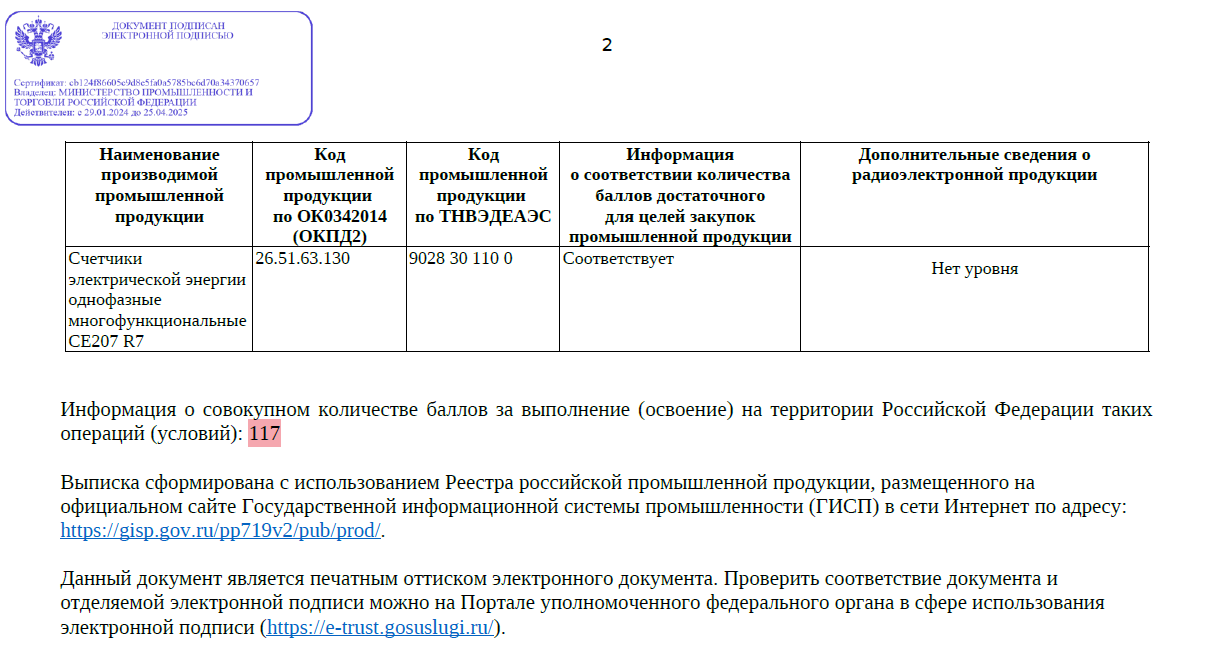
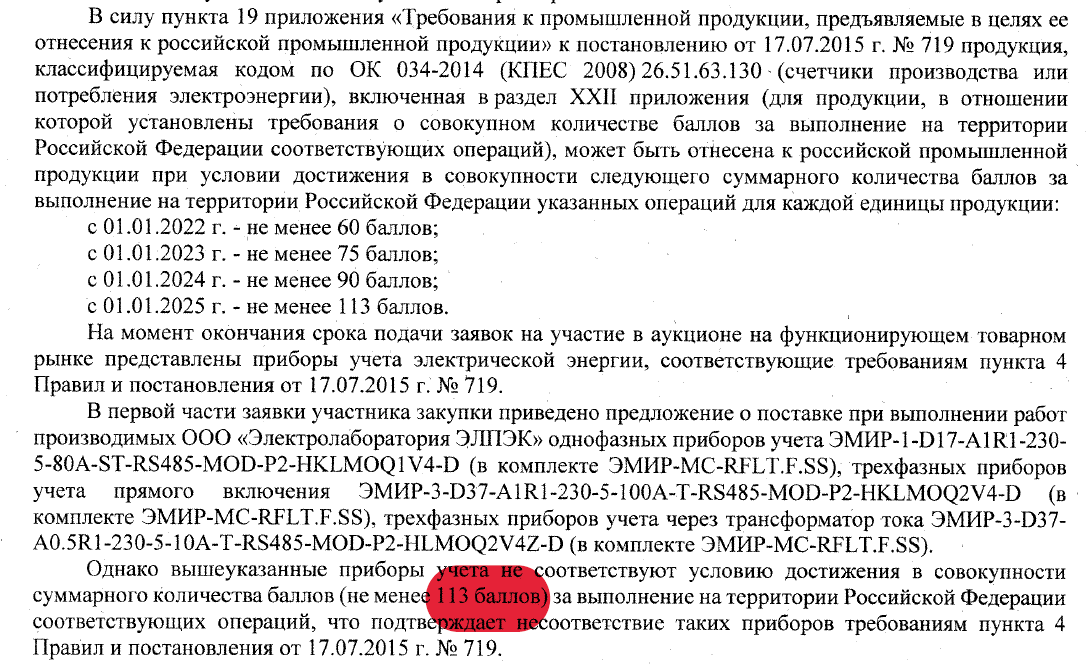
Under Russian Government Decree No. 719, an electricity meter qualifies as a domestic product if it accumulates enough points for using Russian-made components. From 2025, the minimum required score is 113 points. Points are allocated for individual component categories:
- Central microcontroller: up to 28 points
- ADC (analog-to-digital converter): up to 13 points
- Non-volatile memory: up to 12 points
- Interface chips: up to 12 points
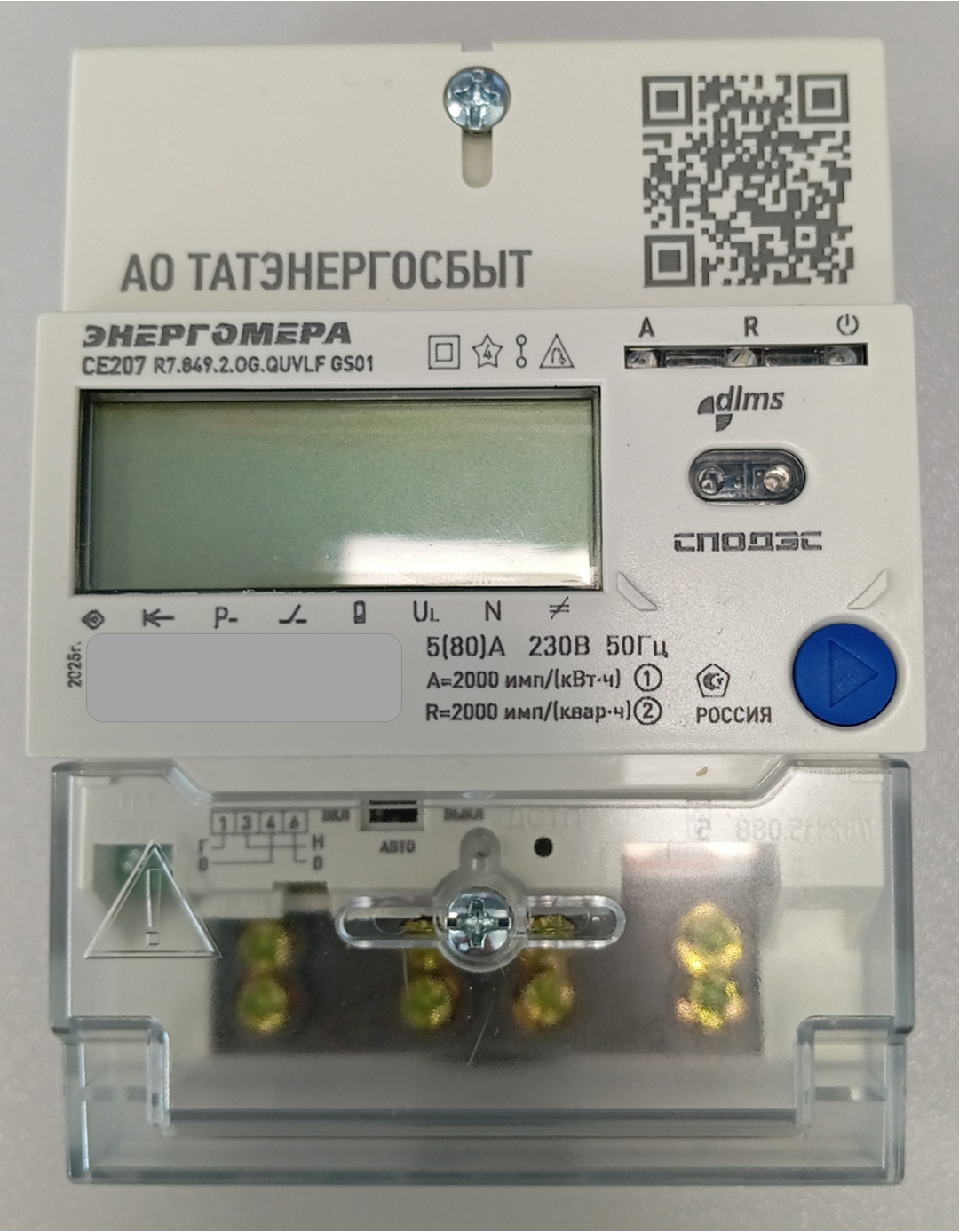
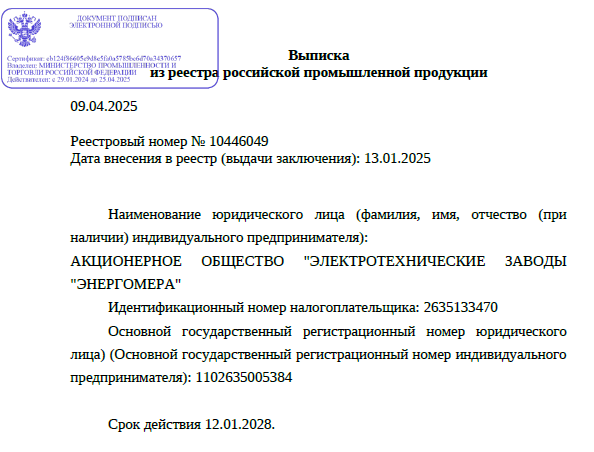
The Energomera CE207 R7 is listed in the domestic product registry with a declared score of 117 points — comfortably above the threshold.
Opening the Meter
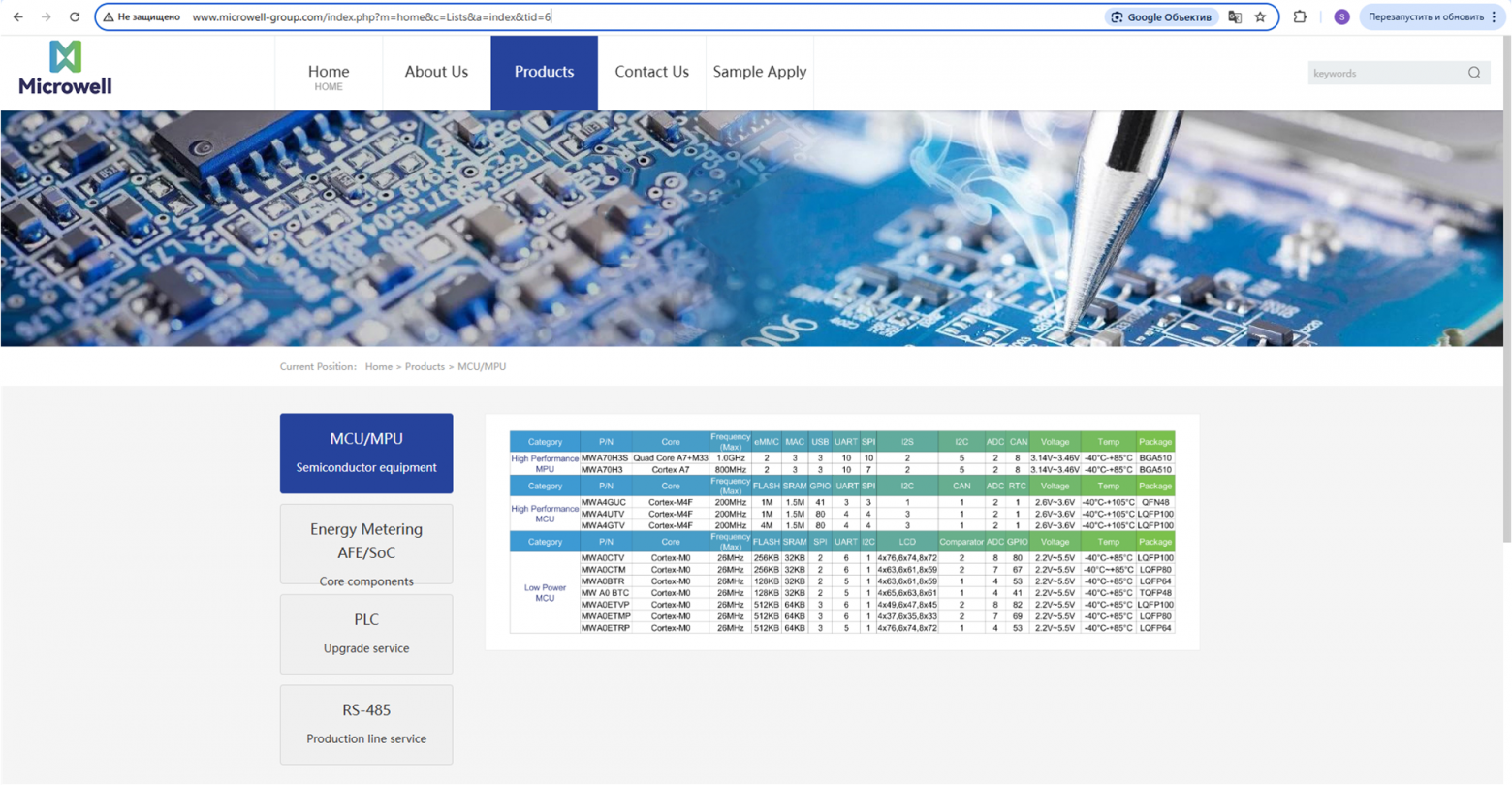
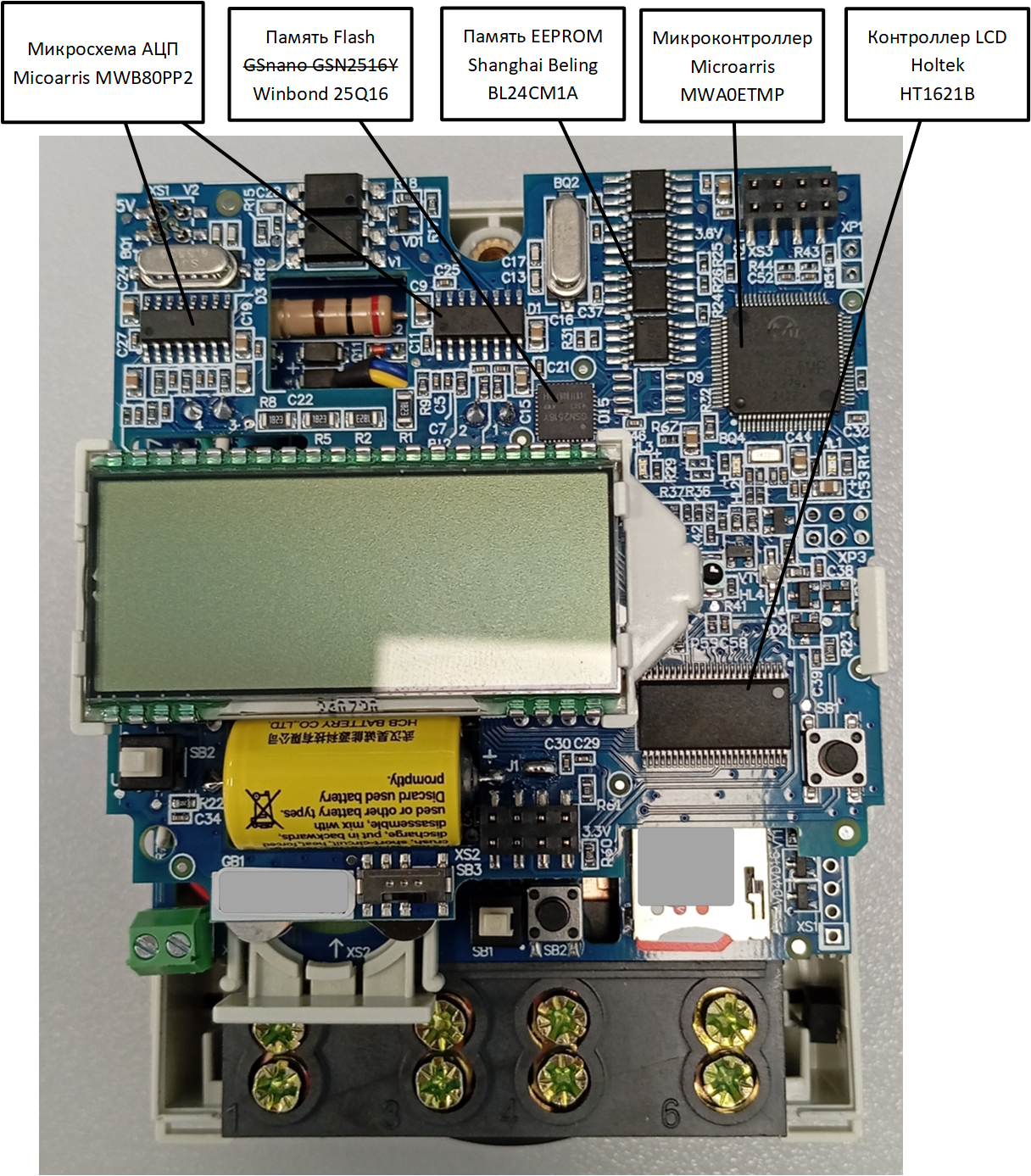
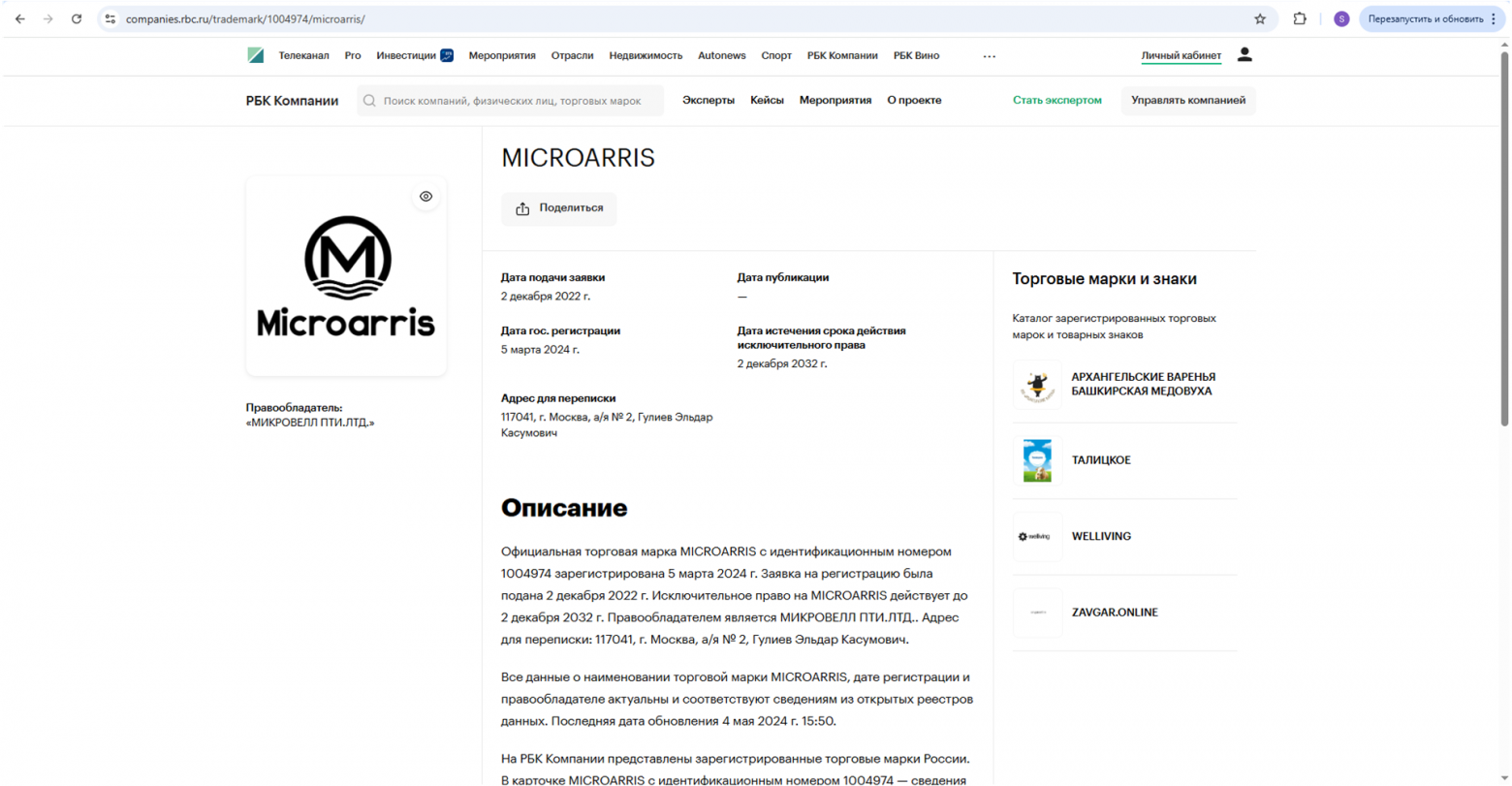
The unit tested was manufactured on March 16, 2025. On the board, the key chips carry the brand "Microarris" — a brand registered to the Russian company Microvel PTI LTD. At first glance, this appears to be a domestic supplier.
Tracing the Chips
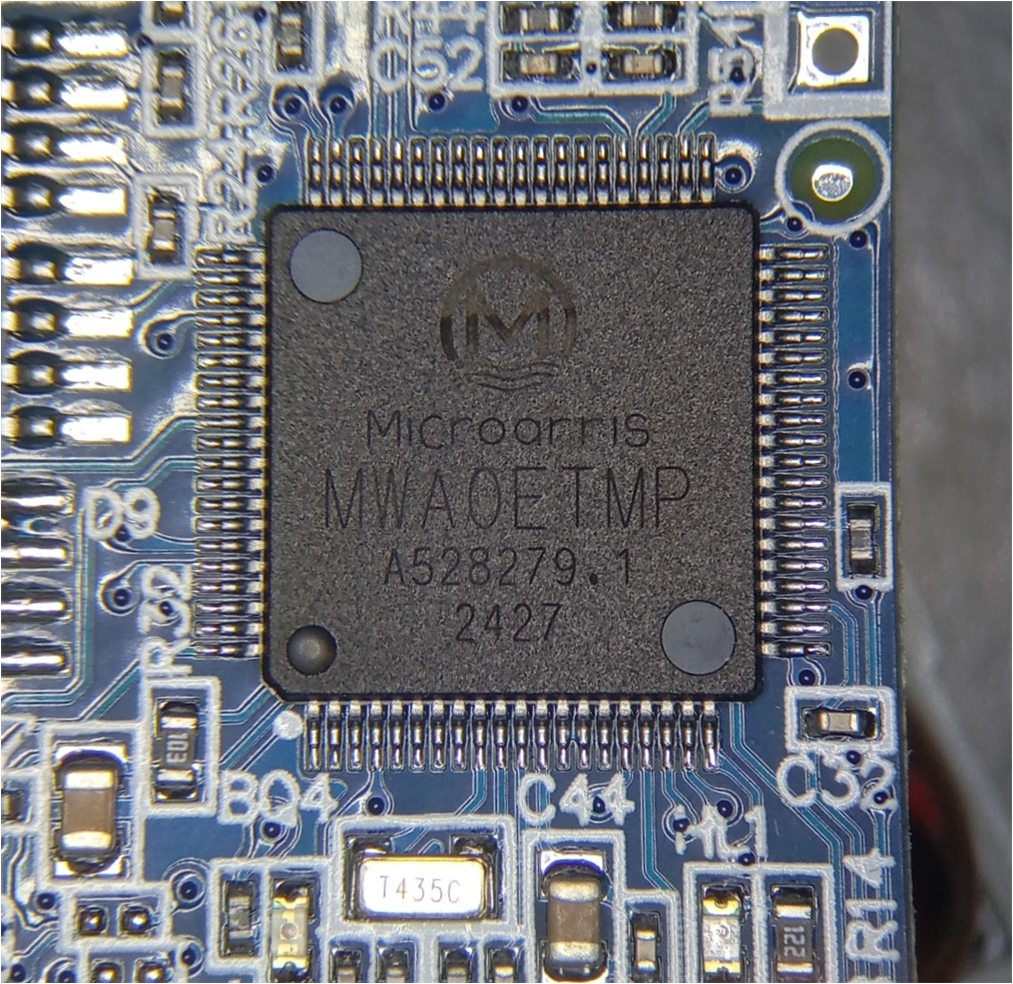
Closer investigation links the Microarris parts to the Taiwanese company VANGO:
- Microcontroller marked MWA0ETMP = VANGO V8530P
- ADC marked MWB80PP2 = VANGO V9260F
These are not domestically designed or manufactured chips. They are Taiwanese components with the original markings removed and Microarris labels applied in their place.
The Flash Memory Question
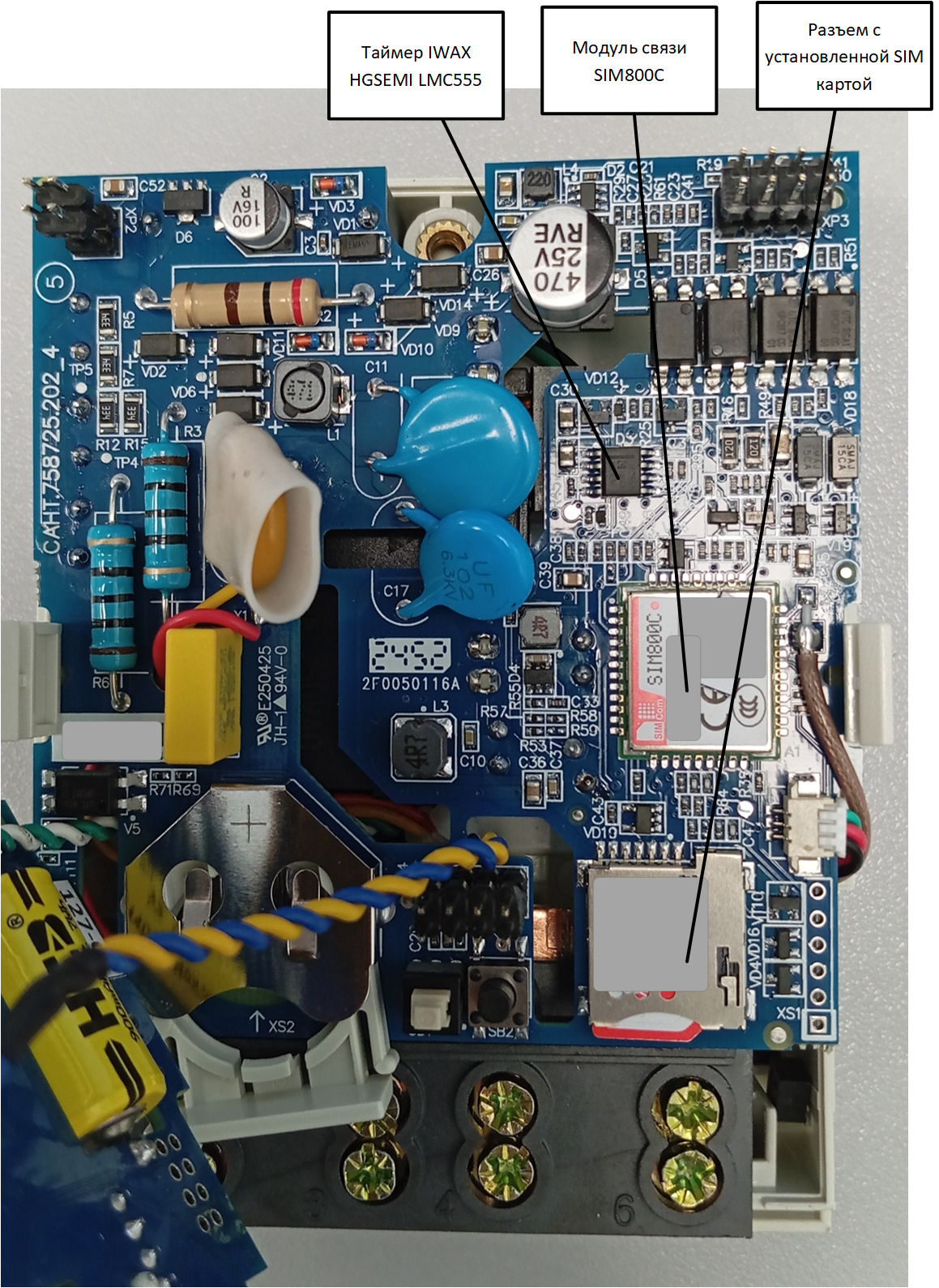
The flash memory chip is marked GSN2516Y and attributed to GS Group, a Russian company. However, a previous investigation into GS Group's products raised similar questions about actual domestic origin. Even granting this chip full Russian-origin points, the calculation below still fails.
Recalculating the Score
With the microcontroller and ADC confirmed as foreign-made Taiwanese components, those point categories score zero. A realistic maximum tally comes to approximately 72 points — well below the 113 required by law and far below the 117 declared in the registry.
The Scale of the Problem
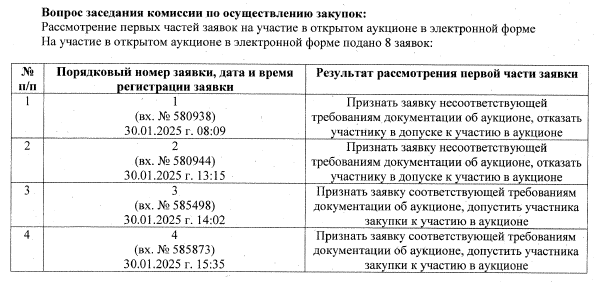
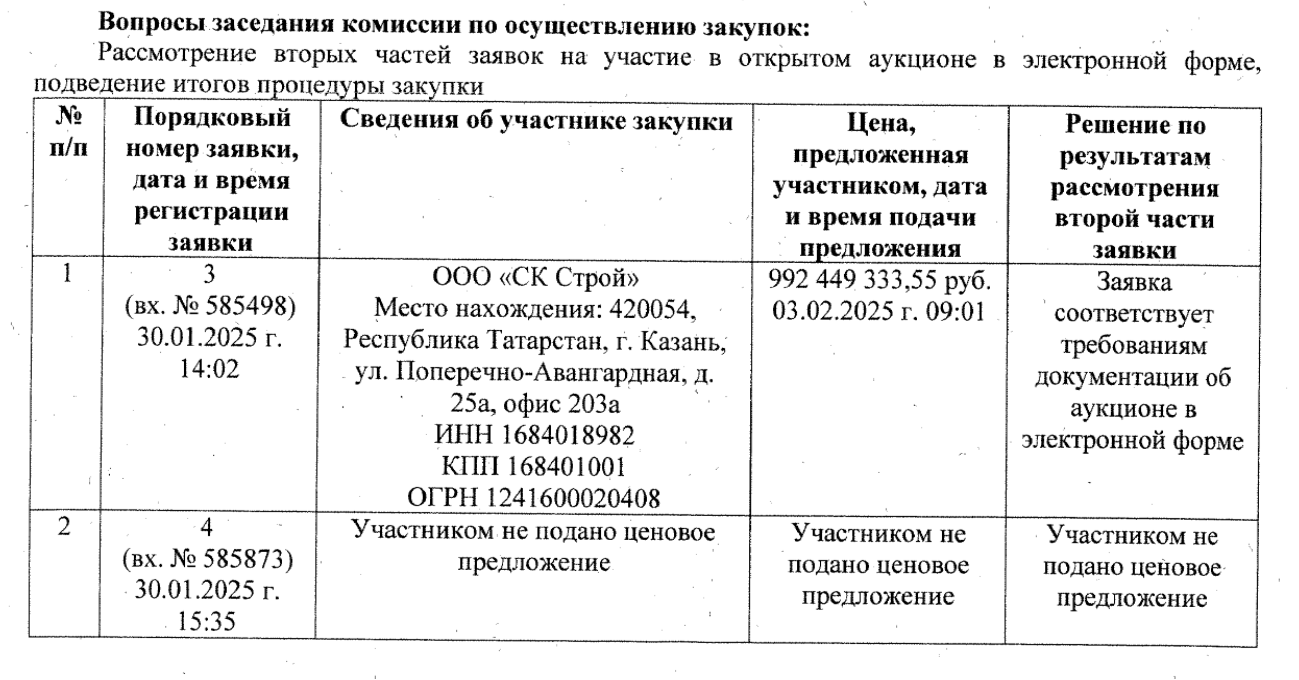
The Tatarstan energy tender awarded to LLC "SK Stroy" totaled nearly 992 million rubles for the supply of 65,000+ meters. If these meters contain fraudulently labelled foreign components rather than the domestic chips listed in the registry, those devices do not legally qualify for the domestic product certification on which the tender was based.
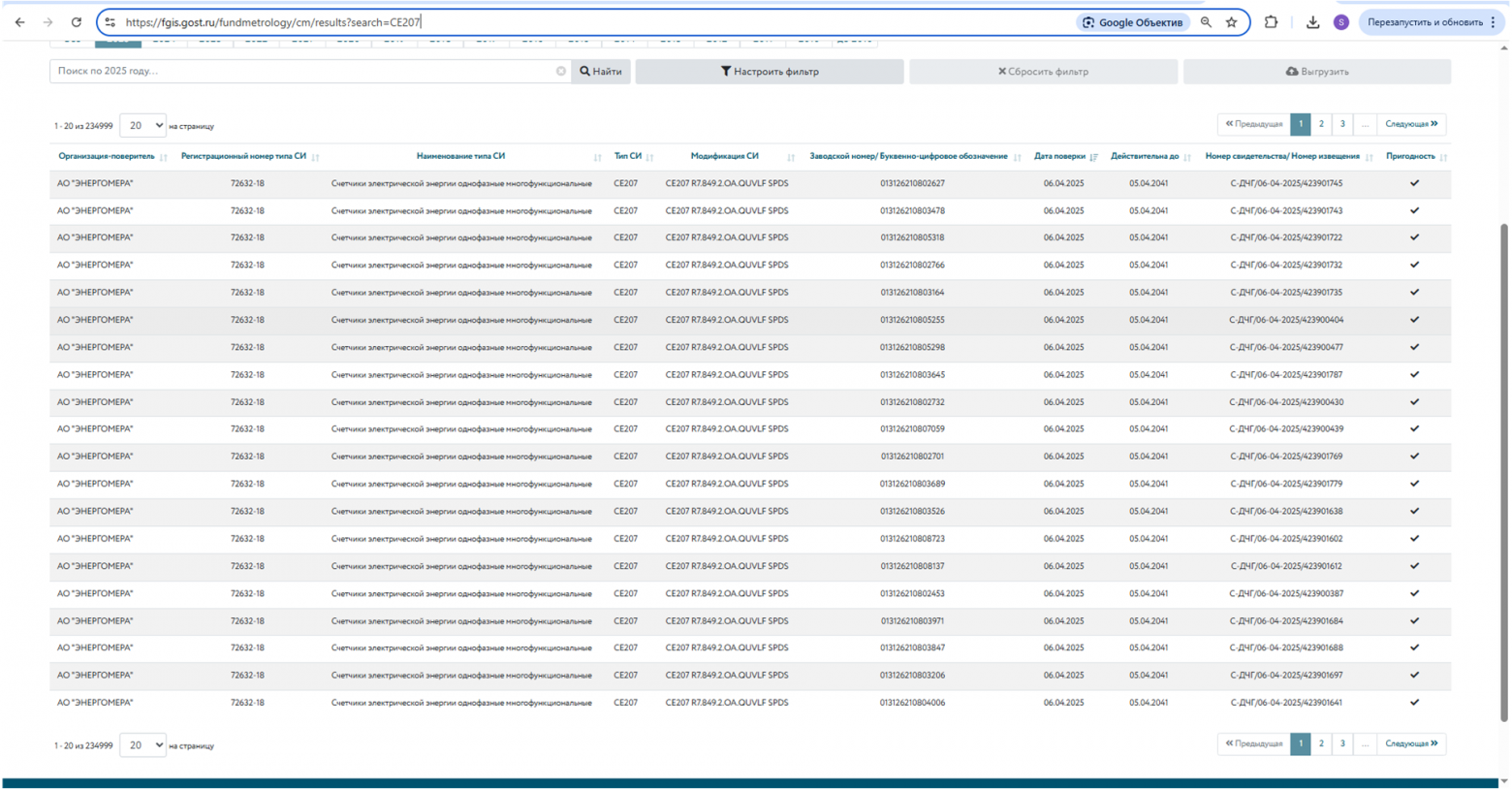
By the time of publication, more than 234,000 such meters had reportedly been manufactured in 2025 alone.
Conclusion
Resolving the question of whether components are "domestically made" by simply peeling off the Taiwanese brand and applying a Russian one points to a systemic problem in the domestic product registry. The investigation raises questions that go well beyond a single meter model: if a chip can be rebranded this easily and pass regulatory scrutiny for a product worth nearly a billion rubles in state contracts, the entire certification process needs reexamination.