The First Programmer Jokes: What Did IT Humor Look Like in 1996-1998?
An exploration of the earliest programmer jokes on Anekdot.ru, Russia's first major joke website, tracing how IT humor evolved from rare curiosities in 1996 to massively popular cultural artifacts by 1998.
In November 1995, a website launched that would become the largest repository of Russian-language humor — Anekdot.ru. Created by Dmitry Verner, it quickly became a cultural phenomenon of the early Russian internet. But what did programmer jokes look like back then, in the very first years of Runet? Let's take a journey through the archives and find out.
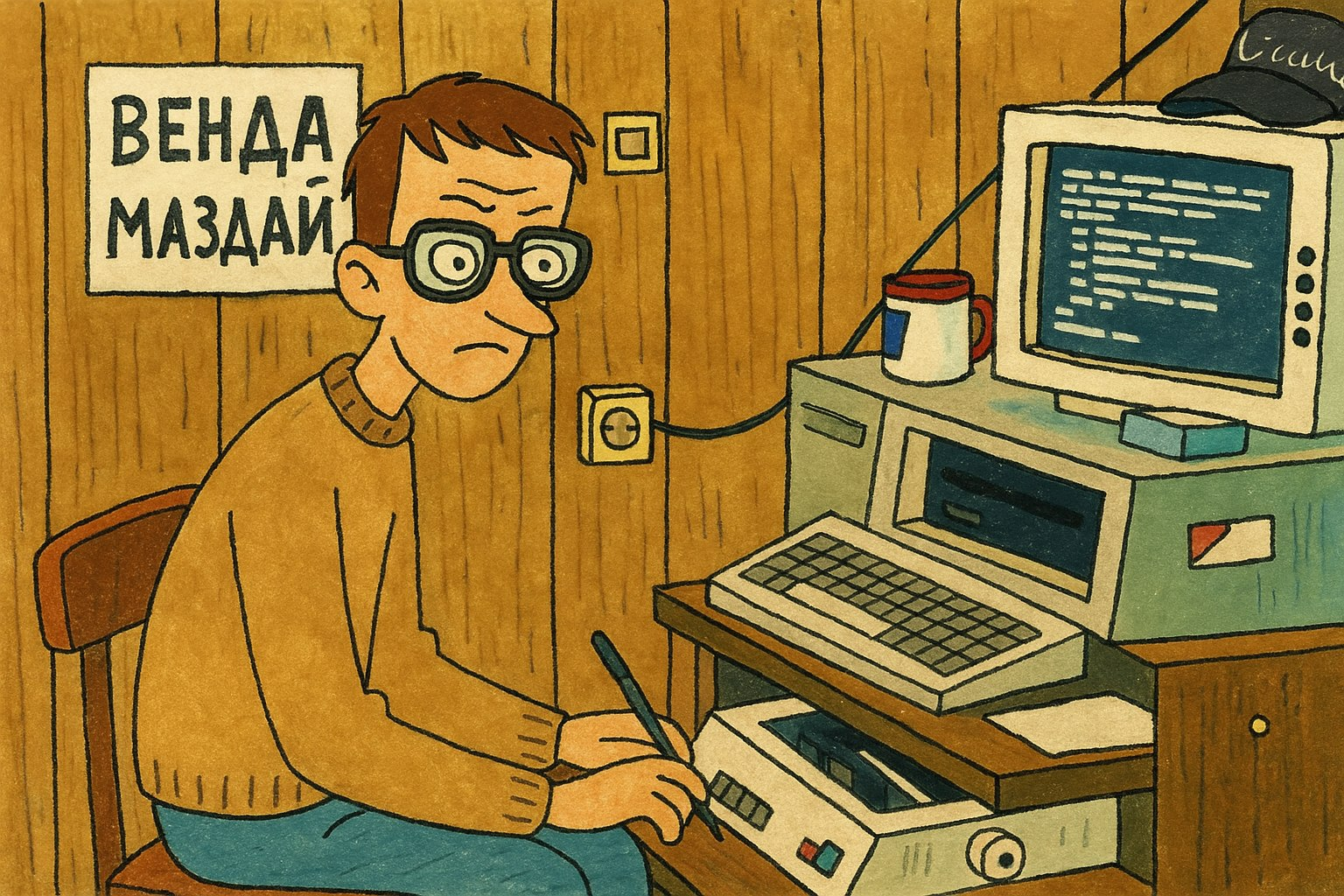
1996: The Dawn of Programmer Humor
In the earliest days, computer jokes were a rarity. The internet was still exotic, and programmers were strange creatures that most people knew nothing about. The first jokes reflected this outsider status — they were simple, often revolving around programmer stereotypes.
One of the earliest classics: A programmer finds a frog that says, "Kiss me and I'll turn into a beautiful princess!" The programmer puts the frog in his pocket. "Didn't you hear me?" says the frog. "I'm a programmer," he replies. "I don't have time for a girlfriend, but a talking frog — now that's cool."
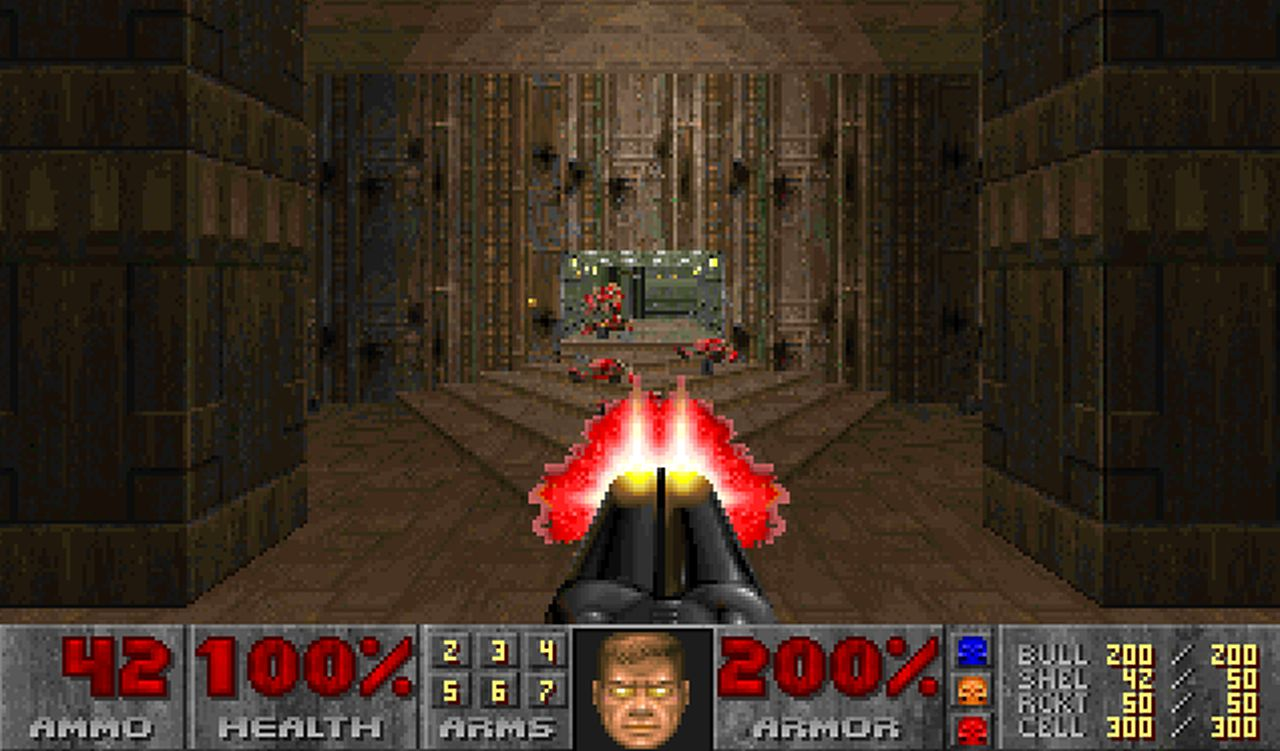
The humor of 1996 was heavily influenced by the technological realities of the time. Windows 95 had just launched and was crashing constantly. DOOM II was the game everyone was playing. Software piracy was rampant and openly joked about.
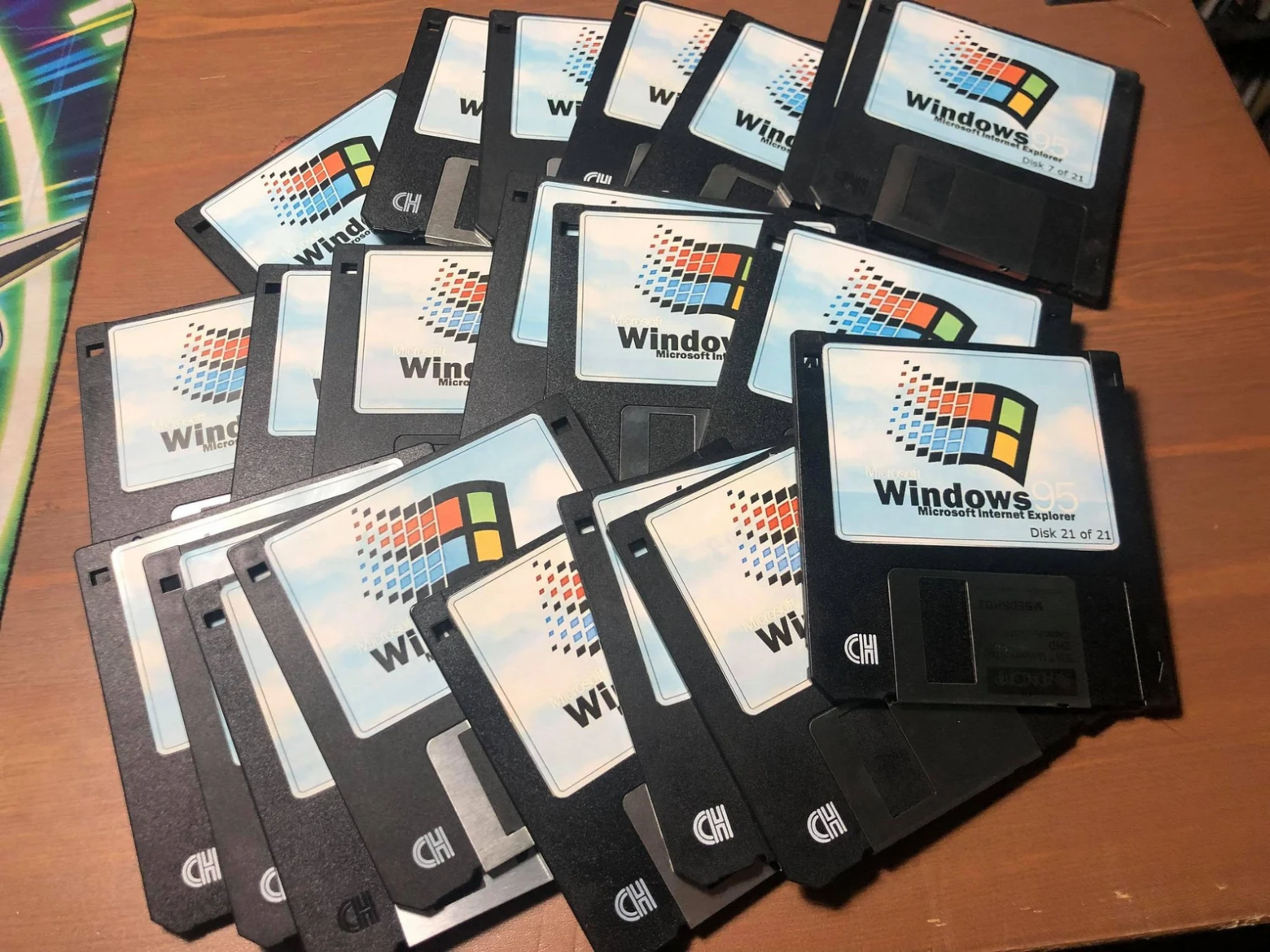
A typical joke from this era: "What's the difference between Windows 95 and a virus? A virus at least works properly." These jokes spoke to a universal experience — everyone who used computers in the mid-90s knew the pain of unexpected crashes and the Blue Screen of Death.
References to cheat codes, DOS commands, and hardware limitations peppered the humor. "A programmer's wife asks: 'Why don't you ever talk to me?' He replies: 'I ran out of COM ports.'"
1997: The Growth Spurt
By 1997, the number of programmer jokes had grown significantly — reaching hundreds by year's end. The internet was expanding, more people were getting online, and the programmer as a cultural figure was becoming recognizable.
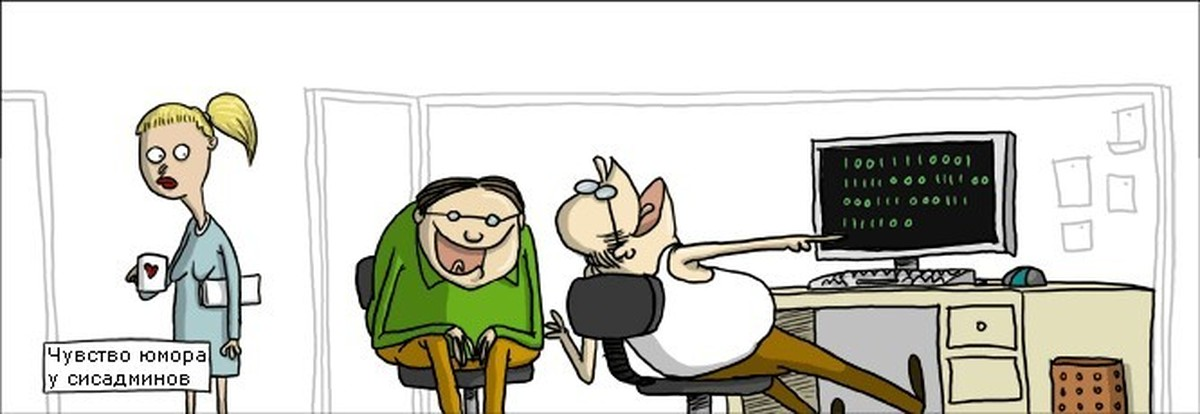
The dominant themes of 1997 included programmer psychology — "Before changing anything, a programmer always makes a backup. Before changing a light bulb, he tests if it's really burnt out." — and the eternal war with Windows 95, which continued to provide endless material.
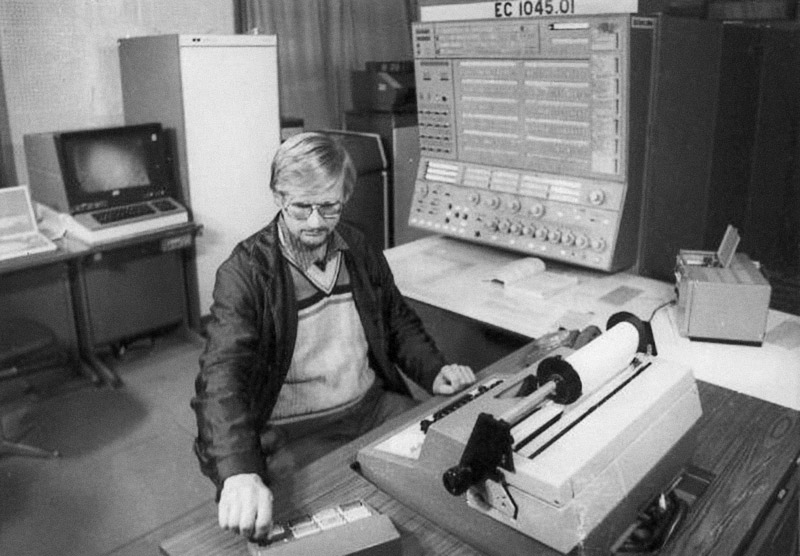
Relationship humor also flourished. Programmers were depicted as socially awkward creatures who approached romance with algorithmic thinking: "A programmer on a date: 'Let me describe my feelings for you in pseudocode...'" Women in these jokes were often described using programming metaphors — "read-only properties" and "incompatible interfaces."
The concept of the "lamer" (newbie) became a staple character — the technologically illiterate user who provided endless frustration and comedic material for IT workers.
1998: The Golden Age
Something remarkable happened in 1998. Jokes that previously received a handful of votes suddenly started getting hundreds, even thousands of likes. The programmer joke had gone mainstream.
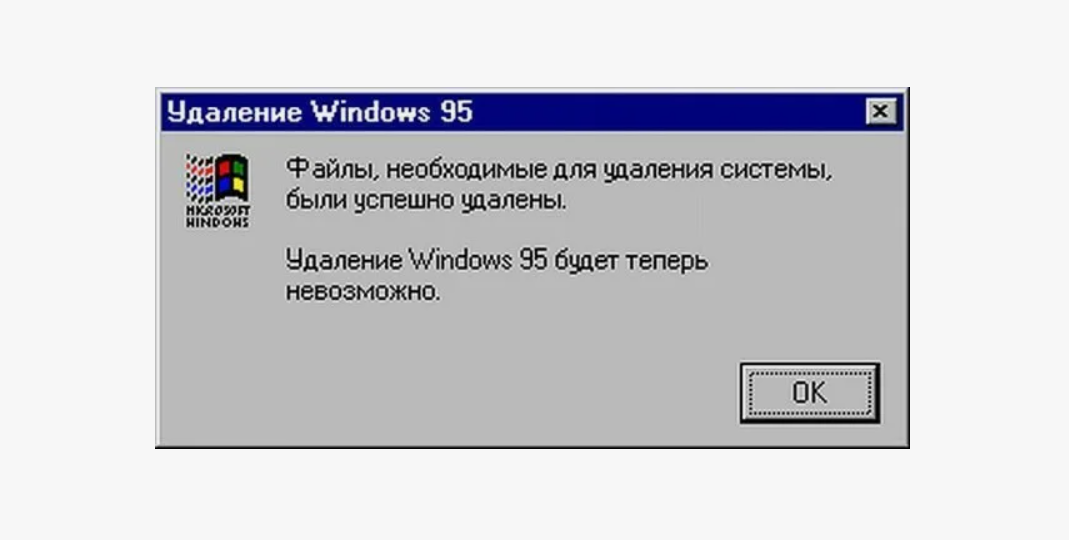
Why the sudden explosion? Several factors converged. The internet was growing exponentially. Windows 98 launched (providing fresh material). And most importantly, the Y2K bug entered public consciousness, making computer-related humor suddenly relevant to everyone, not just tech workers.
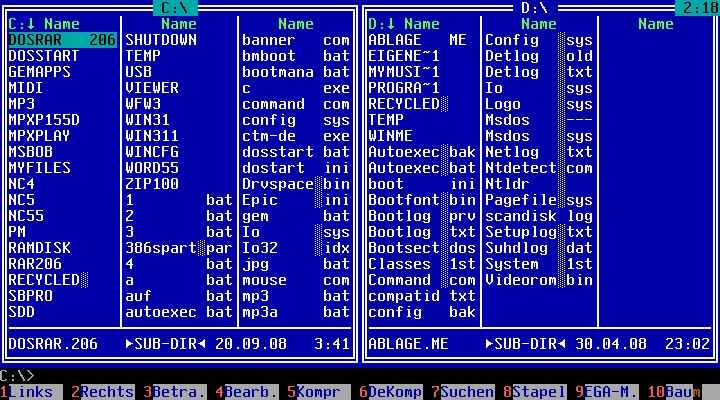
Y2K anxiety generated some of the best material: "On January 1, 2000, all computers will think it's 1900. Microsoft will have to release Windows 1895." And: "A programmer's New Year's resolution for 2000: survive."
Binary and hexadecimal number humor reached its peak: "There are only 10 types of people in the world — those who understand binary and those who don't." This joke, which later became globally famous, was already circulating in Russian internet spaces.
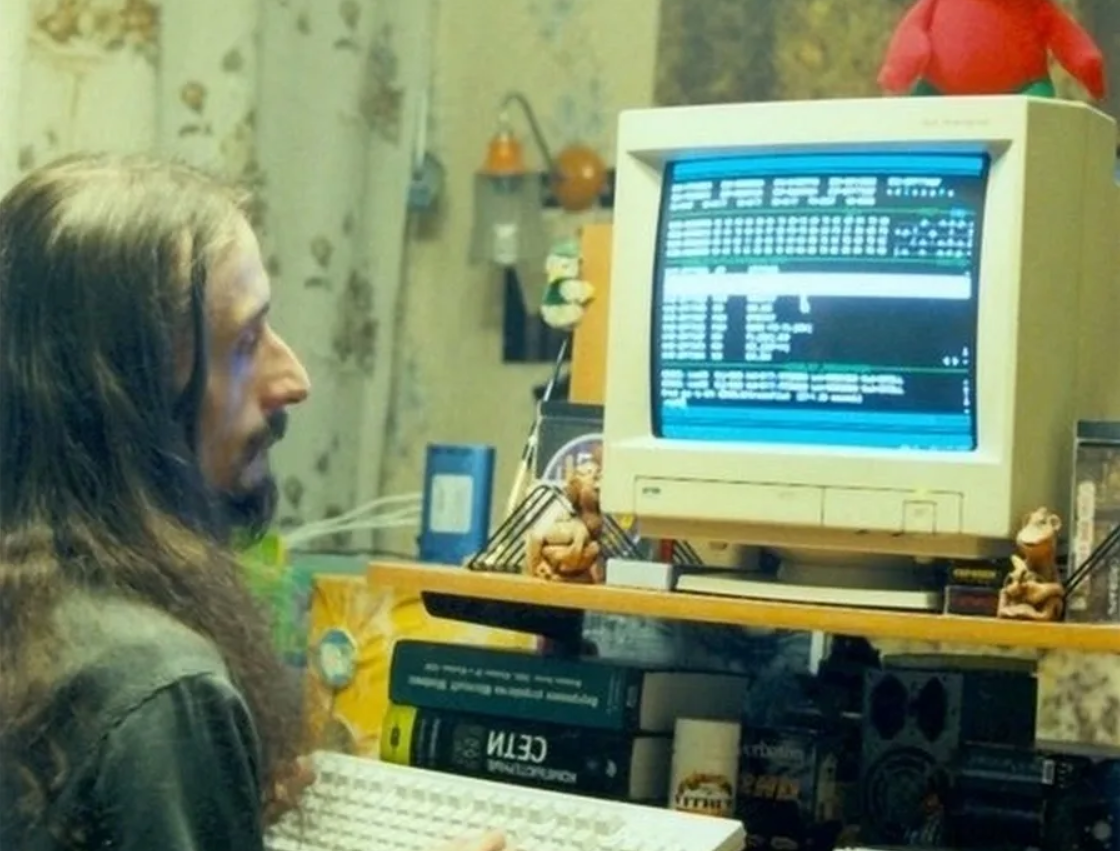
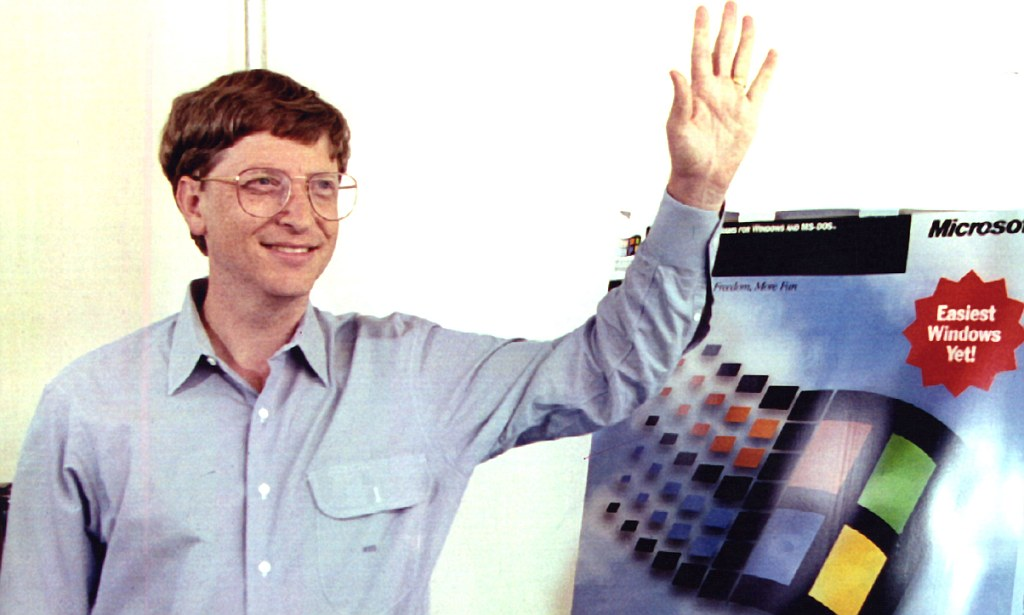
Bill Gates became a favorite target. "Bill Gates dies and goes to heaven. Saint Peter says: 'You can choose between heaven and hell.' Gates asks to see both. Heaven is peaceful and boring. Hell has beaches, parties, beautiful women. Gates chooses hell. When he arrives, it's fire and brimstone. 'Where's the beach?' he asks the devil. 'That was the demo version.'"
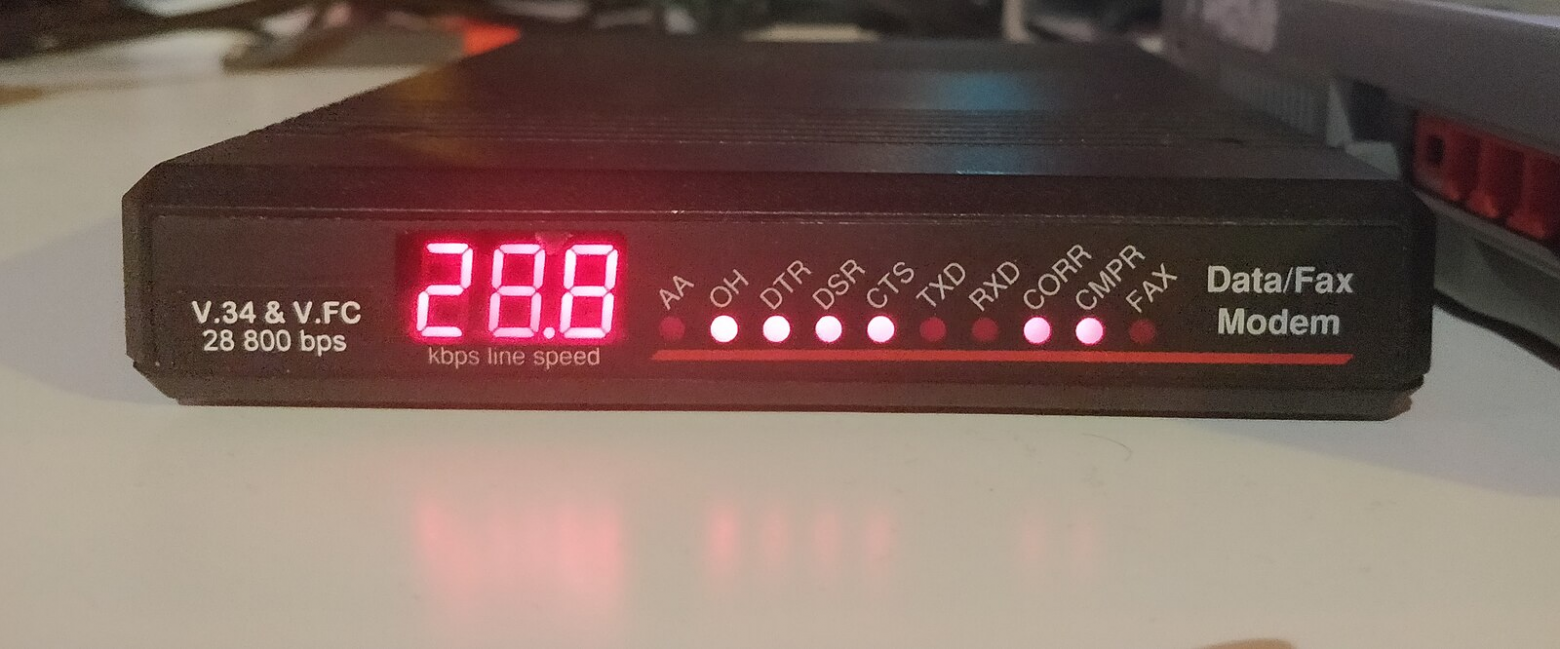
The theory is that by 1998, programmers themselves had adopted Anekdot.ru as their community hub — a proto-Bash.org, if you will. They weren't just reading jokes, they were voting and submitting en masse, creating a feedback loop that amplified IT humor.
The Cultural Legacy
These jokes circulated through the primitive networks of the time — FidoNet conferences, email chains, printed collections passed between office workers. They represented the first layer of Russian internet folklore, predating memes, predating social media, predating everything we now take for granted.
What makes them fascinating today is not just their humor (some jokes are timeless, others have aged poorly) but what they reveal about the culture of the time. The anxieties about technology, the love-hate relationship with Windows, the programmer's self-image as a brilliant but misunderstood outsider — all of these themes would persist for decades.

The explosion of programmer humor in 1996-1998 wasn't just about jokes — it was about a subculture finding its voice. Before memes, before Bash.org, before Twitter, Russian programmers were building their cultural identity one joke at a time on a simple website with a counter at the bottom of the page.