Fallout 2 on Unity
A solo developer documents his ambitious fan project to recreate Fallout 2 as a 3D game in Unity, maintaining the original isometric perspective and turn-based mechanics while implementing the SPECIAL system, combat, and inventory from scratch.
This article documents an ambitious fan project to recreate Fallout 2 in the Unity game engine, aiming for maximum adherence to the second game's canon — including the isometric perspective, camera angles, inventory systems, and turn-based combat mechanics.

Engine Selection
The developer initially considered Unreal Engine 5 but ultimately chose Unity because it's "ideal for solo enthusiasts." His laptop couldn't handle UE5's editor performance demands, making Unity the pragmatic choice for a single-developer passion project. As he put it: "Unreal Engine 5 is designed for AAA projects or established teams, while Unity suits solo enthusiasts perfectly."
Location and Level Design
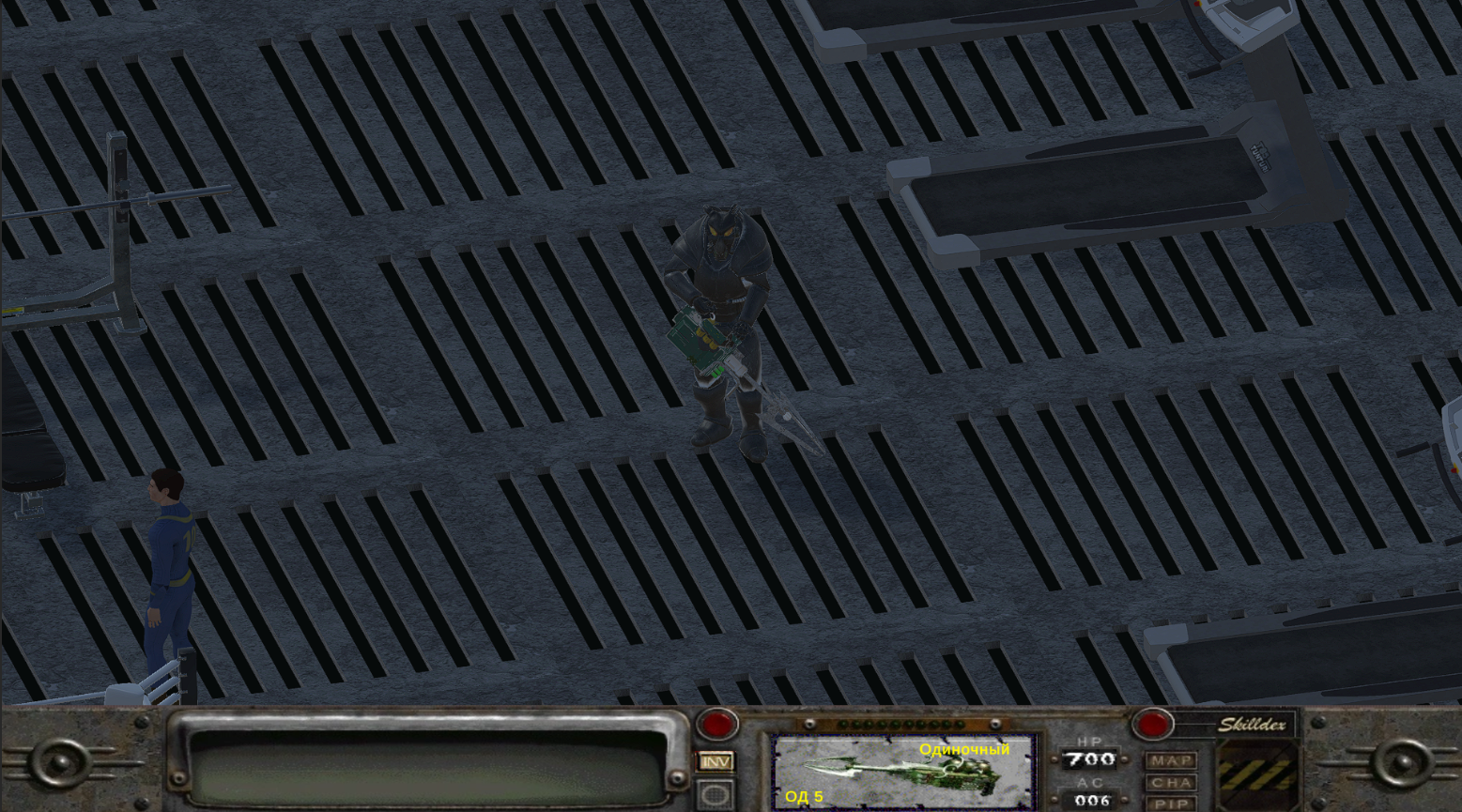
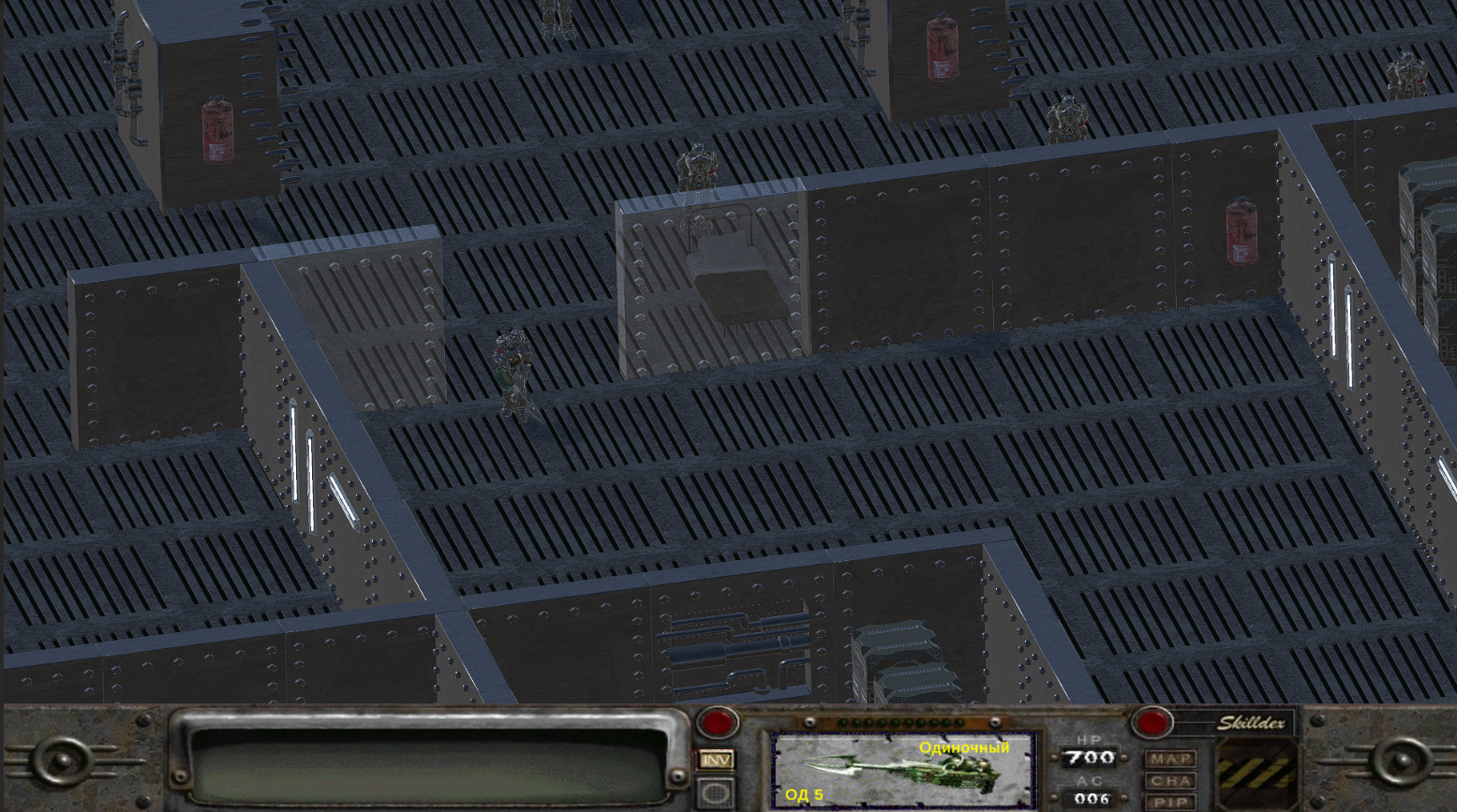
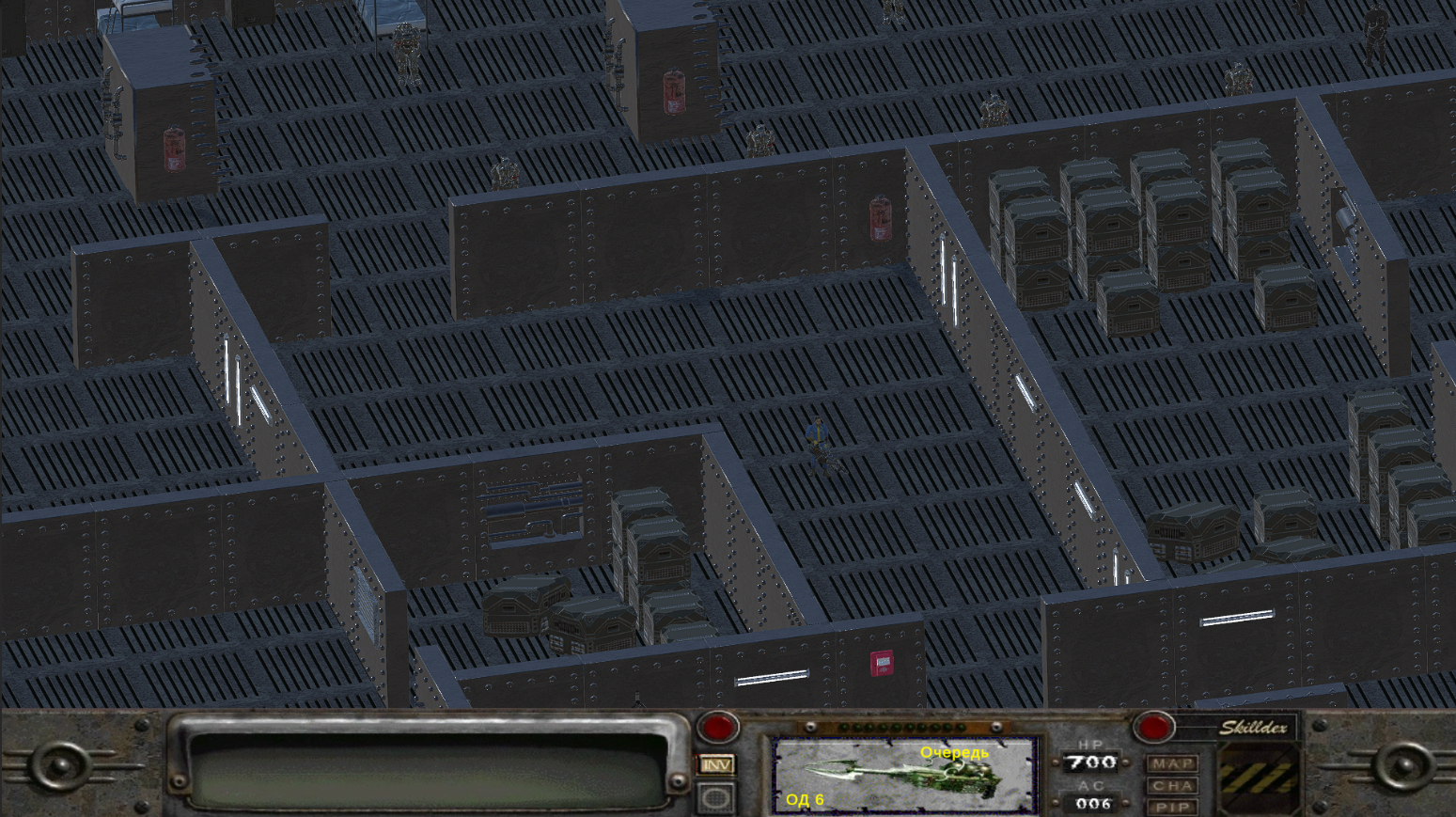
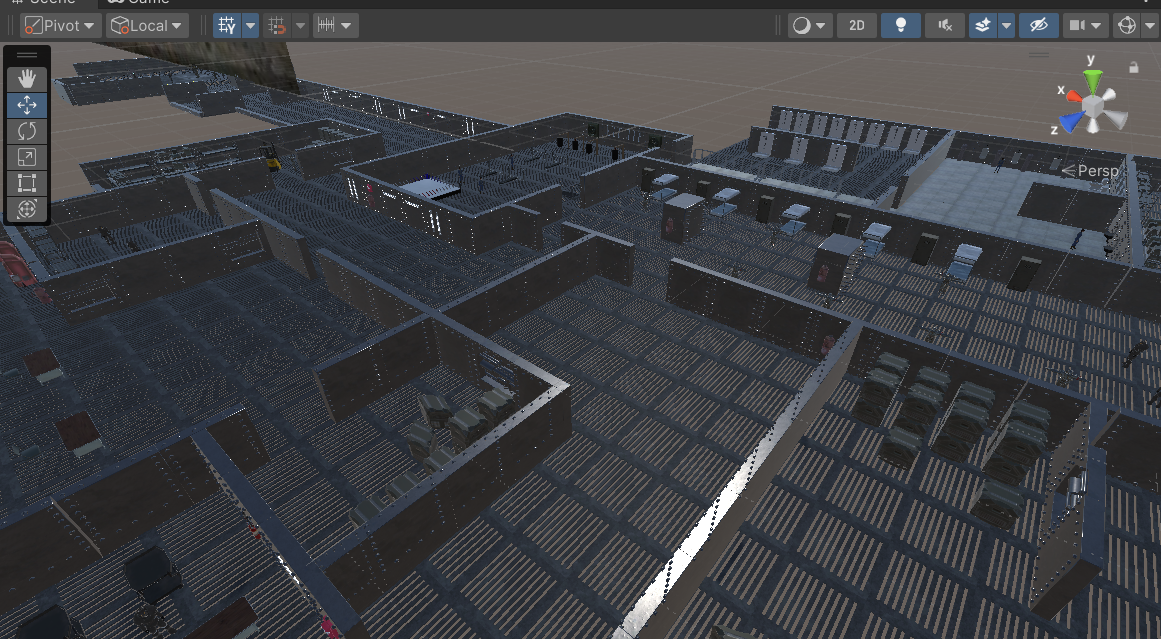
The development focuses on the Poseidon Energy oil rig from the original game — the location where the final confrontation with Frank Horrigan takes place. Currently, only one level is completed. Assets come primarily from Sketchfab, with the developer creating custom floor and wall elements. Animated doors are in development.
SPECIAL Character System
The SPECIAL character system (Strength, Perception, Endurance, Charisma, Intelligence, Agility, Luck) is partially implemented. Players can modify core attributes, with all related role-playing mechanics recalculating automatically. The system includes traits and skills, with perks still pending implementation.
Combat Mechanics
Basic combat is functional but incomplete. Players can eliminate Frank Horrigan and Enclave soldiers, but targeted shots and critical damage aren't yet implemented. The developer sourced combat formulas from fallout.fandom.com, acknowledging uncertainty about exact original calculations due to reverse-engineering from the 1998 game.
Movement System
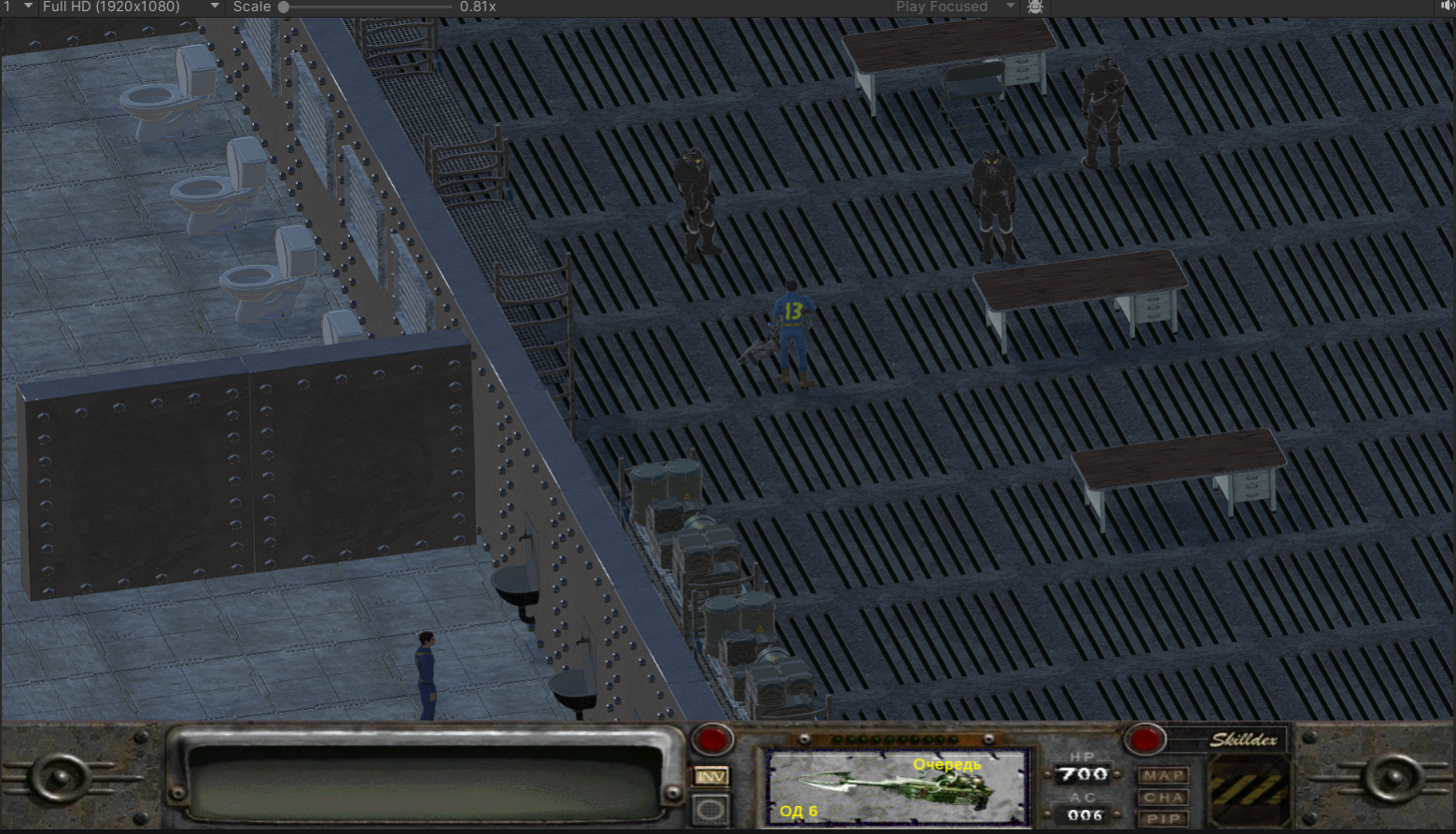
The original Fallout 2 used hexagonal grid movement with action point expenditure per hex. This Unity version uses meter-based coordinates instead, which slightly alters but does not fundamentally break the mechanics — players expend action points per meter traveled rather than per hex. As the developer explains, this "doesn't significantly impact overall gameplay mechanics."
Equipment and Inventory
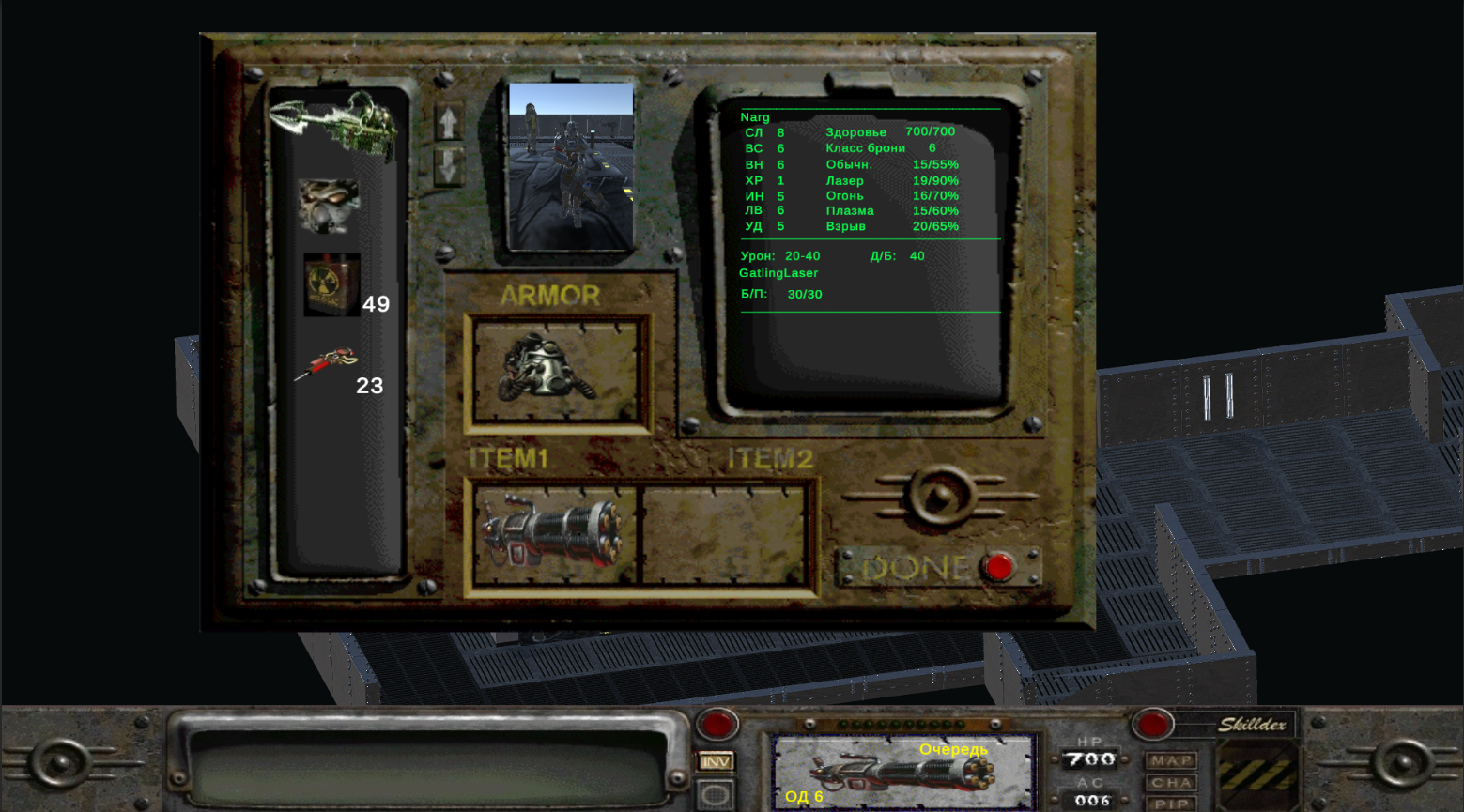
Limited weapons and armor are available but sufficient for creating fully-equipped character models. The inventory system is "almost completely ready" with minor details remaining. The interface follows the original game's design philosophy.
Turrets and Hackable Computers
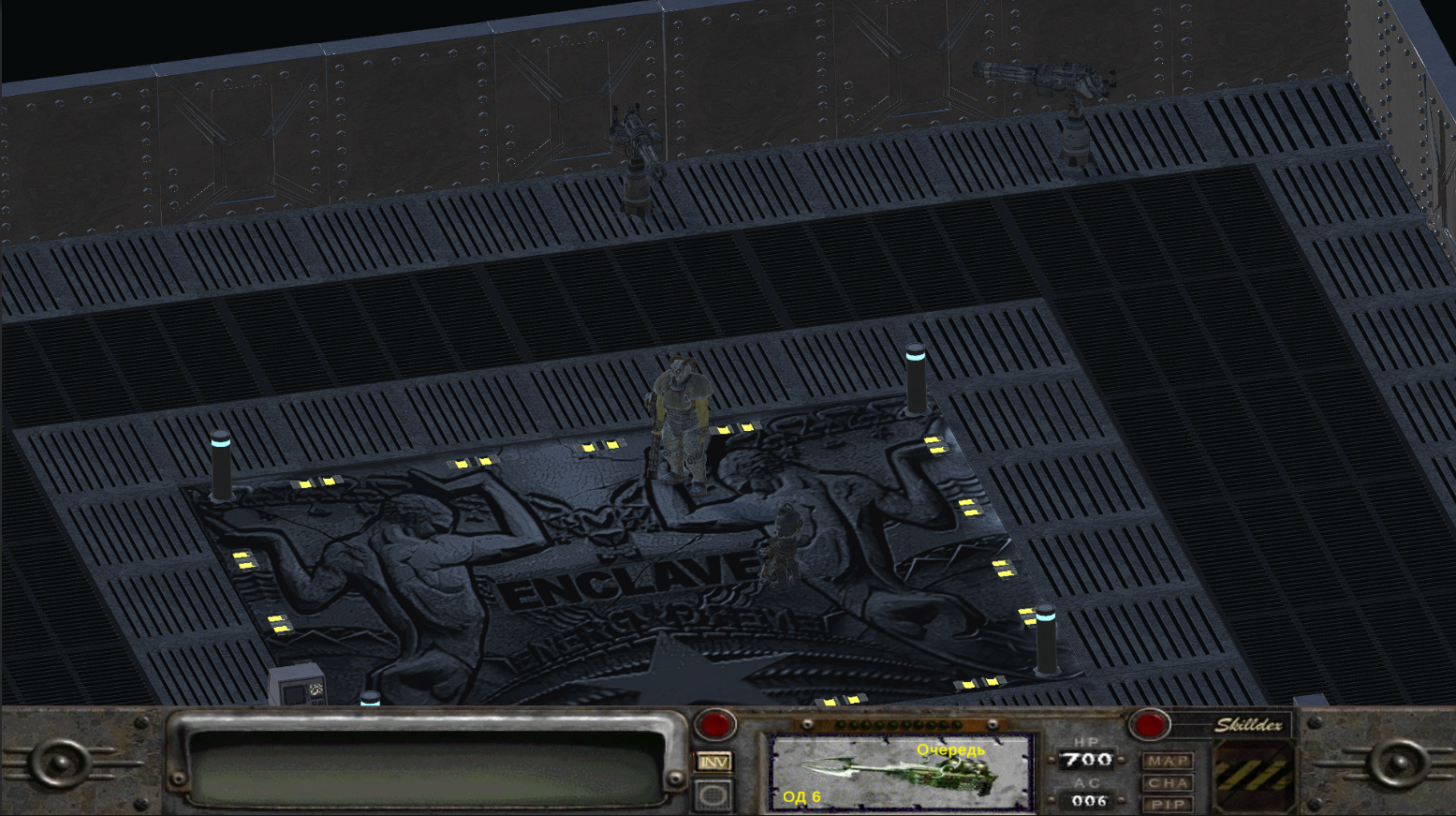
Animated turrets have been modeled and are ready for integration into the combat system. Functional computer terminal models exist that will enable turret control and hacking features, mirroring the original game's mechanics.
Planned Features
- Dialogue Systems: Starting with Frank Horrigan conversations, progressing to Sergeant Granite with stat-dependent dialogue variations
- Turret Integration: Full combat system support for automated turrets
- Computer Hacking: Interactive terminals for turret control
- Interactive Objects: Containers, cabinets, and storage items with loot
The goal is producing one fully playable location level as a foundation for expanding to the complete game with multiple playthrough variations.
Community Call
The creator actively seeks collaborators — artists, designers, Fallout lore experts, and Unity specialists. The project is available on GitHub, and regular updates are posted through a Telegram channel (@fallout2_unity).
FAQ
What is this article about in one sentence?
This article explains the core idea in practical terms and focuses on what you can apply in real work.
Who is this article for?
It is written for engineers, technical leaders, and curious readers who want a clear, implementation-focused explanation.
What should I read next?
Use the related articles below to continue with closely connected topics and concrete examples.