"Food You Can't Refuse": How Neapolitan Fast Food for the Poor Conquered the World
A comprehensive history of pizza from ancient Natufian flatbreads 14,000 years ago to a global culinary phenomenon, revealing how American innovation transformed a Neapolitan street food for the poor into the world's most popular dish.

Pizza is everywhere. It's the world's most recognizable food, a multi-billion-dollar global industry, and a cultural icon. But the story of how a cheap Neapolitan street snack for the poor became the planet's most beloved dish is far stranger and more complex than most people realize. It involves ancient flatbreads, volcanic soil, religious prejudice, mass emigration, world wars, and a healthy dose of historical myth-making.
Ancient Origins: 14,000 Years of Flatbread
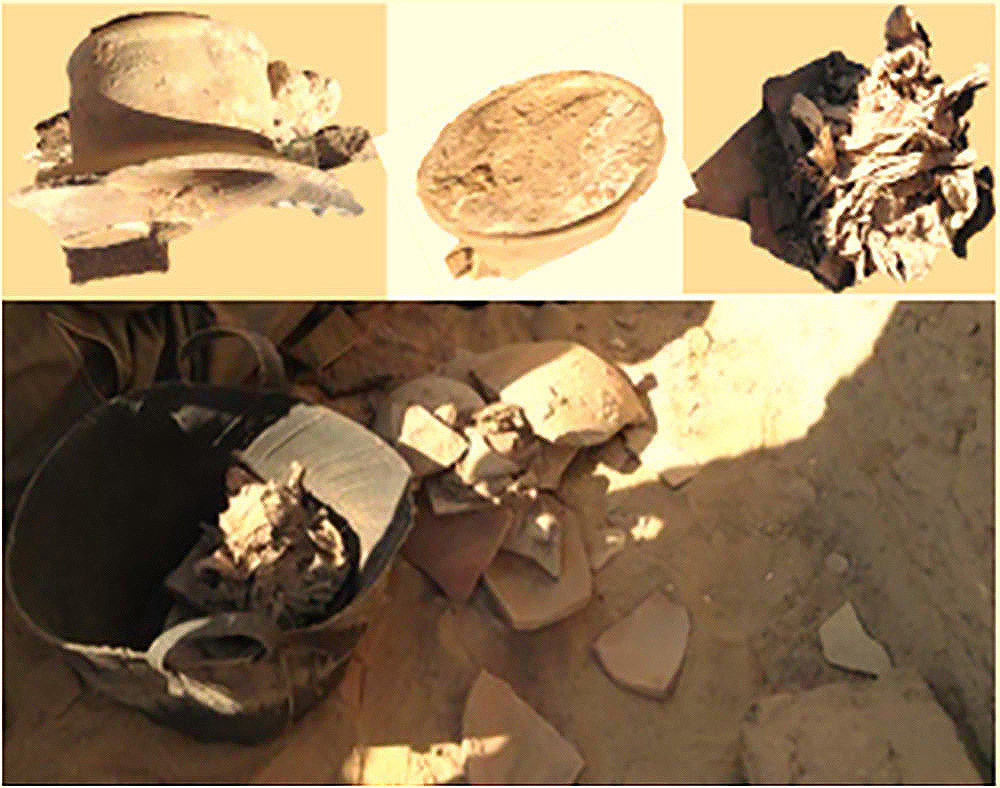
The story begins roughly 14,000 years ago with the Natufian culture in the Levant region, who first baked grain-based flatbreads. This was one of humanity's earliest culinary achievements -- turning wild grains into something portable and storable.
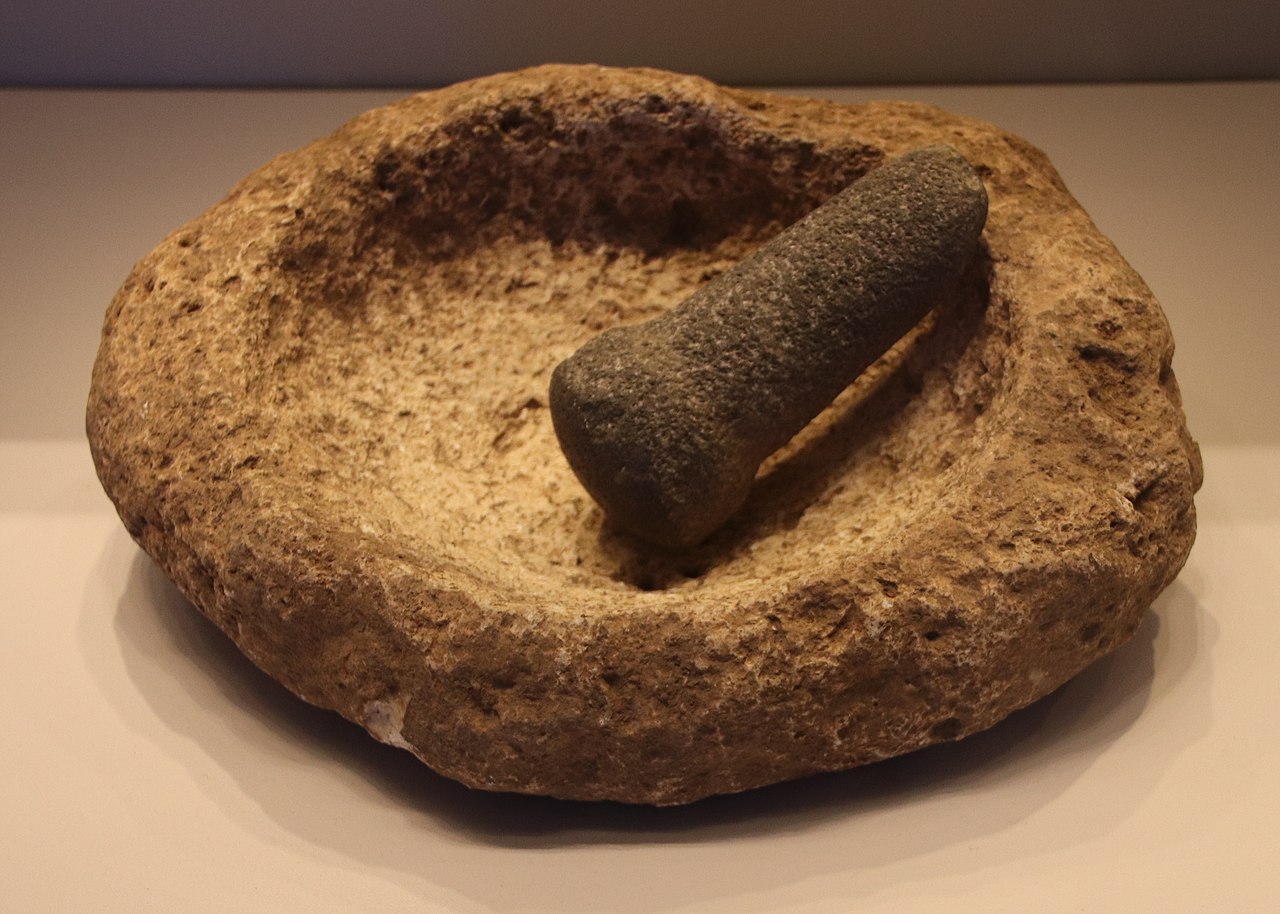
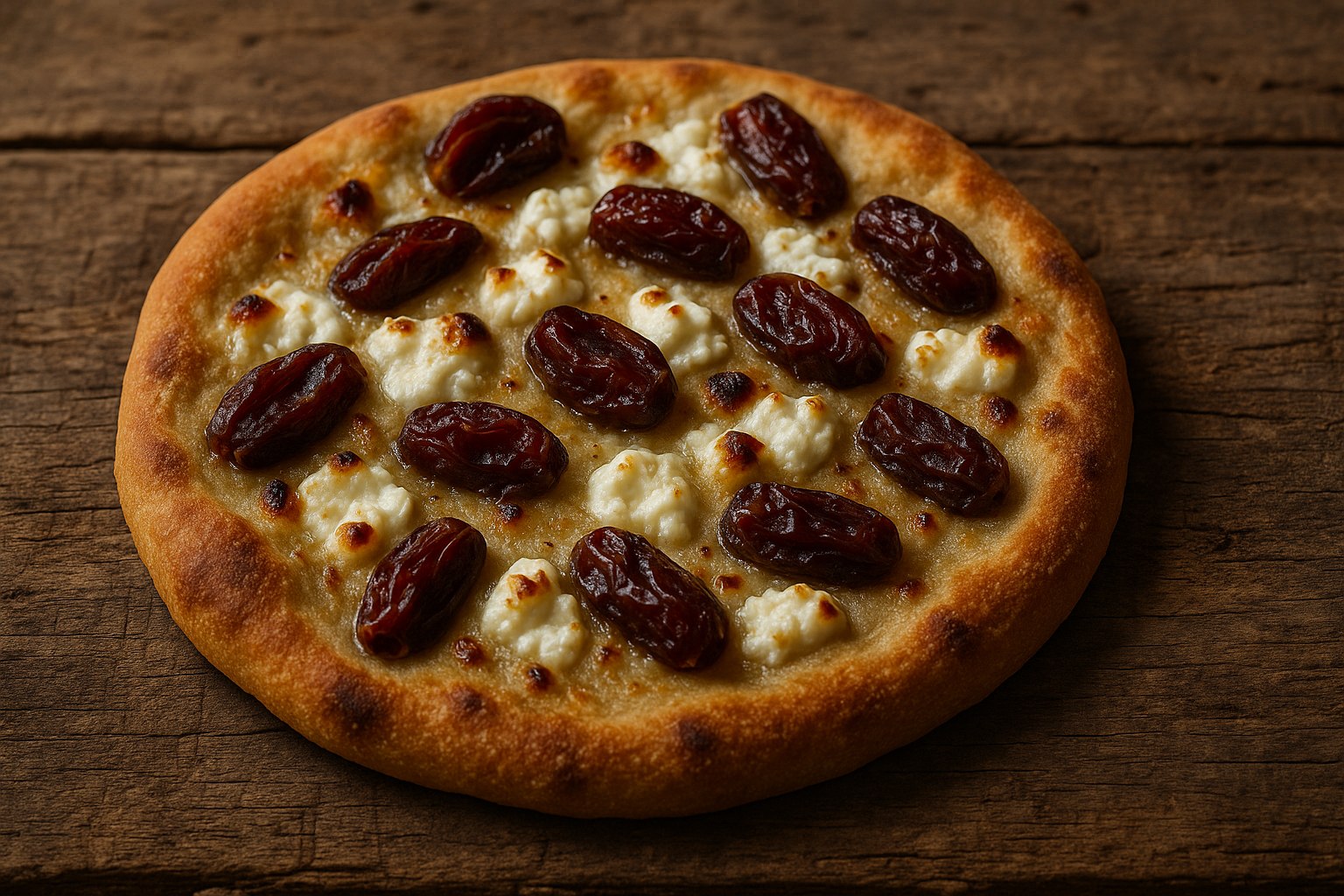
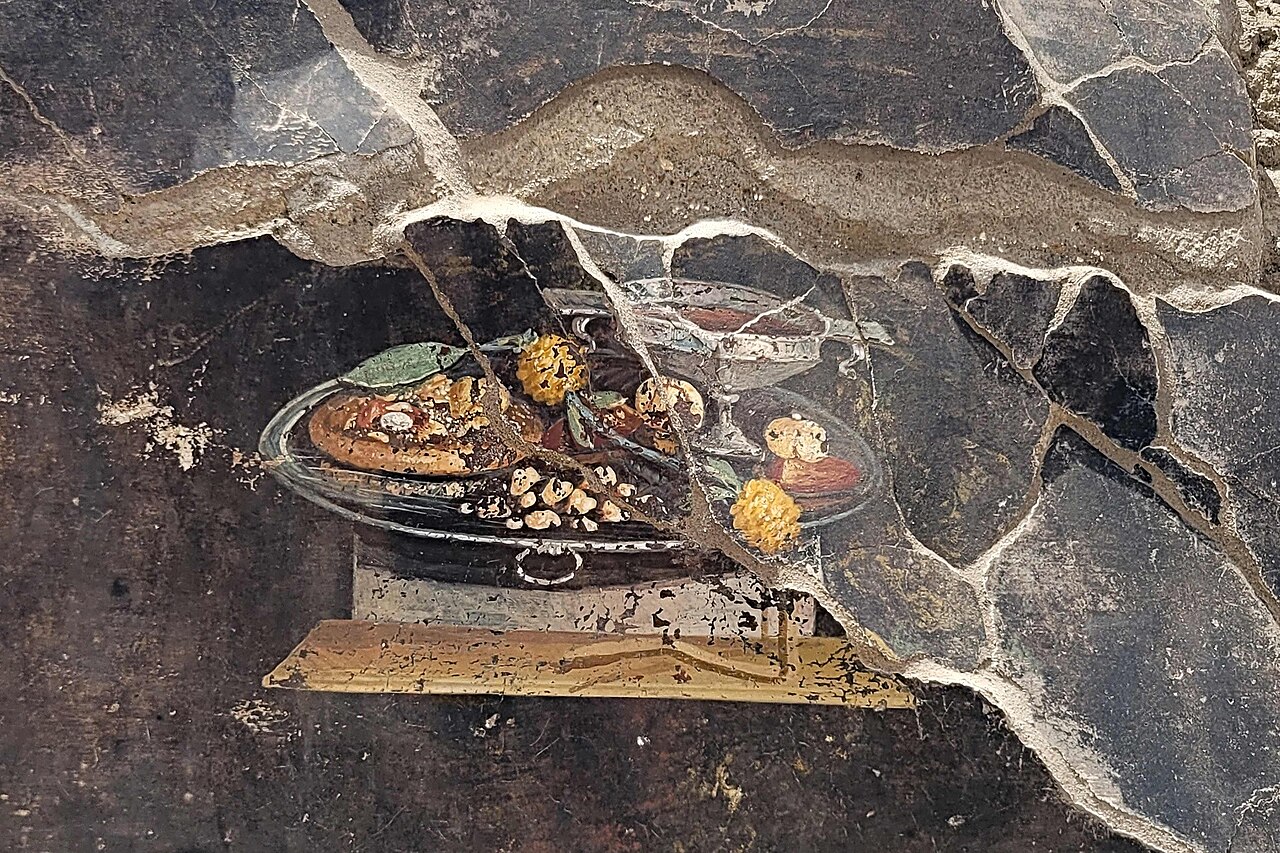
From there, the bread-plus-topping combination evolved across Mediterranean civilizations. In Mesopotamia and the ancient Mediterranean world, bread served as both food and plate. The ancient Greeks prepared plakous (also called plakunt) -- seasoned flatbread topped with cheese and herbs. The Romans adapted this as adorea, their own version of topped flatbread.
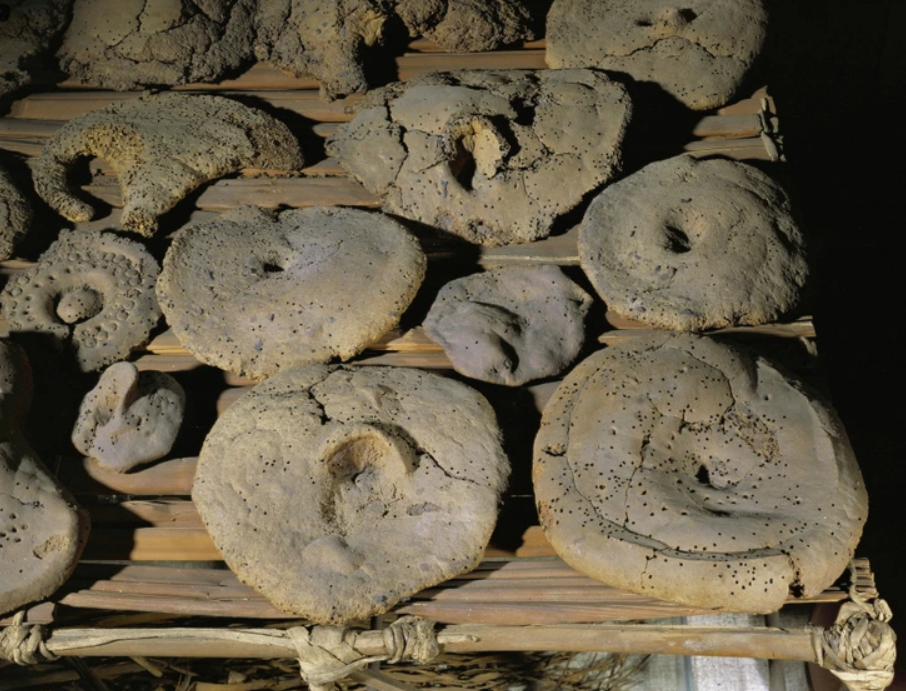
But none of these were pizza as we know it. For that, we need to travel to Naples.
Medieval to Early Modern Naples: Birth of the Pizza
Pizza as a documented street food emerged in 16th-century Naples. At this point, it was nothing glamorous -- cheap galettes with minimal toppings like oil, herbs, and small fish. Meat was prohibitively expensive for Naples' vast poor population, so these simple flatbreads became a dietary staple of the lower classes.
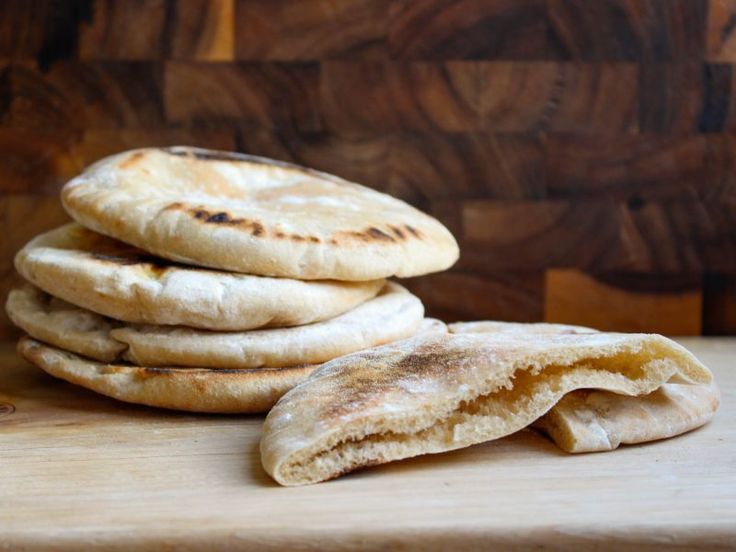
The word "pizza" itself likely derives from the Greek pitta via Latin linguistic evolution, though etymologists still debate the exact pathway.
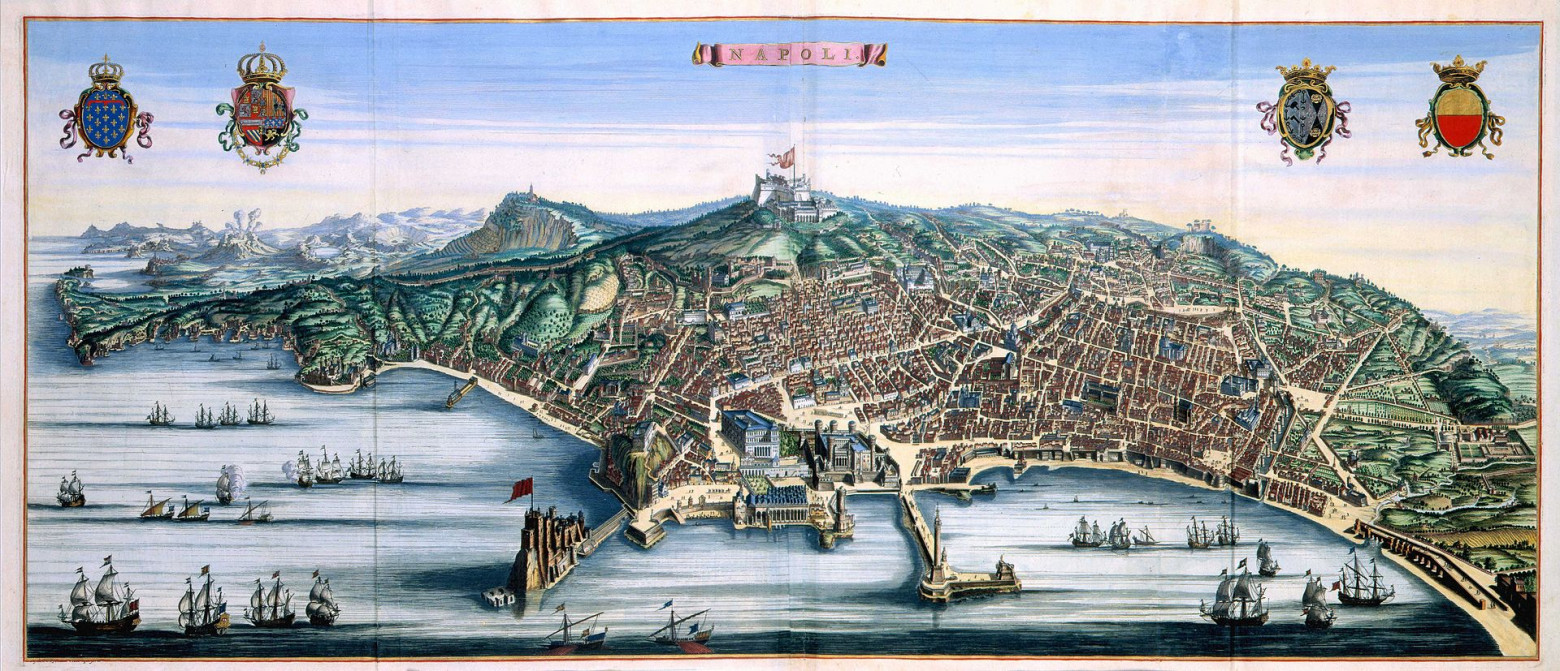
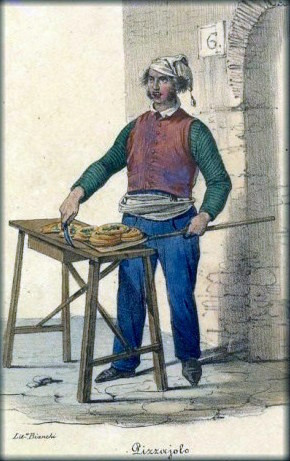
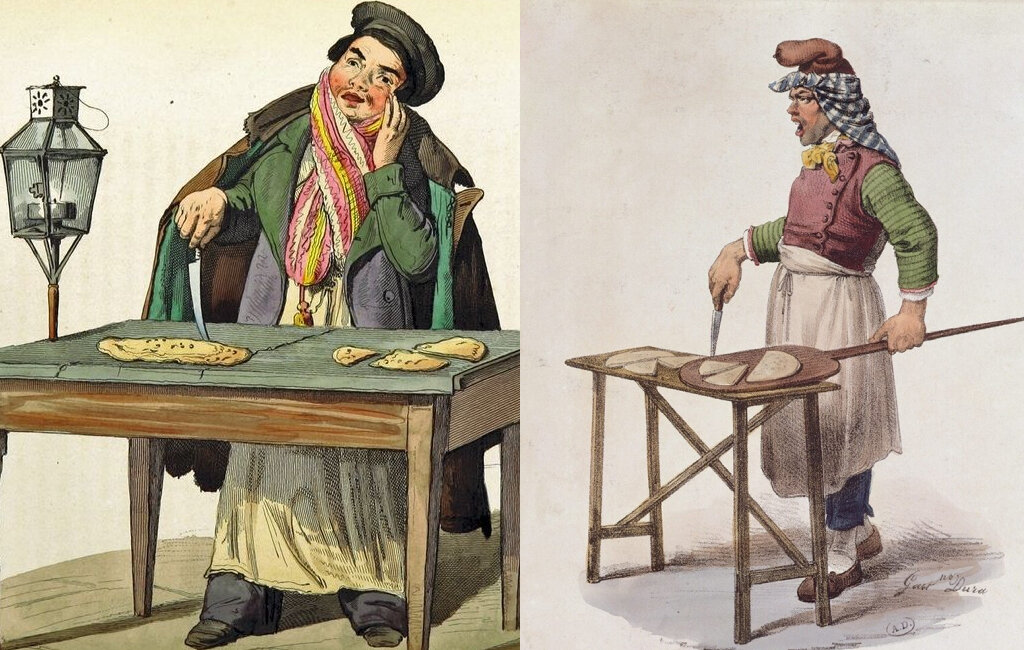
Naples in this era was one of Europe's largest and most densely populated cities, teeming with poor laborers who needed cheap, fast, portable food. Pizza vendors -- pizzaioli -- roamed the streets with portable ovens, selling slices to workers who ate standing up or walking. It was, in every sense, the original fast food.
The Tomato Revolution
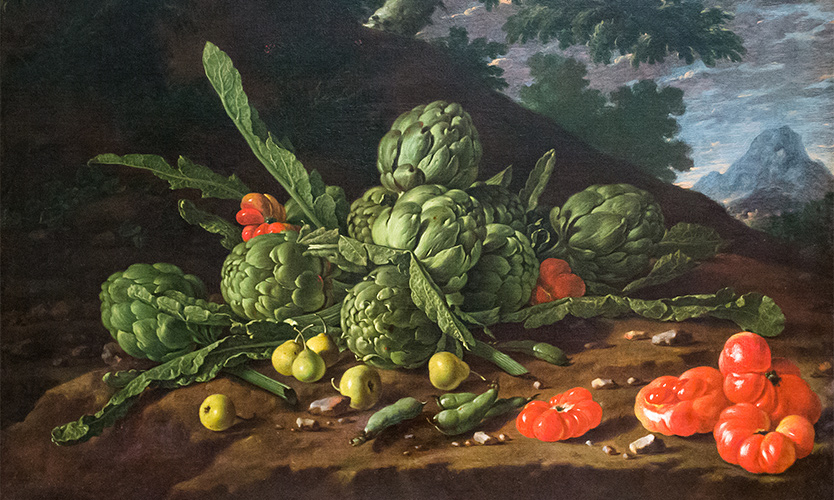
The tomato's arrival from the Americas changed everything -- but slowly. Europeans initially viewed tomatoes with deep suspicion, considering them potentially poisonous (they are, after all, members of the nightshade family). It was the Neapolitans, characteristically unfussy about food prejudices, who pioneered tomato cultivation for culinary purposes.
The first cookbook reference to tomatoes in cooking dates to 1692. By the late 18th century, tomatoes had become affordable enough for street vendors to incorporate into pizza, creating the red-sauce base that would define the dish forever after.
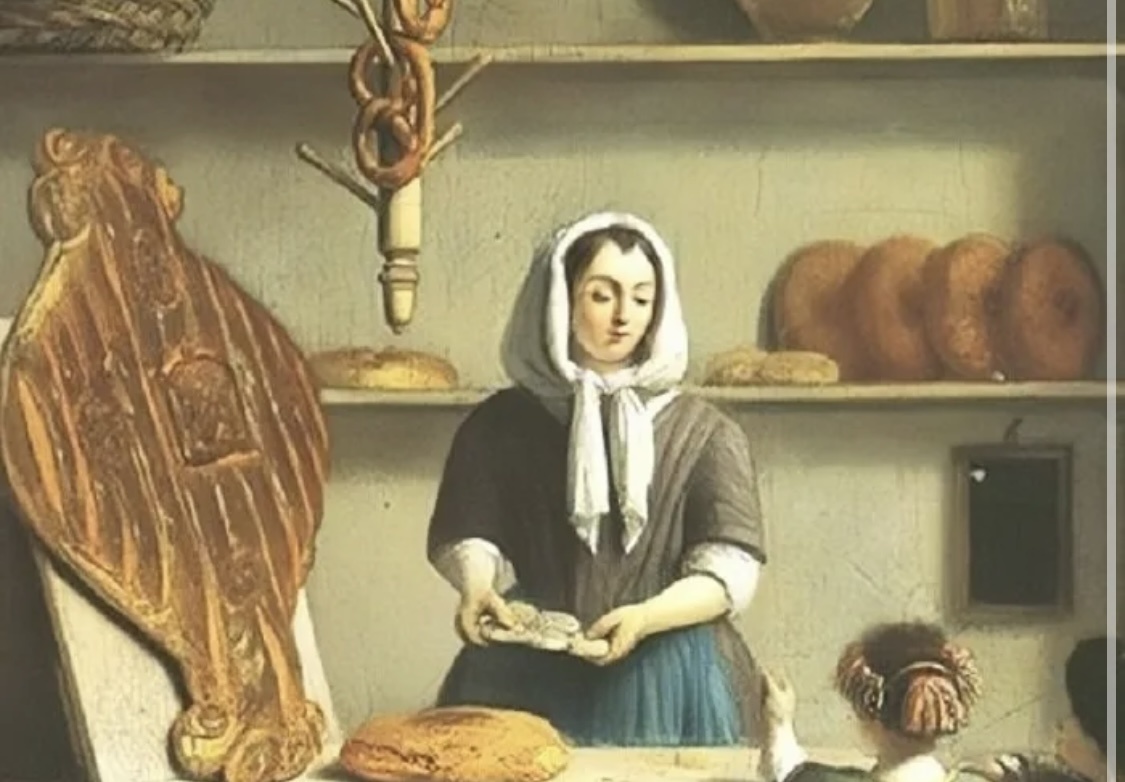
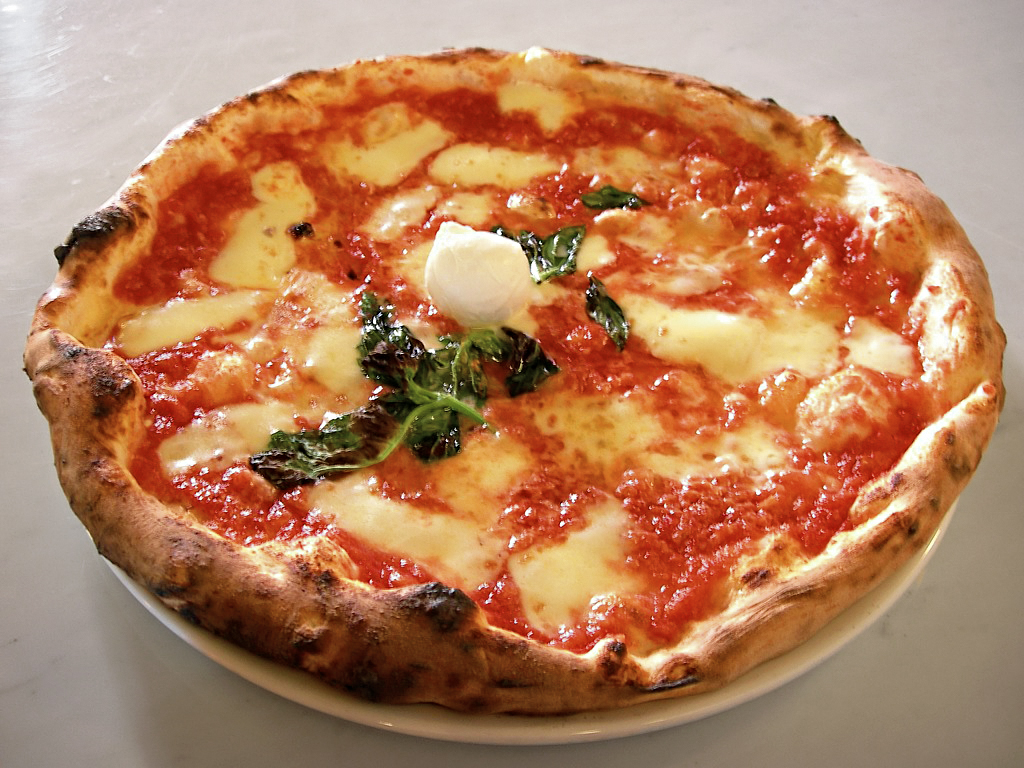
The famous Pizza Margherita -- topped with tomato, mozzarella, and basil to represent the colors of the Italian flag -- was supposedly created in 1889 for Queen Margherita of Savoy. This is likely more legend than history, but it illustrates pizza's gradual climb from street food to something approaching respectability.
The American Transformation
The real pizza revolution happened not in Italy, but in America. Italian emigration waves in the late 19th and early 20th centuries brought pizza to New York's Italian immigrant communities. The initial American perception was harsh: pizza was seen as "disgusting food of dangerous Catholic immigrants."
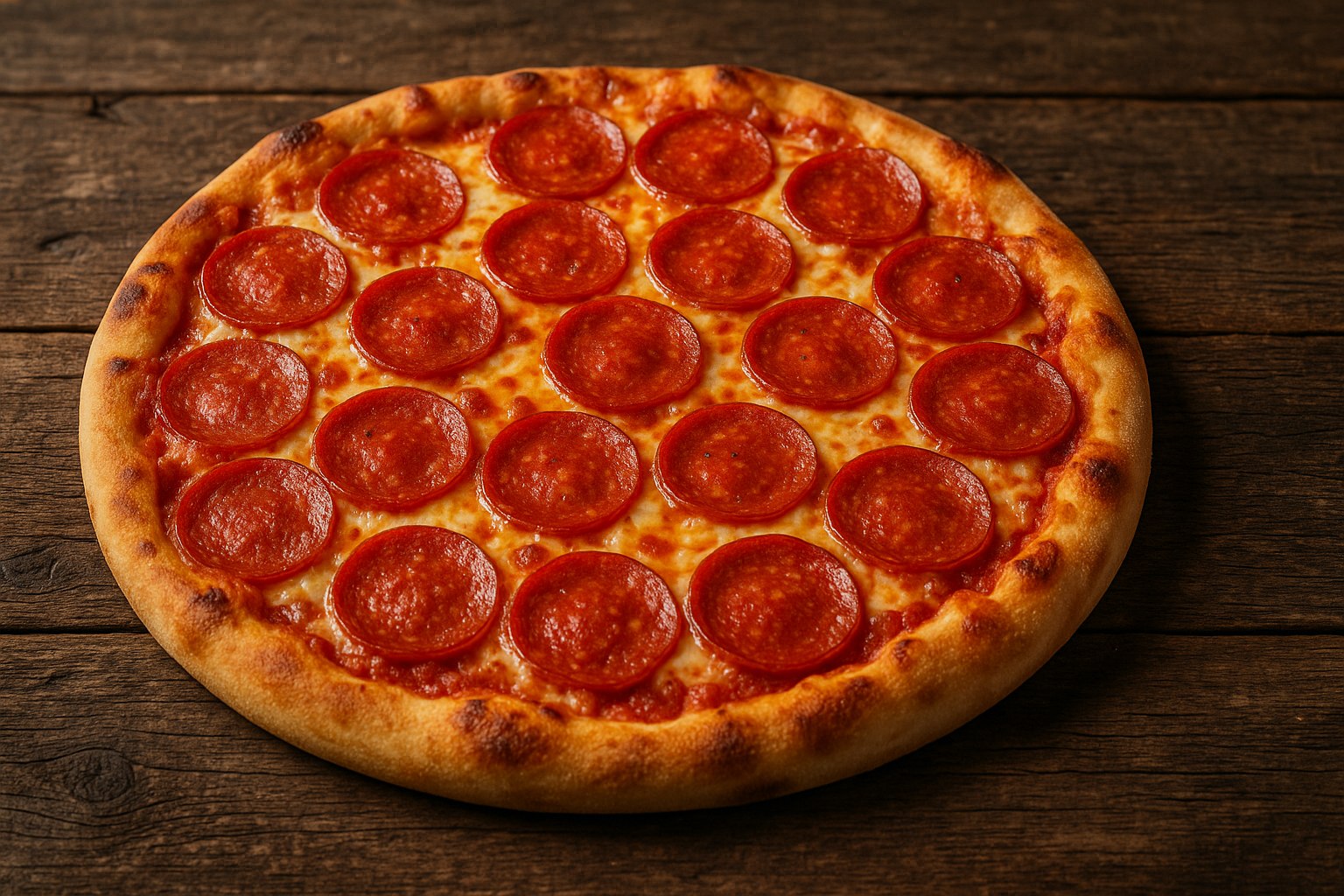
But as immigrant communities prospered, pizza quality improved and its appeal broadened. A critical innovation came in 1919 with the creation of pepperoni pizza in New York City -- not in Naples, as many assume. Pepperoni itself is an American invention, a spicy salami variant that doesn't exist in traditional Italian cuisine.
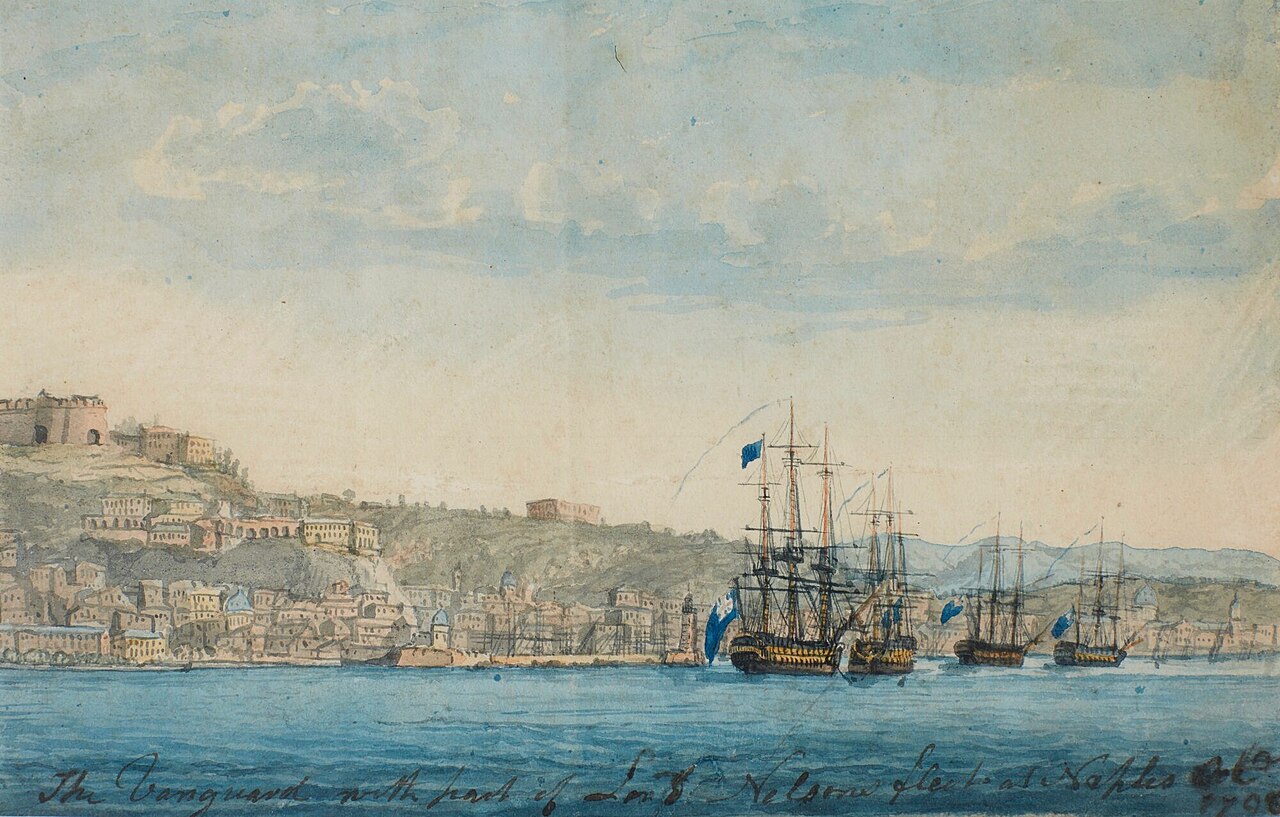
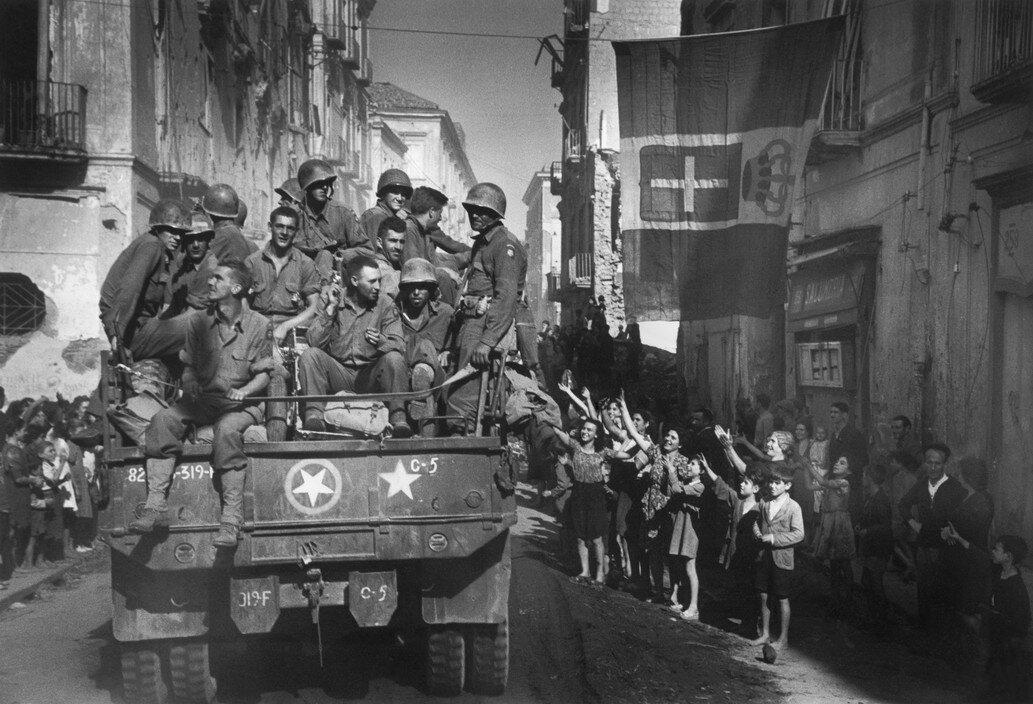
The Great Depression of the 1930s paradoxically helped pizza's cause. As a cheap, filling, and satisfying meal, it attracted customers far beyond Italian-American communities. During World War II, American soldiers stationed in Naples developed a taste for pizza, and when they returned home, they brought their appetite with them.
By the 1950s, pizza had conquered American food culture across all demographics. It was no longer "ethnic food" -- it was simply American food.
Global Expansion
The final phase of pizza's world conquest came through the American franchise model. Domino's, founded in 1960, pioneered the home delivery model that would be copied worldwide. Pizza Hut, Little Caesars, and countless other chains spread pizza to every corner of the globe.
Each country adapted pizza to local tastes: Japan added mayonnaise and squid, India created paneer tikka pizza, Brazil piled on corn and catupiry cheese. The dish proved infinitely adaptable.
The Pizza Effect
Perhaps the most fascinating aspect of this story is what scholars call the "pizza effect" -- how American innovations subsequently influenced Naples itself. Modern "traditional" Neapolitan pizza is largely a retroactive marketing construct, shaped as much by American expectations as by genuine historical practice.
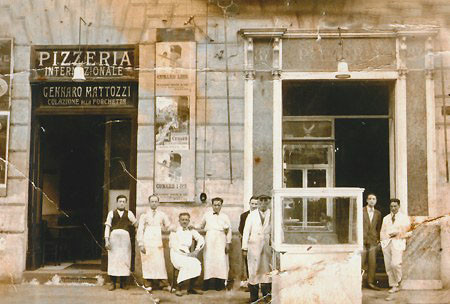
Most Italians outside Naples and Rome actually view pizza as "tourist food," preferring pasta as their daily staple. The iconic pepperoni pizza -- arguably the most stereotypical pizza globally -- originated in New York, not Italy. Neapolitans only encountered it in the 1940s when American servicemen requested it.
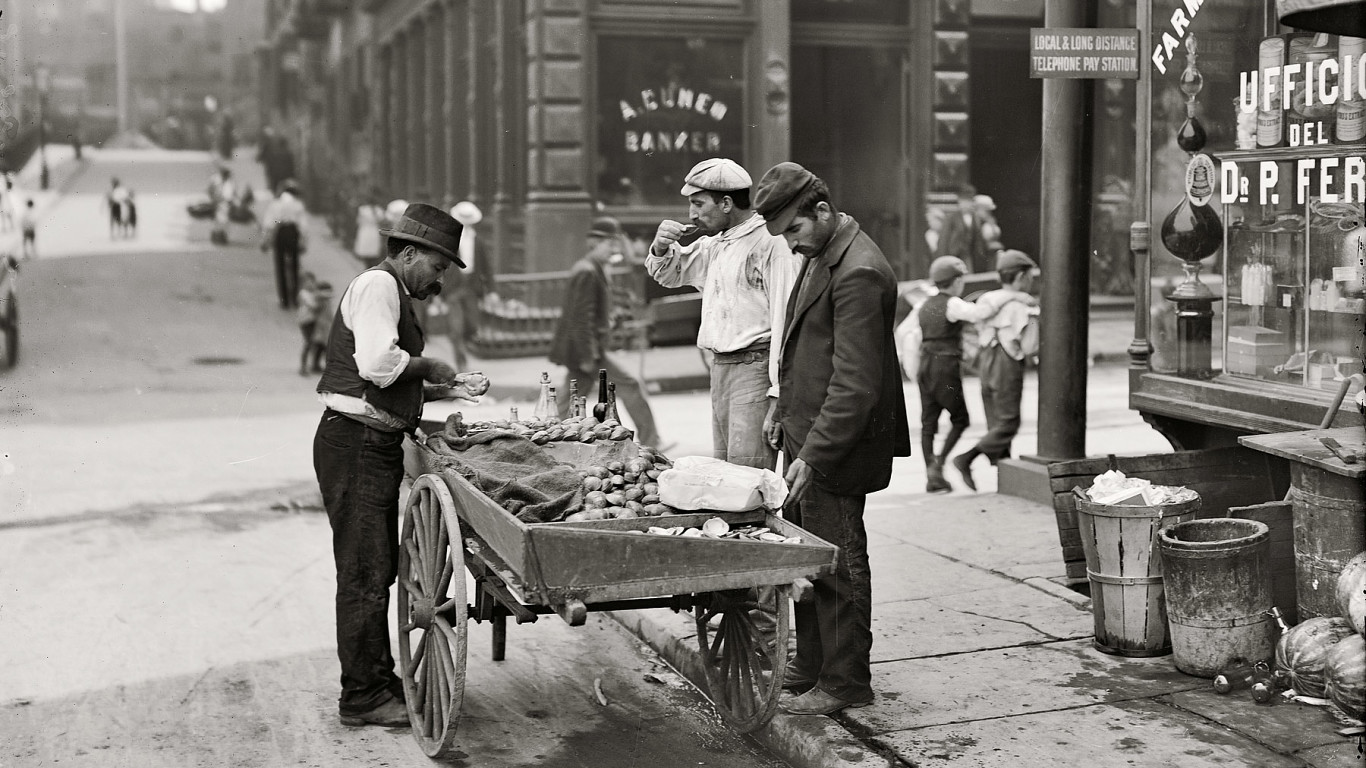
The modern pizza industry generates hundreds of billions of dollars annually. In the United States alone, Americans consume approximately 3 billion pizzas per year. What began as a desperate survival food for Naples' poorest residents has become, without exaggeration, one of humanity's most successful culinary creations.
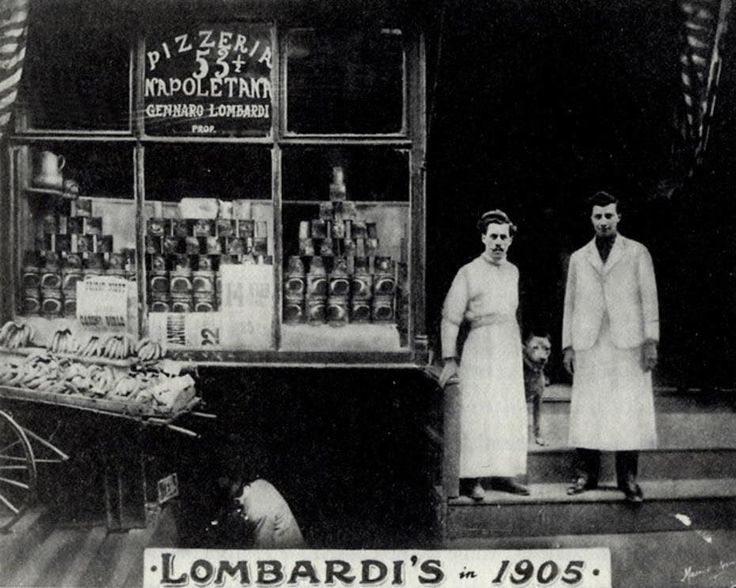

And the next time someone tells you that pizza is Italian, you can tell them the truth: pizza is Neapolitan, American, and ultimately -- universal.


FAQ
What is this article about in one sentence?
This article explains the core idea in practical terms and focuses on what you can apply in real work.
Who is this article for?
It is written for engineers, technical leaders, and curious readers who want a clear, implementation-focused explanation.
What should I read next?
Use the related articles below to continue with closely connected topics and concrete examples.