You Won't Be Playing This: Game Worlds You Can No Longer Enter
A deep dive into legendary video games that have been lost forever — from The Matrix Online and P.T. to Star Wars: Galaxies and Marvel Heroes — exploring why games disappear and whether they can be saved.
The Matrix Online — A Simulation That Died
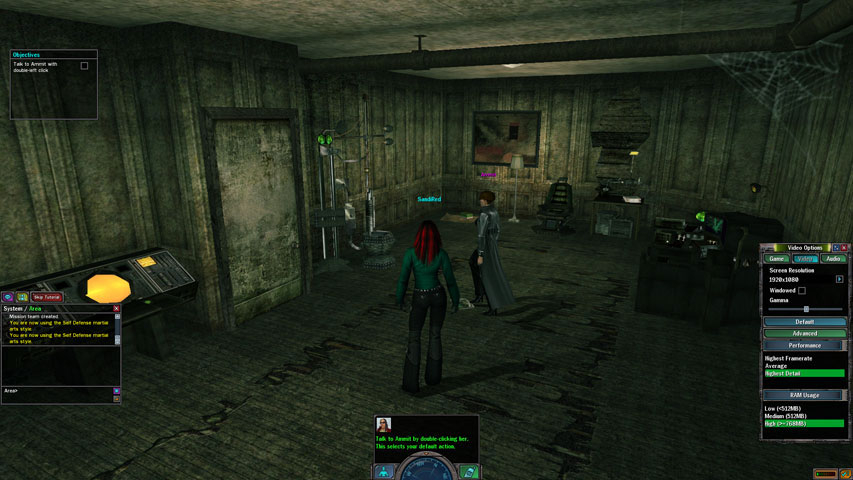
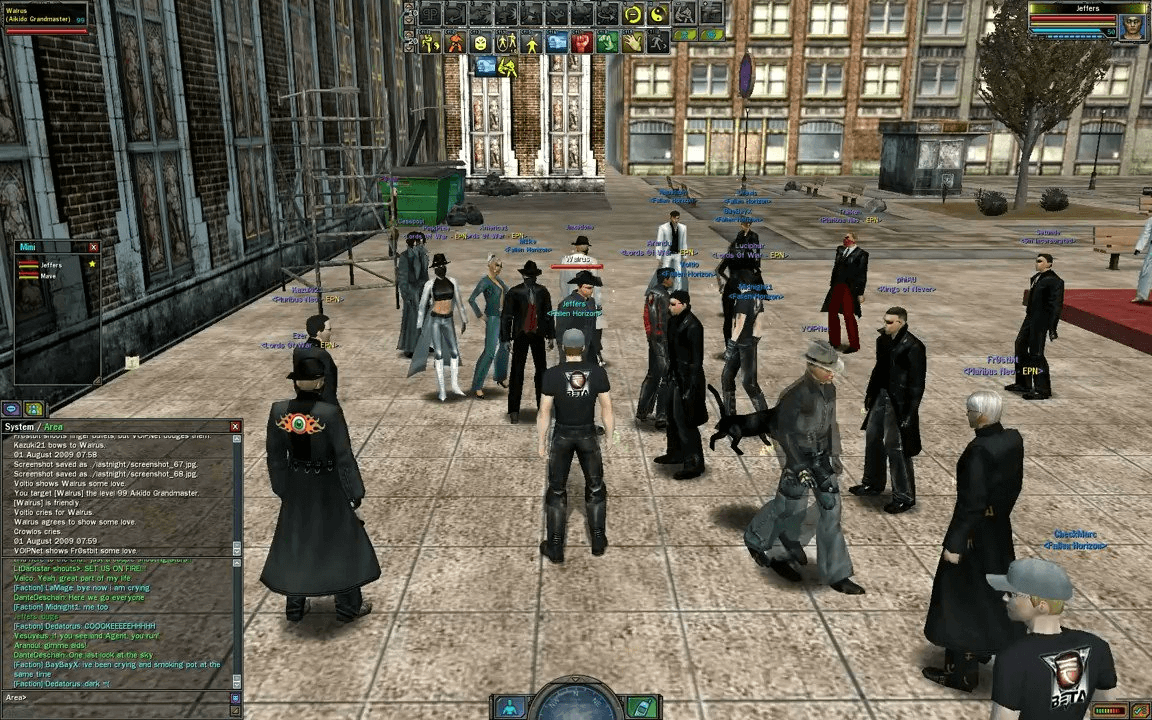
This MMORPG launched in 2005 as an ambitious continuation of the film saga. Players completed missions, joined factions, and influenced the evolving storyline. In 2009, servers were shut down due to unprofitability. The developers used a symbolic finale — all characters collapsed as victims of a system error. The source code is unavailable, the server code is lost. "An entire world where its own lore was developing has vanished" — all that remains of the game are fan-made videos and chronicles.
P.T. — A Demo That Became a Legend
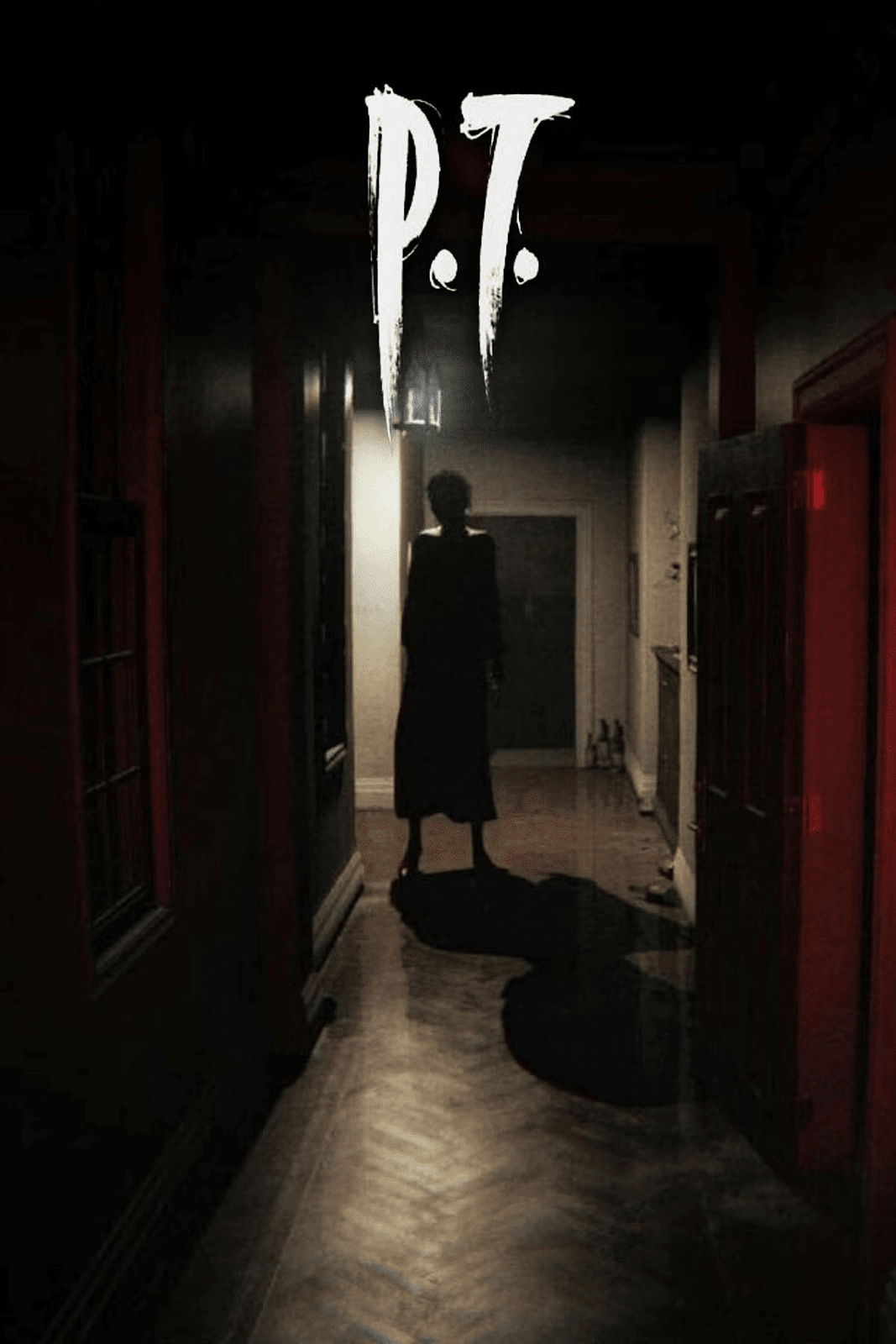
This was a playable teaser for Silent Hills by Hideo Kojima. Released on PS4 in 2014, it was removed in 2015 after the project's cancellation and a conflict between the developer and publisher. The unsettling atmosphere of a looping corridor and the ghost Lisa created its cult status. Downloading it is impossible — even console owners who had it installed lose access after updates.
Star Wars: Galaxies (2003–2011)
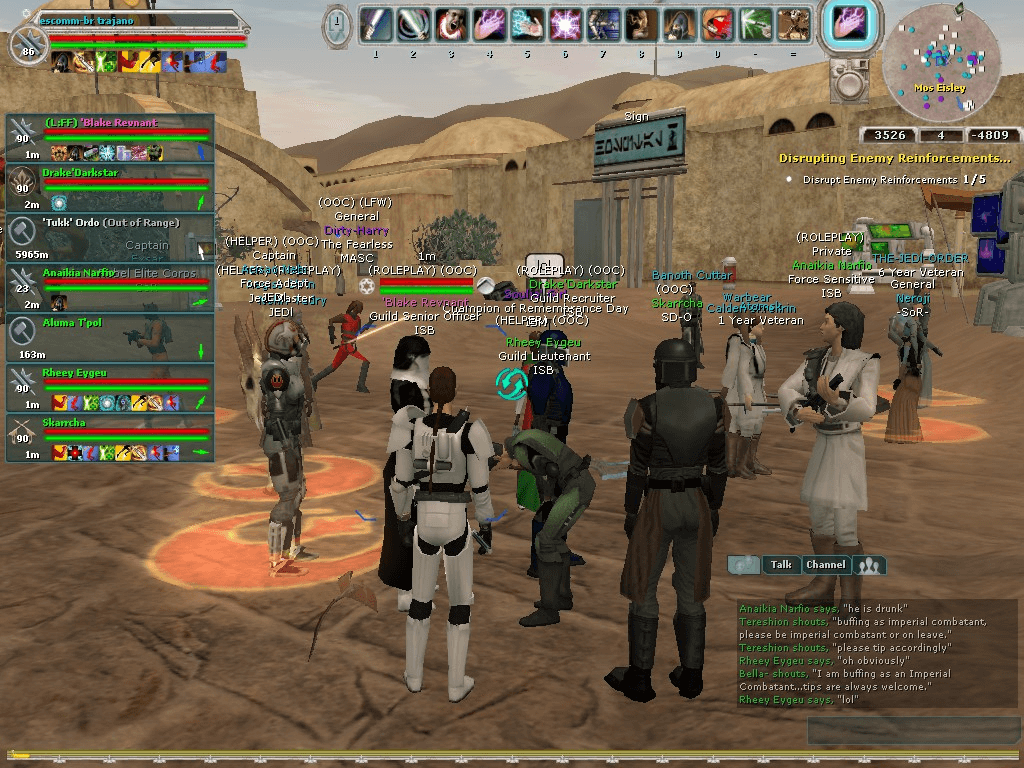
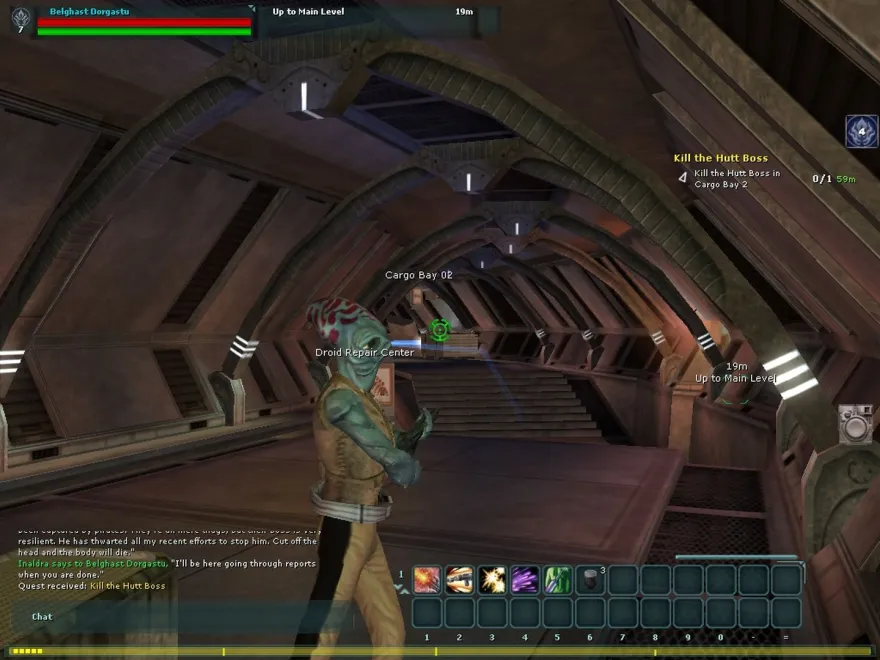
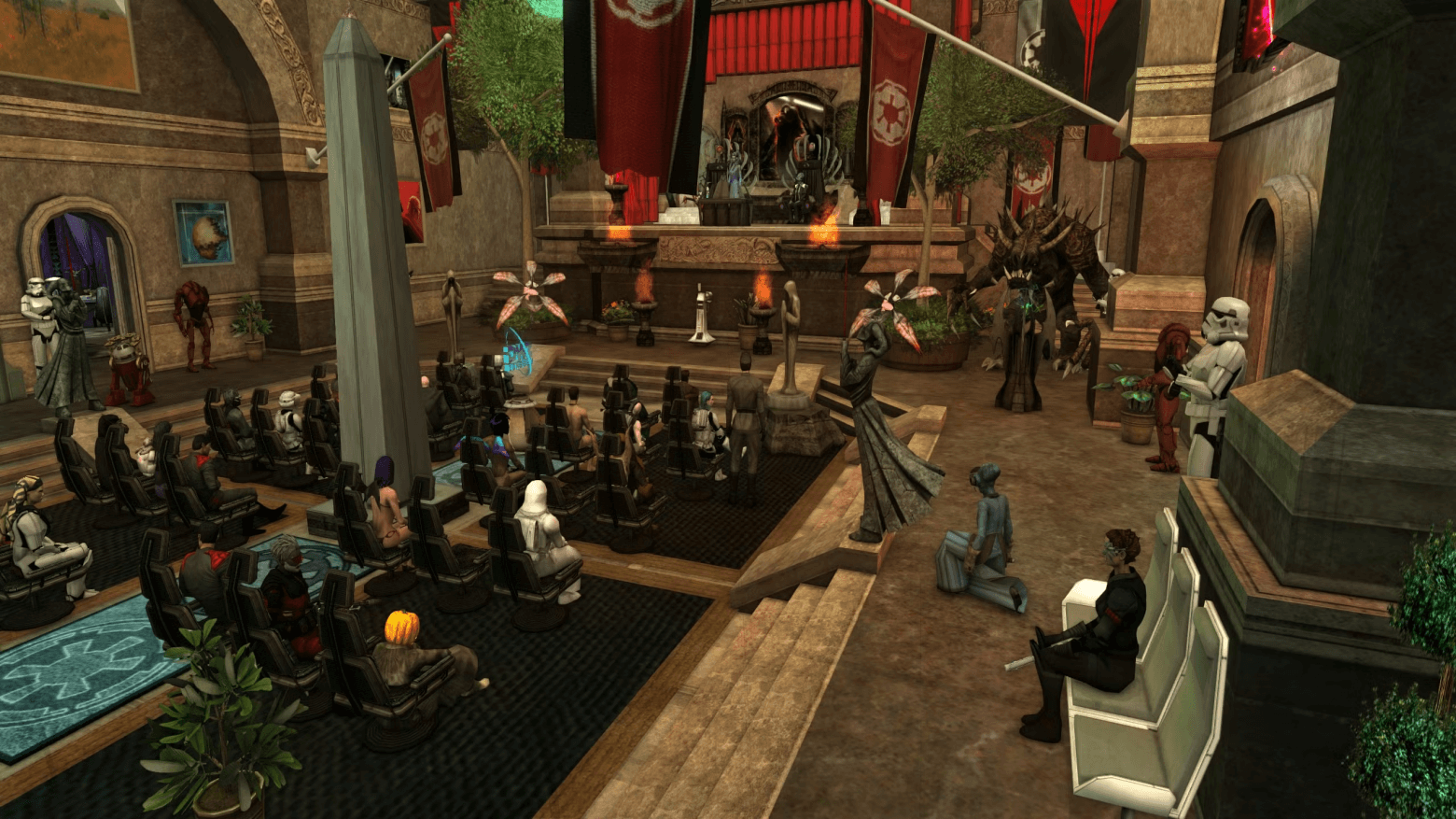
This deep MMO from Sony Online Entertainment let you become anyone — a musician, farmer, or smuggler instead of the traditional hero. A complex economy and social interaction created a unique experience. The key mechanic: becoming a Jedi wasn't a class, but a secret, complex goal that required discovering combinations of professions.
The 2005 update (NGE) destroyed the depth: flat classes were introduced, professions removed, and the game was remade to resemble WoW. Players called it a betrayal. The 2011 shutdown was caused by the license expiring and the release of The Old Republic. Emulators like SWGEmu exist, but the original world is irretrievably lost.
Darkspore (2011–2016)
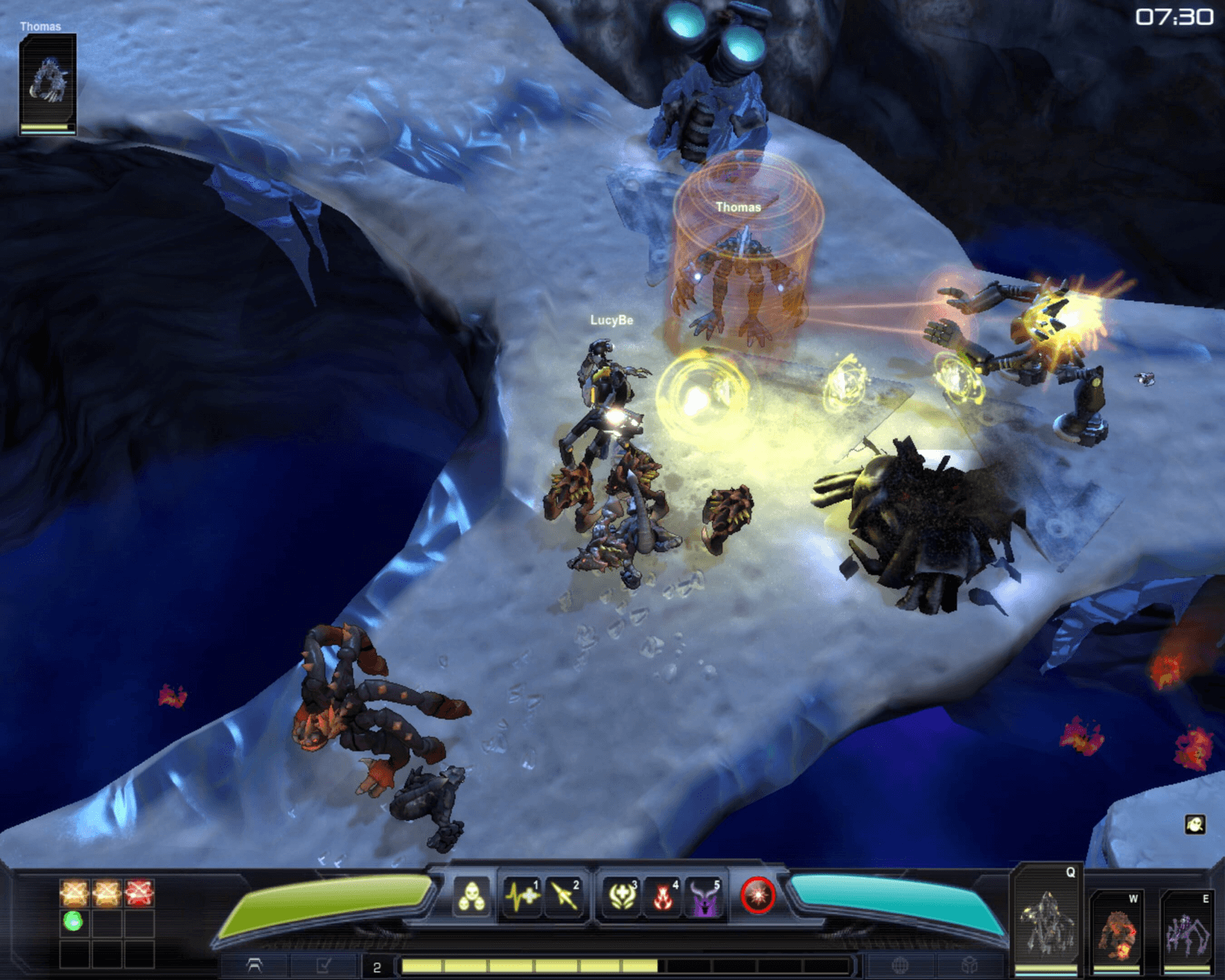
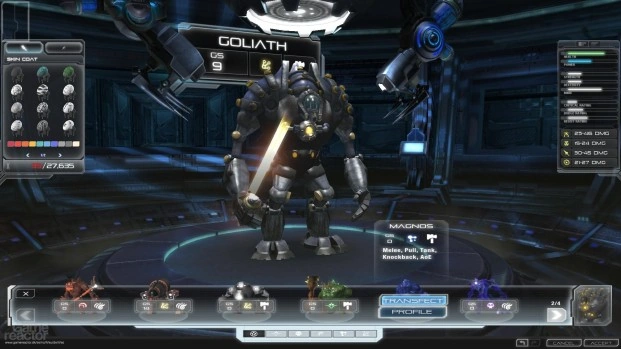
An example of a game killed by its dependency on an online connection. The combat mechanics resembled Diablo with an emphasis on genetic modification of heroes. The game mixed Diablo-like gameplay, Spore-style customization, co-op, and PvP.
EA didn't just remove the game from sale — even single-player mode stopped working without a connection to the server. This was one of the first high-profile examples of DRM dependency, where purchased content completely vanished.
Active Worlds and the Sandboxes of the Past
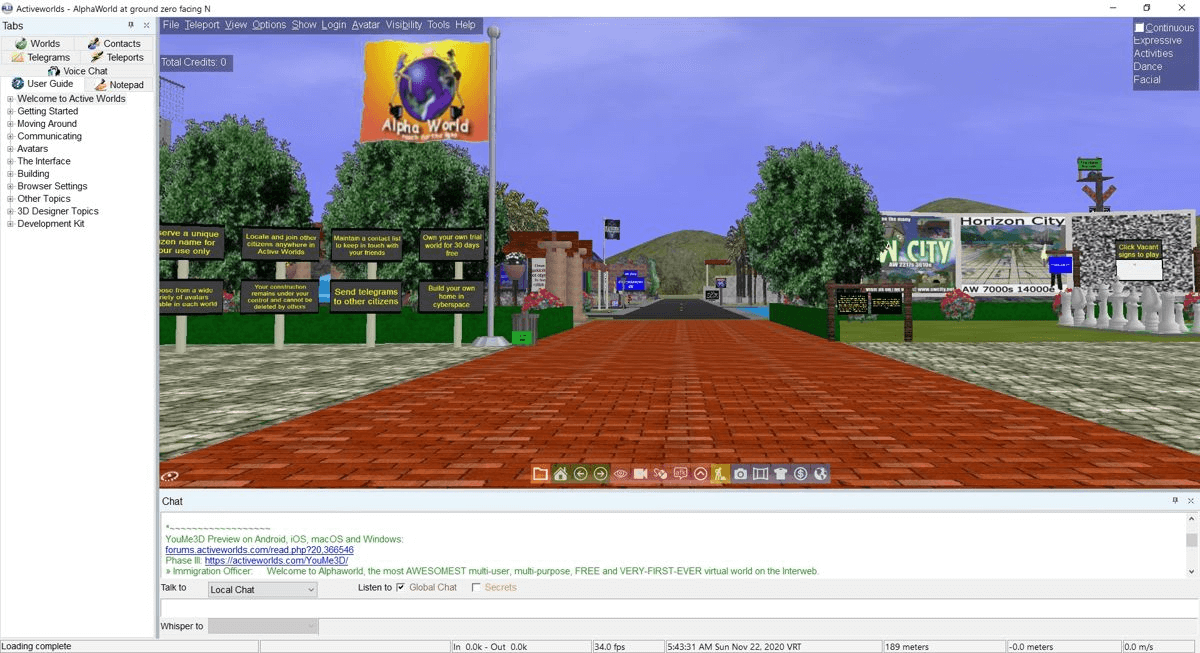
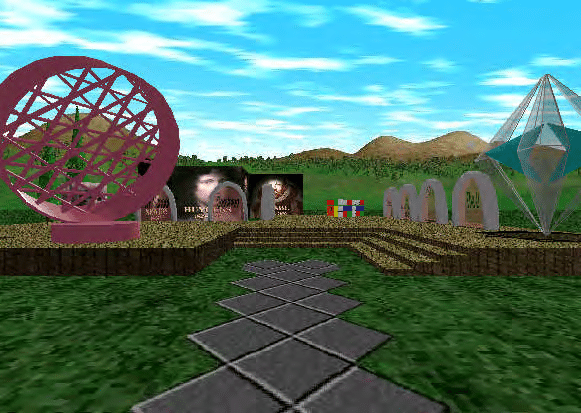
Before Second Life and Roblox, there were user-generated content platforms (from 1995 onward) where players built block-based objects, flew around, and socialized. Many created exhibitions, concerts, and RP cities. The concept was ahead of its technology — low framerates and instability hindered development.
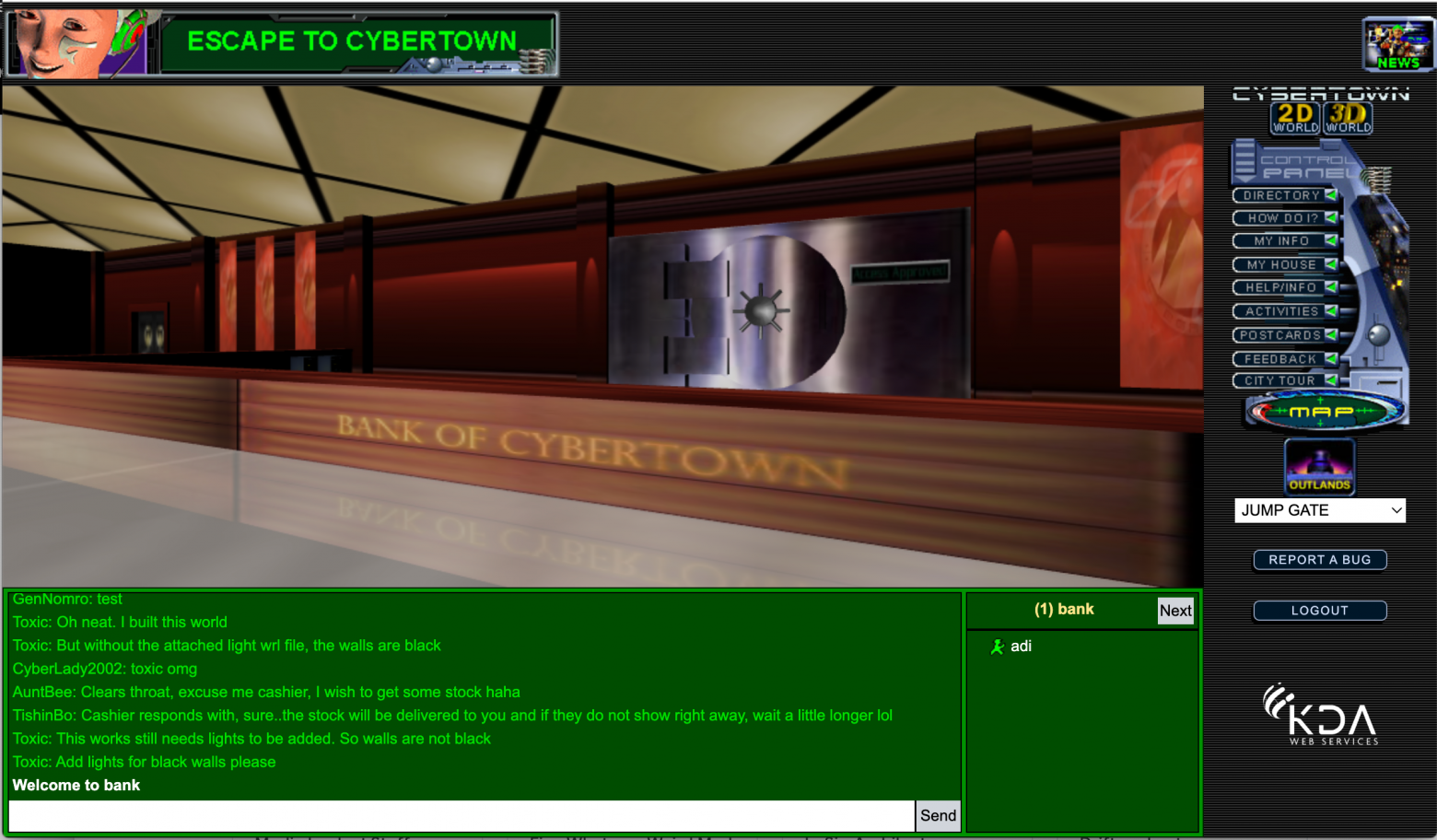
Blaxxun Interactive / Cybertown (1996–2003) attempted to create a browser-based 3D city with citizenship, official positions, and political elections. It disappeared due to the obsolescence of VRML standards and financial problems.
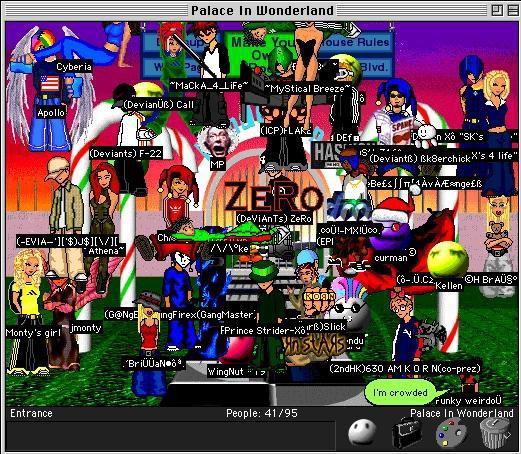
The Palace (1995–2000) was a popular graphical chat service with custom avatars and rooms. Dreamscape was one of the most famous worlds, used by theaters and fan communities.
These projects were social experiments and digital communities where people lived other lives — proof that metaverse ideas existed long before modern attempts.

The Movies — A Film Studio That Shot Its Last Scene
Developed by Lionhead Studios under the direction of Peter Molyneux. The player built a studio lot, hired actors, wrote scripts, and created short films. It was one of the first games with a built-in video editor, a decade before YouTube.
The game is no longer sold on Steam or by publisher Activision. It requires workarounds for Windows 10/11. The film-sharing servers have been shut down. Nobody has created a worthy analog — the closest attempts (Moviehouse) turned out to be more primitive.
The Movies: Stunts & Effects (2006)
This expansion added stunts and special effects, expanding creative possibilities. Finding it separately is nearly impossible — one of the most inaccessible expansions to an already vanished game.
Sub Culture (1997)
An underappreciated gem of late-90s PC gaming. The player controlled a miniature submarine in a world of sunken bottles, microscopic civilizations, and debris. The concept resembled Elite: Dangerous underwater — free travel, trading between factions, influencing the political map.
The fully 3D world used the Criterion engine (later creators of Burnout). The game proved too complex for a broad audience: little action, lots of exploration. Too unusual a concept for 1997. It was never re-released on Steam or GOG. Emulation through DOSBox requires significant workarounds.
Project Nomads (2002)
A mix of RTS, arcade, and flying island simulator. The player built and defended a wandering flying base. One of the most striking projects of the early 2000s, ahead of its time both visually and conceptually.
Impossible to run on modern systems. Officially unavailable for purchase, information is fragmented. The little-known publisher CDV couldn't handle the marketing. Complex controls and genre-mixing scared off players. Its release coincided with Morrowind, Battlefield 1942, and GTA: Vice City.
Marvel Heroes (2013–2017)
A fan's dream — Diablo-like gameplay with over 100 playable Marvel characters. Co-op for 30+ players, on-the-fly hero switching, unique mechanics.
In November 2017, Disney terminated the contract with publisher Gazillion (which faced harassment allegations). The project was instantly shut down without a farewell event. All purchases vanished. The client no longer launches, servers have been destroyed. Even PSN and Xbox Live completely removed the game. One of the first high-profile cases of paid digital content disappearing.
Trespasser: Jurassic Park (1998)
An experimental shooter with revolutionary physics and an open world. The player controls a woman named Anne who has crashed on Isla Sorna. Voiced by Minnie Driver, with commentary by Richard Attenborough.
A $7 million budget and three years of development. The engine was revolutionary but raw — collisions broke, objects flew away. The physics were novel but hindered gameplay (you had to grab a pistol with your hand). Dinosaur behavior was unstable. Huge levels caused FPS drops on 1998 PCs.
It was never re-released. ISO images can be found in archives. Windows 10/11 compatibility requires fan patches. In the 2000s and 2010s, it gained cult status.
Why Do Games Disappear?
- Licenses (music, brands, actors) expire, making sales impossible
- Servers require costs and are shut down to save money
- DRM protection blocks launching without authorization on a dead server
- Software is incompatible with modern hardware and operating systems
- Digital copies depend on the publisher's will and disappear without warning
The difference between games and books or films: games require execution, they are interactive, and cannot be passively preserved.
Can Lost Games Be Saved?
Fans and enthusiasts create emulators, decrypt codes, and recreate worlds. Internet archives, Digital Eclipse, fan servers (SWGEmu) — these are the only barriers against oblivion. The "Stop Killing Games" initiative calls on publishers to preserve games even when support ends.
What's needed is a digital museum of games and institutions that preserve not just images, but experiences. Every server that shuts down is the loss of a virtual world.
All the games described were proto-forms of future hits — either born too early, released at the wrong time, or denied support. They are "underdeveloped branches of the industry's evolution, alternative paths that were cut short."
FAQ
What is this article about in one sentence?
This article explains the core idea in practical terms and focuses on what you can apply in real work.
Who is this article for?
It is written for engineers, technical leaders, and curious readers who want a clear, implementation-focused explanation.
What should I read next?
Use the related articles below to continue with closely connected topics and concrete examples.