ICN Holding: The Cringiest Financial Pyramid Scheme in the World
A financial analyst investigates ICN Holding, an investment firm claiming 23x returns over 20 years, revealing a web of offshore opacity, unverified performance claims, and client accounts that actually lost money while the S&P 500 surged 158%.
Hundreds of people from Russia invested a combined total of over $30,000,000 into this "ultra-reliable American investment company." Let's take a closer look at what ICN Holding actually is.
The Incredible Performance Claims
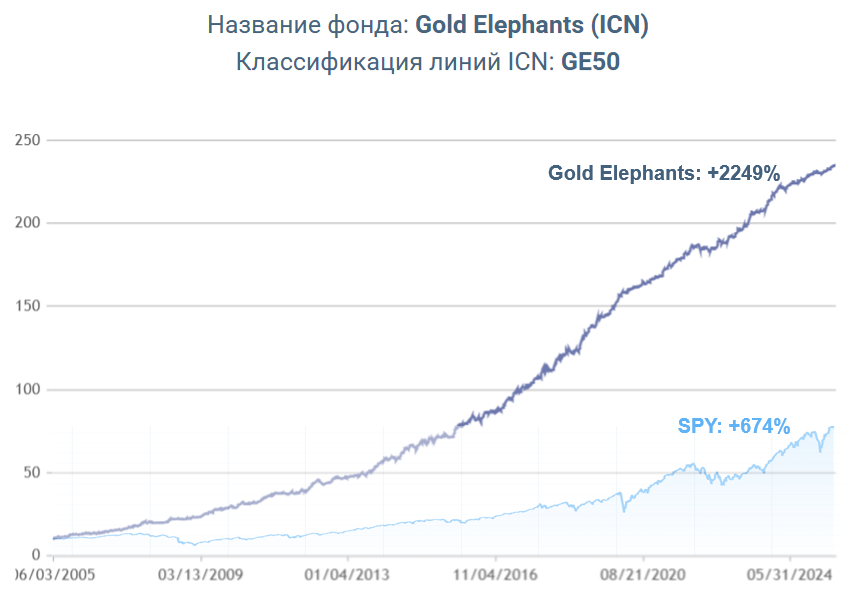
ICN Holding advertises strategies with names like "Golden Elephants" and "Silver Arrow." Their flagship "Golden Elephants" strategy supposedly achieved 23x growth over 20 years — 16.9% annually — compared to the S&P 500's 7.7x growth (10.7% annually). The most remarkable part? Virtually zero drawdowns through every major crisis: the 2008 financial meltdown, the 2020 COVID crash, and the 2022 market decline.
These returns would make ICN one of the greatest investment firms in history — outperforming most hedge funds on the planet. Yet somehow, almost nobody outside the Russian-speaking world has heard of them.
How the Investment Structure Works
The mechanism is peculiar. Clients open personal brokerage accounts at Interactive Brokers and grant ICN management authority. ICN then claims to use these accounts as collateral to take margin loans, which fund their "integral investment lines" — the strategies with the flashy names.
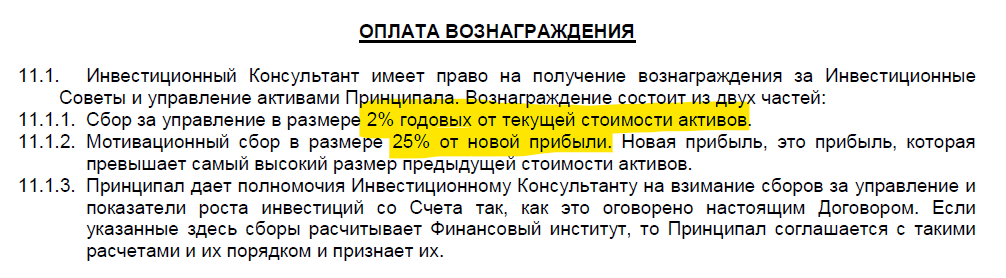
The fee structure is steep: 2% of account value per year, plus an additional 25% of all profits earned. This substantially exceeds what most legitimate hedge funds charge.
The Offshore Labyrinth
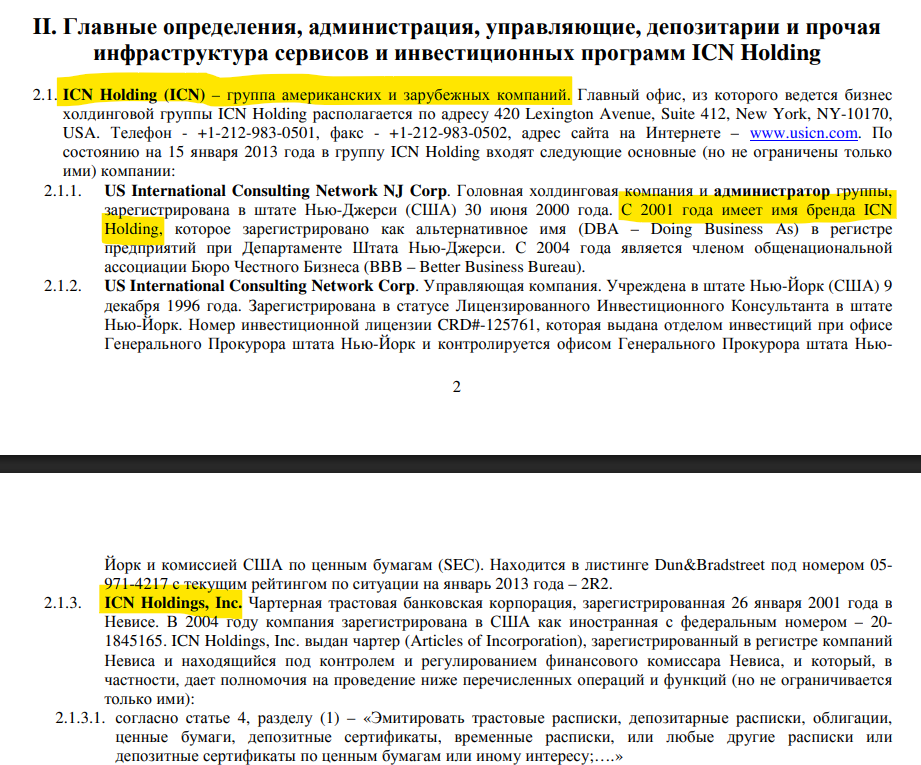
Here's where it gets interesting. ICN Holding has SEC registration in the United States, but the actual investment entity — ICN Holdings (note the extra 's') — operates out of Saint Kitts and Nevis, a Caribbean island nation beyond SEC jurisdiction. The parent company maintains its SEC license, but the actual investment vehicles remain unregulated and unaudited.
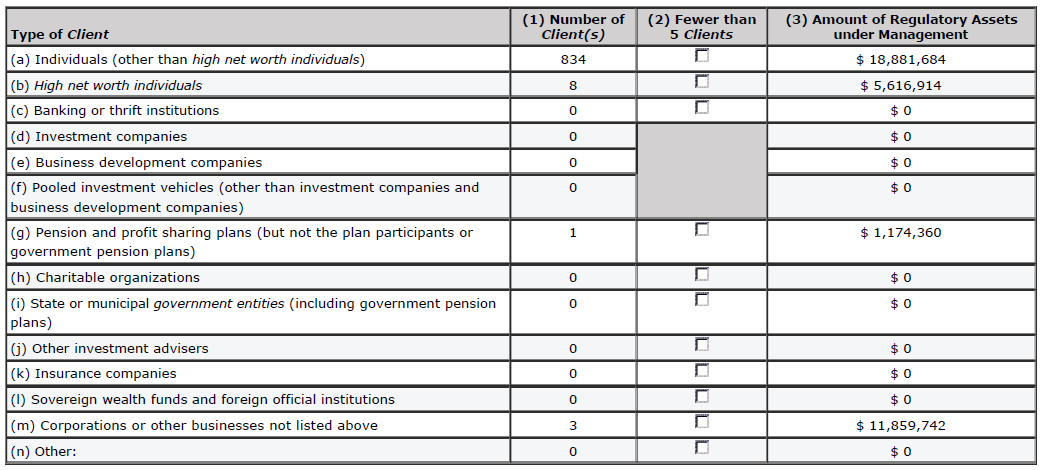
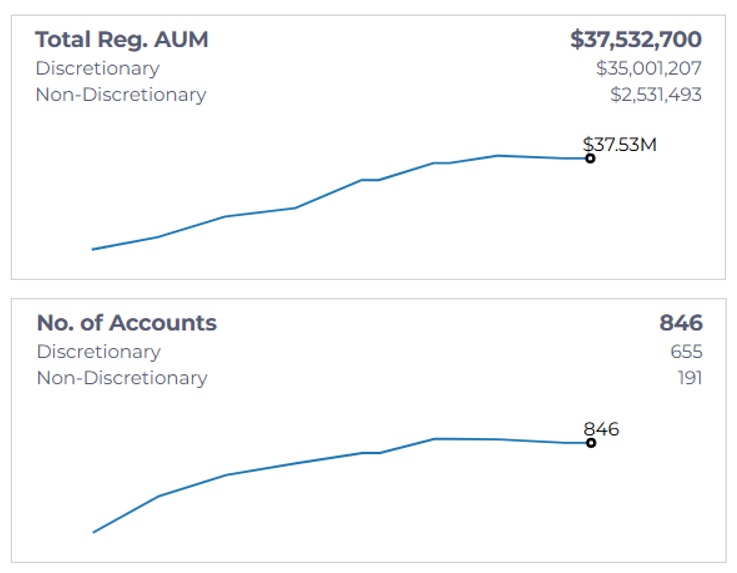
The SEC filings reveal telling numbers: only 846 clients are disclosed despite claims of 81,000 accounts. Only $37 million in managed assets appear in regulatory filings, though ICN claims $127 million under management — with $90 million in "direct investments" routed elsewhere.
What Clients Actually Get

Analysis of one client's — let's call him Mikhail — actual Interactive Brokers statements painted a very different picture from the marketing materials:
- 2019: -5.3% return while the S&P 500 gained 30%
- Subsequent years: chaotic trading in speculative securities
- 40% of capital left sitting uninvested in cash, earning minimal returns
- Six-year cumulative result: a loss of 7% versus the S&P 500's +158% gain
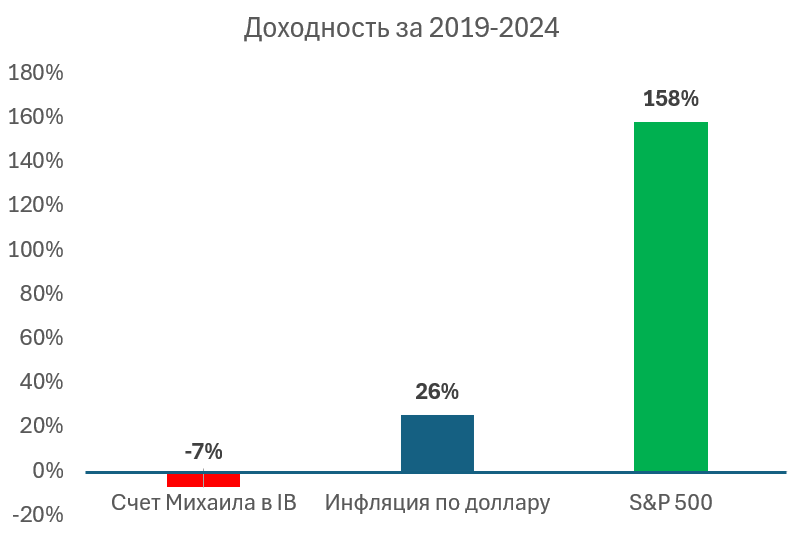
The discrepancy between the claimed "integral account" returns and actual brokerage performance remains entirely unexplained.
The Margin Loan Paradox

ICN's founder Kokorin stated the company borrows at 3.9% annually — a rate lower than U.S. Treasury yields (4.3%) at the time. This arrangement theoretically shields clients from losses while concentrating all downside risk on ICN. For any legitimate firm, this would be economically irrational — why take all the risk and give clients most of the upside?

Documentation and Transparency Problems

No audited financial statements verify the claimed returns. Clients receive only internal reports generated by ICN itself regarding offshore account performance. There is no independent verification from any third party.
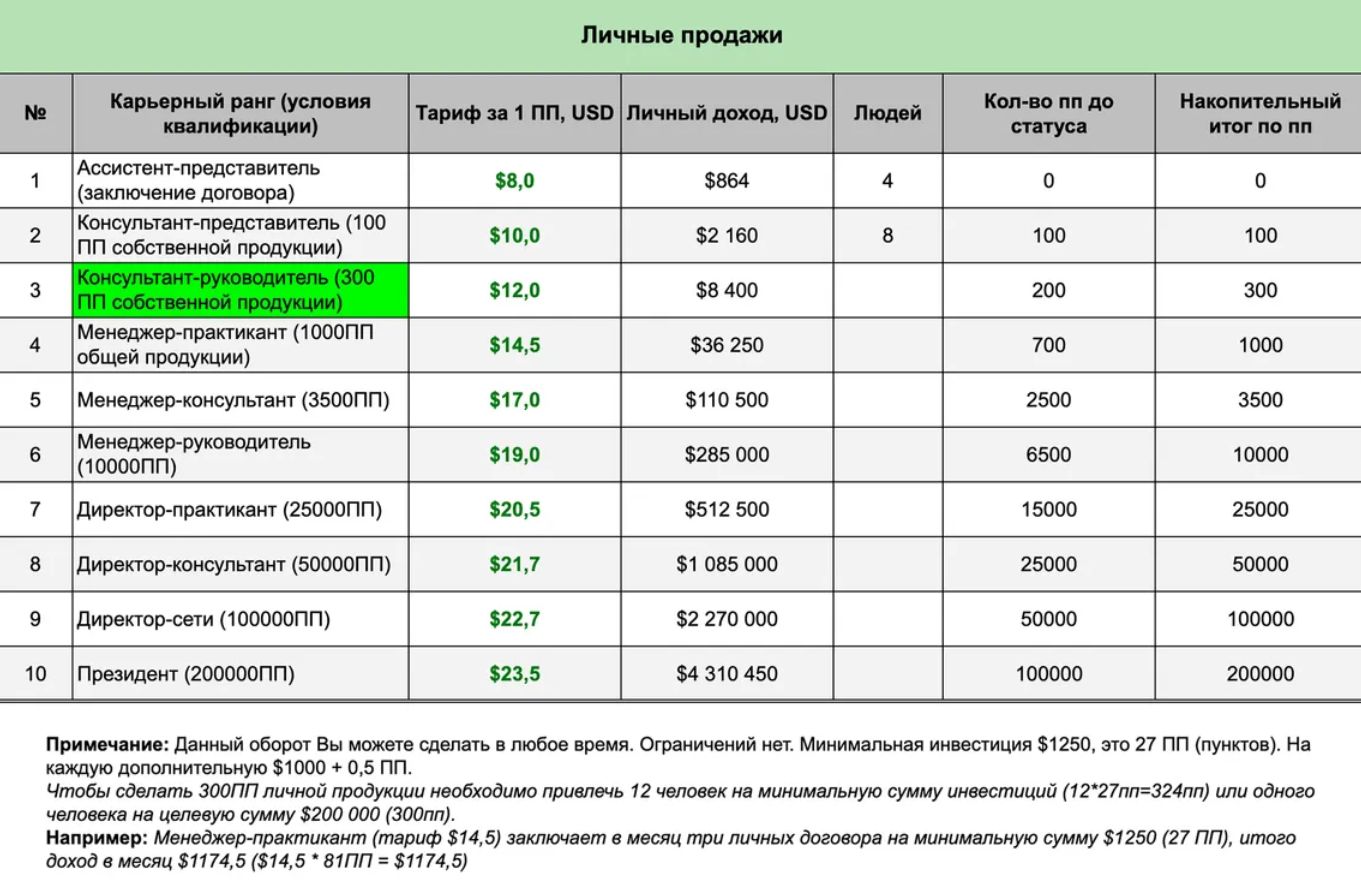
ICN explicitly rejects U.S. citizen clients — despite being registered in the United States. This eliminates the most stringent regulatory oversight.
The Cringe Factor
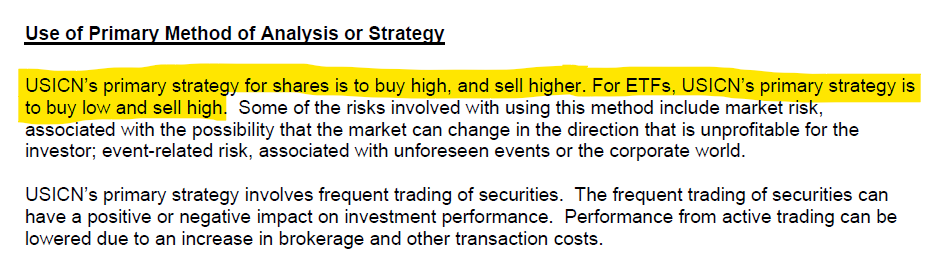
The firm's marketing is remarkably unprofessional. Numerous spelling errors fill their materials. Daily lengthy YouTube videos have low production value. The entire public-facing operation has the appearance of an amateur endeavor rather than a firm managing over $100 million.
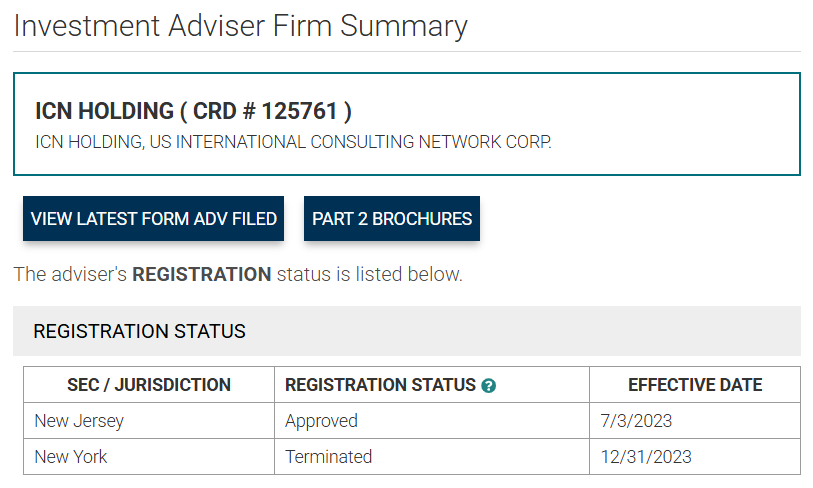
One financial consultant promoted by ICN previously faced bankruptcy court proceedings for mishandling over $30 million in client funds. The company's "consultant" network receives direct payments for client recruitment, creating obvious conflicts of interest — a structure reminiscent of multi-level marketing.
The Founder's Response

When confronted with criticism, the founder cites aggregate payout figures — without any independent verification. This exemplifies the fundamental problem: every single claim rests entirely on ICN's own unverified assertions.
Conclusion

Without independent verification, audited statements, or transparent operations, ICN Holding exhibits multiple characteristics consistent with Ponzi-scheme structures. The unrealistic returns, offshore opacity, MLM-style recruitment, absence of auditing, and the glaring gap between claimed and actual performance all point in the same direction.
Technically, funds remain accessible in clients' Interactive Brokers accounts, which distinguishes this from a classic pyramid where money simply disappears. But the pattern of deception — promising extraordinary returns while delivering losses, wrapping everything in unverifiable offshore structures — makes this perhaps the most cringeworthy financial scheme the Russian-speaking internet has encountered.