Iconic Programs of the 2000s: Where Did Winamp, ICQ, Nero and Our Other Favorites Disappear?
A nostalgic look at the iconic software that defined the 2000s computing era — from Winamp and ICQ to Nero Burning ROM and Total Commander — exploring why each rose to dominance and ultimately faded away.
Try to remember what was on your desktop 20-25 years ago. Most of those programs you probably don't even recall anymore, let alone continue using. Over these years, not only our personal preferences changed, but also our work scenarios. It's therefore interesting to recall applications that once formed the foundation of the Windows software ecosystem.
What Happened to Winamp

Winamp was one of the most popular programs of the late '90s. It stood on nearly every second computer. Would have been on every first one, but there were simply more office PCs than home ones back then.
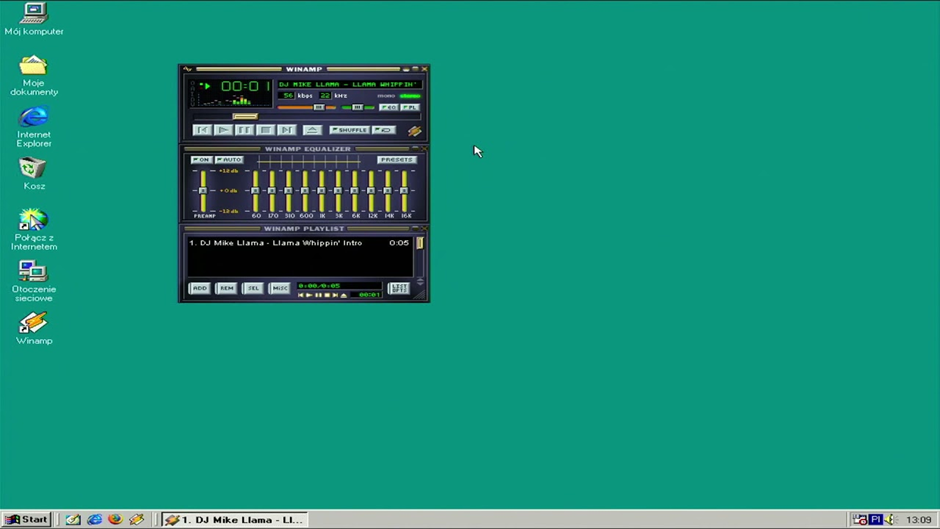
This was despite Windows already having a built-in Media Player. It just worked poorly, wasn't particularly convenient, and functionally left much to be desired. Then appeared a 10MB utility that not only didn't slow things down but offered tons of settings: skins, equalizer, visualization. Remember MilkDrop? You could turn on a computer just for that.
But Winamp's main feature was modularity. The program supported plugins, and people wrote them by the dozens, often on pure enthusiasm, yet they created real masterpieces:
- DFX boosted bass so well that even cheap speakers sounded great.
- Shoutcast opened access to thousands of internet radio stations worldwide via dial-up at 33.6 Kbps.
- Crossfading created smooth transitions between tracks without pauses.
This sounds funny now, but seemed revolutionary then.
In 1999, AOL bought the project, marking the beginning of the end. The third version experiment failed. The program started lagging. People mass-reverted to version 2. When version 5 launched, it was already too late.
Around the same time, iPod emerged, and people started listening to music on portable players rather than PCs. Then streaming appeared, and Winamp development stopped in 2013. A year later, Radionomy bought the player and provided some updates, but ultimately closed it.
ICQ: The Messenger We Lost
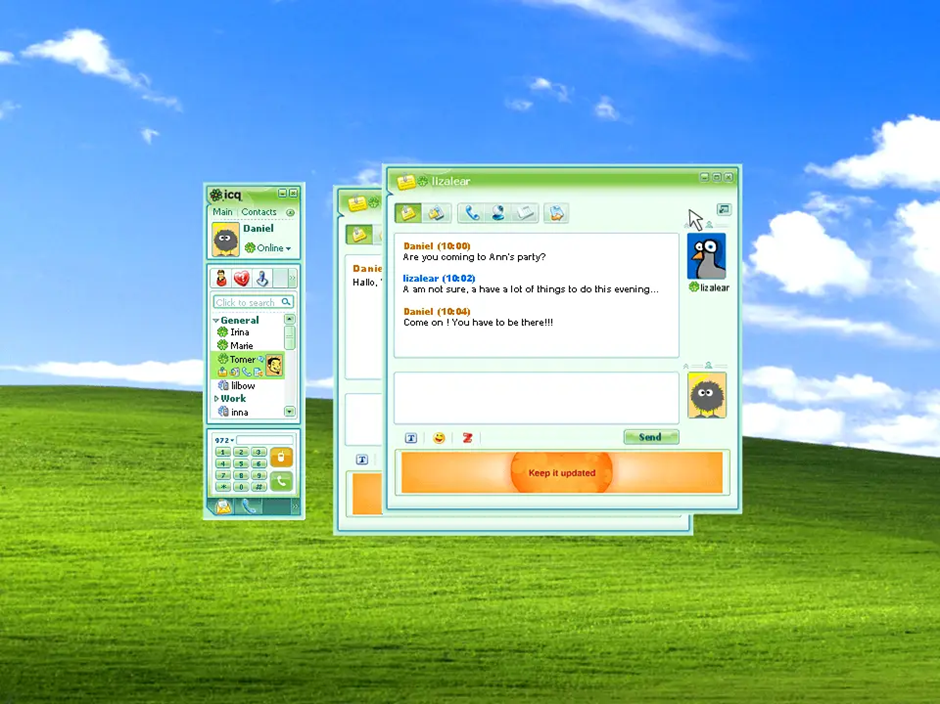
That "Oh-oh!" sound — used today for new order notifications at Russian fast food chains — still makes me shudder and remember ICQ.
ICQ appeared in 1996 but truly captured the Russian internet's attention in the early 2000s. It wasn't just a messenger — it was an entire subculture. When leaving contact information on forums or in email, people used UIN numbers rather than Telegram handles. Having a short number was particularly prestigious.
Five-digit numbers were most valued. Their price could reach several thousand dollars, and people actually bought them! It seemed then like a reasonable investment. Surely something so massive couldn't just disappear.
By 2005, ICQ had over 100 million registered users. Not WhatsApp's 2 billion, certainly, but still substantial. Especially since ICQ was initially designed for PC communication, not mobile.
Problems began when owners decided to monetize the user base. The official client bloated with ads — like Telegram today. Banners appeared everywhere, opening the door for QIP, created by an enthusiast from Kazan.
This became the most popular alternative ICQ client, working beautifully without advertising. By 2008, 34% of all Russian internet visitors used QIP — more than the official version. A homemade client outperformed a giant corporation's product. Simply because it was better.
Social networks and Skype ended ICQ — though initially this was completely non-obvious. People tired of anonymity and moved where they could see real people. ICQ tried catching up but failed. Later, messenger interest revived, but WhatsApp and Telegram captured the agenda.
Mail.ru, which bought ICQ in 2010, attempted several relaunches but ultimately closed it in 2024.
Nero Burning ROM: The Art of Burning Discs
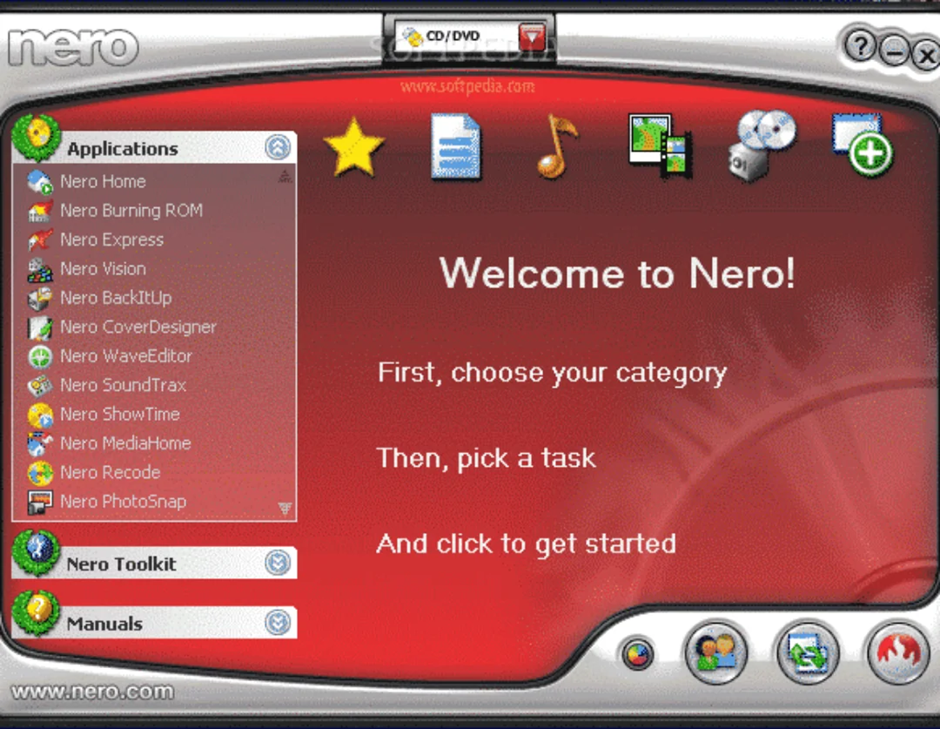
Modern youth can't understand why you'd record anything on DVD unless you're getting an MRI. But 20 years ago it was routine. Flash drives were expensive, carrying hard drives around was inconvenient. So films, music, software — everything was transferred to optical discs. Nero was the primary tool.
Its name contained clever irony: Emperor Nero supposedly burned Rome, while "burning" in English means both fire and disc recording. The program's icon featured a burning Colosseum. Cleverly done.
But the key was convenience and simplicity: select files, click a button, insert a disc, wait a few minutes. Done.
The program recorded audio CDs for car stereos, created disc images, and copied even protected discs. How many films we copied back then. Though I'm uncertain today whether those were licensed. Probably not. But it was incredibly convenient.
Then flash drives appeared. Eventually they became cheap enough that buying a 4GB Kingston was easier than dealing with DVD-RW packs and re-recording hassles. And if you could get 100 DVDs' worth of storage in one small device, the choice was obvious.
But eventually Nero's functionality expanded so much that those still burning discs grew disappointed with it. The once-simple tool became a bloated suite occupying many gigabytes with unnecessary modules.
Though Nero didn't die. The company still releases versions. Now it's part of Nero Platinum with video and Blu-ray functions. But for most, Nero remains in the past.
ACDSee: The Best Image Viewer of Its Time
The late '90s marked the beginning of the digital camera era. People started shooting hundreds of frames instead of 36-photo film rolls. So a problem emerged — how to view all this? Windows' standard viewer worked slowly and primitively. Someone needed to solve this. That someone was ACDSee.
The program showed thumbnails, supported dozens of formats, and worked incredibly fast. Or at least seemed so compared to Microsoft's standard solution. So by the late '90s, ACDSee became the de facto standard, the word becoming generic — like Xerox for copiers. Say ACDSee — mean image viewer. Say image viewer — mean ACDSee.
The program fit on diskettes, launched quickly, and did everything necessary. What more could you want? That's what people thought. So importing from cameras, ZIP archives, plugins, and other features that developers added but that slowed performance proved unwanted.
By the 2010s, ACDSee transformed into professional photography tools with RAW support and color correction. Average users didn't need this anymore.
ACDSee survives today, receiving updates as an enthusiast tool.
The Bat! — Email for "Programmers"

Three programs share something in common: everyone using them during my early computer years was called a "programmer." Never mind that none had any connection to actual programming.
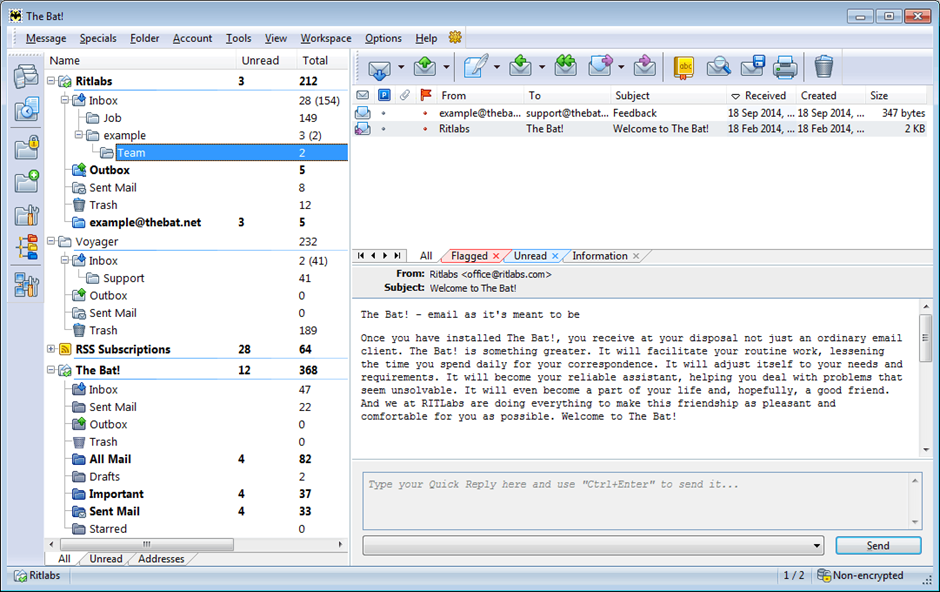
The Bat! was an email client for genuine (in the positive sense) paranoids. Initially created with an emphasis on security, it offered mailbox encryption, GPG and S/MIME support, script blocking in emails, and more.
You could create hundreds of email sorting rules, answer templates, virtual folders for dynamic selection, even scheduled backups. Basically, a Swiss Army knife for email control.
Problems began with paradigm shifts. 2004 brought Gmail offering several gigabytes in the cloud. Corporate email switched to Exchange and Outlook. Eventually, primary email reading shifted to mobile apps. Though The Bat! survives, still receiving updates.
Total Commander: File Manager on Steroids
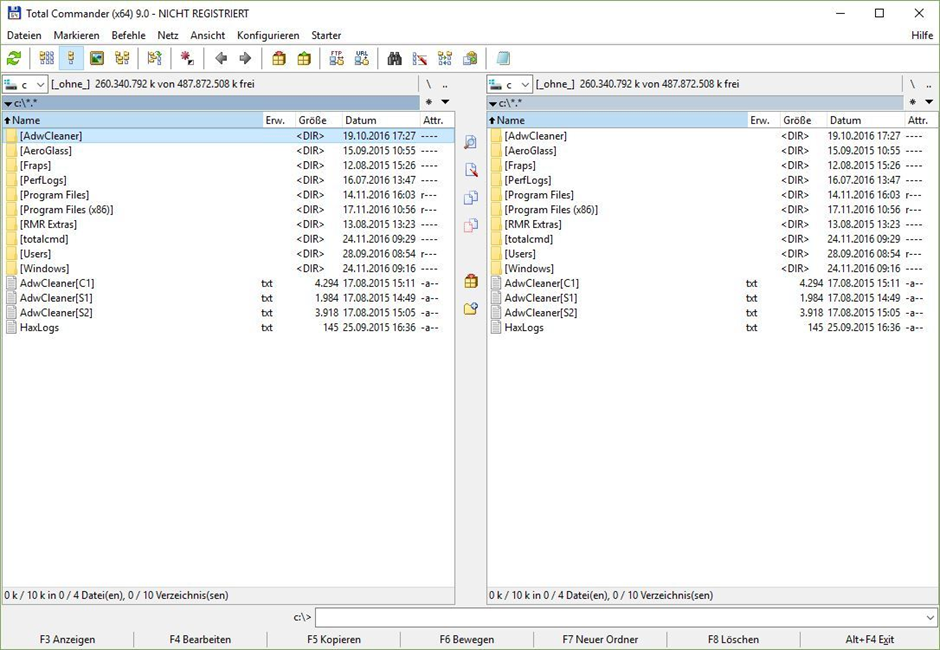
Total Commander, initially called Windows Commander, appeared in 1993. Created as a dual-panel file manager in the Norton Commander spirit for DOS, it offered more than standard Explorer. Apparently Microsoft got angry, forcing the developers to change the name.
TC's dual-panel design let users see source and destination folders simultaneously. But the program's main advantage was complete keyboard support. Press F5 — copied, F6 — moved, Alt+F7 — search. A plugin system extended Total Commander's functionality infinitely. Like Winamp, but for file managers.
Interestingly, Total Commander didn't die. Updates come less regularly than desired, but it successfully entered the 64-bit world and even got mobile versions. Though newcomers find TC complex.
FrontPage: How Websites Were Created
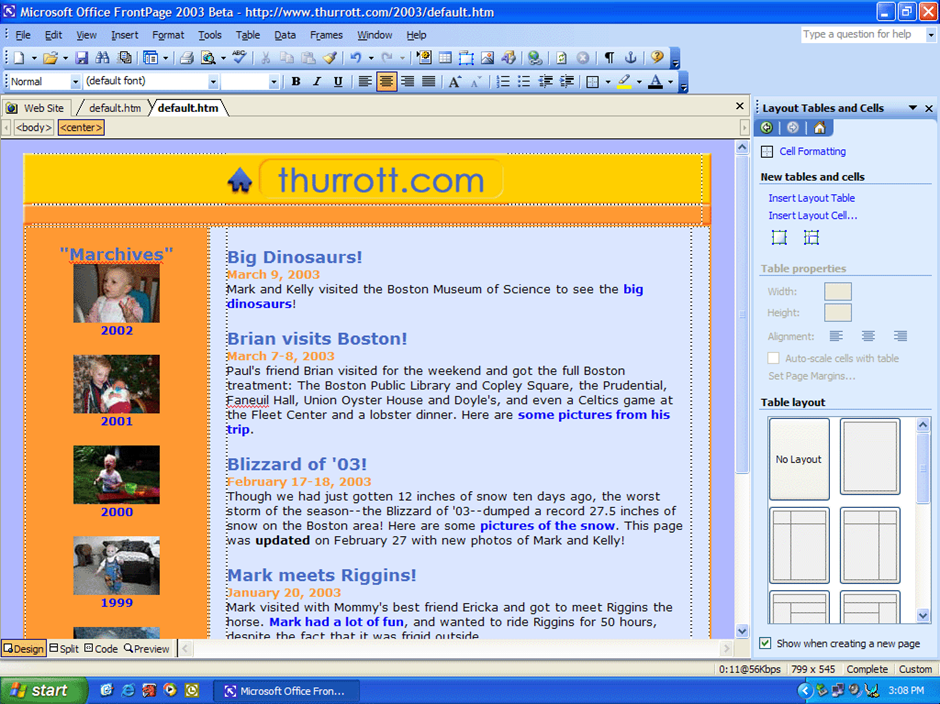
Microsoft FrontPage was a visual HTML editor from the Office suite. Basically Word for the internet: lay out pages, insert pictures and tables, and code generates automatically.
At its peak, FrontPage was the beginner standard. From the late '90s, web creation courses taught it. One evening could build a business card site with backgrounds, buttons, even guestbooks. Many remember the characteristic gradient header templates.
But brief was the music. FrontPage generated dirty HTML with excessive unnecessary tags and specific attributes. Pages looked perfect in Internet Explorer but displayed crookedly in everything else. Professional webmasters gave FrontPage sites harsh names.
The project stopped receiving updates in 2003. The Office 2003 version was final, though the idea survived. Later came SharePoint Designer and Expression Web, neither achieving fame. The appearance of CMS platforms made visual editors unnecessary.
Yet FrontPage was the first builder for an entire generation. Today's developers smile remembering inserting visit counters and rainbow text through it.
mIRC: What Existed Before Messengers
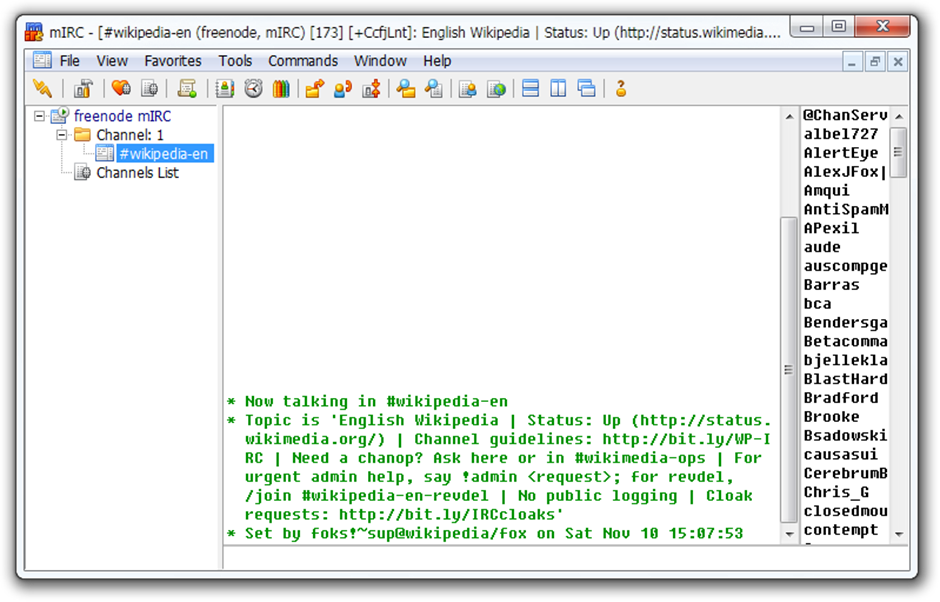
Today's youth thinks people used carrier pigeons before messengers — badly mistaken. Before messengers were IRC chats where you communicated publicly in channels rather than one-on-one. The most popular such client was mIRC, or simply "Mirka."
No accounts or personal data. Just joined, chose a nickname, and chatted. No history either. Checking messages from a week ago was impossible. Complete anonymity.
But scripting support existed. This let you automate almost everything and write custom extensions. Bots, weather, autoresponders — everything imaginable. mIRC's popularity peaked in the late '90s and early 2000s.
Then messengers arrived. People moved to ICQ, then social networks. Anonymity even repelled people, and new users didn't understand the console's charm. Though "oldtimers" still use mIRC, with Windows 10 and 11 versions available.
eMule: Download from the Donkey
Remember "download from the donkey"? That's eMule. Its main feature: everything was there. Literally everything.
The "donkey" let you find obscure French melodramas from 1977 or ancient MIDI processing software. If one person worldwide wanted to share something, eMule could download it.
Unsurprisingly, by 2006 simultaneous users reached 1,000,000. Though downloading from "the donkey" was incredibly slow. Typical scenario: overnight downloads accomplished only 5-10%.
BitTorrent killed that story unsurprisingly. It provided vastly higher speeds for mass distribution, causing a mass exodus. Like other programs here, eMule survives, used only by dedicated fanatics.
Hamachi: Games Over Virtual LAN
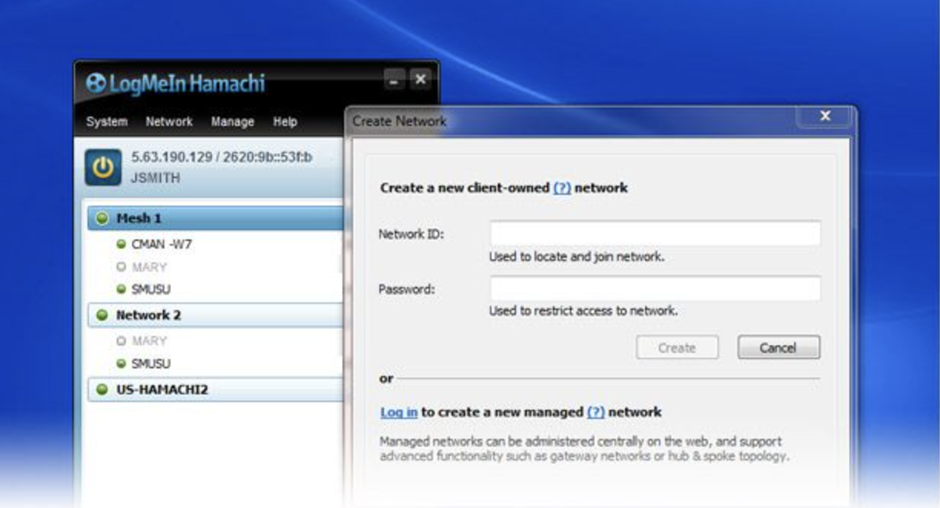
Hamachi solved a different problem. How do you play WarCraft or NFS online with friends who aren't on your local network? This utility created virtual private networks over the internet. Computers could see each other as if locally networked, enabling LAN-mode play across different cities.
Simply launch, create a password-protected network, share the password with friends — done, you're in one virtual LAN. Genius. Play with anyone anywhere: different city or even continent.
Two things caused Hamachi's decline. First, LogMeIn bought it in 2006, reorienting it toward corporate markets. Gaming usage shifted to remote office access. Second, Steam appeared offering built-in online gaming services.
PowerDVD: How We Watched DVDs on PCs
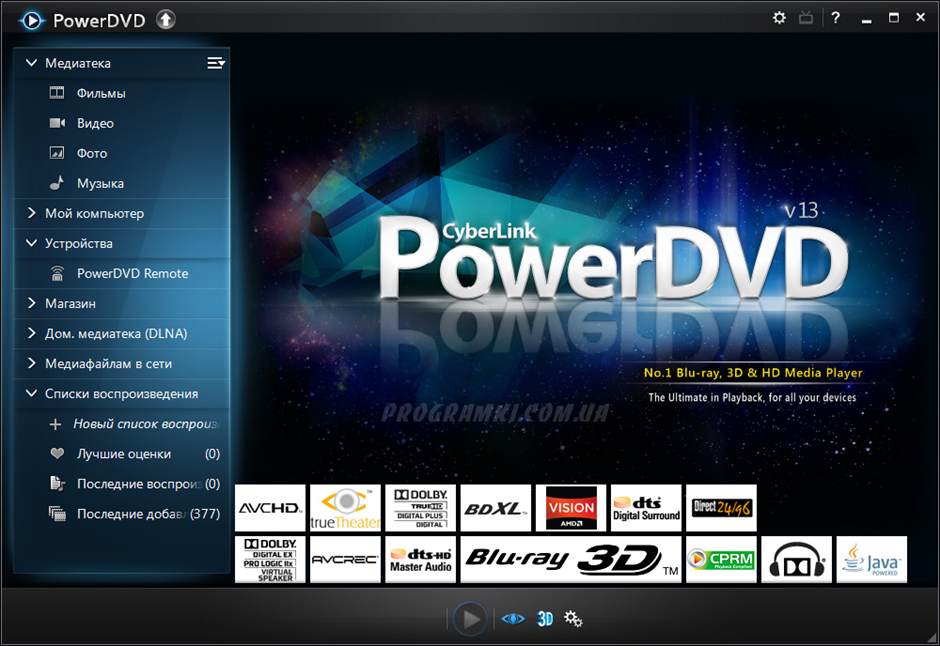
Late '90s: DVD drives appeared on computers, enabling film watching on PCs. This required special players supporting MPEG-2, multichannel sound, and DVD menus. CyberLink PowerDVD exceeded this role. It was so good it practically monopolized the sector. Many received it pre-installed.
PowerDVD provided menu display, audio track switching including Dolby Digital 5.1 and DTS, subtitles, region changes. Laptops got power-saving modes. Audiophiles got headphone sound virtualization.
Then everything cascaded. VLC media player emerged — a free universal player that opened all formats. Internet development popularized torrents. Then streaming and online movie watching appeared, making physical media uninteresting.
Why These Programs Disappeared and What to Do About It
Technologies advance. Obviously. But what's interesting: why couldn't these programs adapt? Winamp could have become Spotify. ICQ had every chance of becoming WhatsApp. ACDSee couldn't compete with free alternatives.
Yet each was the best in its time. They formed 2000s tech culture. Through them we mastered the internet, learned multimedia work, and communicated internationally.
They were more than utilities. They were parts of our lives. Today nobody remembers them. Remembering means only nostalgia, not practical need.
Each era births its tools and buries previous ones — it's always happened and always will. Regardless, thank you, iconic programs, for the experience and memories.