Japan: A Country of Such Common Sense That It Seems Irrational to Us
A first-hand account of Japanese culture, urbanism, and daily life — from earthquake-resistant houses on air cushions and modular bathrooms to the absence of street crime, hyper-efficient waste sorting, extraordinary toilets, and a deeply rational society built on rules and collective behavior.
Language
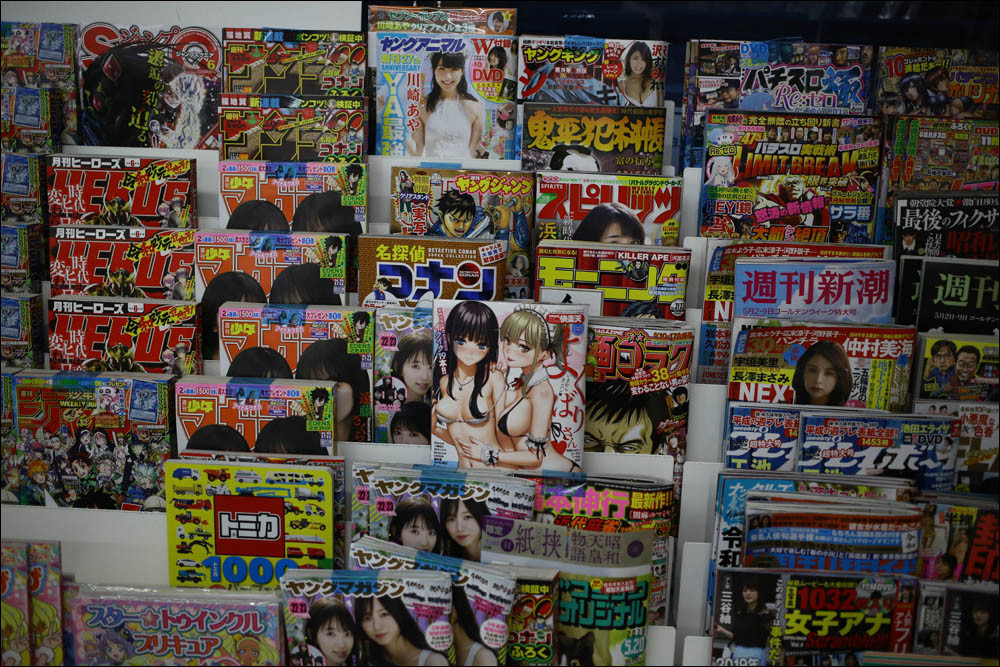
The Japanese write using kanji characters and two syllabic alphabets: hiragana for native words and katakana for borrowed ones. The syllabic alphabet imparts a particular flavor to imported words. Only syllables in combinations with vowels exist there. For example, "light" becomes "raito." The letters "l" and "r" are a single letter, "v" and "b", "sh" and "s" are also multiplexed by wavelength. Katakana imposes an accent: "much" becomes "macho." The Slavic name Svetlana transforms into Subetorana. The entry barrier for learning languages is high, but the Japanese are excellent at reproducing sounds, and many know English well.
Geography
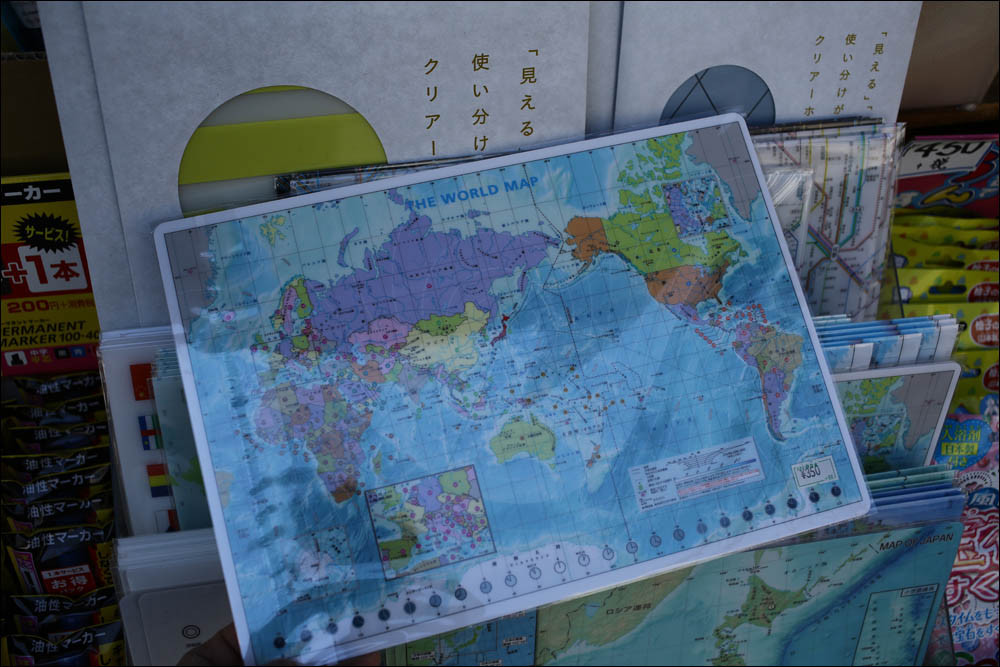
The northern edge of the country is close to Yuzhno-Sakhalinsk, and the southern edge has a tropical climate. A warm current makes the climate of the northern part quite mild. The consequence: low-rise houses are built from sticks, plastic, and drywall — you could punch through the wall with your fist. Indoor temperature matches outdoor temperature.
The reason is climate plus geological activity. Several tectonic plates meet in this region, creating intense seismic activity. Of six thousand islands, some disappear, some appear. Structures are adapted: some are earthquake-resistant and expensive, while others can be rebuilt in two months. Heating is done with air conditioners. People wear outer clothing indoors even in winter.
Modern homes have heated floors, since most of life happens on the floor — people sleep and sit there. In a traditional home, people sleep in a multi-layered cocoon: mattress, futon, blanket, Japanese person, blanket, duvet.
Light houses are built on an air cushion. A seismic sensor and a battery allow the house to "take off" during earthquakes. About a hundred houses have already been built this way.
Urbanism and Nature
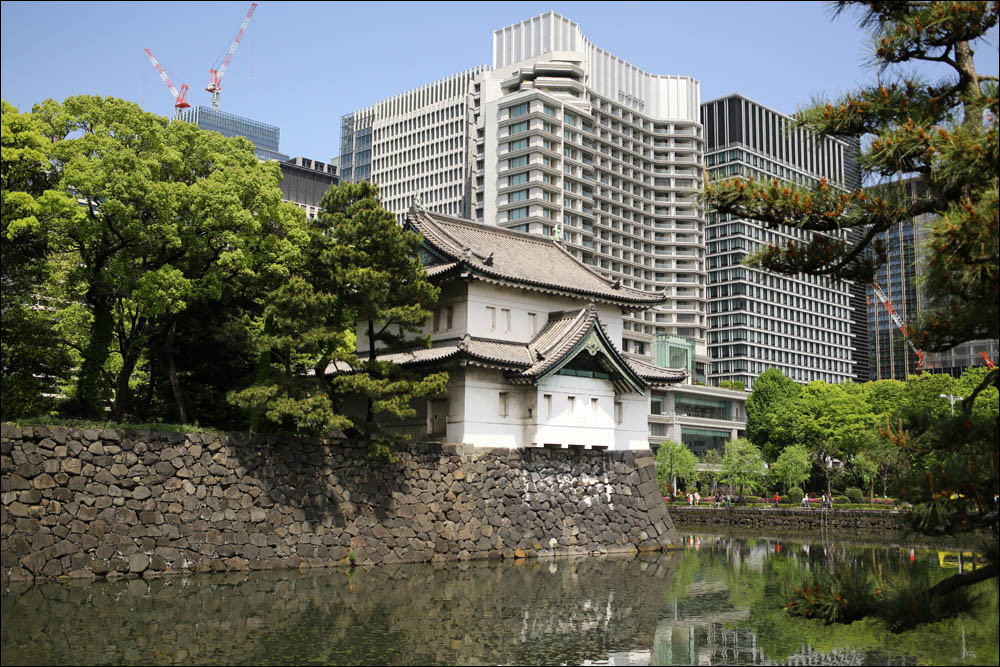
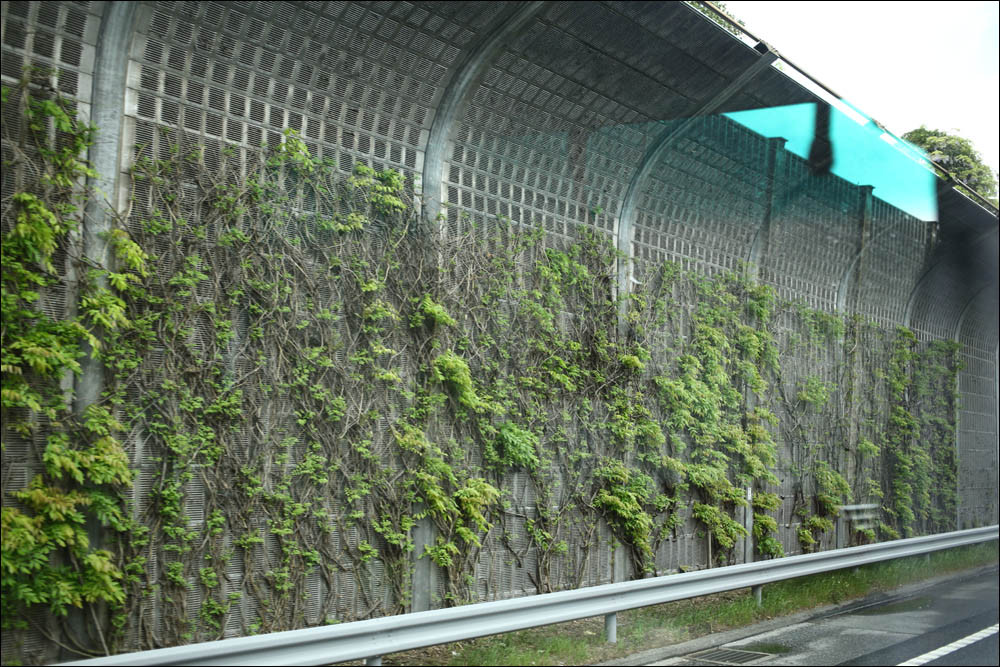
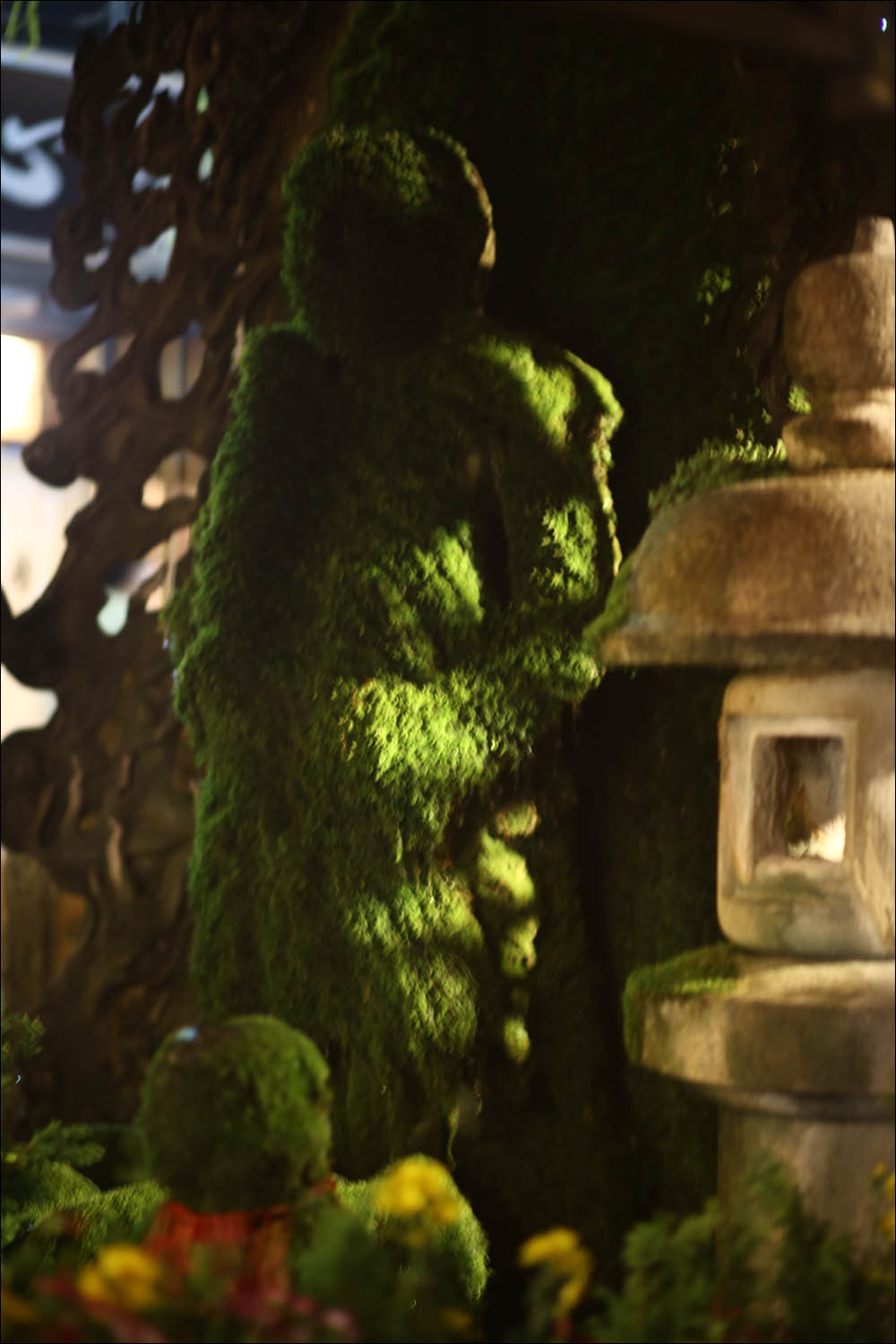
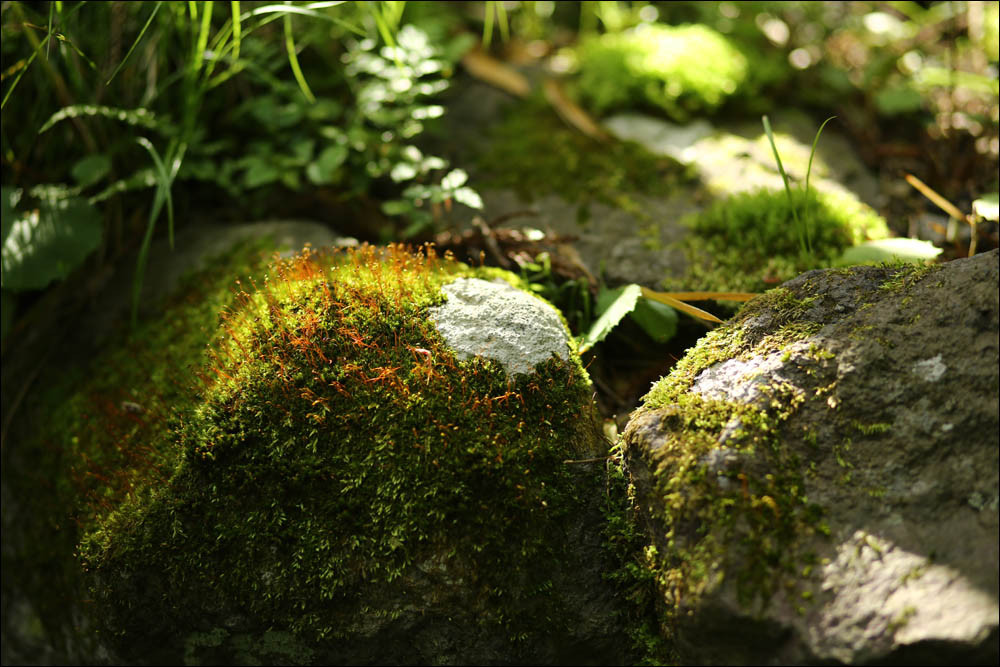
All major cities are green, reminiscent of Wasteland 2 — greenery envelops the skeletons of skyscrapers, minus the apocalypse.
Biology is deeply respected. On the 1,000-yen bill is microbiologist Hideyo Noguchi. Coins are decorated with: cherry blossom, rice, temple, chrysanthemum, sakura, paulownia with bamboo and mandarin orange.
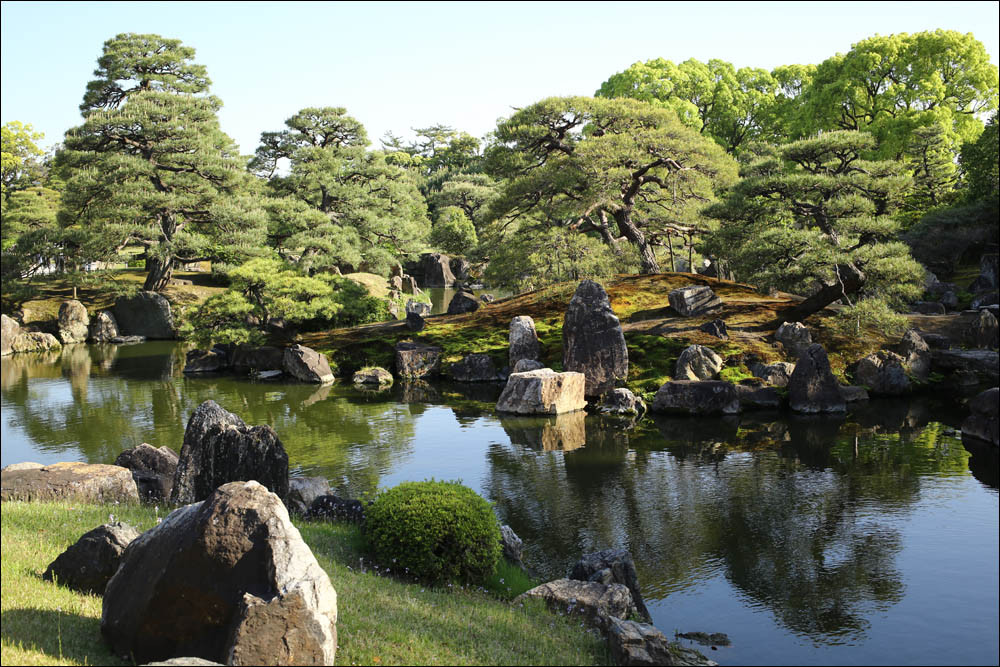
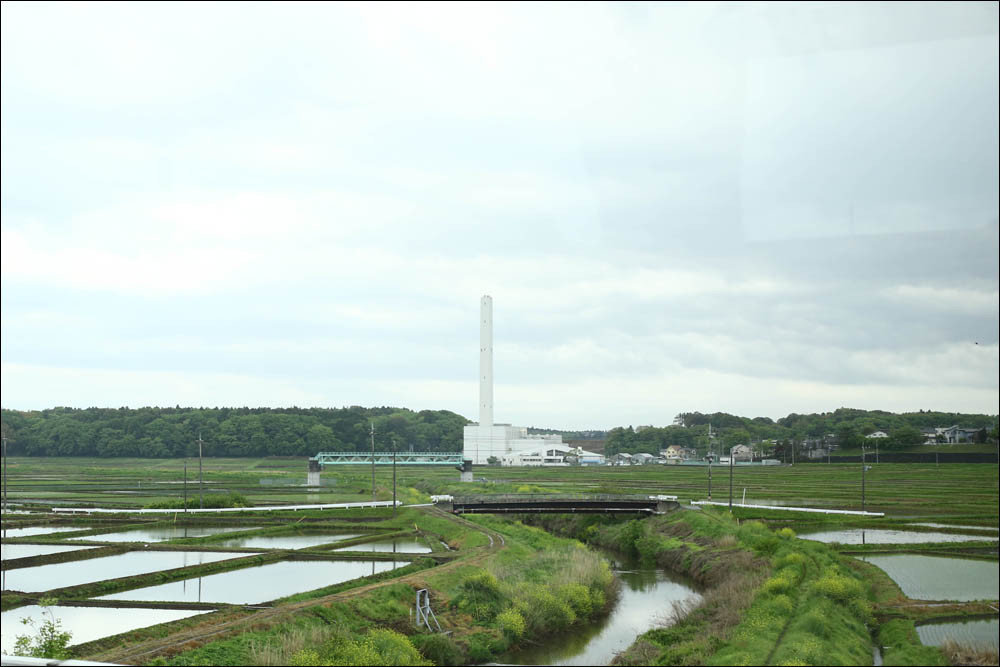
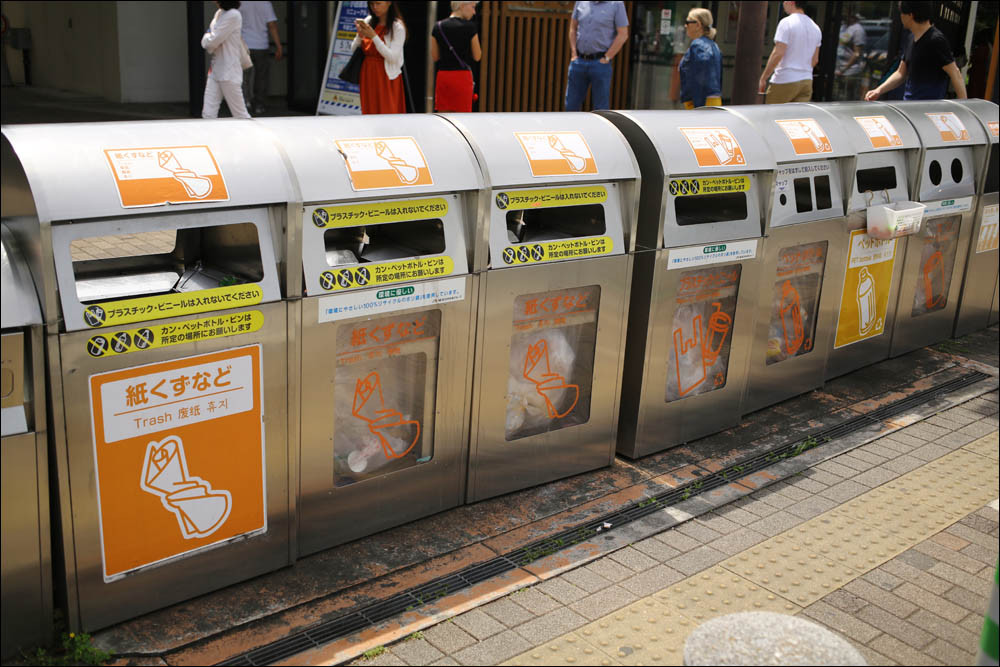
There is greenery everywhere in city centers. Outside cities, all land is in use — either crops, or rice, or manufacturing. The waste incineration plant is "a very clever thing that has gone roughly 50 years into the future." Garbage is sorted meticulously. Recycling covers more than 90%. There's an institutional attitude of "use the thing until the end."
School uniforms are sewn with special threads that grow with the child. A standard school backpack can cost around $500, but it's used throughout all school years.
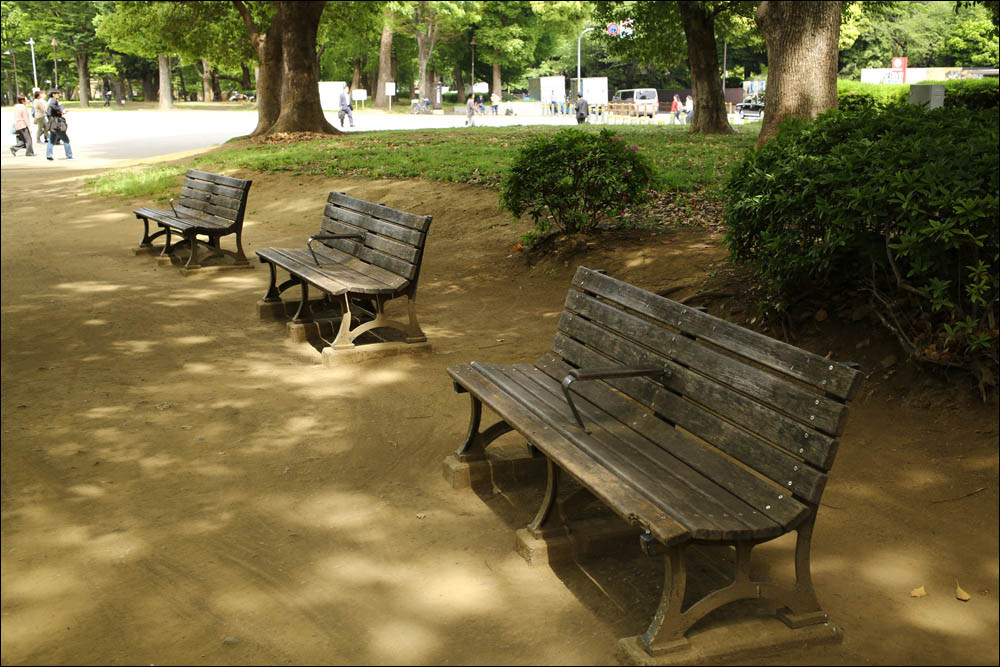
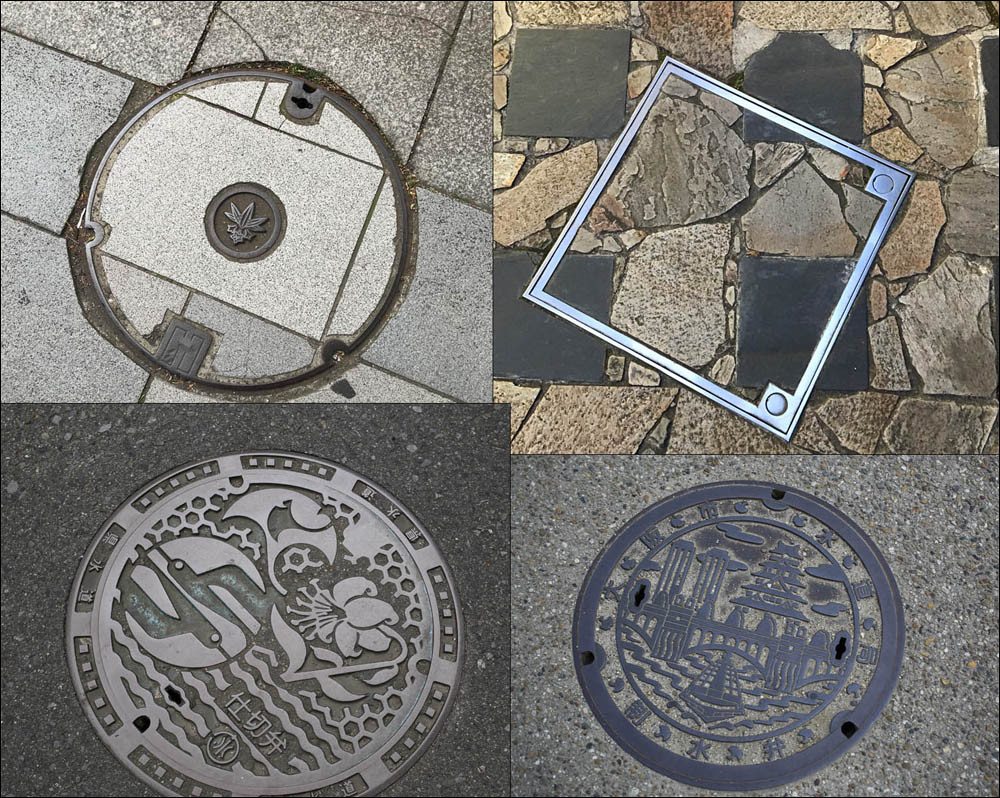
There are almost no trash bins in the city. People in Japan don't litter — in 10 days we saw two cans on the ground, and those were in tourist areas. Manhole covers are either beautiful or camouflaged.
City Features
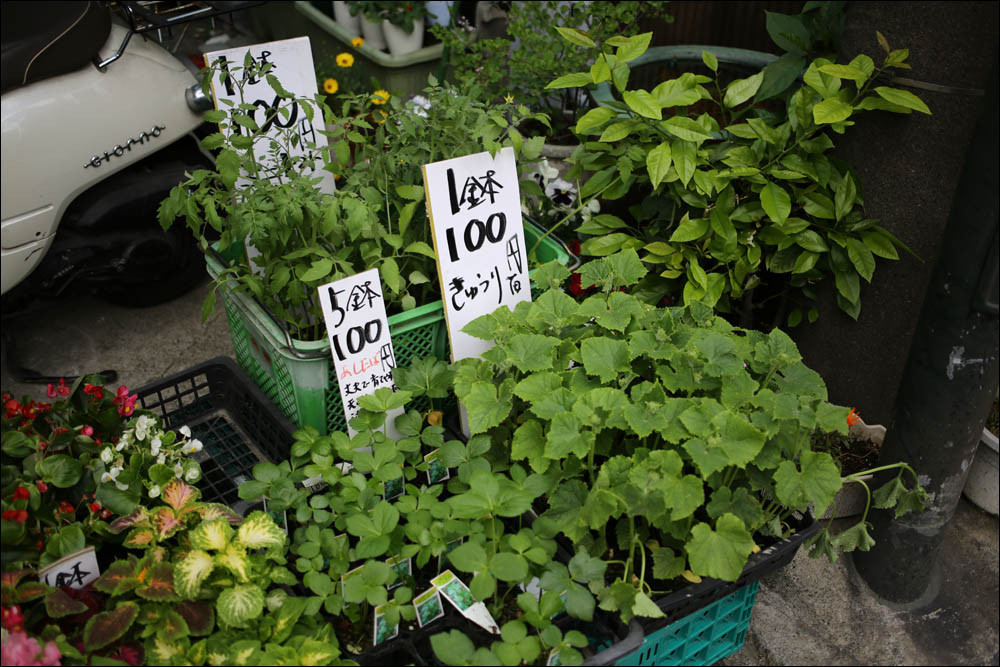
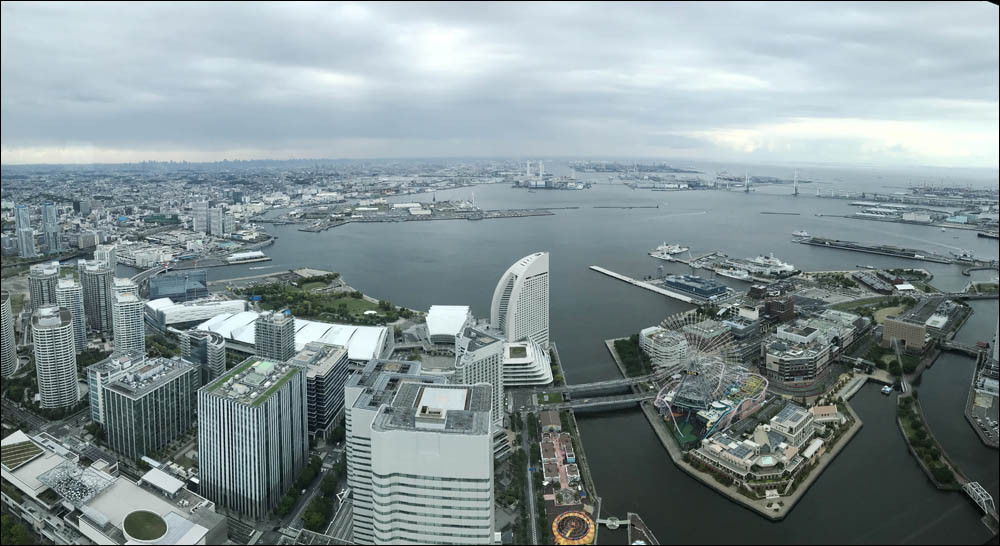
There's enough space in Japan. There are mountains with untouched forests. The most convenient places to live are bays. The population is distributed around the edges of the islands, with the most people in Tokyo at high density.
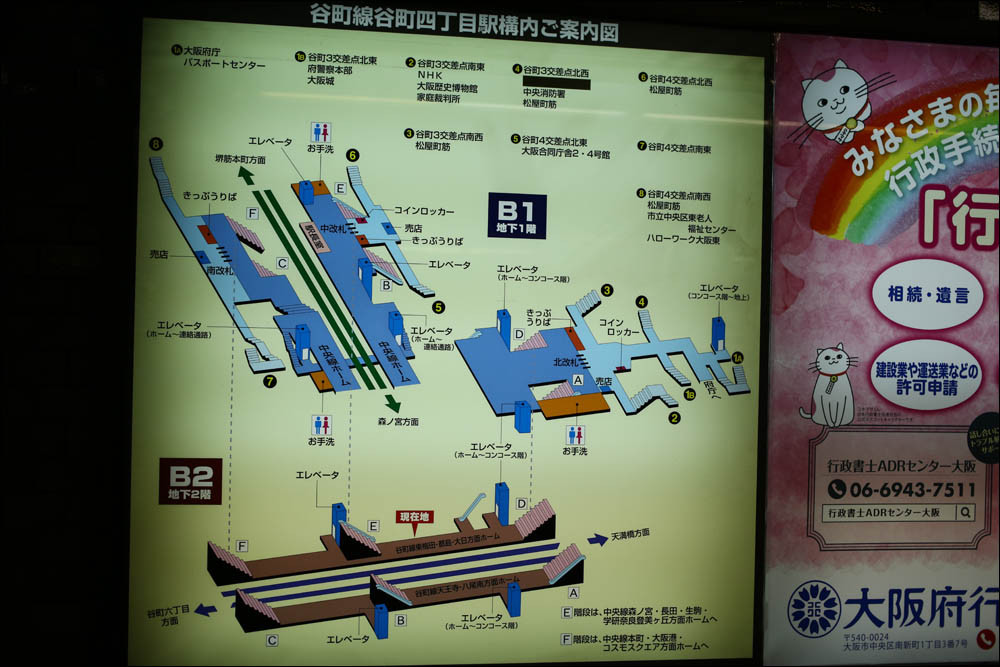
Multi-level interchanges are the norm. Metro stations are complex to navigate. Cemeteries are very compact — everything is cremated and clustered. Manufacturing is outsourced.
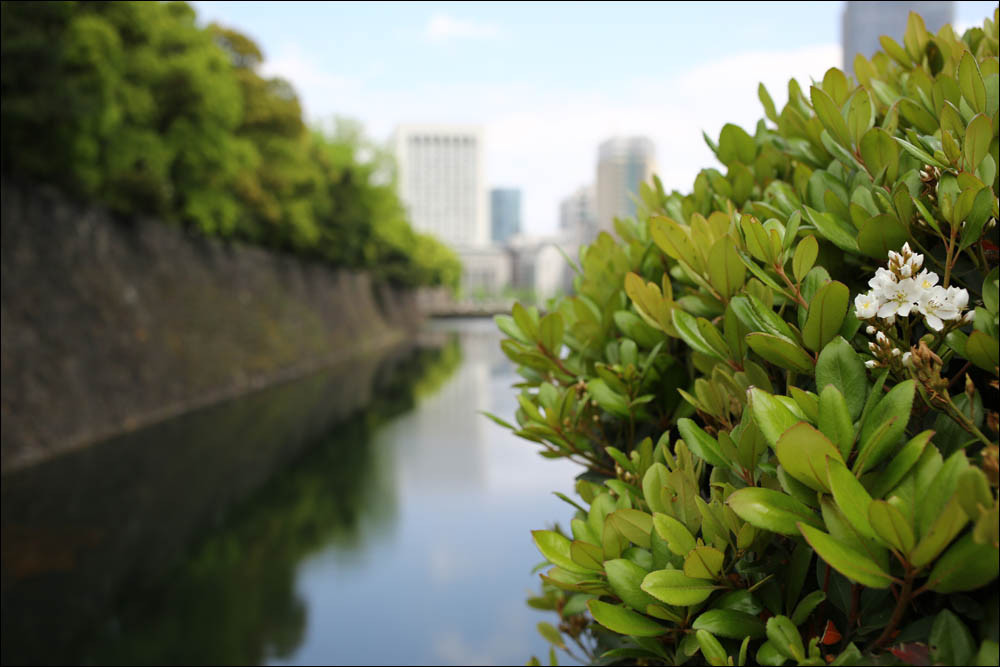
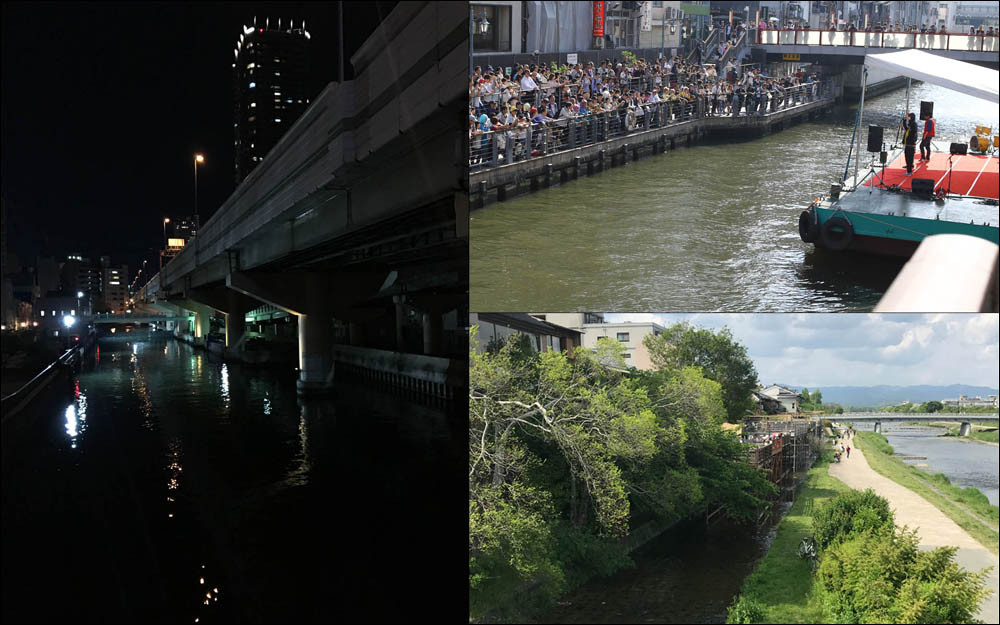
Rivers are used to the maximum — highways, performance stages, and restaurants are built on them.
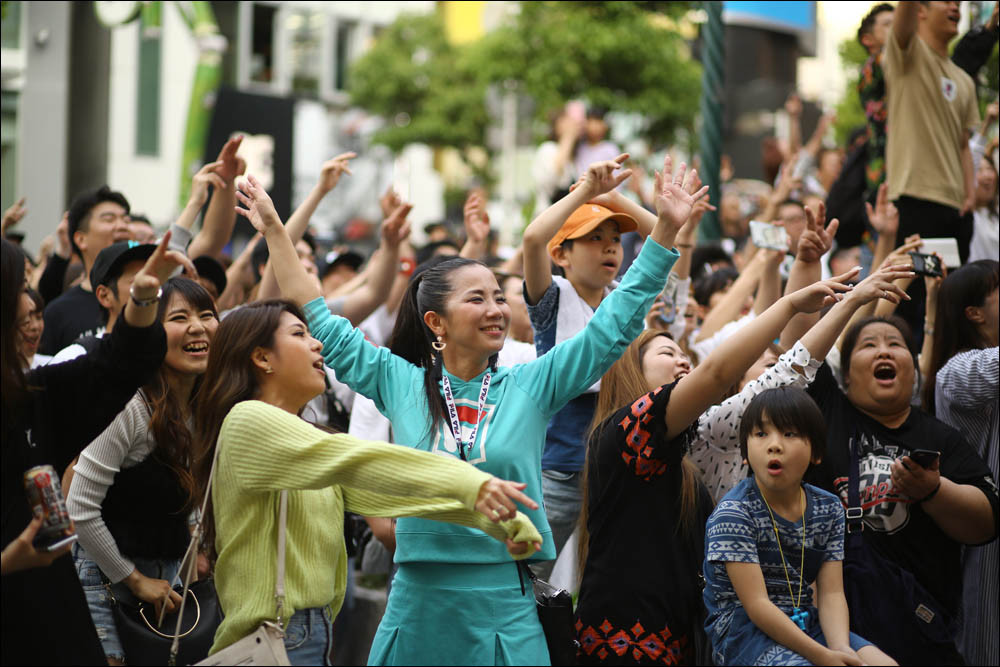
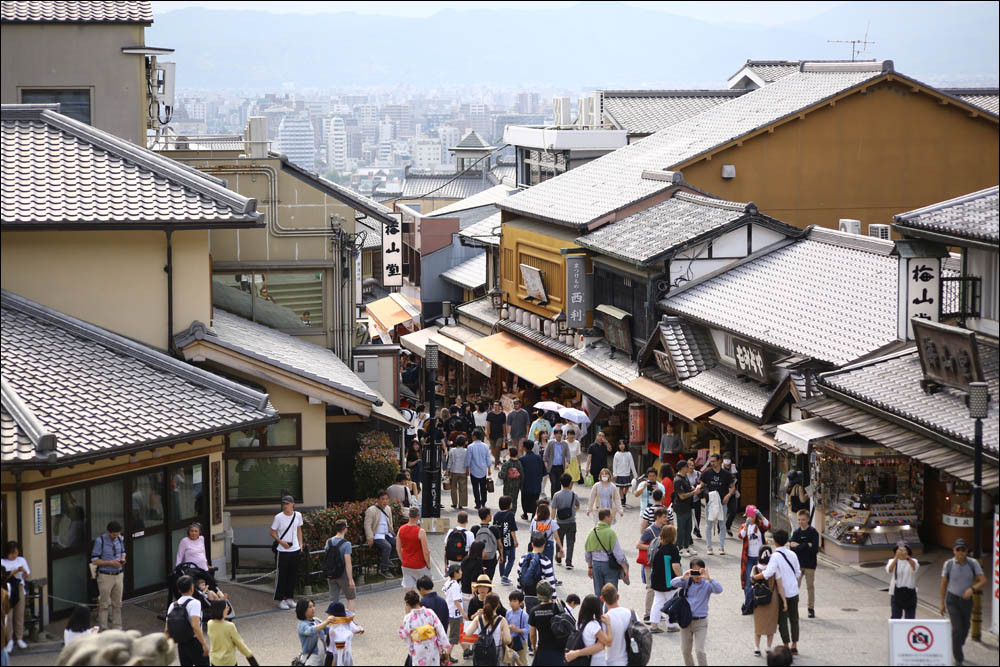
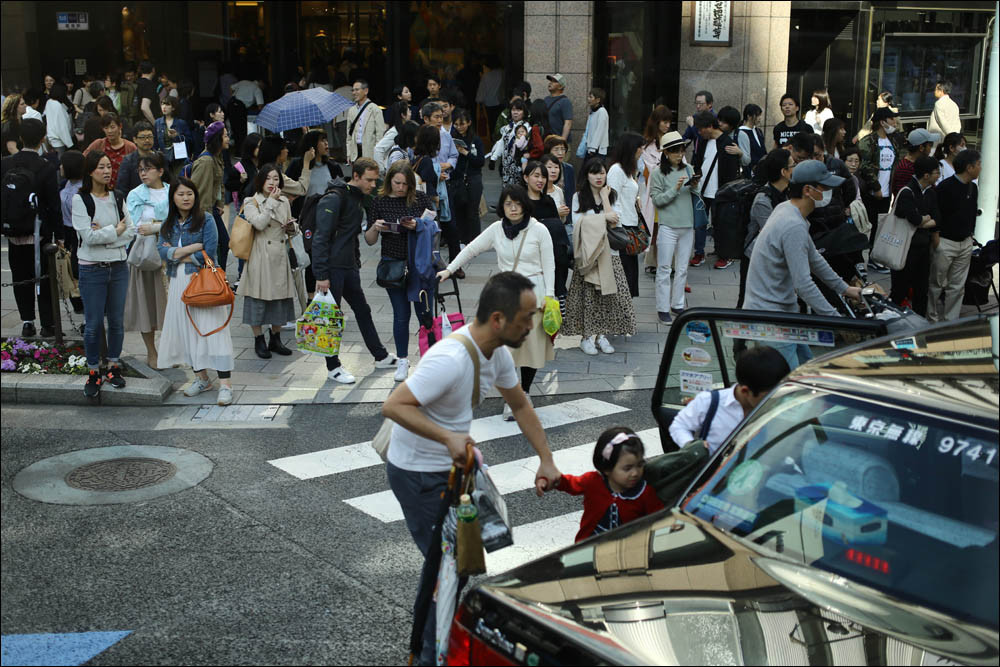
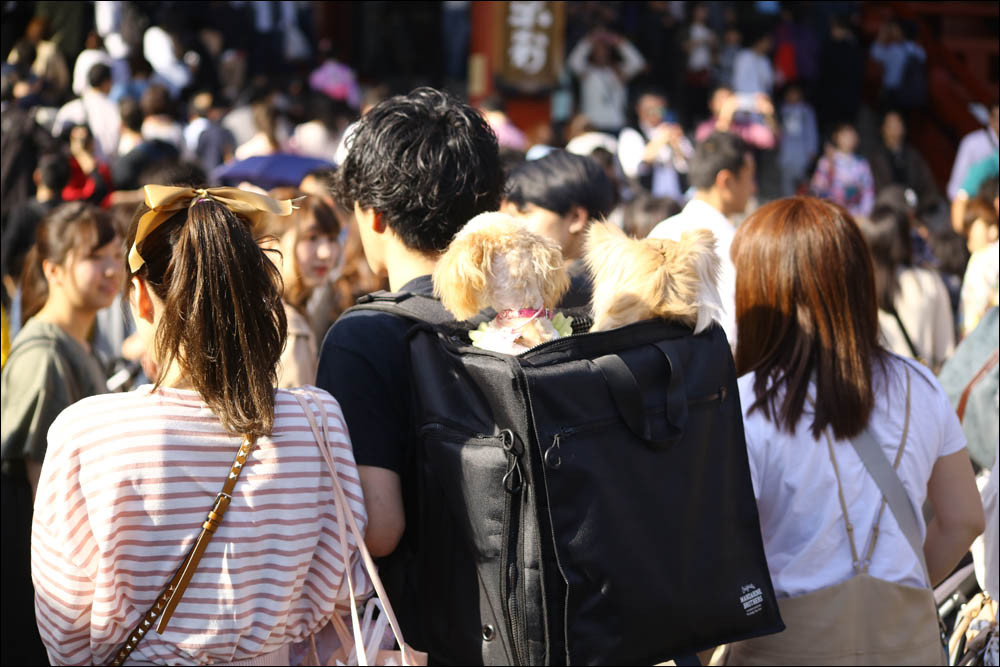
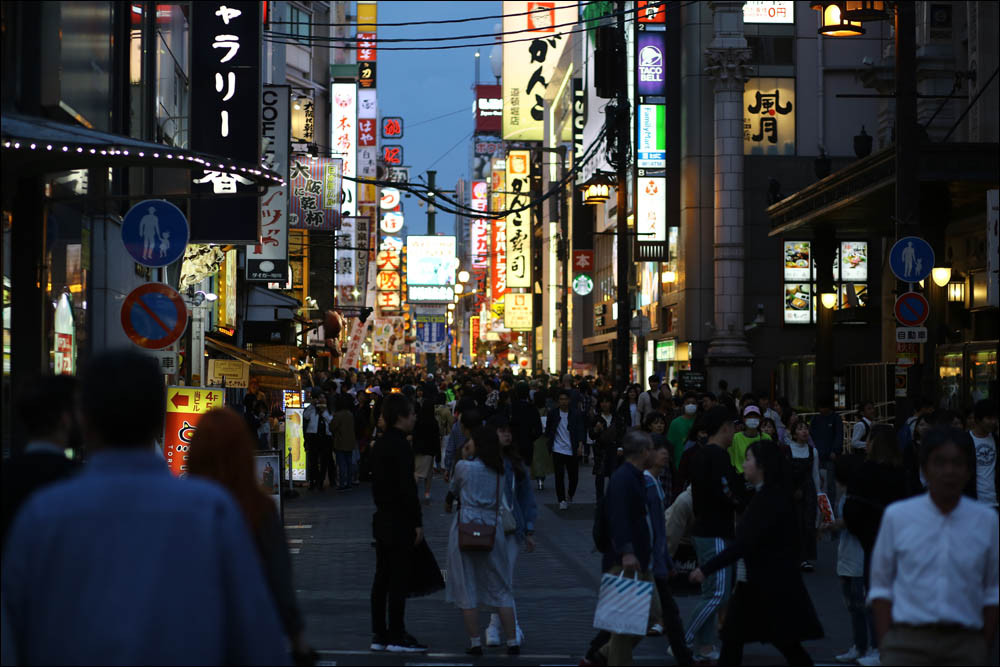
There are many crowds — queues, packed metro, attempts to squeeze into stations. During imperial succession holidays, there are especially many people.
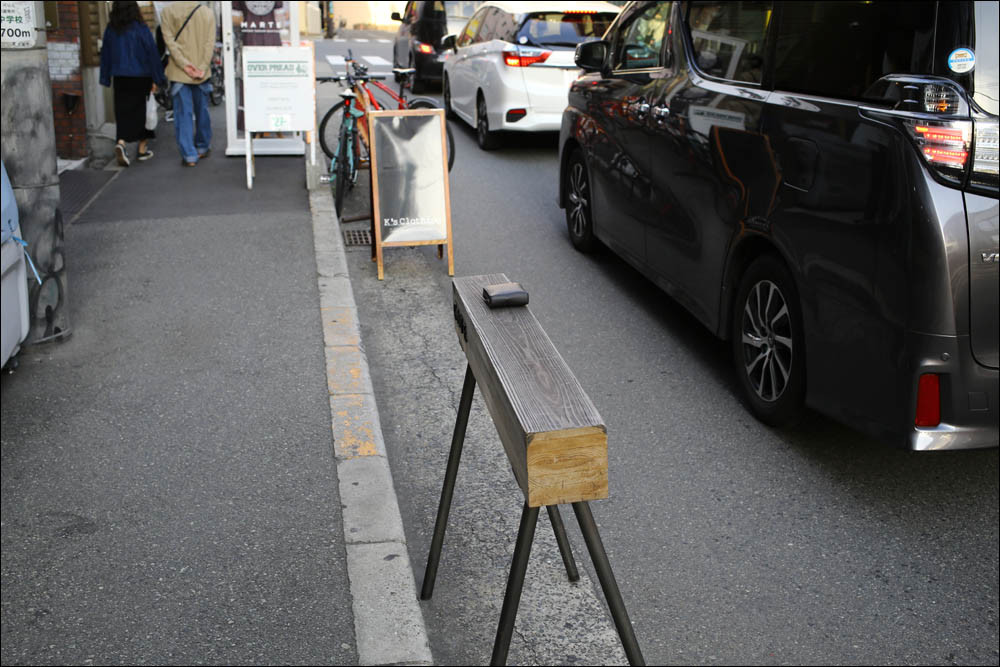
When surrounded by many people, skills from China don't apply: here you can't touch anyone, and you don't need to watch your belongings. Because nobody steals. Women lay out their bags, phones, and wallets on tables in shopping malls. A dropped wallet can lie on the street for hours. In the evening, the shop owner across the street will take it to the police. If nobody comes for it in 3 months, the money can be kept.
Museum tickets don't get invalidated — you can re-enter. Breaking the law means shame for life.
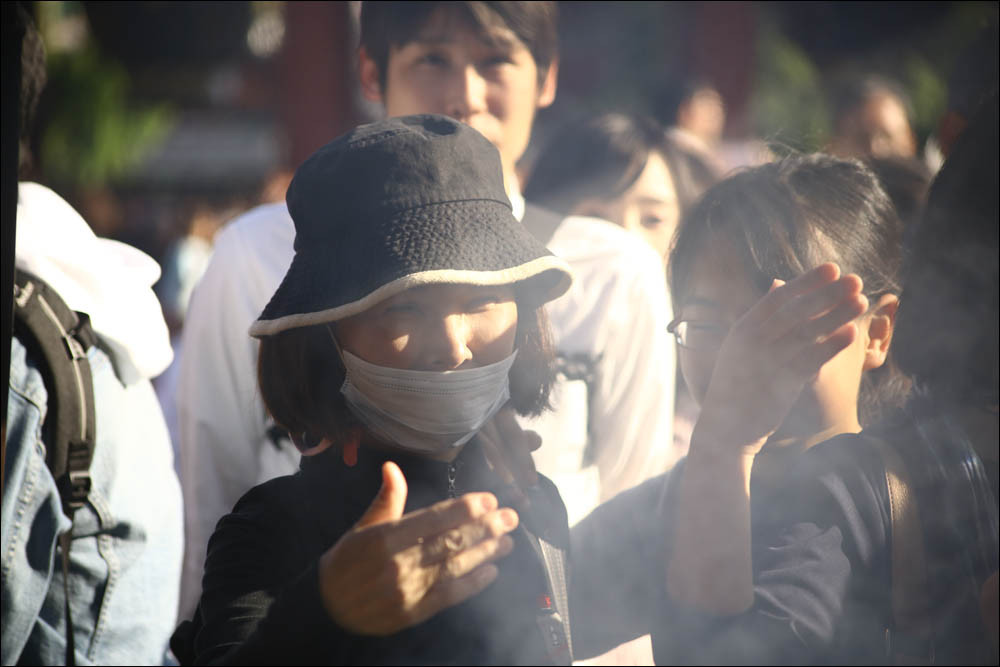
Very many people wear respirators — from plain ones to decorative masks. It's convenient, protects from the sun, allergies, and provides anonymity. Credit cards are rarely used.
The Japanese follow rules with iron resolve, forming queues at bus stops. Law-abidingness mixed with politeness.
The government actively tracks movements through cellular networks. Buying a SIM card as a foreigner is a complex quest. It's easier to rent one at the airport without documents.
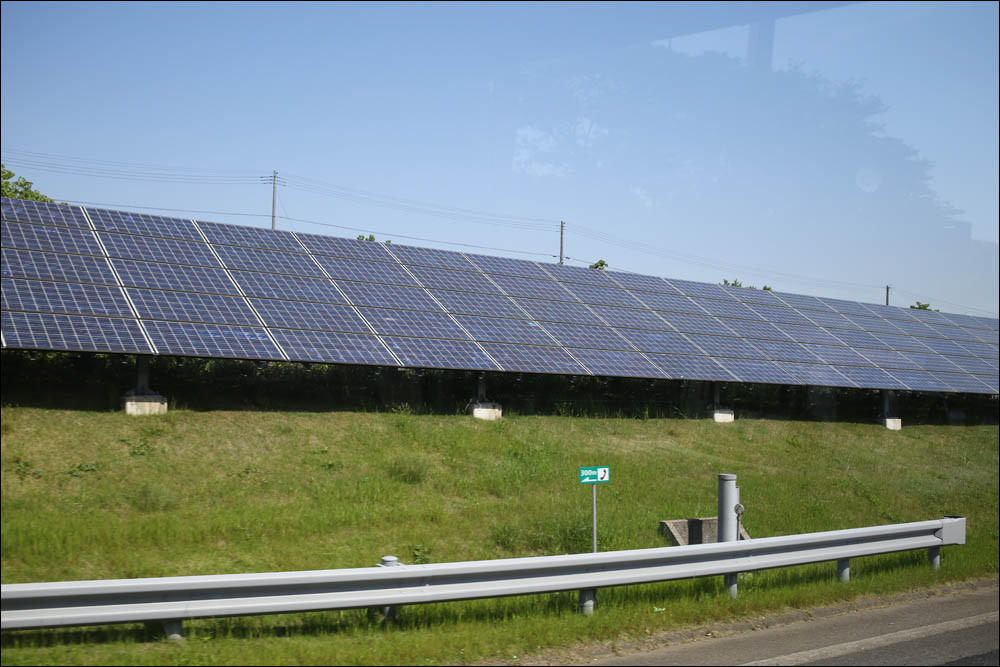
Solar panels are everywhere. Private panels can feed electricity back into the grid.
Toilets and Domestic Conditions
Japanese toilets are cold, just like everywhere else in the house. The first toilet seats were fitted with heating. The control panel resembles a spaceship console with functions analogous to a drinking fountain instead of toilet paper.
The bathroom and toilet are sold as a module and inserted into the house. A container with the room, utilities in the walls, and furniture. All you need to do is connect water and power.
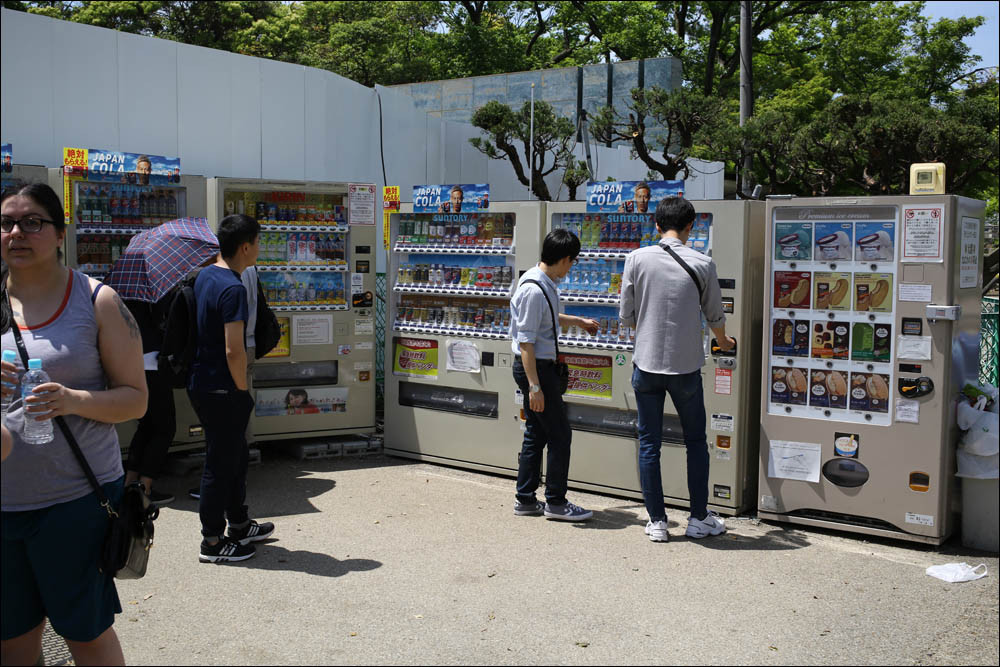
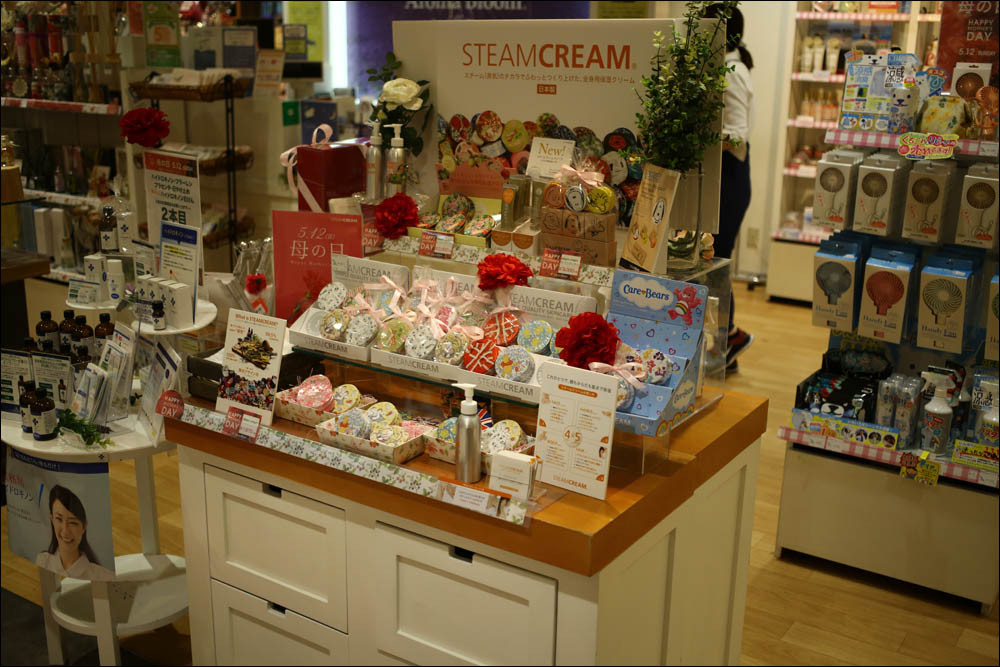
They love vending machines. In vending machines and shops alike, prices differ insignificantly, even in tourist spots and the sterile zone of the airport.
Health and Longevity
Japanese society has aged enormously — to an extent no other country has ever gone. WHO statistics for Russia: men up to 66, women up to 77. For Japan: add 15 years for men and 10 for women.
They're not fanatics about medicine, they just do things on time. They eat without fanaticism. Without vaccinations, children won't be accepted into school. Before and after classes, students do sports. After 40, they receive summons for preventive check-ups. Medicine is expensive, but insurance is an important part of employment contracts. There are many helicopter pads for ambulances.
The ambulance says: "waaa-waaaa, please yield the road, thank you in advance." Everyone yields because it's a rule, and it was important to ask politely.
The story of the Fukushima volunteer liquidators demonstrates rationalism: a 72-year-old grandfather knows he has 13-15 years left to live, and cancer takes 20-30 years to develop.
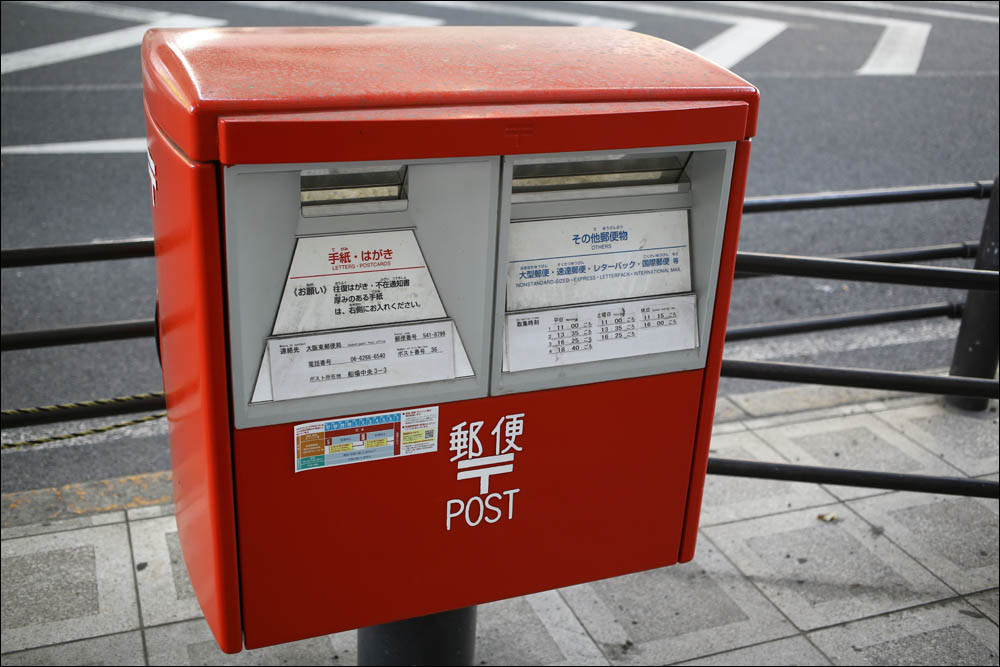
The postal service is sacred. Japanese postcards arrived faster than any others.
Food
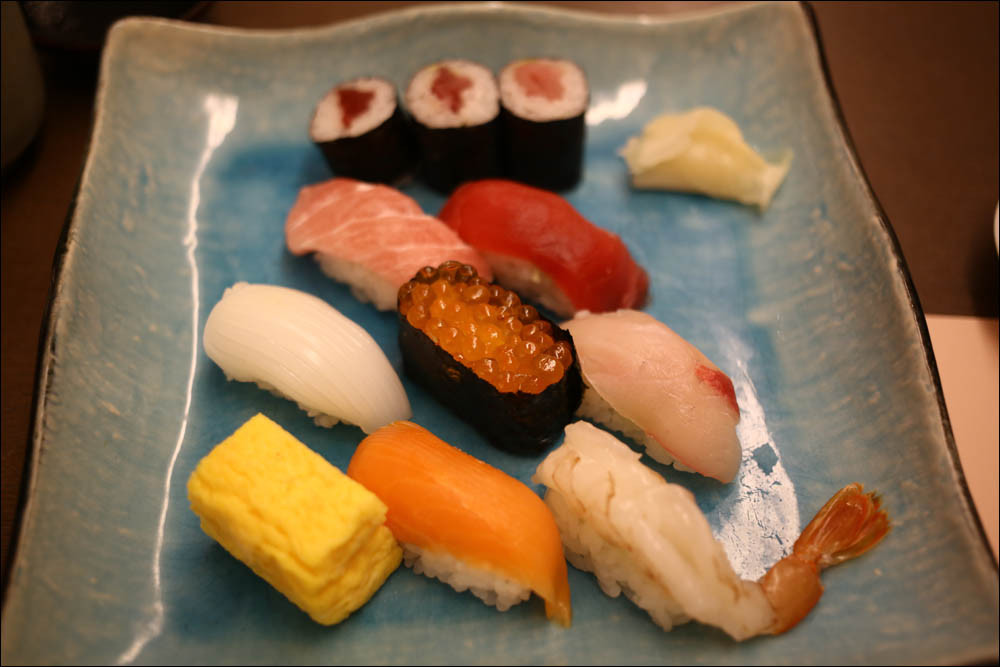
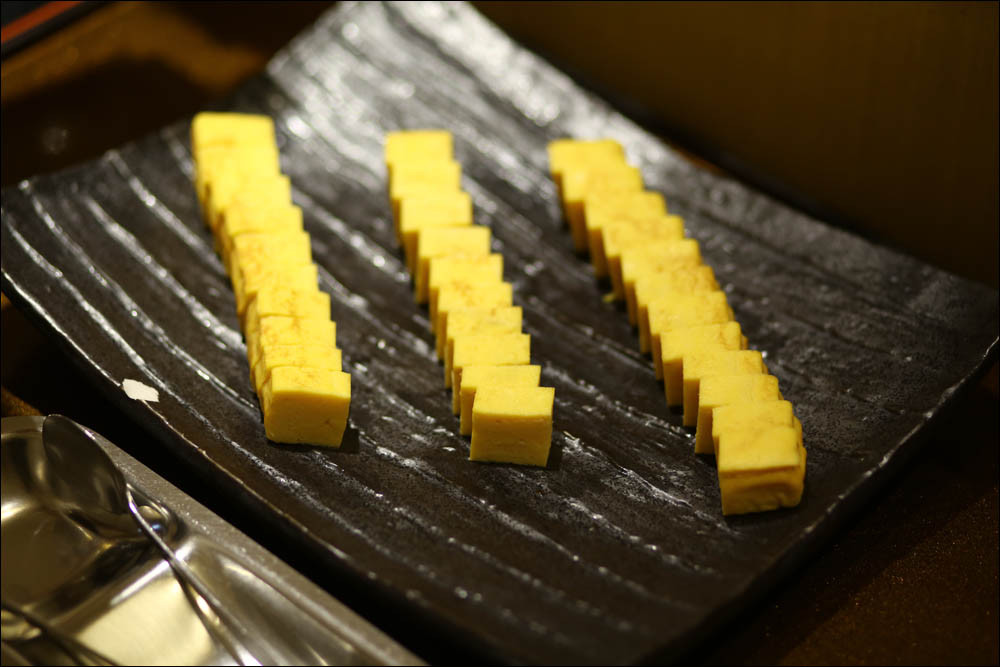
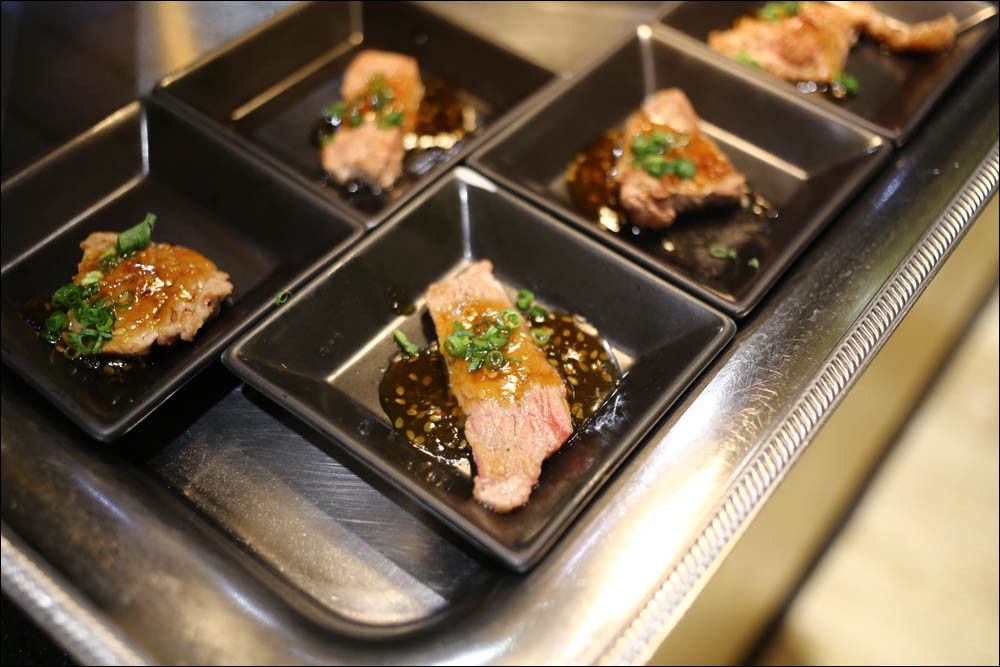
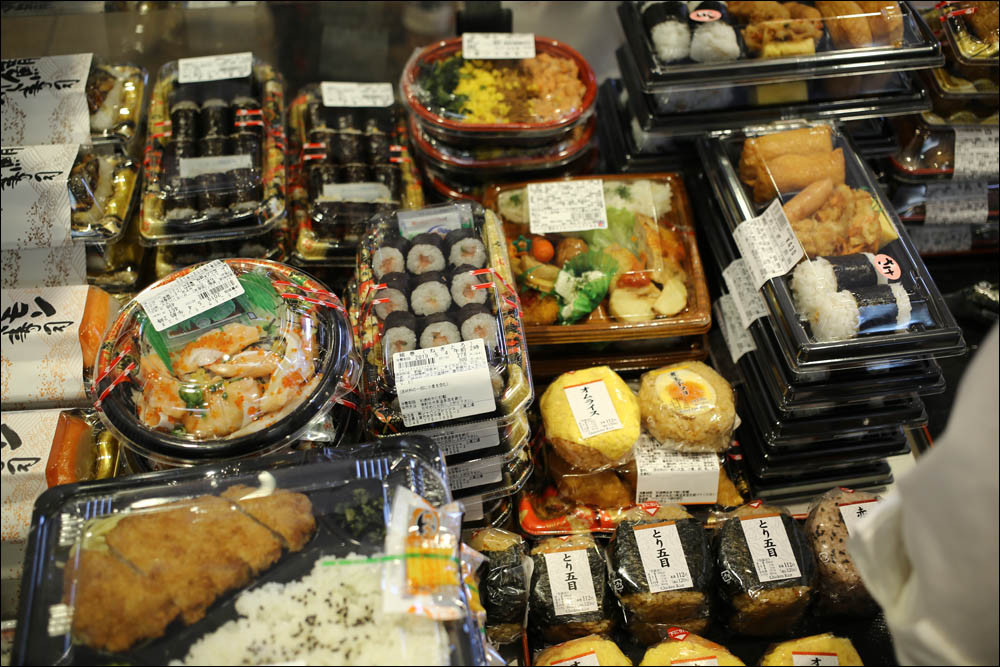
Raw fish was scary, but if you don't know it's raw, there's nothing frightening about it. It's delicious. By the third day, familiar things appear everywhere — omelette, steak, business lunches.
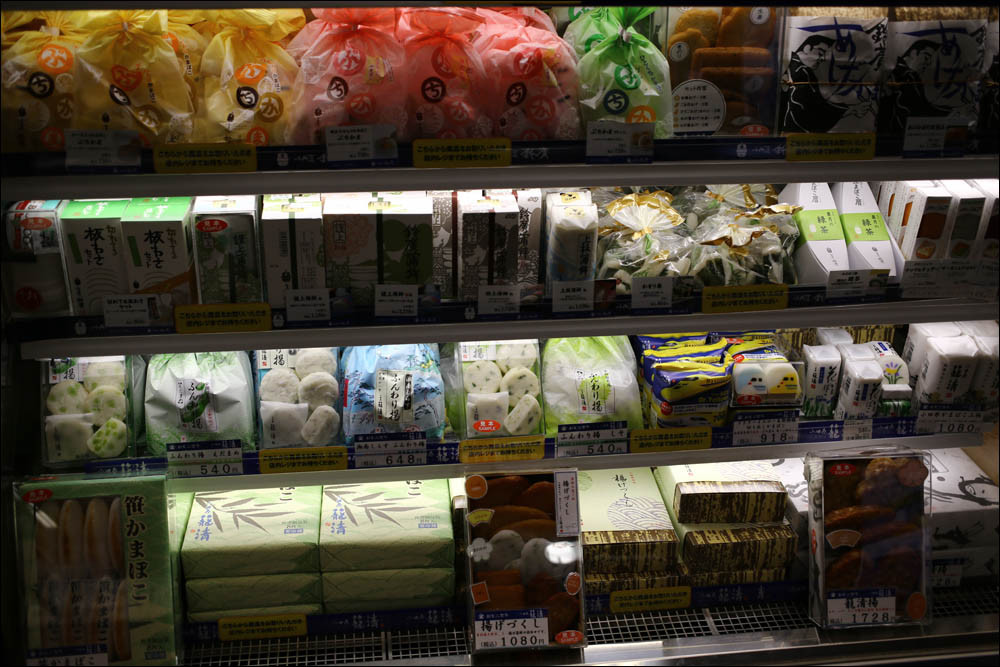
Sweets in display cases aren't real — they're demo samples made of polymer. Food samples in restaurants are fake too. There are special shops for fake food products.
Personal Life and Society
On average, the Japanese are sociable and friendly within their cultural environment. You can get acquainted quickly even without a common language. People's phones often have almost nothing on them — just a boat, rice, a bridge, repairs. Before modern phones, there were none at all.
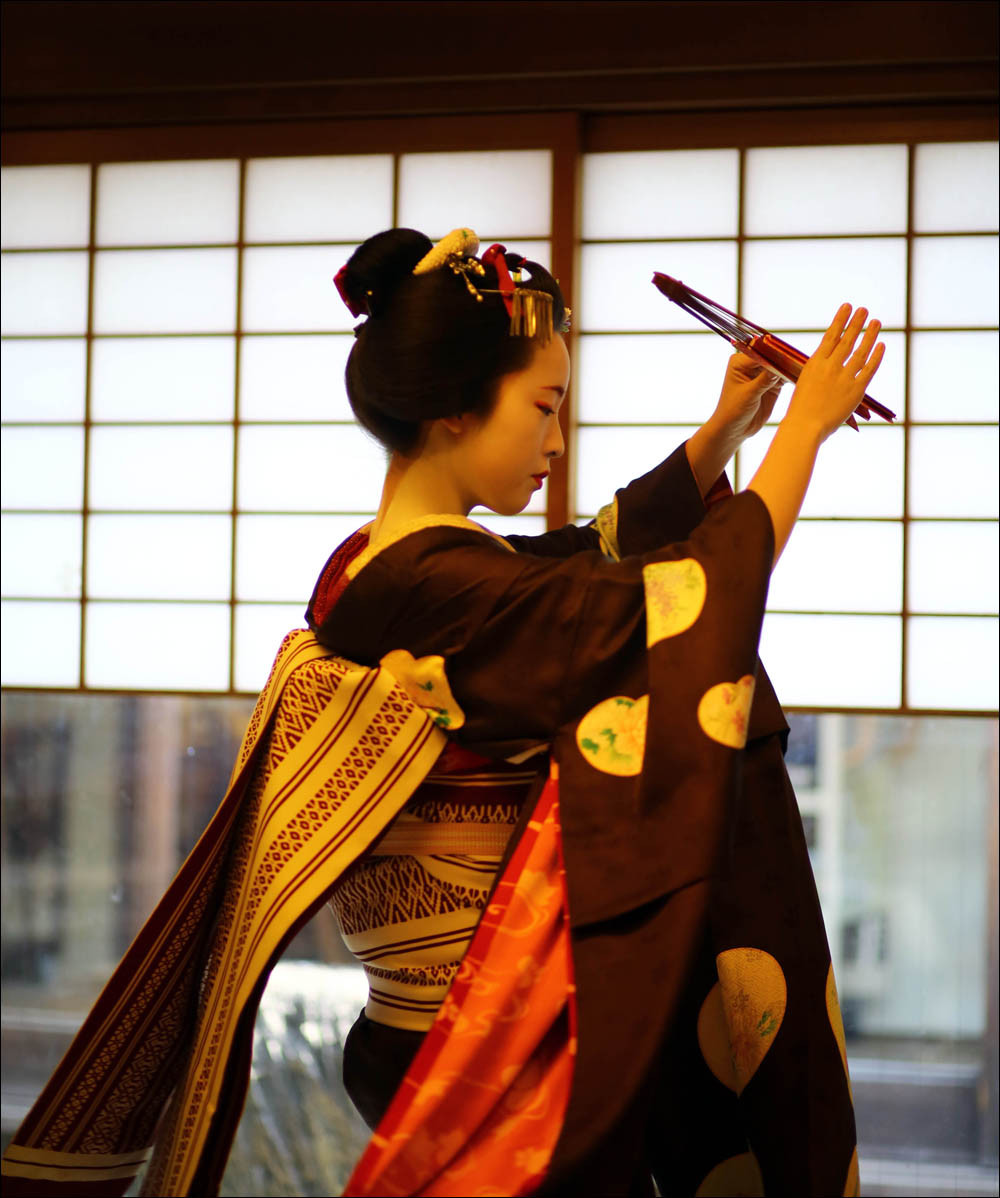
A maiko is a geisha apprentice from an on-call service who comes to socialize. She knows how to be agreeable, understands art. During training, they take away her phone and she writes paper letters to her family.
The Japanese office has changed. Overtime exists, but people often just hang around the office. A new approach is to cut power to the building at 8:00 PM. Lifelong careers at one company are dissolving — some companies hire "defectors."
Universities own infrastructure starting from kindergartens to prepare future students. Mentorship: a senpai can be younger. In school, just one year older.
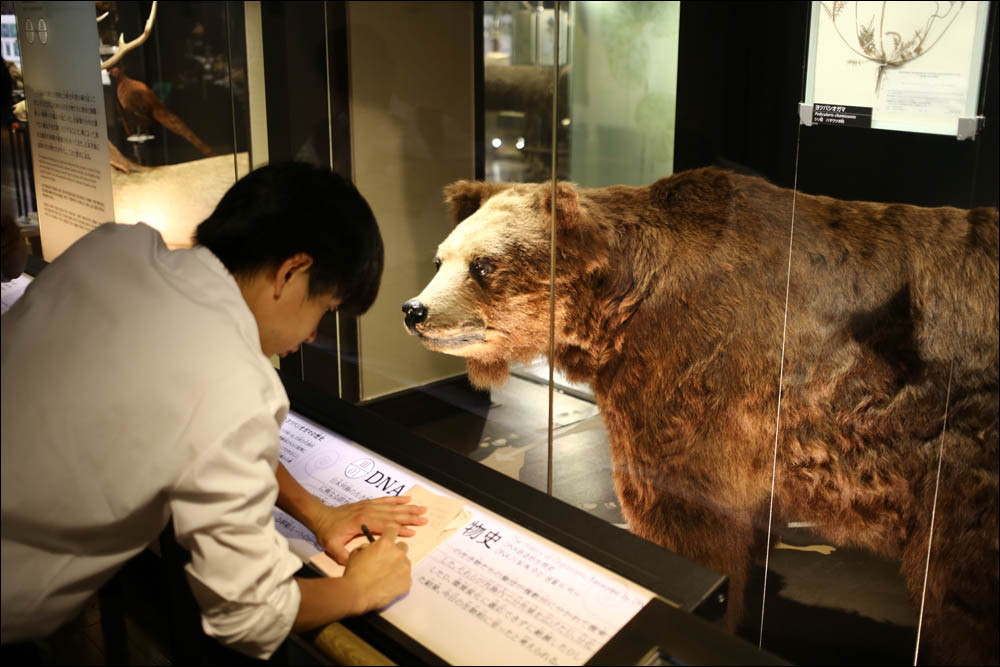
Schoolchildren come to museums in droves and take notes.
Hikikomori stay home — up to 7% of the population. They've simply decided to reject social life.
Japanese women end their careers when they have children. There's a complex system: they work 4 hours and don't pay tax, the husband gets pension benefits. If the spouse dies, the wife receives his pension. It's fashionable to improve oneself by studying art and educating one's husband.
Social norms don't allow simply approaching strangers on the street. The only free activity is concerts. The rest of the time, you maintain proper behavior.
Classes are shuffled every year — the assumption is you'll know enough people. In practice, you might not get to know anyone well.
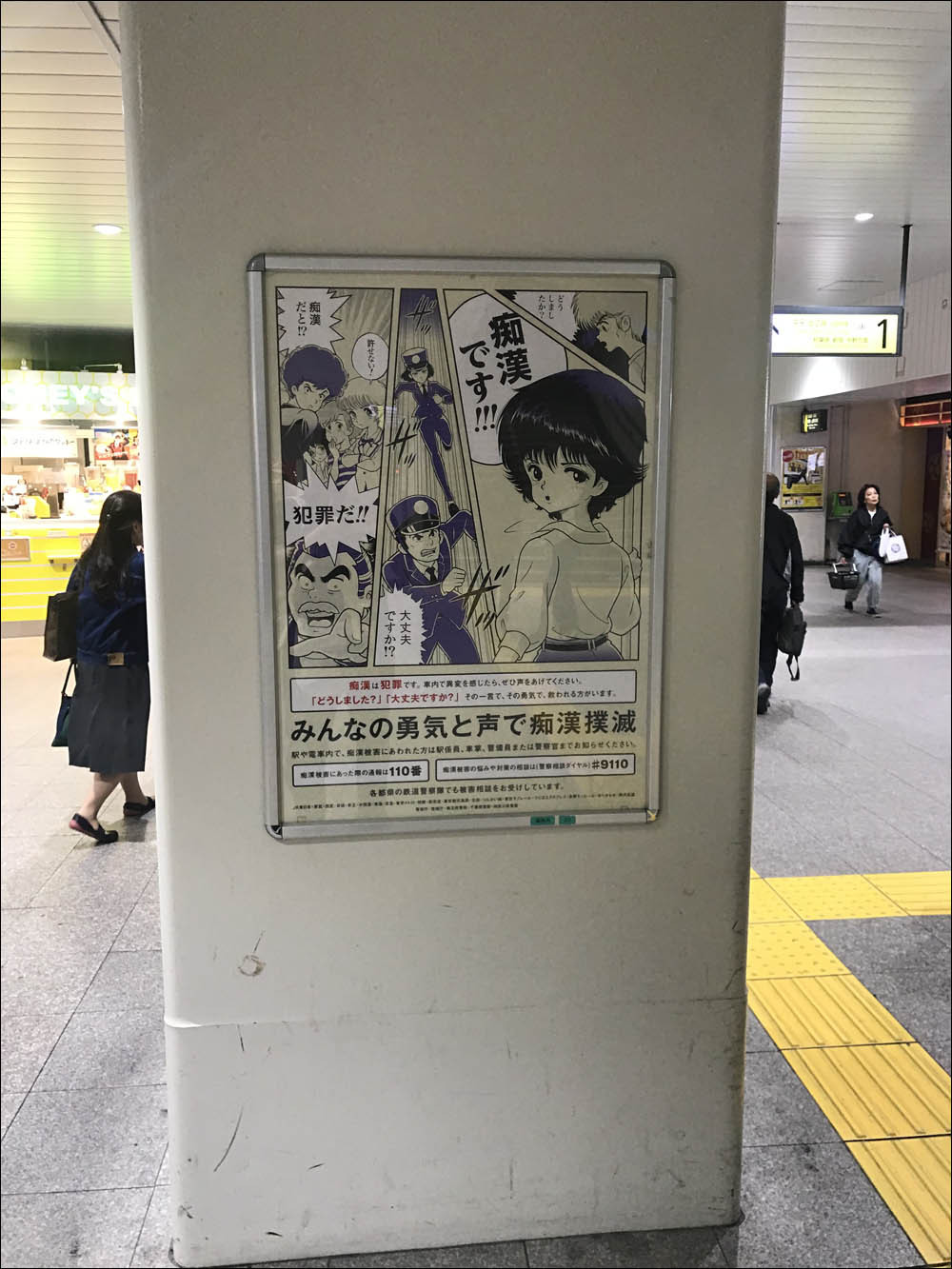
Twenty-six percent of people under 34 are virgins. There's no body shame, but there's fear of approaching the opposite sex. Transportation announcements warn about "perverts on the metro."
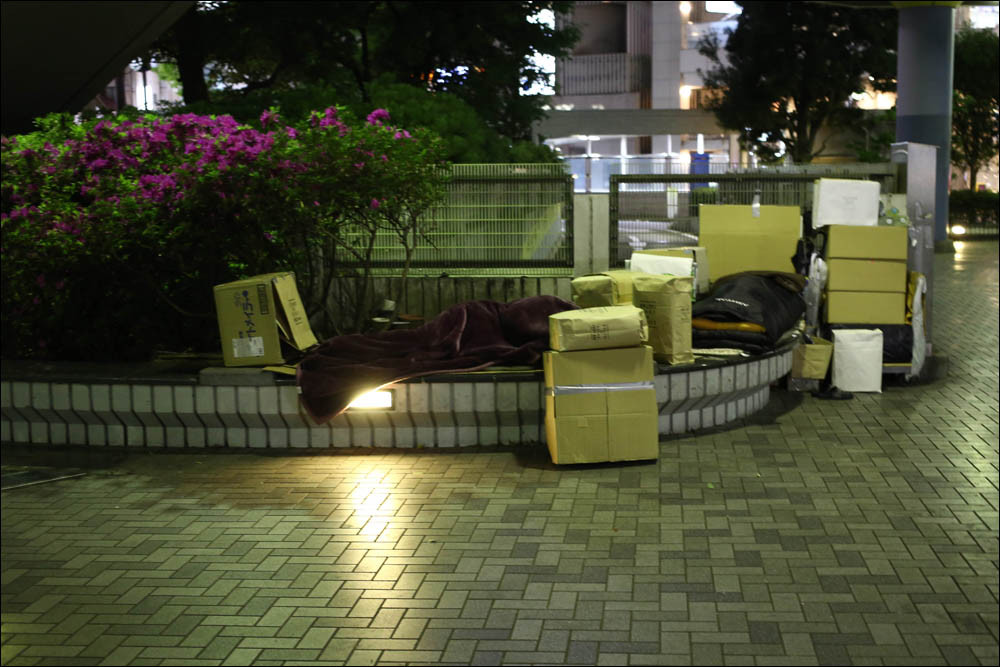
Homeless people exist. They bathe and lead a Diogenes-like existence. In the entire metropolis there are a couple thousand, almost all ideological.
Expats and fixers consider us frightening in appearance but open. We're clueless, don't understand the obvious, but more universal than expected. The Japanese are very focused on their own field. However, they learn quickly.
When drunk, they maintain friendliness and joy. This isn't hypocrisy. But there's no particular "loyalty" — if it's advantageous to throw you under the bus, they will.
Society is clan-based (work is "we"), but everyone is an individualist. A flock of birds where each maintains distance but they all act in concert. It starts at school when children walk single file. Older kids are in front and back, younger ones in the middle. It's scary to break away.
Additional Observations
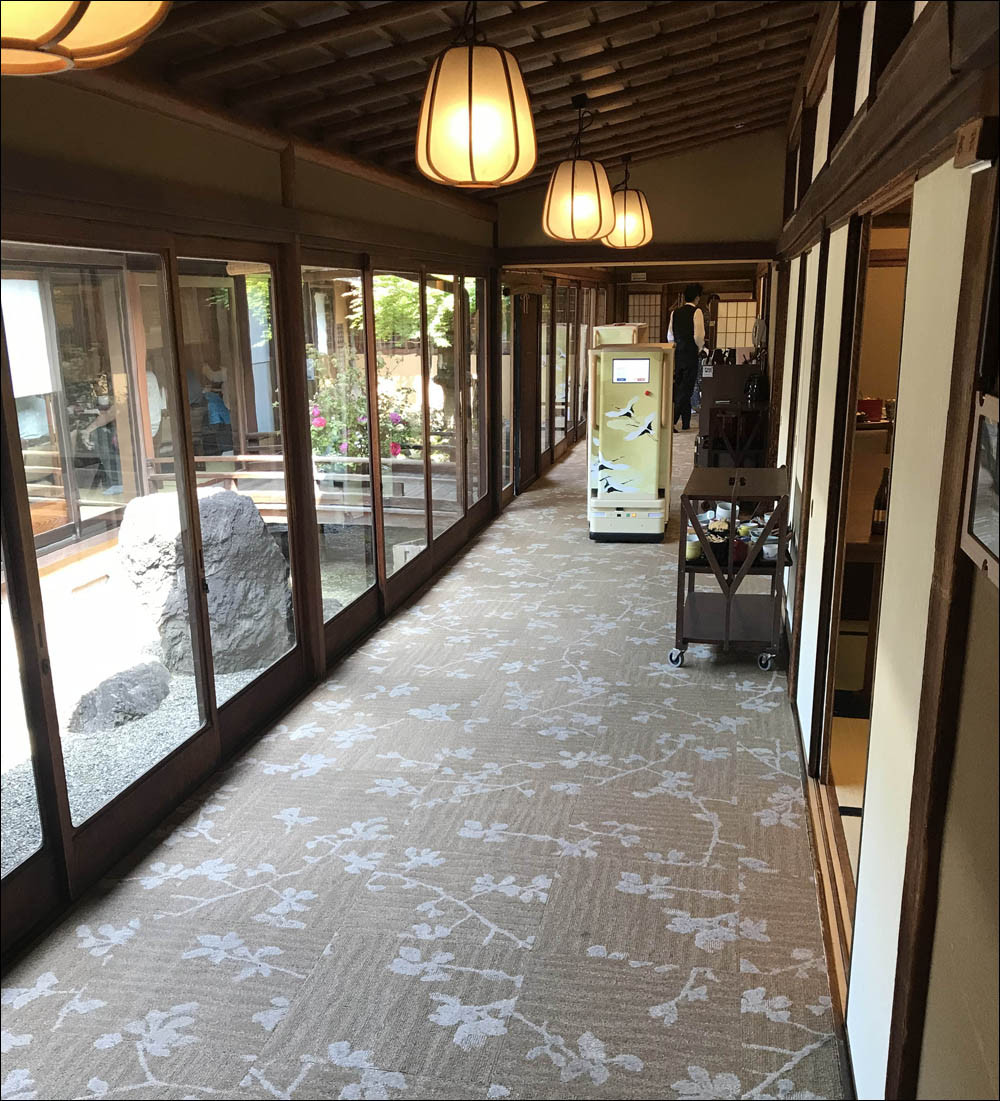
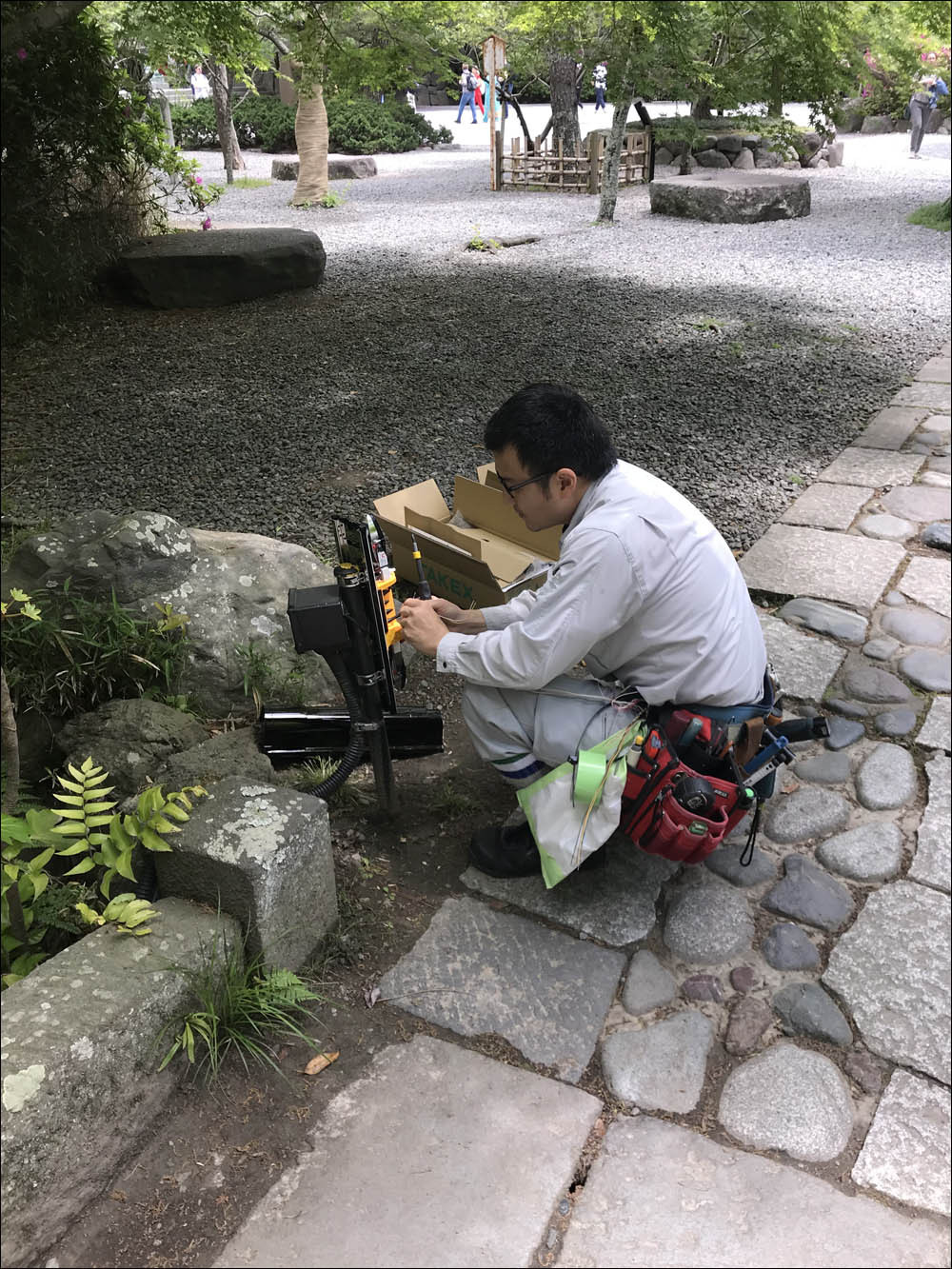
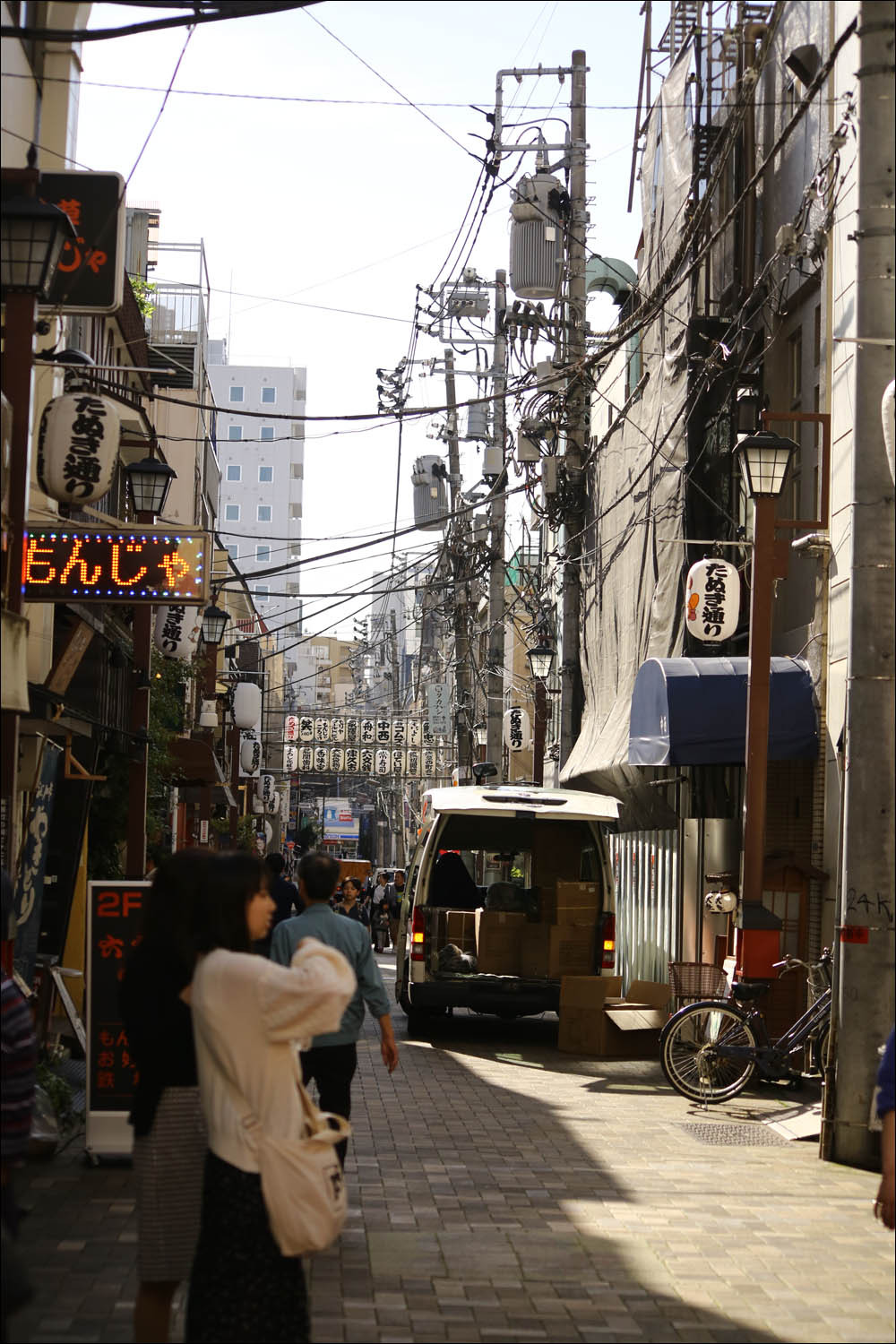
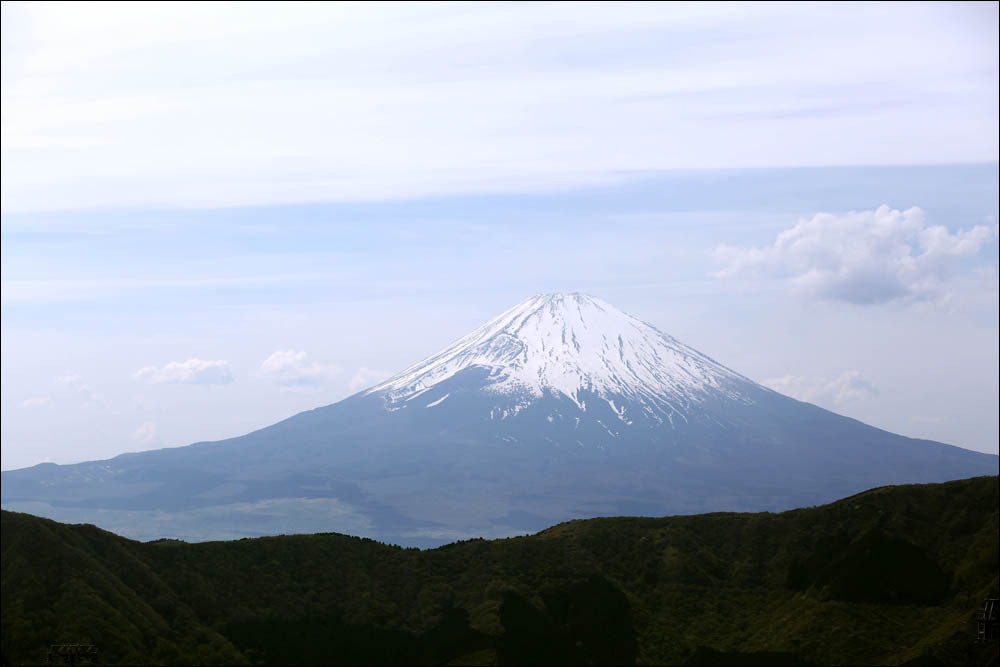
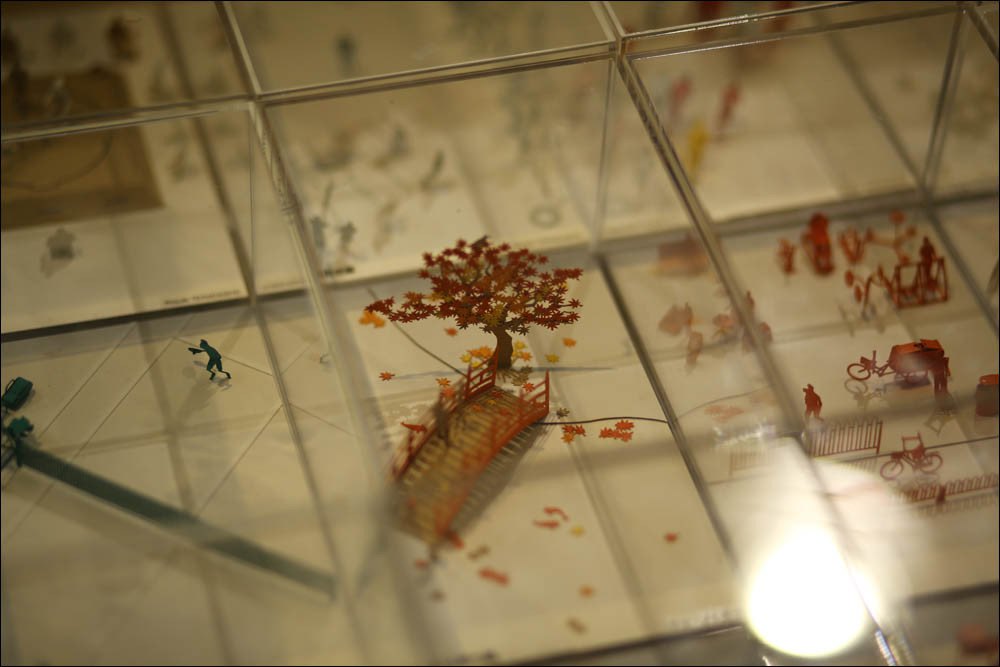
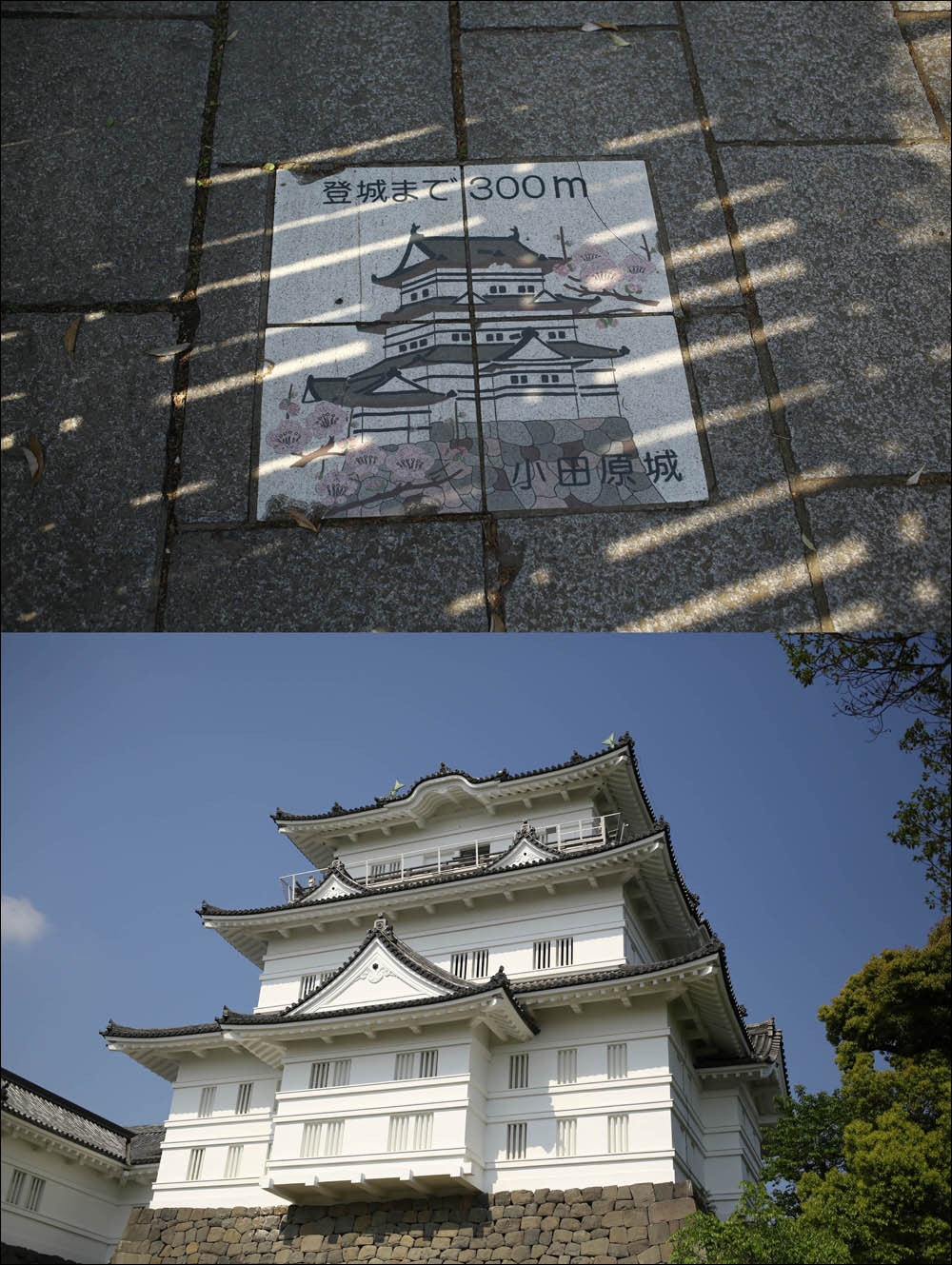
Buildings and crowds are everywhere. Automation delivers trays in restaurants. Engineers are well-equipped with tools. Wires are a mess. Mount Fuji is visible. You can buy paper for crafts. A woman spent 2 hours luring a cat. Tile navigation corresponds to reality.
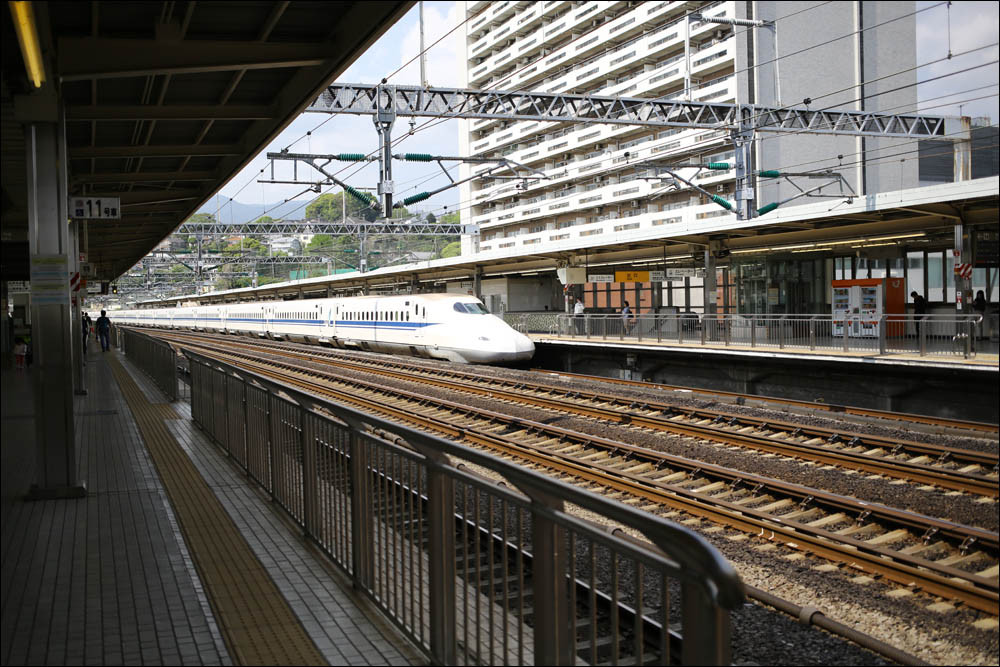
Trains are fast and expensive. In 2017, one departed 20 seconds early, and the carrier apologized on television.
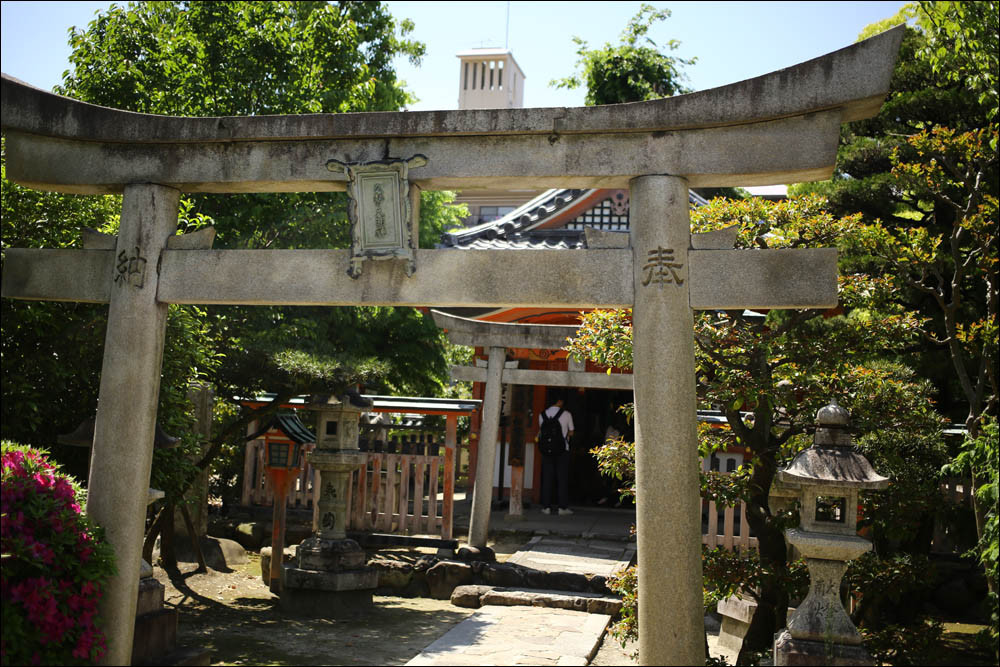
Religion: Shinto for the good things, Buddhism for problems, Christianity for marriages.
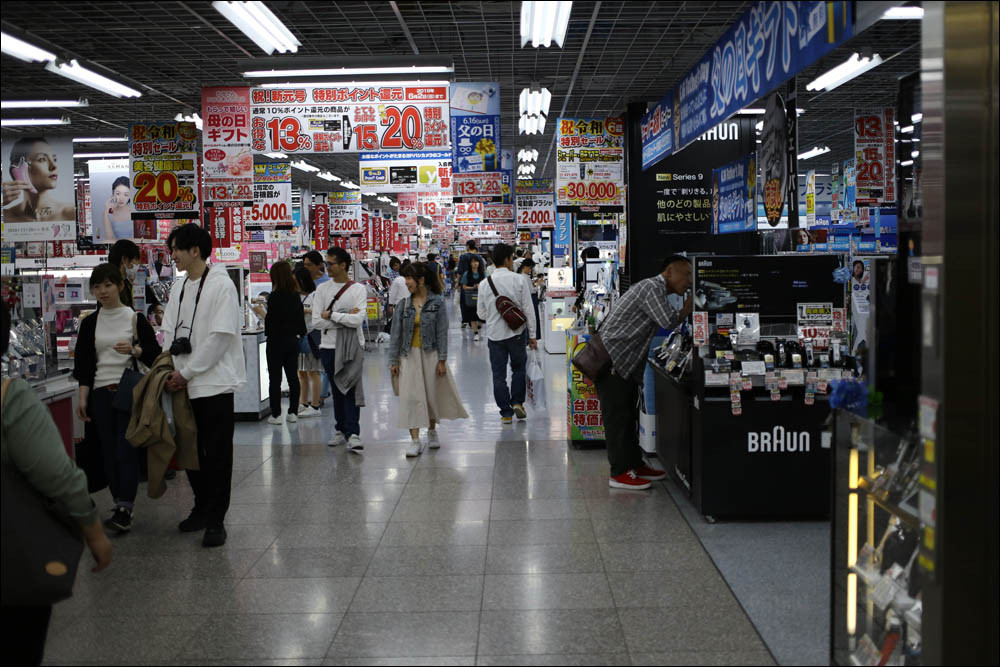
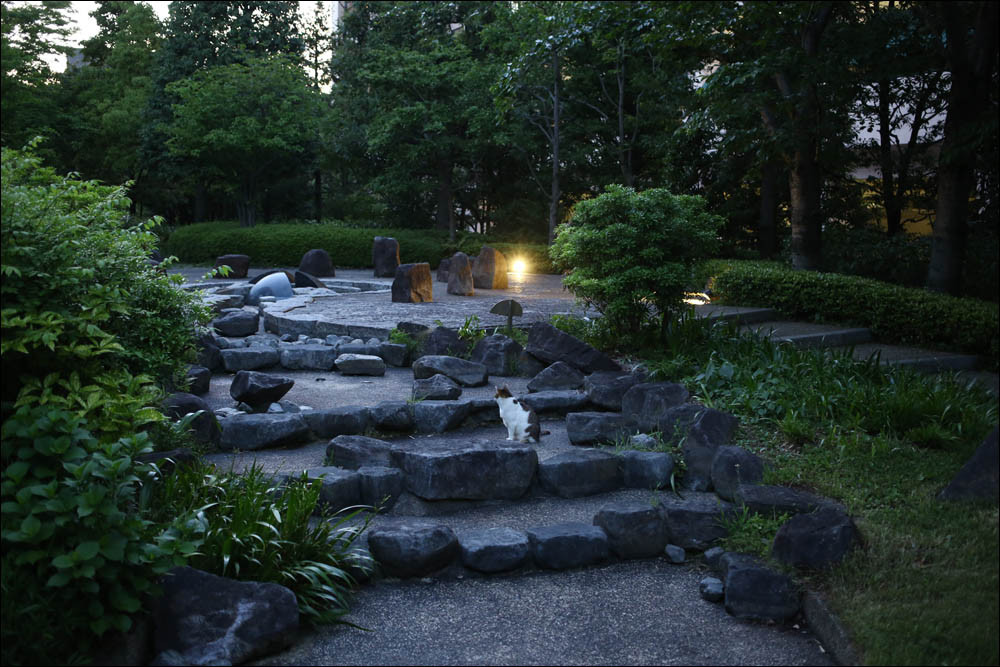
Sales are just as chaotic. Aesthetics are everywhere. Cats are rare — keeping them is expensive.
In general, it's a very strange country. Half the time it felt like we hadn't left home, except the future was all around. Then we'd encounter things that don't exist in our time. Everything was extremely logical when approached with cynical thinking and willingness to step away from conventional morality.