Linux Phones Are More Important Than Ever
The Free Software Foundation launched the Librephone initiative in October 2025, aiming to produce the world's first fully open smartphone at both hardware and software levels. With Google and Apple tightening their grip on mobile platforms through proprietary firmware and mandatory identity verification, genuinely free mobile operating systems have never been more urgent.
In October 2025 the Free Software Foundation announced Librephone—described as "the world's first completely free smartphone, absolutely open at both software and hardware levels." The project is still in a conceptual phase, but the response from the free-software community has been substantial.
Technical Leadership
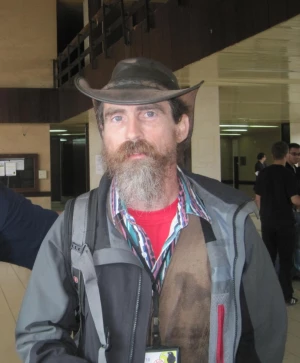
The project is led by Rob Savoye, an open-source developer whose career stretches back to 1977. Savoye has contributed to DejaGNU, Gnash, and OpenStreetMap, and brings deep experience with embedded systems—exactly the domain where smartphone freedom matters most.
Initial funding came from John Gilmore, FSF co-founder and early contributor to the cypherpunk mailing list. Gilmore discovered that even privacy-oriented LineageOS configurations still contain significant proprietary firmware components, motivating him to fund a more thorough solution.
Project Goals
Librephone has two concrete objectives:
- Identify contemporary devices that have the fewest proprietary firmware components ("blobs").
- Reverse-engineer and replace the remaining closed-source software with free alternatives.
LineageOS already supports devices from 28 manufacturers. The FSF wants to go further: eliminating every proprietary element from at least one current device, creating a fully auditable software stack from bootloader to application layer.
Why Now? The Tightening Corporate Grip
Both major mobile platforms are moving in the same direction: less user control, more vendor lock-in.
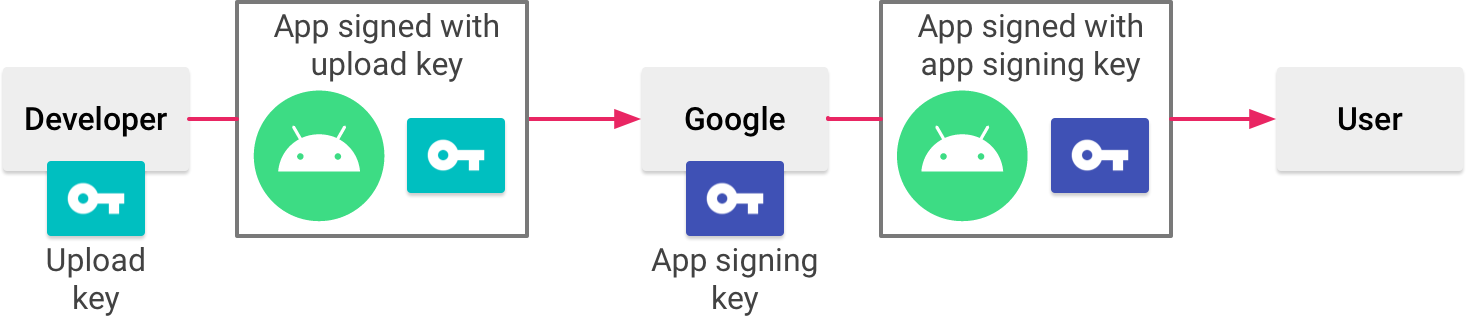
Android / Google: Google embeds proprietary binary blobs throughout Android, turning a technically open-source OS into a surveillance-capable platform. Upcoming policy changes will restrict sideloading of applications and require developers to verify their identity with Google—steps that make it progressively harder to run software Google has not approved.
iOS / Apple: Apple's platform is even more restrictive. Users cannot remove system software or install arbitrary programs outside of Apple-controlled channels (the App Store, and the recently mandated but heavily constrained EU sideloading). There is no equivalent of a BIOS or bootloader that users can replace.
Smartphones are now humanity's primary computing device. Accepting a phone that you cannot fully control means accepting a computer that can be audited, restricted, or modified by its manufacturer at any time.
Existing Free and Open Mobile Operating Systems
Android-based distributions:
- GrapheneOS — Targets Google Pixel devices. Strong security hardening and sandboxing. The most practical choice for privacy-conscious everyday users right now.
- LineageOS — Successor to CyanogenMod. Broad device support (28+ manufacturers). Still contains some proprietary blobs.
- CalyxOS — Privacy-focused, includes microG for Google service compatibility.
- Replicant — FSF-endorsed; aims for zero proprietary code but runs on very few devices.
- crDroid — Performance and customization focus.
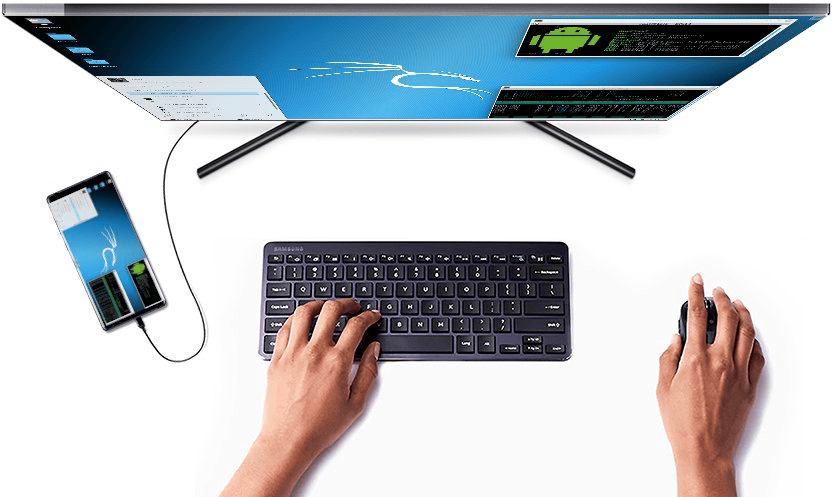
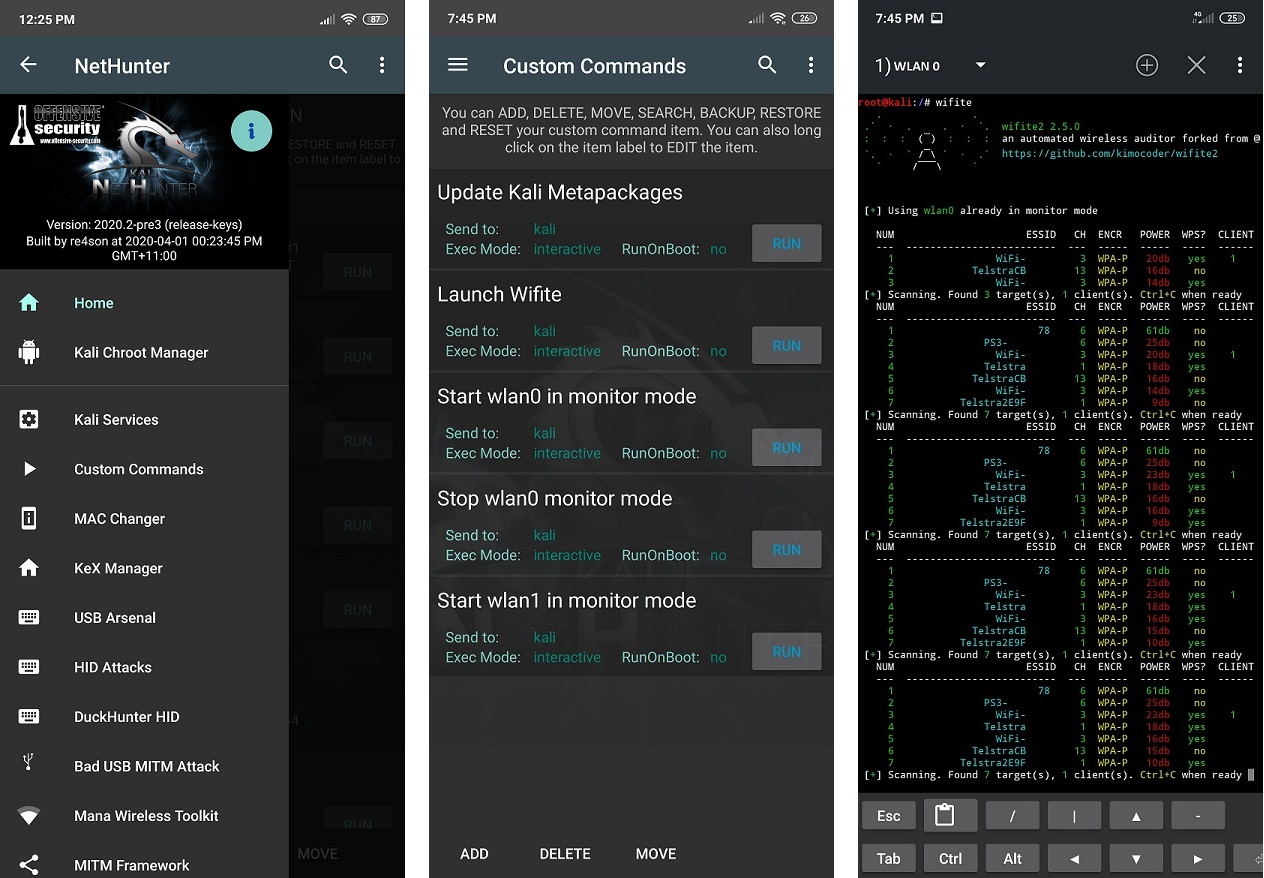
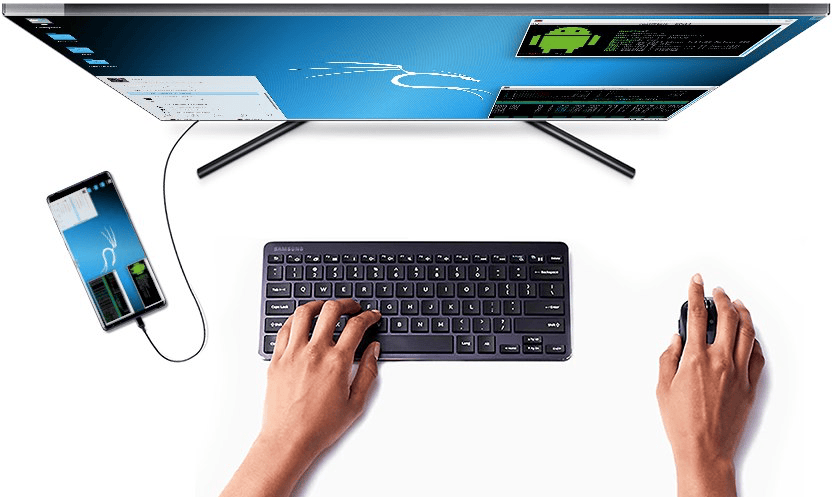
- Kali NetHunter — Security testing platform for penetration testers.

Non-Android Linux platforms:
- Sailfish OS — Finnish commercial OS with open-source components; runs on Sony Xperia devices.
- Ubuntu Touch — Community-maintained Ubuntu for mobile, developed by UBports.
- Plasma Mobile — KDE's mobile interface running on mainline Linux.
- Mobian — Debian for mobile, primarily targeting the PinePhone and Librem 5.
- PostmarketOS — Alpine-based, supports hundreds of devices with mainline kernel patches.
- PureOS — Purism's distribution, ships on the Librem 5.
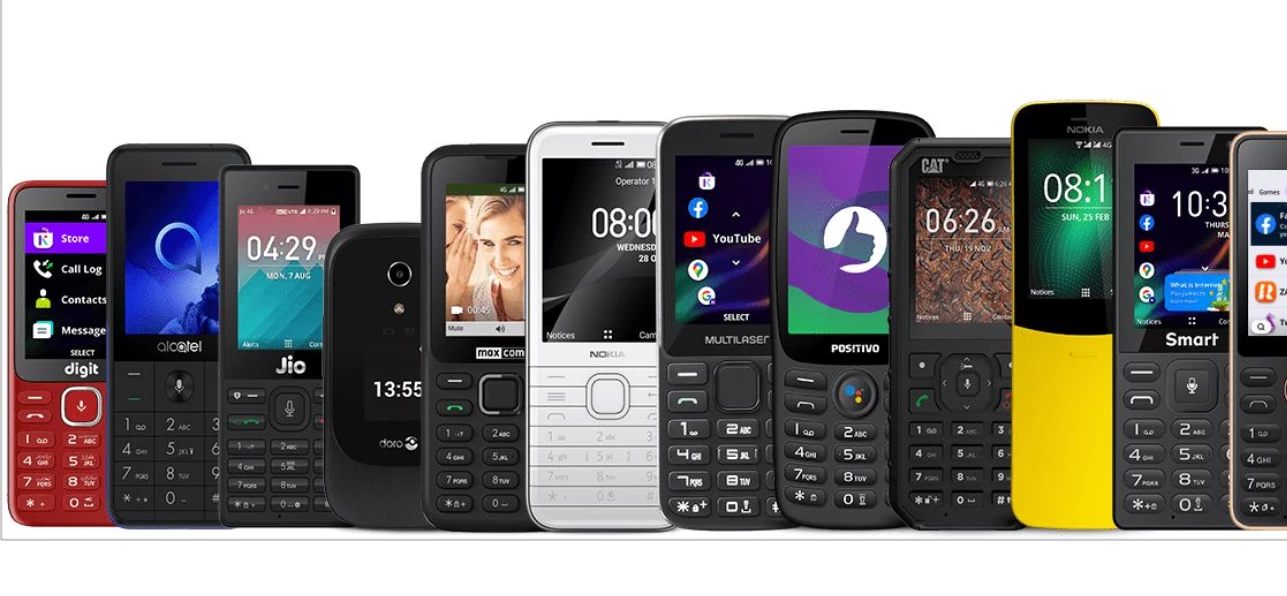
- KaiOS — Feature-phone OS with app support; used on hundreds of millions of low-cost devices.
Security and Privacy Tools
Beyond the OS itself, several tools help reduce the digital footprint on mobile and desktop platforms:
- BleachBit / CCleaner / SD Maid — Activity trace removal and storage cleaning.
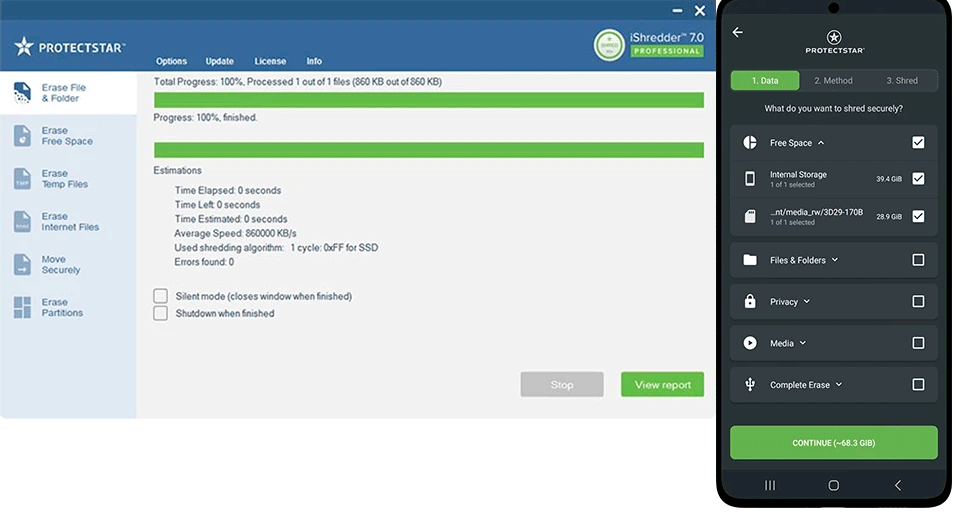
- iShredder — Secure file deletion for mobile devices.
- Tails OS — Amnesic desktop OS that leaves no trace; no smartphone equivalent currently exists.
The Broader Stakes
The fundamental argument of the article is straightforward: because smartphones have displaced desktop and laptop computers as the primary computing device for most of the world's population, the principles of software freedom that drove GNU, Linux, and the open-source movement on the desktop now apply with even greater urgency on mobile. A world in which every pocket computer runs a closed, auditable-by-the-vendor OS is a world with dramatically less practical freedom—regardless of what the software license technically says.
Librephone may still be a concept, but it represents a concrete institutional commitment—backed by the FSF's credibility and Gilmore's funding—to solve the problem properly rather than settle for the partial freedom that current Android distributions offer.