On Cosmic Kindness and the Chelyabinsk Meteorite
How a Habr article led to opening satellite data from Russia's Elektro-L weather satellite, and finally seeing the Chelyabinsk meteorite trail from space after months of closed archives.
While NASA is in a coma, it's the perfect time to tell a story about how cosmic kindness scored a small victory over cosmic indifference. Today we'll talk once more about the Elektro-L satellite, and about how Habr can work small miracles.
I hope many of you already know about Russia's meteorological satellite Elektro-L, which has been operating in geostationary orbit for three years now. I've written about it many times before, and demonstrated the results of its work. Today I'll share another piece of positive news about the satellite.
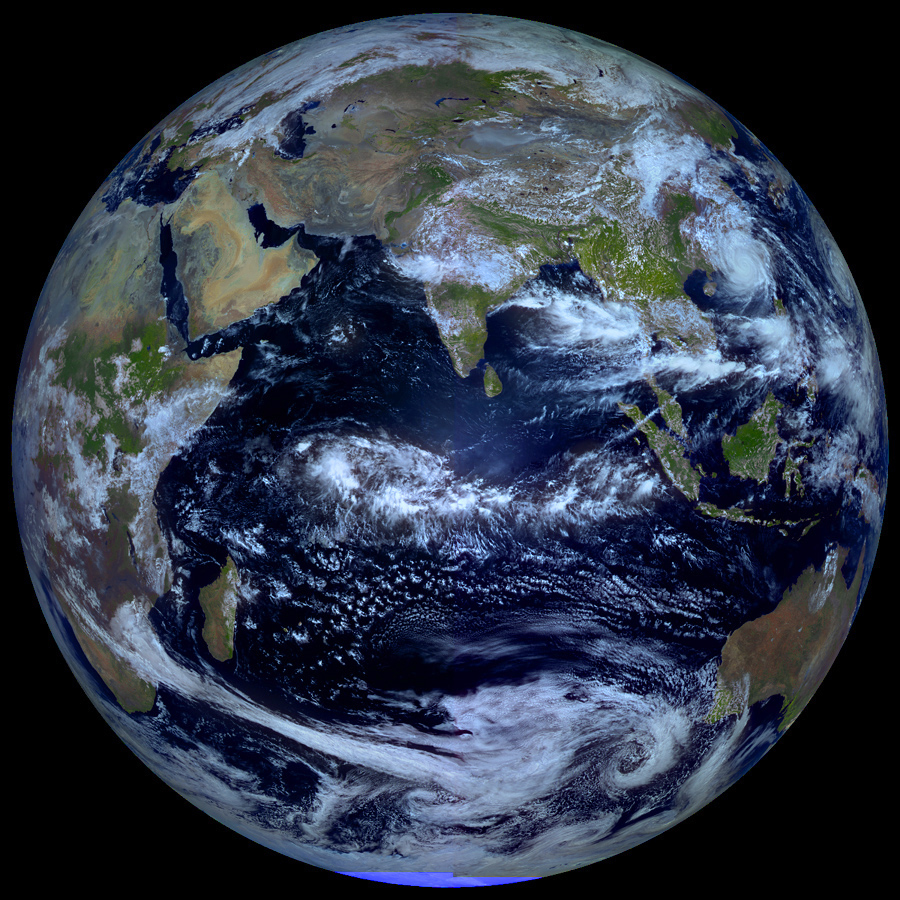
It captures the visible disk of the Earth once every half hour, and its images are publicly available. Anyone can process them. You can make videos, GIFs, desktop wallpapers, freely download and print photos. You can find a Windows program that displays these images on your desktop. You can subscribe to a Twitter bot that sends a new photo from orbit every day. In short: the satellite gives the beauty of Earth to everyone.
The fact that the results of Elektro-L's work are interesting not only to us, but also to Western audiences — even those spoiled by NASA's abundance — is evidenced by a recent series of publications in American media. Moreover, its September 28th image earned a place on NASA's Astronomy Picture of the Day resource. And this publication generated quite a few enthusiastic responses abroad.
Its images were available to everyone, but not all of them. The thing is, Elektro-L essentially has two operators: Roscosmos (the Federal Space Agency) and the Federal Service for Hydrometeorology and Environmental Monitoring (Roshydromet). Roscosmos receives and publishes satellite images through its subdivision: the Research Center for Earth Operational Monitoring (NTsOMZ). Roshydromet receives and processes images through the "Planeta" Research Center.
The problem was that a portion of images during the day — from 6:30 to 8:00 Moscow time — were not received by NTsOMZ, meaning they weren't on the public server. During that time, data was received in Novosibirsk at the Siberian branch of "Planeta."
That's why videos and animations assembled from NTsOMZ images contained an unpleasant jump in lighting that was too noticeable and disrupted the observed harmony of Earth's eternal motion.
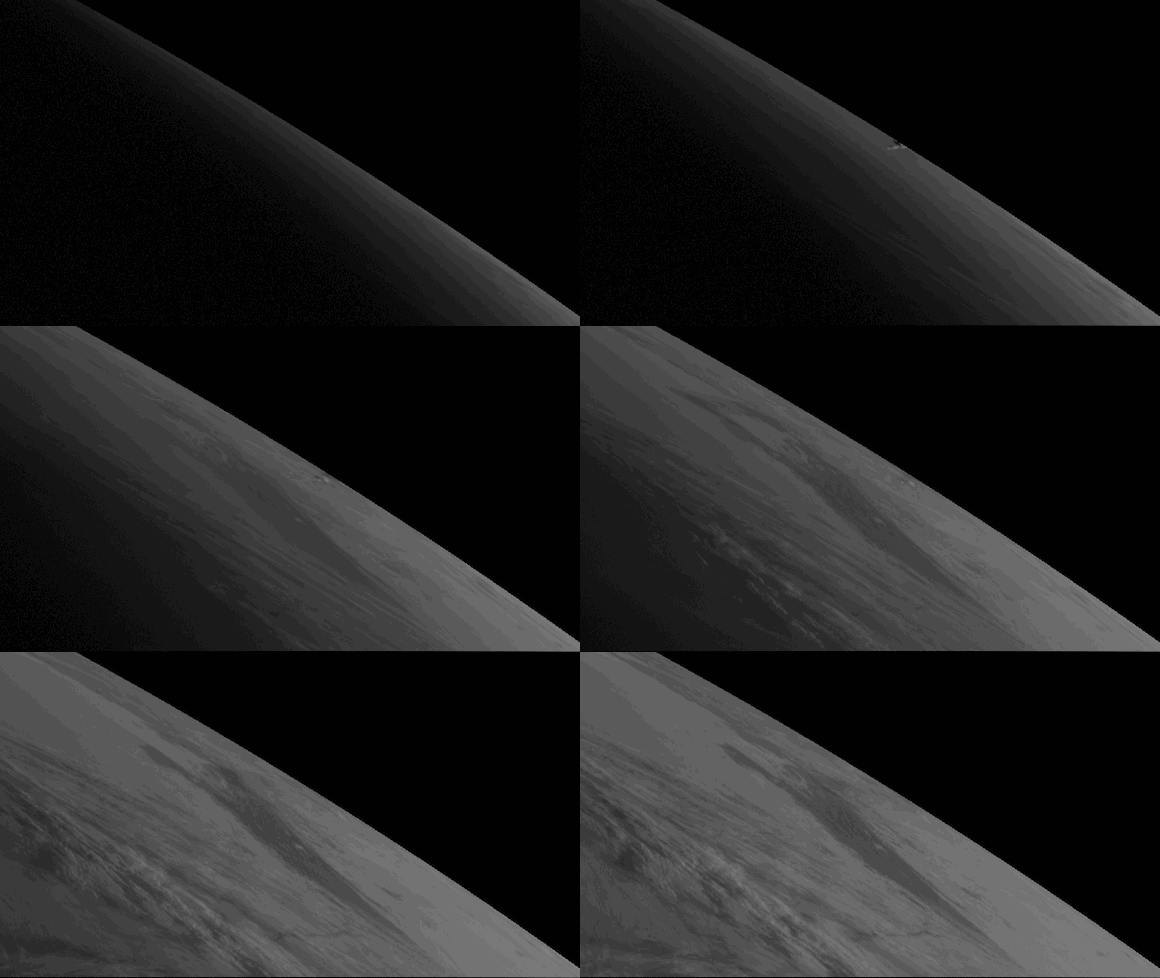
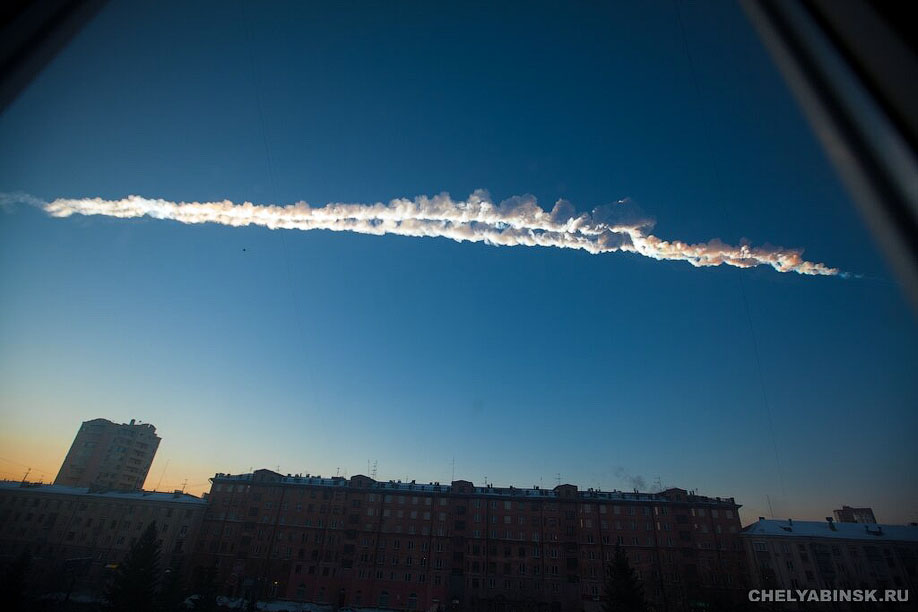
For the same reason, we were unable to see the cloud trail of the Chelyabinsk meteorite, which it left in the morning sky during its spectacular flyby on February 15th at 7:20 AM Moscow time. That day, Europeans and Chinese showed off images from their satellites.
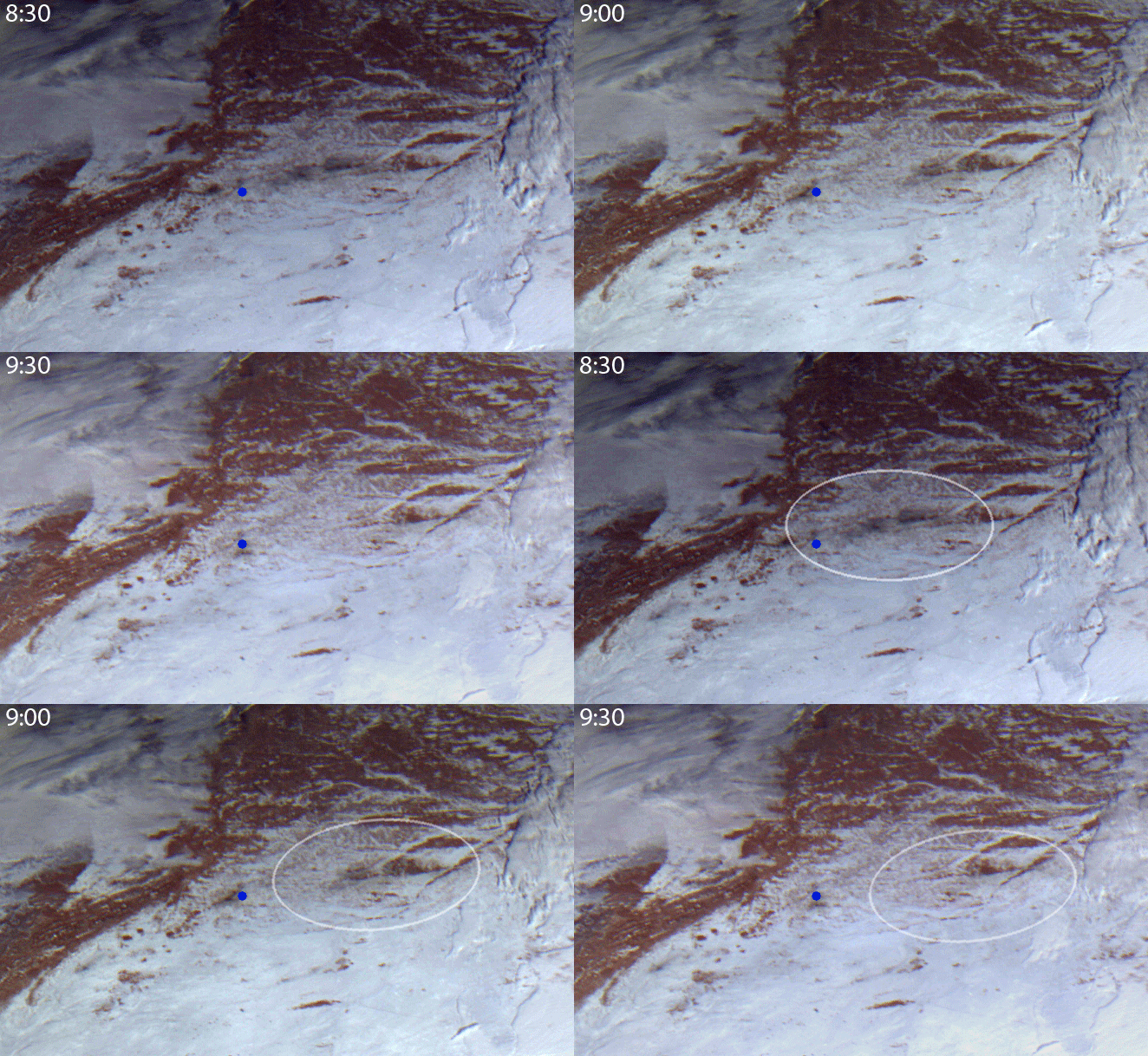
Elektro-L had a more favorable viewing angle, but the meteorite fell during the inconvenient "Novosibirsk" time, and the attempt to obtain images through official channels was unsuccessful.
We had to settle for only the spreading shadow, captured after 8:30.

Even the media couldn't get hold of those images.
However, recently an email arrived in the inbox of one of the admins of the Elektro-L VKontakte group:
Good day. This is Mikhail Zakhvatov, head of the scientific department at the Siberian Center of the "Planeta" Research Center. I accidentally stumbled upon an article on Habr about Elektro-L. Frankly, I was surprised by the existing problem of missing publicly available information for our 4 time slots. We happily decided to fix this "oversight." As a result, we improved the software and opened a new output stream to our public FTP service. We tried to maintain the structure and content in the NTsOMZ format. ftp1.rcpod.ru/ElectroL/
My reaction upon reading this:
(Be careful with their FTP though — their capacity is weaker than NTsOMZ's, and it might not survive the Habr effect.)
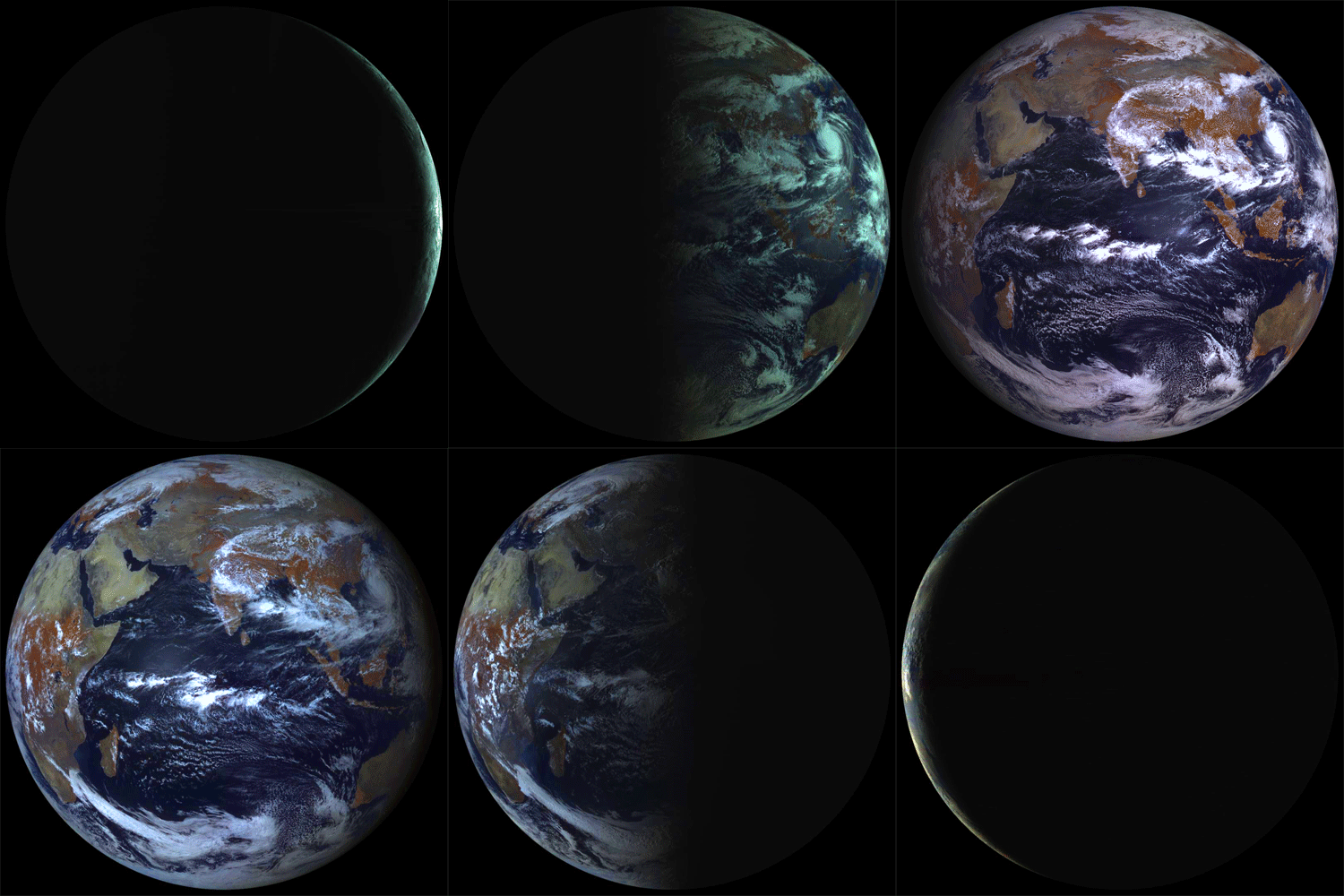
Data began loading from September, so the February meteorite remained in the depths of Roshydromet. But now, finally, we can make smooth animations of the sun's daily movement.
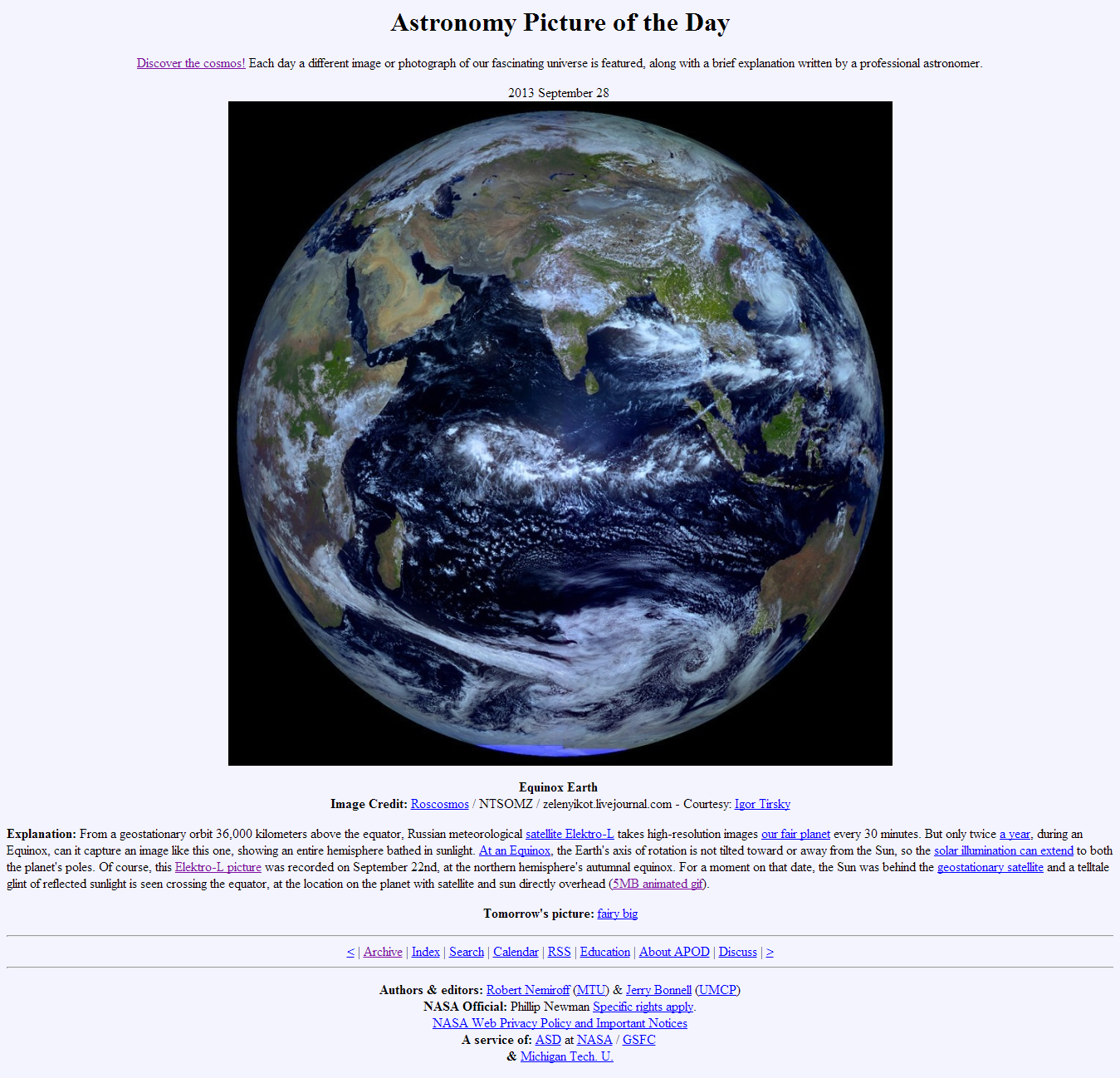
It was precisely this animation of the autumn equinox, along with a static photo, that "went around the world" and appeared on APOD.
It's unfortunate that these images, and the fact of their foreign "tour," hardly interested domestic media. Only RIA Novosti wrote about it on their Twitter. The news also appeared on gismeteo.ru, astronet.ru and, strangely enough, on the Ukrainian site facenews.ua. I sent a link to "Rossiyskaya Gazeta" by email, but apparently an event like this held no significance for them. Although, what can you expect from them, when their "Space" section is part of the "Humanities Block"?
But space enthusiasts are insatiable! I wrote to Mikhail asking him to upload the images from February 15, 2013. And he, though on vacation, reached out to his colleagues, who added four archives for the needed hours to the server.
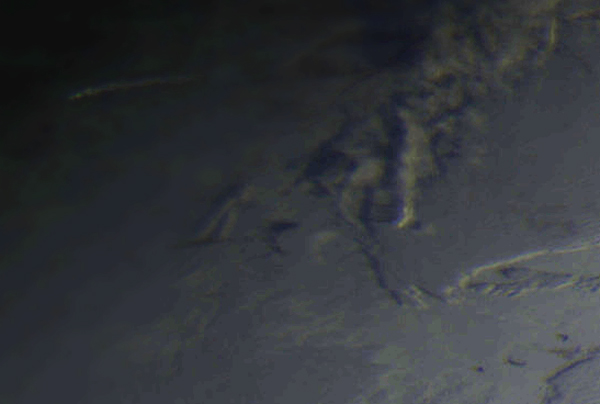
And so, albeit six months later — the Chelyabinsk meteorite, view from above, from a distance of 36,000 km.
This image captured the trail in the sky that formed 10 minutes after the fall. You can see that it's already illuminated by the sun while below there is still darkness, meaning it is significantly higher than the clouds at that longitude.
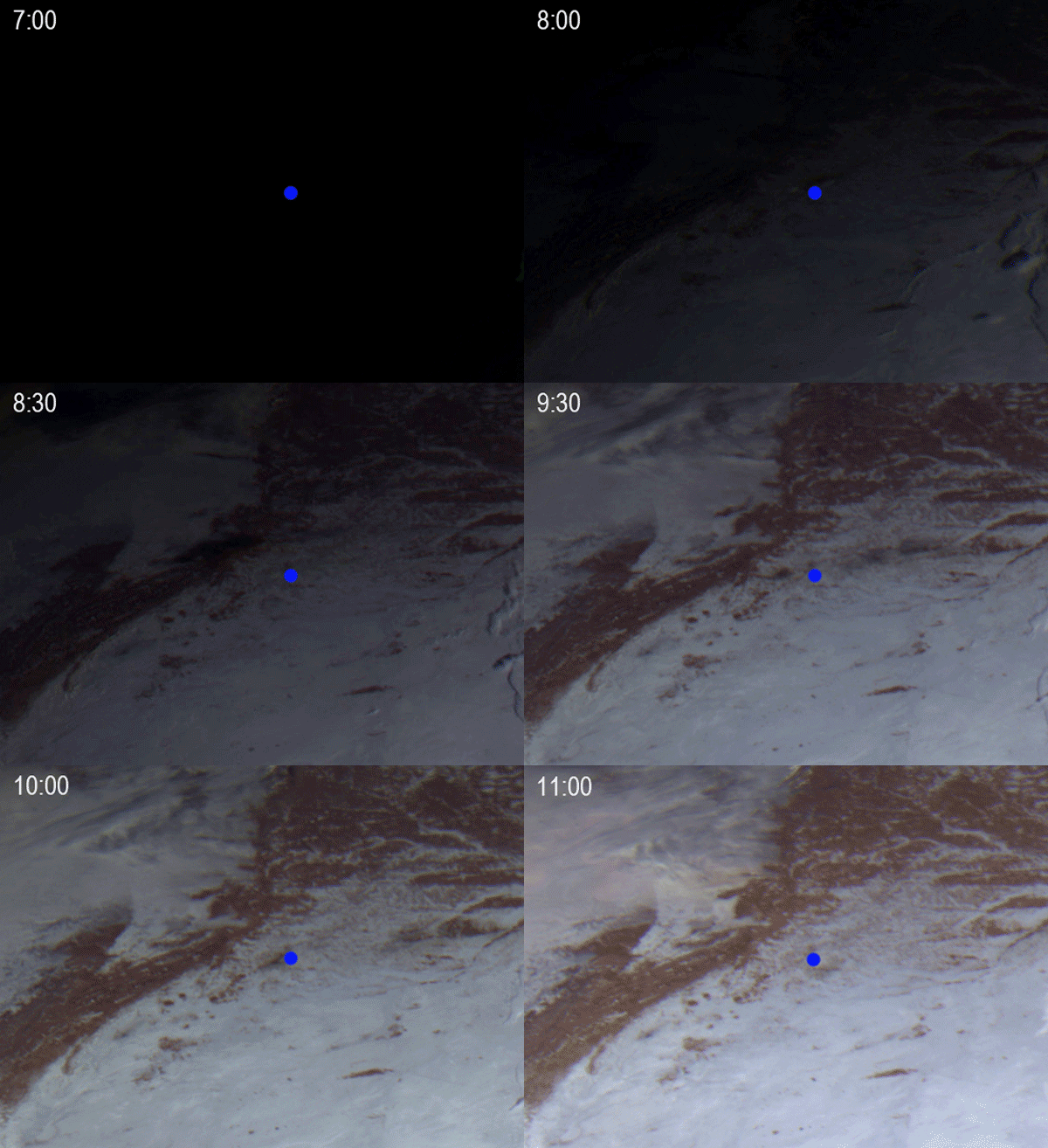
If desired, you can determine from the satellite image the height of the formed cloud, its thickness and extent, and estimate the direction and location of the presumed impact of the celestial body. I remember that in the first hours, and even days after the event — these were important questions that both professionals and amateurs were working on. But there were no satellite images publicly available. I don't know whether Elektro-L data was used by our scientists, but something tells me this opportunity was neglected.
It's curious that right about now the operation to raise the largest fragment of the meteorite from Lake Chebarkul is underway. And here we have our own successful excavations on Roshydromet's servers.
Now, finally, we have all images from Elektro-L publicly available. You can use them at your discretion. For example, it would be great to see an analog of a weather site like sat24.com or something similar. (It didn't work out implementing this idea with enthusiast efforts, so I'm giving away this business idea ;) The images can be used for interior design, especially in schools — something like this wouldn't hurt. As for me, I'll keep looking for interesting and/or beautiful events on its frames and, when possible, telling you about them.
In conclusion, I'd like to thank Mikhail Zakhvatov for his decision to "fix the oversight"; all employees of the "Planeta" Research Center and NTsOMZ for sharing the results of our domestic spacecraft with us; NPO Lavochkin for building Elektro-L; and all space industry workers involved in creating, launching, and operating this satellite. I hope this example will show all responsible officials that open data is the best way to demonstrate the work of our spacecraft, and that a high-quality visual result speaks all languages at once and is worth more than a thousand loud words.
Thank you!