Paxillus Mushrooms and COVID-19: How the Body Destroys Itself
An exploration of two mechanisms by which the human body's immune system turns against itself — autoimmune hemolysis triggered by Paxillus involutus mushroom toxins and the cytokine storm in COVID-19 — revealing how immune overreaction can be more deadly than the threat itself.
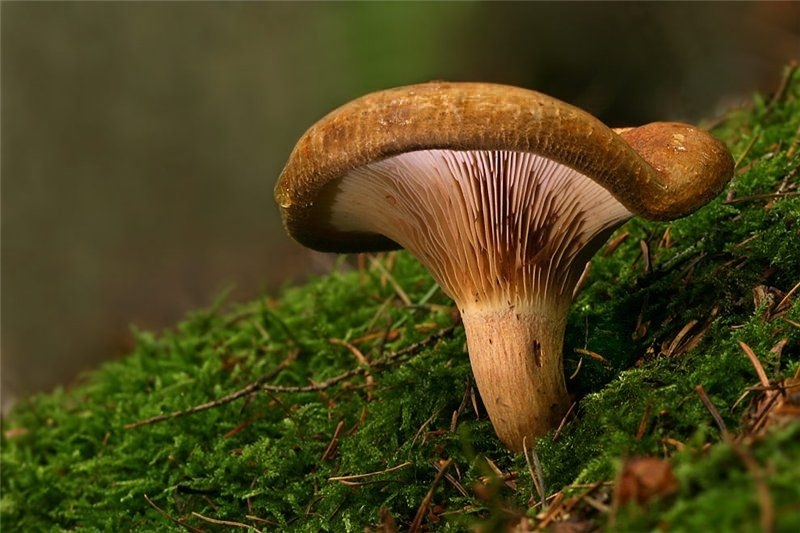
I'll begin this story with a very tasty mushroom that grew abundantly in the forests of my childhood — the Paxillus involutus (commonly known as the brown roll-rim).
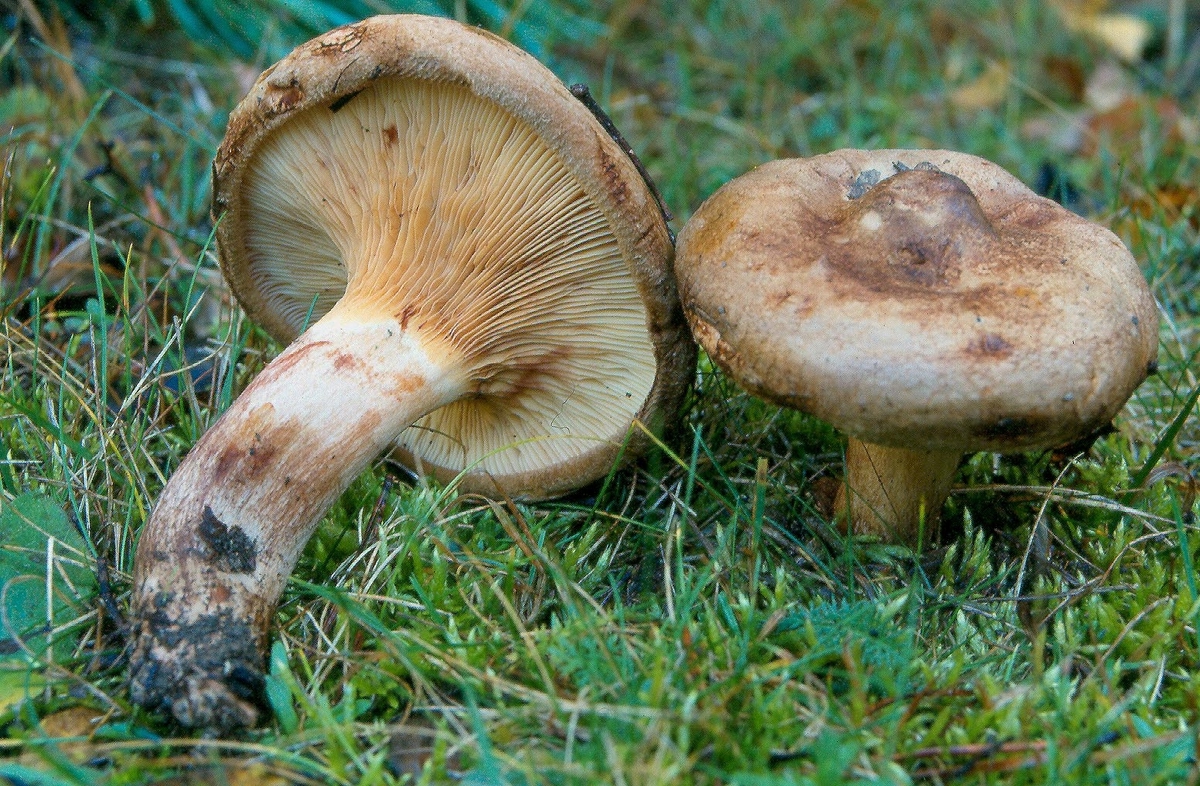
Meet it — the Paxillus involutus, also known by dozens of folk names in Russian: svinukha, svinka, svinar, pig's ear, cow-lip, and many more.
This mushroom was traditionally consumed across many regions of the former USSR and other Slavic countries. There are numerous ways to prepare it: frying, adding to soups, pickling, and drying. As I already mentioned, the mushroom is quite tasty, filling, and versatile.
However, since October 1944 — after the death of German mycologist Julius Schaeffer — there was a long-running debate about the toxicity of this species. The mushroom bounced around reference books, classified as "edible," then "conditionally edible," then "inedible," and even "poisonous."
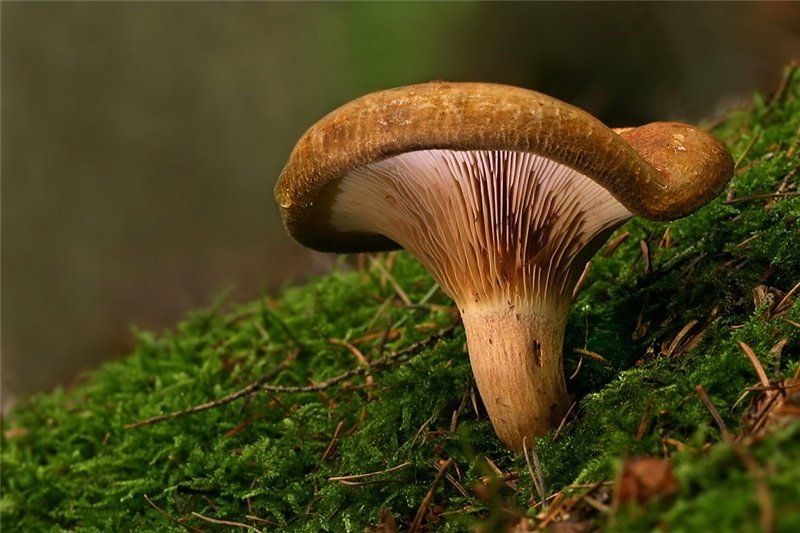
The reasons for this uncertainty were twofold. On one hand, deaths directly following consumption of Paxillus involutus were occasionally recorded. On the other, these cases were quite rare, and many thousands of people calmly consumed these mushrooms without experiencing any adverse health effects whatsoever. At least, they experienced no problems immediately after eating them.
Because of this, an intermediate theory emerged: Paxillus mushrooms supposedly tend to accumulate heavy metal salts and other nasty substances — and the rare poisoning cases were attributed to people occasionally getting mushrooms that had accumulated some harmful material.
But since people continued to be poisoned and die from time to time, research continued. And two studies proved key: one Polish and one Swiss.
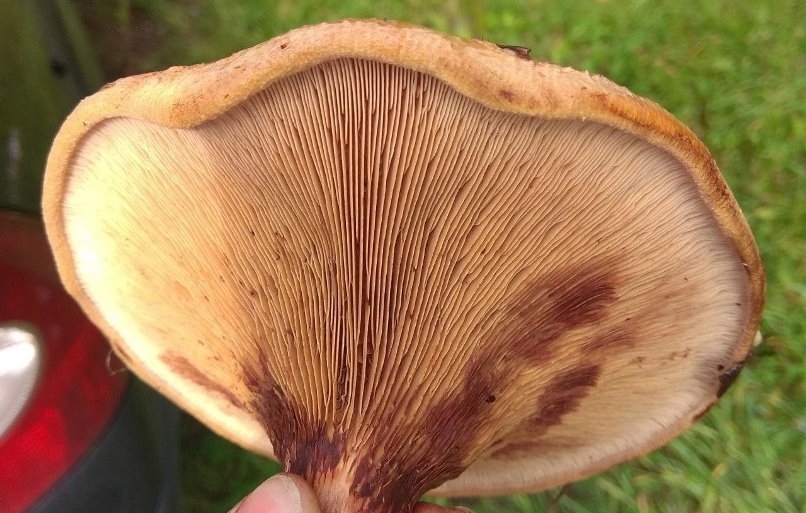
In Poland, a special decade-long study was conducted, accumulating statistics on Paxillus poisoning — which demonstrated that yes, such poisonings do occur and are not isolated incidents.
And in Switzerland, a local doctor named Rene Flammer discovered the specific mechanism that leads to death. And which, unexpectedly, showed that Paxillus involutus mushrooms are actually far, far more dangerous than anyone had thought. And that they have far more deaths to their name than had been previously believed.
The Paxillus Antigen Mechanism
It turned out that Paxillus mushrooms contain a special toxin, which was simply named "Paxillus antigen." It is a toxin from the lectin group that is not destroyed by heat treatment, and therefore happily enters the human body every time these mushrooms are consumed, regardless of how long they were pre-boiled or how they were thermally processed.

Once in the bloodstream, this antigen forms a chemical bond with cell membrane structures, attaching itself to the membranes of red blood cells. And, as a rule, nothing more happens. This antigen does not interfere with the functioning of these red blood cells, and when they are damaged and die, it calmly leaves the "dead red blood cell" and attaches to another, living one.
People would have lived peacefully, quietly accumulating "Paxillus antigens" inside themselves, if the immune system of our body didn't sometimes suddenly discover these foreign elements and launch an aggressive fight against them.
- Foreign gene detected! What do we do?
- Alarm-alarm!!! Destroy the cell carrying this foreign gene!
- Order executed, cell destroyed!
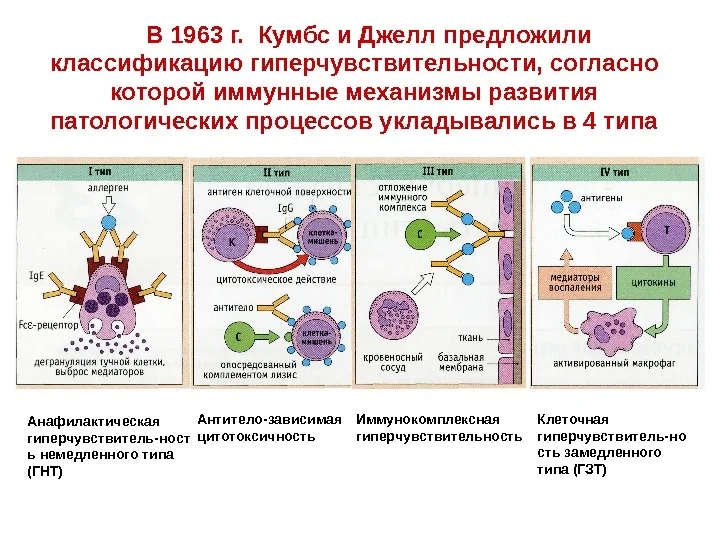
And so the human body kills its own living, functioning red blood cell, while the Paxillus antigen calmly detaches from it and attaches to another, new red blood cell — thereby signing its death warrant as well.
In other words, Paxillus involutus most often killed people:
- At times completely unrelated to the consumption of these mushrooms, which made it impossible to link people's deaths to this insidious member of the fungal kingdom.
- Formally not from mushroom poisoning per se, but from diseases related to insufficient living red blood cells — from hemolytic anemia, jaundice, liver dysfunction, and acute kidney failure.
This mechanism of the human body destroying itself is called autoimmune hemolysis of type II hypersensitivity according to Coombs.
Accordingly, it's important to understand that those of our ancestors who developed this reaction particularly quickly and severely were less likely to have the opportunity to leave offspring. Therefore, the relatively low mortality of modern Slavic peoples from consuming Paxillus involutus is partly due to the fact that the current population is the result of natural selection that worked to eliminate people with genes that produced an especially rapid and acute immune response to the Paxillus antigen.
But that's no reason to relax, ignore precautions, and happily pump your body full of a toxin that could trigger a chain reaction at any moment, one that almost inevitably leads to death.
That's enough about these very tasty, filling, and abundantly growing mushrooms that I no longer eat. And I don't recommend you do either.
From Mushrooms to COVID-19: The Cytokine Storm
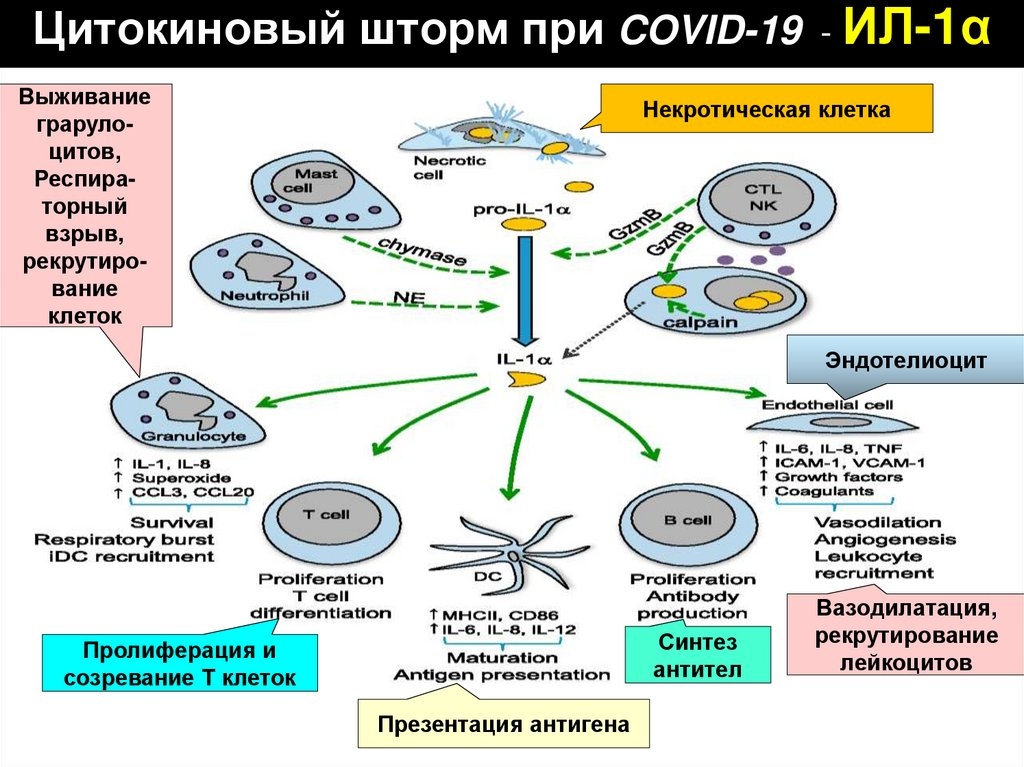
We'll continue with COVID-19, specifically one of the main causes of mortality from this disease — the cytokine storm.
A cytokine storm is the excessive production by the human body of cytokines — protein signaling molecules that play a key role in communication between cells, primarily in the body's immune system.

Roughly speaking, the more cytokines there are, the stronger the immune response to a real or imagined infection. Moreover, the higher the cytokine level, the broader the front of attack becomes — the more types of cells begin to be attacked. Accordingly, the higher the cytokine level, the more frequently the body begins attacking its own cells that seemed somehow suspicious to it.
This, quite obviously, leads to multiple injuries to the human body and its organs. And where it's thin, it tears. This general weakening of the body often leads to disruption of its normal functioning and even, not infrequently, to death.
In simplified terms, the mechanism works as follows:
- The body receives signals about infection — fragments of destroyed and damaged cells, toxins.
- The body ramps up the immune response.
- If the immune response does not lead to a reduction in signals about the destruction of its own cells, the immune system concludes that antigens against the "enemy" have not yet been found and expands the attack front, hoping that attacking on a broader front will help detect the enemy.
At some point, if the body still hasn't been able to detect the virus and develop a specific immune response against it, more and more of the body's own cells come under immune system attack, which triggers a self-sustaining cycle.
And this is precisely why attempts to treat COVID-19 by boosting and strengthening the human body's immune response often led to increased mortality. Conversely, drugs that reduce the strength of the immune response — antihistamines — often led to relief from the disease.
Whether it was necessary to urgently reduce the body's immune response could be easily and reliably determined using a simple blood test. High levels of C-reactive protein indicated a high rate of human cell destruction and required adjustments to treatment, specifically starting medications that reduce the degree of immune response. The author of this article has several people to his credit whose condition was stabilized from critical to normal, and then brought to full recovery, using precisely these measures: detecting the cytokine storm via C-reactive protein testing and taking steps to reduce the immune response.
To summarize, a direct correlation was found between cytokine levels in patients' blood and COVID-19 mortality, indicating that the lion's share of COVID-19 deaths were associated specifically with the cytokine storm, rather than direct destruction of human body cells by the virus.
The elusive nature of the COVID-19 virus, its atypicality, determined the fact that the human body found it difficult to detect and accordingly develop a specific immune response against it. This extremely often led to a cytokine storm and death due to the destruction of the human body caused by an excessive reaction of its own immune system.
The Purpose of Vaccination
This is precisely what COVID-19 vaccination was about. In theory, exposure to this weakened virus or its proteins was supposed to teach our body in advance to develop a specific immune response, and therefore to launch mechanisms of direct attack against the virus more quickly, without allowing excessive expression of cytokines. And thus preventing the occurrence of a cytokine storm.
Conclusion
IN SUMMARY, this article describes two scenarios in which the destruction of the human body is caused primarily by an excessive immune reaction of that very body:
- Autoimmune hemolysis of type II hypersensitivity according to Coombs — when the human immune system finds Paxillus antigens in the blood.
- Cytokine storm — arising because the human body cannot quickly develop a specific immune response, cannot quickly find a way to fight the infection.
In reality, there are far more scenarios in which our own body becomes its own mortal enemy. Admittedly, this thought is somewhat unsettling. But it's still better to know such things about our human nature than to remain in blissful ignorance. Stay healthy!
Author: Alexey Pismenyuk
FAQ
What is this article about in one sentence?
This article explains the core idea in practical terms and focuses on what you can apply in real work.
Who is this article for?
It is written for engineers, technical leaders, and curious readers who want a clear, implementation-focused explanation.
What should I read next?
Use the related articles below to continue with closely connected topics and concrete examples.