Pilot Brothers: Remembering the Cozy Russian Quest Game from the 90s
A nostalgic look back at the Pilot Brothers point-and-click adventure game series, tracing its origins from Soviet puppet animation to a beloved franchise that bridged Russia's golden age of animation with its nascent gaming industry.
For many who grew up in Russia during the 1990s, the Pilot Brothers quest games hold a special place in their hearts. These quirky point-and-click adventures, born from a beloved Soviet animated series, became a cultural phenomenon that demonstrated Russia could produce games rivaling Western imports. Let's trace the full history of this remarkable franchise.
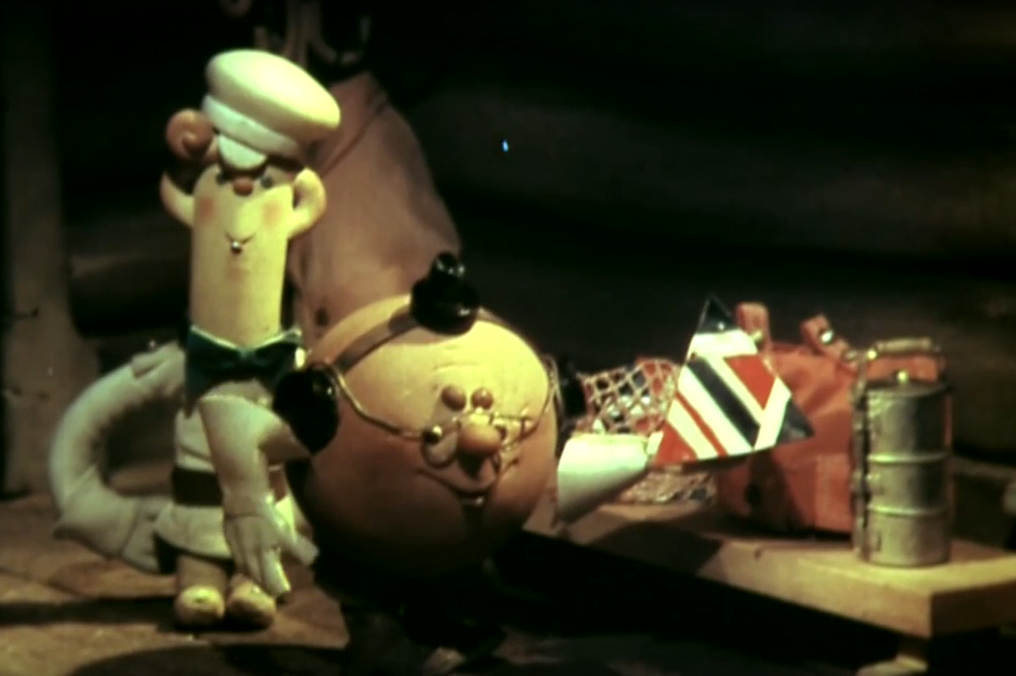
Origins: From Kolombki to Pilot Brothers
The story begins in 1983 with a puppet animation by Aida Zyablikova, based on Eduard Uspensky's script. The show featured detective characters investigating minor crimes. The animation wasn't particularly successful visually, but the concept persisted.
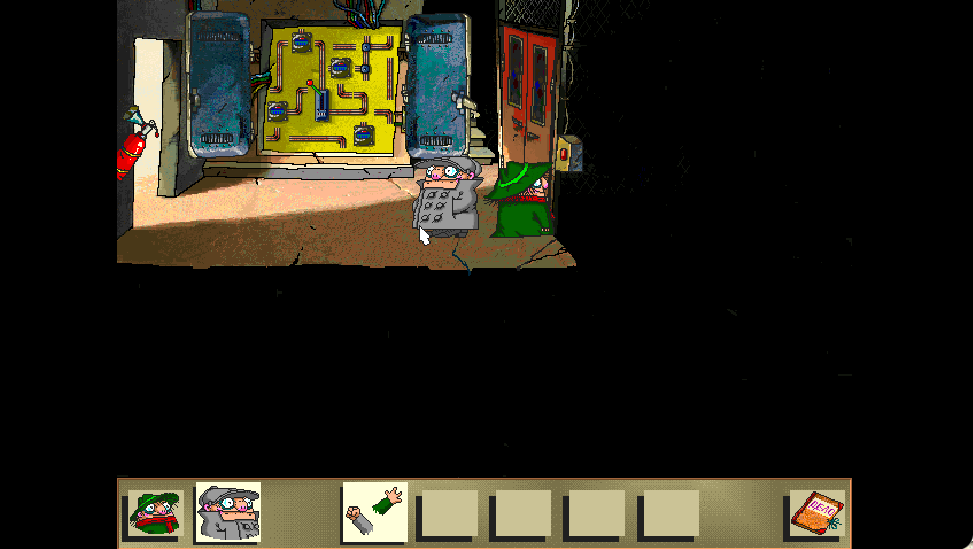
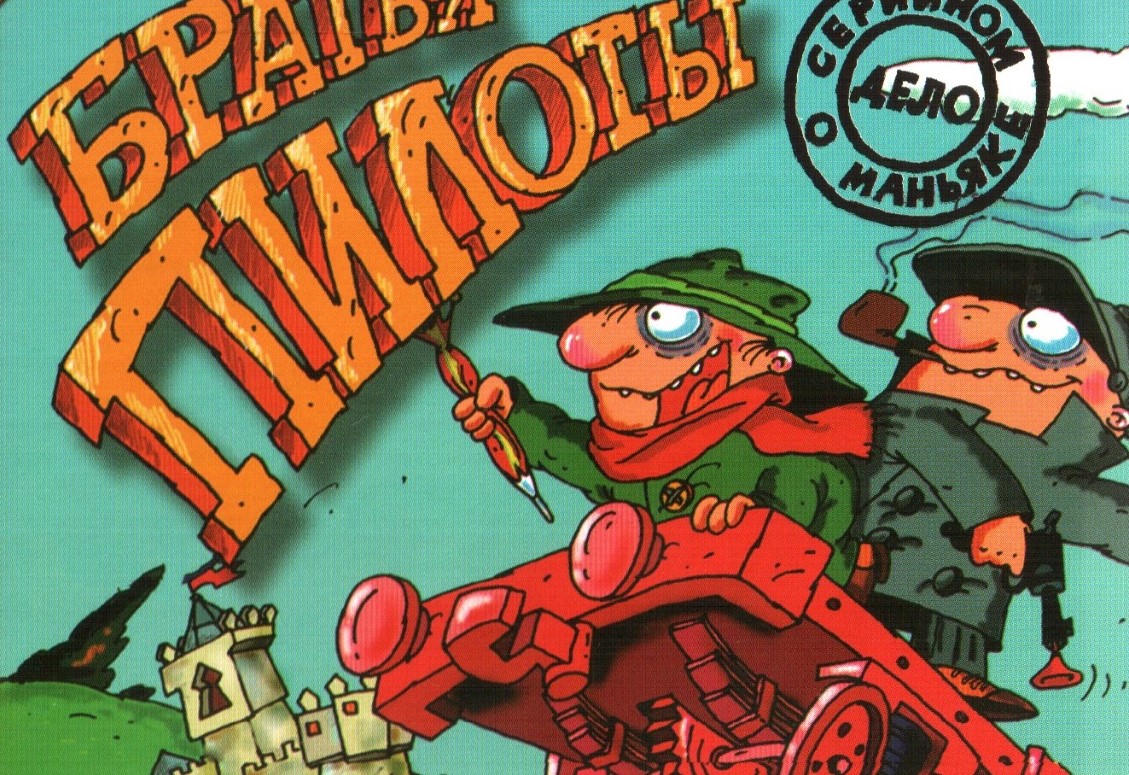
The real breakthrough came with a new four-part animated series (1986-1987) directed by Alexander Tatarsky and Igor Kovalev. The characters were completely reimagined as rotund, squat humans: Chief (Shef) with his Sherlock Holmes pipe and gray coat, and Colleague (Kolleg) in a green overcoat and red scarf. The villain Karbofos — a demonic furniture maker — provided comic antagonism. This version achieved cult status, producing memorable catchphrases like "I don't understand anything at all!"
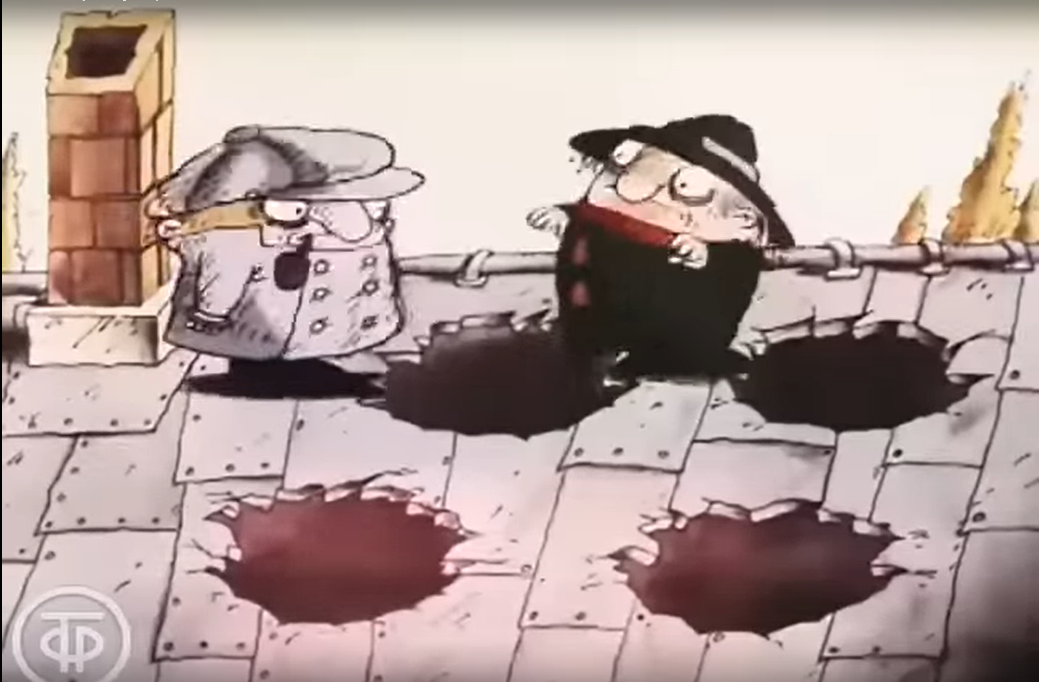
In 1988, Tatarsky and Kovalev founded Studio Pilot — the Soviet Union's first private animation studio. The characters adopted the name Pilot Brothers in honor of their studio.
The Game: Released September 22, 1997
Studio Pilot partnered with Gamos (an early Russian game developer) and publisher 1C to create "Pilot Brothers: Tracing the Striped Elephant." The system requirements were modest by even those standards: Windows 95, Intel 486/66 processor, and 8MB of RAM.
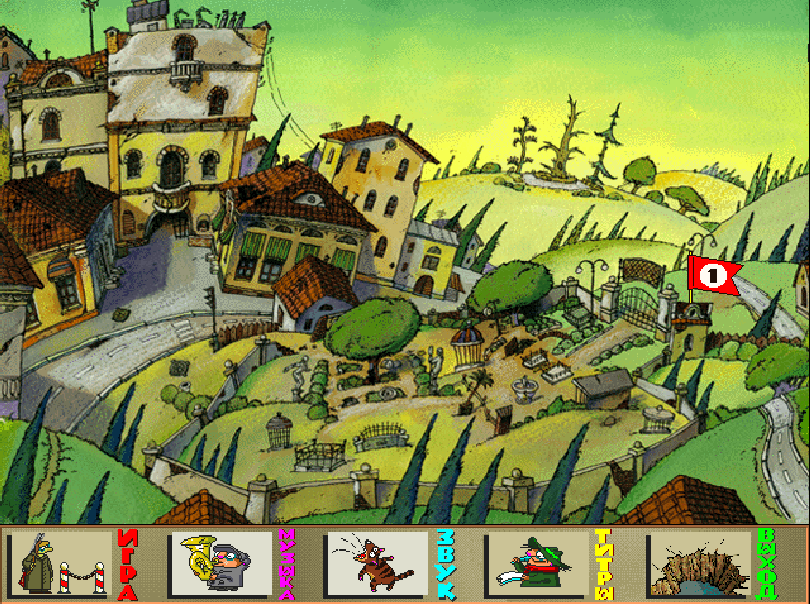
Gameplay Structure
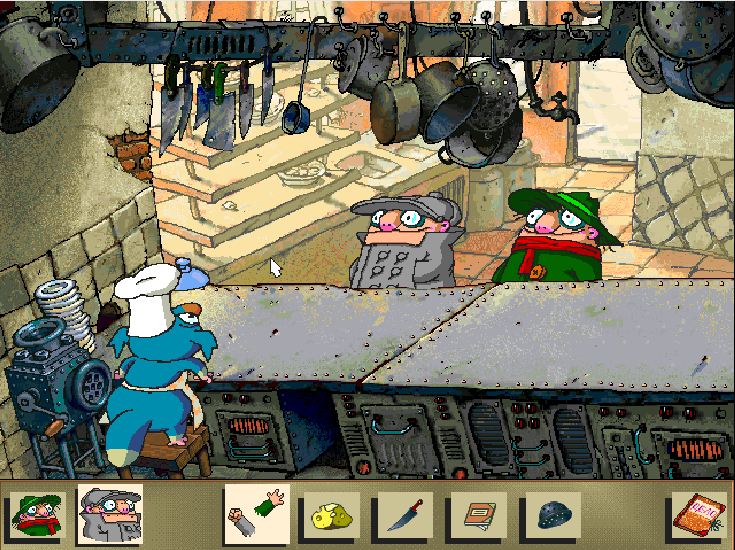
The game featured 15 levels, each comprising a single screen with distinct objectives — entering zoo gates, solving puzzles, arcade sequences. Players alternated between the two characters, who possessed different interaction capabilities: Colleague performed support tasks while Chief solved the primary puzzles.
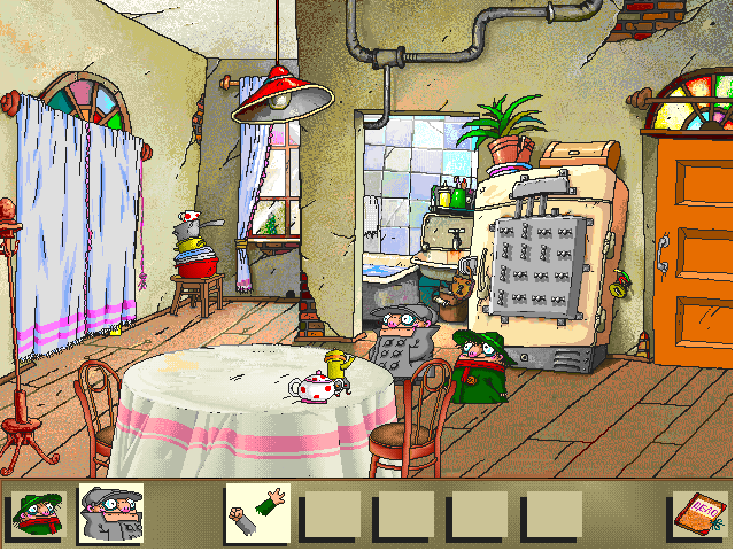
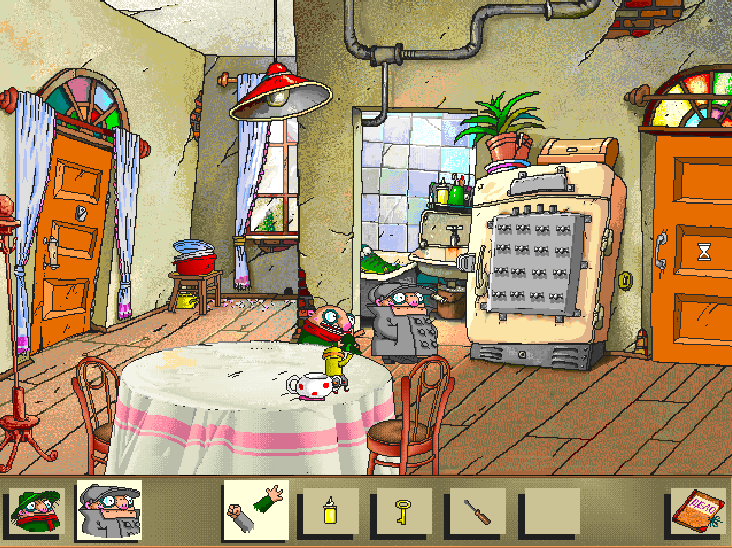
The most notorious puzzle was the infamous refrigerator with interdependent switches — toggling one altered the positions of its neighbors, creating a logic puzzle that traumatized countless players.
The game's absurdist humor permeated every aspect of the gameplay. Solutions defied conventional logic: painting a traffic light green required literally throwing green paint at it. The refrigerator puzzle existed solely to release a cat that would then open an unlocked door — a mechanical mockery of player expectations.
Reception and Success
The combination of vibrant graphics, distinctive humor, and original game logic made the game a genuine phenomenon. Media praised it as "one of the first Russian quests," celebrating its authentic Russian character in contrast with foreign knock-offs. International versions appeared in English, German, Italian, French, Spanish, Portuguese, Chinese, Japanese, and Korean.
Sequels and Decline
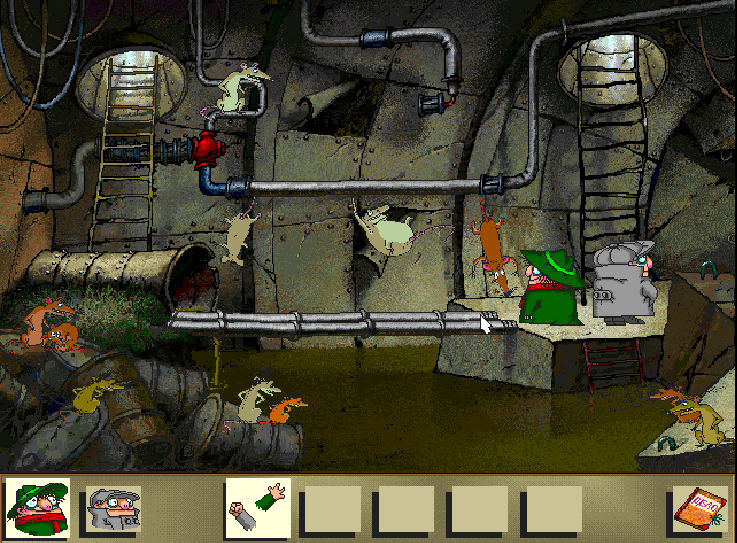
Part 2 (December 2, 1998): "Case of the Serial Maniac" featured only nine levels and concluded Gamos's involvement before the studio collapsed during the 1998 Russian financial crisis.
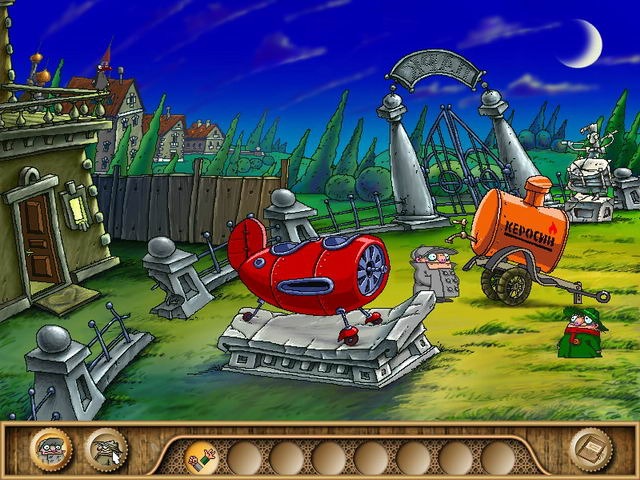
Part 3 (June 11, 2004): "The Other Side of Earth" by Pipe Studio expanded to 24 levels across diverse locations — the Great Wall of China, outer space, Australia, Fiji. The characters finally justified their "Pilot" name by assembling an airplane. Graphics improved significantly after a six-year gap, though gameplay remained fundamentally unchanged.
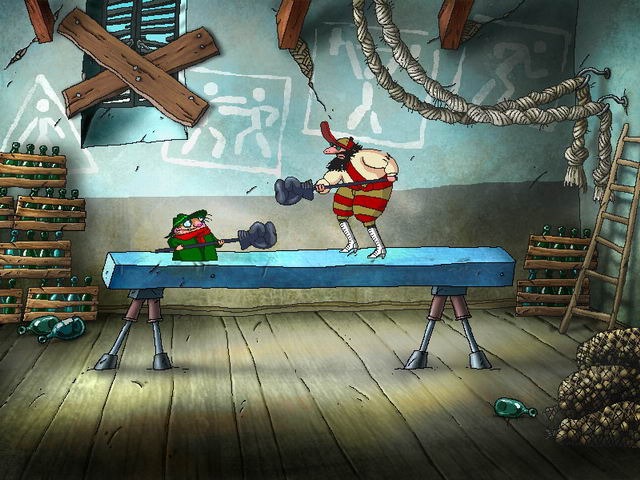
Part 4 (August 27, 2004): "Olympics" was an arcade experiment featuring 20 sports mini-games set in the provincial town of Berdichev rather than Athens.
Part 5 (October 22, 2004): "3D: The Garden Pests Case" shifted to three-dimensional graphics and introduced the mysterious "Man in Black" villain. The 3D aesthetic was a major disappointment — simple polygonal characters contrasted unfavorably against flat backgrounds. Increased hand-holding through dialogue hints reduced the puzzle-solving challenge that had made the originals so engaging.
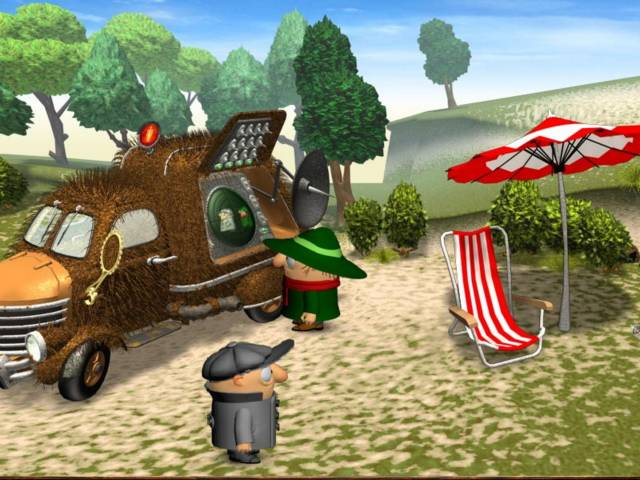
Part 6 (April 29, 2005): "3D-2: Secrets of the Dog Breeders Club" was a direct sequel, equally underwhelming. Its cliffhanger ending — "I'll reveal everything in the next part!" — became permanently moot when development ceased.
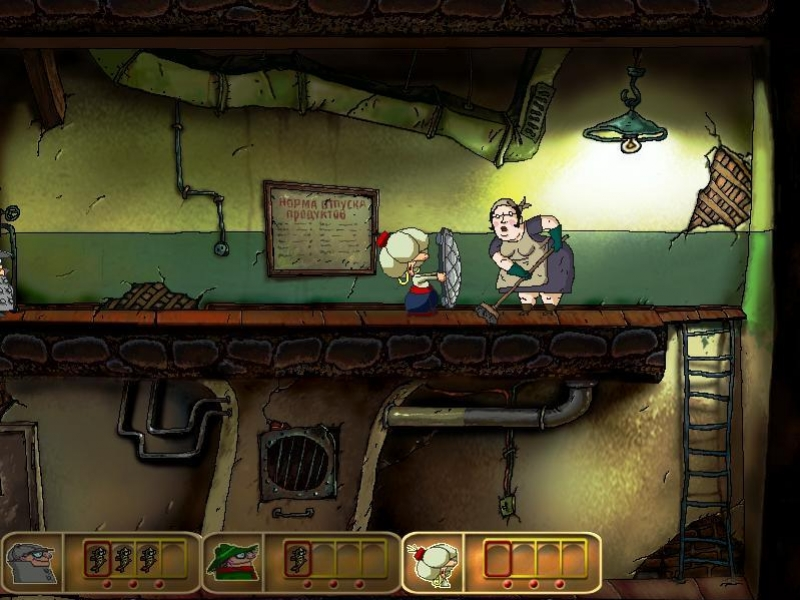
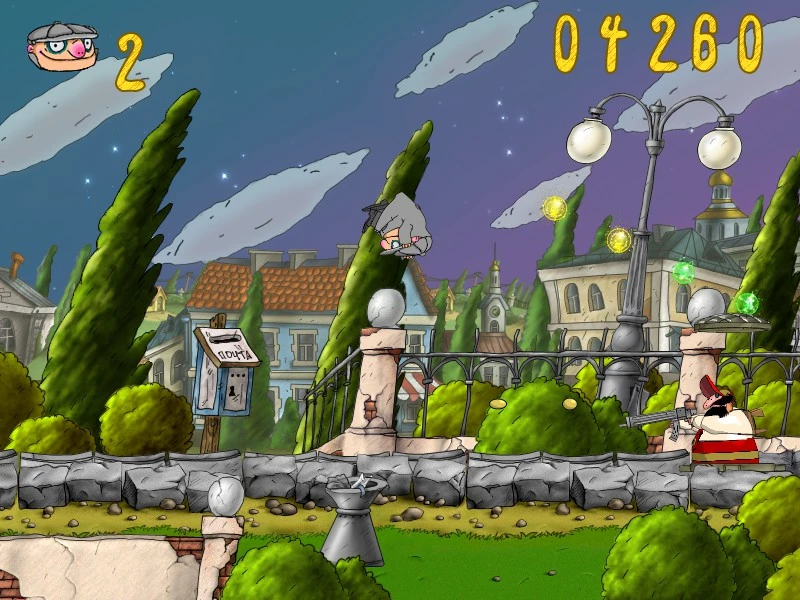
Part 7 (January 27, 2006): "The Atlantic Herring Mystery" returned to 2D as a platformer with three playable characters. It openly copied The Lost Vikings game structure. This proved to be the final installment in the series.
Critical Assessment
The franchise's decline coincided precisely with efforts to "improve" and diversify it. The original's appeal derived from its authentic Soviet animation aesthetic. The 3D conversion destroyed the old-school charm, while genre experiments — arcade, platformer, even racing games — abandoned the quest-based foundation where these characters truly thrived.
A 2002 billiards title featuring Pilot Brothers commentary represented the franchise's creative nadir.
Modern Re-releases
Beginning in December 2014, 1C Wireless republished the first three games on Steam, along with Android and iOS versions. The enhanced editions included tutorial sequences, hint systems, and level-skip options — even allowing spectators to watch complete walkthroughs. The legendary refrigerator puzzle became skippable. The third game's content saw significant level reduction, constituting what one might charitably describe as diminished versions of beloved originals.
Legacy
The Pilot Brothers franchise bridged Soviet animation's golden era with Russia's nascent gaming industry. It demonstrated that indigenous creativity and cultural authenticity could rival Western imports. The games remain touchstones of 1990s-2000s Russian gaming nostalgia, embodying an optimistic period when developers believed: "We can do this too."