"Quantum Computers" — The Greatest Marketing Myth of the Century?
Despite decades of hype, quantum computers remain stuck at rudimentary scales far from practical use. This article examines the gap between marketing promises and physical reality, arguing that quantum computing may be the century's greatest tech myth.
Wait, a Myth?!
Back in the 1990s, popular science literature presented quantum computers as a futuristic technology that was just about to solve all of humanity's problems. Thirty years later, the situation remains essentially unchanged — yet the internet and media are constantly awash with news about "breakthroughs" in the field, creating the illusion that practical quantum computing is right around the corner.
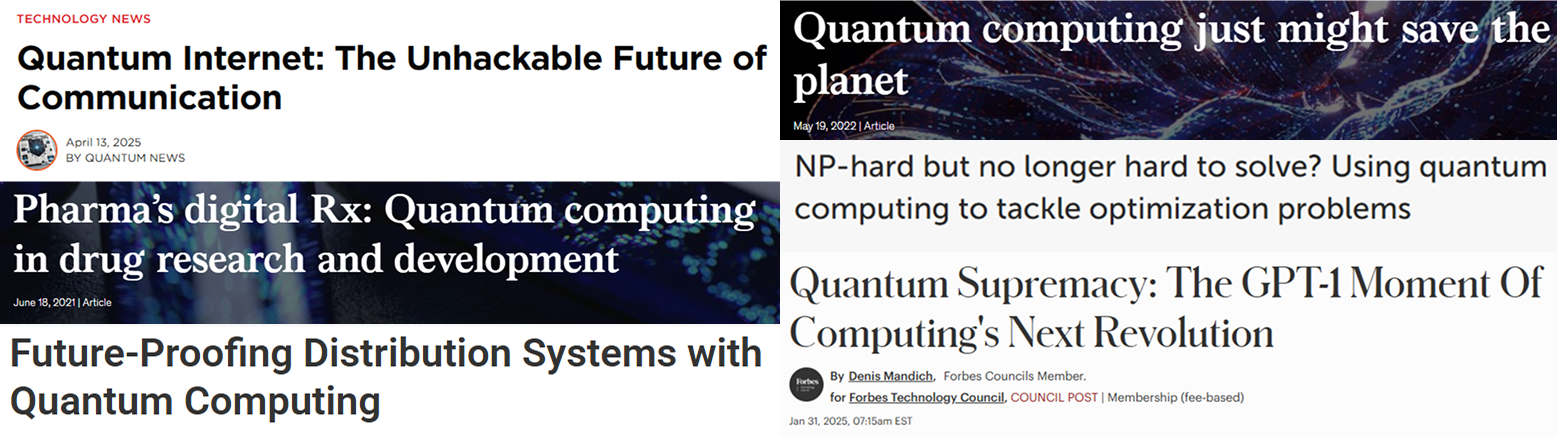
The pattern is telling: headlines promise solved problems, but the articles themselves quietly admit that the problems remain unsolved.
Quantum Magic or Quantum Mirage?
Here is a sample of what quantum computers are expected to deliver:
- Green hydrogen development and solving the climate crisis
- Protein modeling and curing diseases
- Creating strong artificial intelligence
- Solving NP-hard problems
- Predicting financial markets
- Developing new materials and superconductors
- Interstellar travel
- Quantum internet and perfect encryption
The author notes that these predictions "have no practical basis." They are "simply fantasies built on logical fallacies and vivid imagination."

The main reasons this myth persists:
- Corporate marketing (Google, IBM, Microsoft)
- Attracting grants and investments
- The topic's complexity makes it impenetrable to outsiders
What Should a Quantum Computer Be?
Drawing on the work of physicist Mikhail Dyakonov ("Will We Ever Have a Quantum Computer?", 2018), the article explains the fundamentals:
- A qubit is a quantum element with two basis states (unlike a classical bit)
- A qubit can exist in a superposition of states
- A working quantum computer requires "tens to hundreds of thousands of qubits, if not millions"
- IBM in 2024 named the target threshold at 100,000 qubits

What Do We Actually Have?
The current state of the technology:
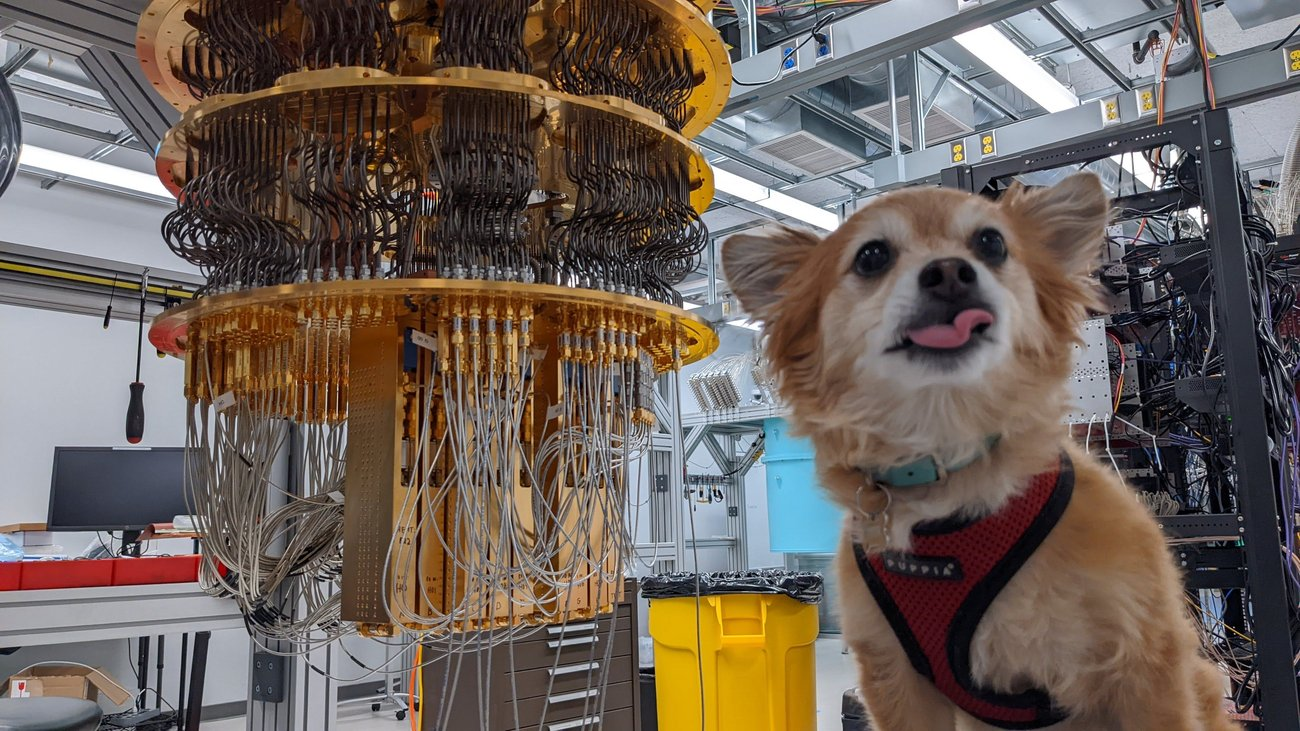
- IBM Heron: maximum 156 qubits
- Google Willow: 105 qubits
- By 2018: systems with single-digit or low-double-digit qubits
Analysis of IBM Condor (1,121 qubits):
- These are "physical" qubits, not combined into "logical" ones
- Real computational power amounts to only tens or perhaps a hundred qubits
- The rest cannot work synergistically due to error correction requirements
The D-Wave Problem
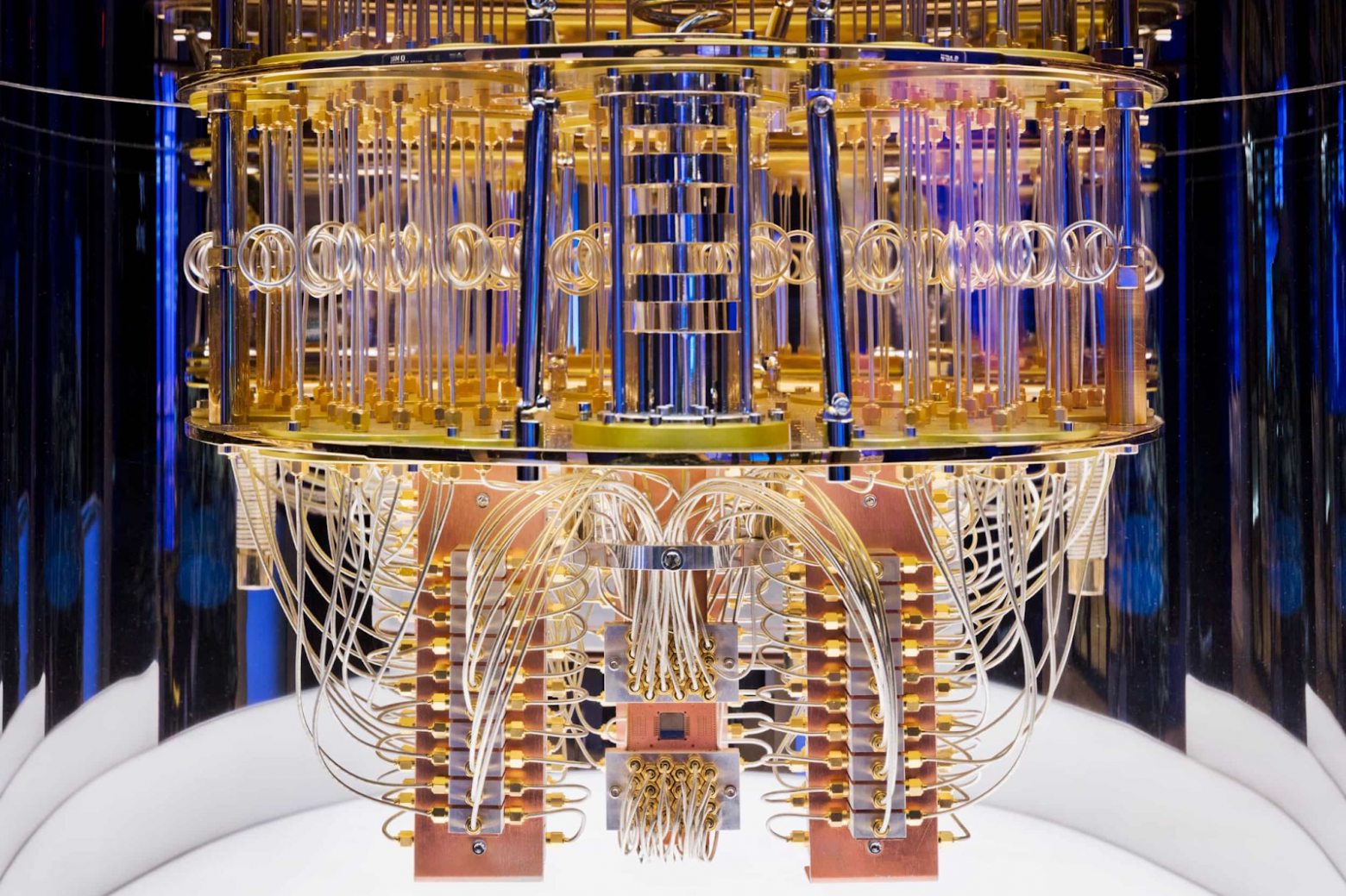
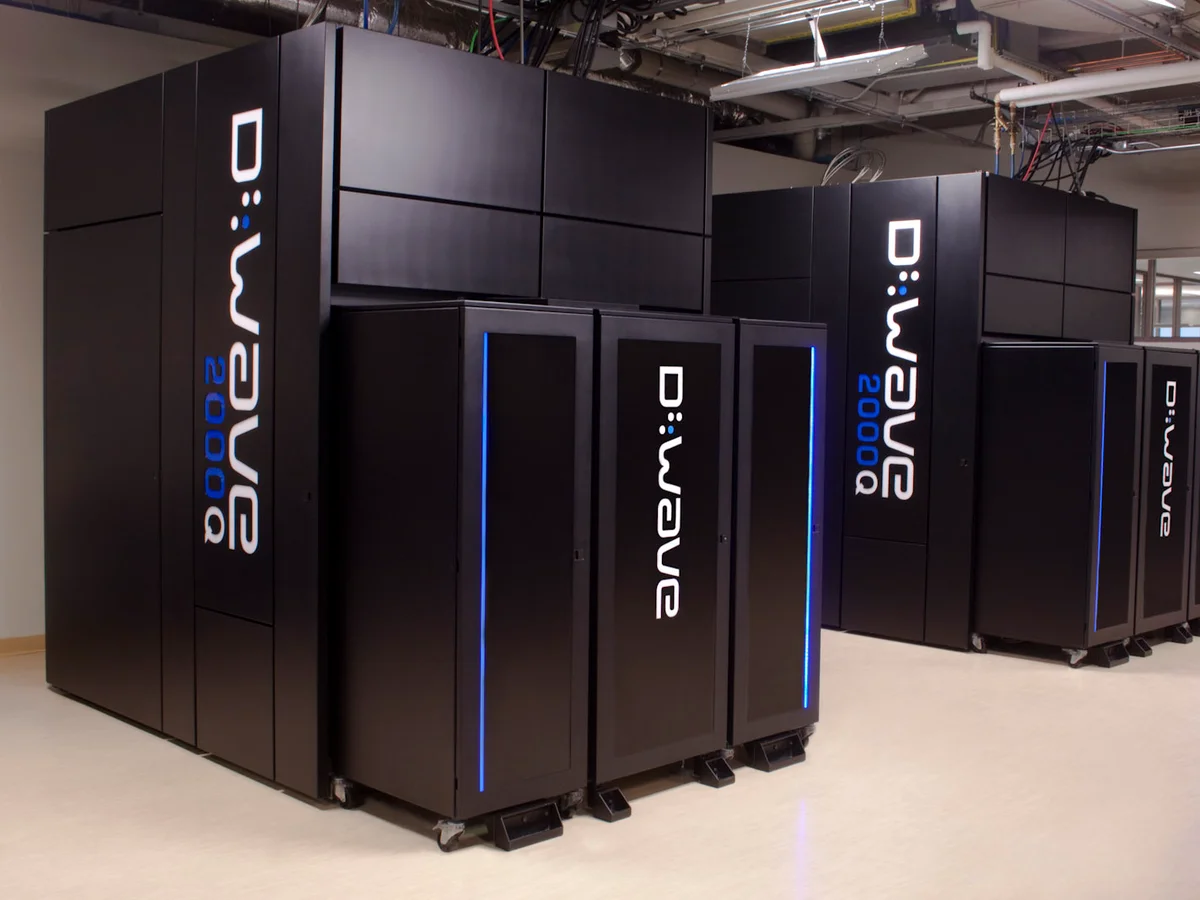
D-Wave Systems has claimed to have built computers with:
- 2011: 128 qubits ($11 million)
- 2017: 2,000 qubits ($15 million)
- 2019: 5,000 qubits
The reality:
- Inside these machines operate "clusters of 8 or 16 qubits"
- Synergy between qubits has not been proven
- In April 2025, a fraud investigation was launched
- The assessment: "the company's developments are a marketing trick"
D-Wave builds "quantum annealers" applicable only to a narrow class of optimization problems — not general-purpose quantum computers.
Practical Results So Far
A comparison of goals versus actual achievements:
- Factorization: Goal: 2,048 bits. Achieved: 35 (6 bits)
- Molecular simulation: Goal: 151 electrons. Achieved: 5 electrons
- Optimization: Goal: 6,000 objects. Achieved: 1 out of 8 test problems
The conclusion: "the sizes of problems that can be solved by quantum computing devices today are incomparably smaller" than what was promised.

Fundamental Scaling Problems
The technical obstacles are not just engineering challenges — they may be fundamental:
- Decoherence: Qubits are "noisy" and survive only milliseconds
- Environmental sensitivity: The slightest disturbance destroys the quantum state
- Exponential error growth: Adding new qubits compounds errors exponentially
- Precision requirements: Accuracy to many decimal places is needed
- Control complexity: Each qubit requires individual calibration
- Cooling: Temperatures on the order of 10-20 millikelvin are required
- Logical qubits: Each one requires thousands of physical qubits for error correction
Dyakonov provides a calculation: the state of a system of 10^3 to 10^5 qubits is described by 2^n approximately 10^300 continuous parameters — a number exceeding the total number of particles in the observable universe (10^80).

Practical Feasibility
Even under the most optimistic scenario (doubling qubits annually — which is not happening):
- "Several decades" would be needed for the first working system
- "Serious doubts" exist about whether it is possible in principle
Dyakonov's key quote: "There is an enormous gap between the rudimentary experiments conducted with a few qubits and the extraordinarily developed theory of quantum computation... This gap is unlikely to be closed anytime soon..."
His prediction: the history of the quantum computer "is approaching its end" due to unfounded promises and public fatigue.

Outlook
The author's position:
- Not opposed to continued research
- Opposed to "the sacralization of fantasies in the interests of marketing bubbles"
- Critical of accepting science fiction as scientific practice
- Recommends avoiding expectations from this technology "for the next 30 years or so"
"A real quantum computer (if it ever becomes real) is possibly not at all the technology we are waiting for, and certainly not what the techno-optimistic public imagines. Reality is boring, but it's where we live."