What Can Replace Sugar? A Comprehensive Guide to Alternatives and Sweeteners
A thorough guide to sugar substitutes written by a Type 1 diabetic, covering natural alternatives, artificial sweeteners, sugar alcohols, and novel sweeteners with practical advice for baking and beverages.
Introduction
My name is Antonina Popova. I live with Type 1 diabetes, and over the years I've accumulated a wealth of knowledge about sugar alternatives through extensive personal experimentation. This guide does not promote sugar substitutes as universally healthy solutions — rather, it presents balanced information about their pros and cons so you can make informed choices.
Carbohydrate Metabolism Basics
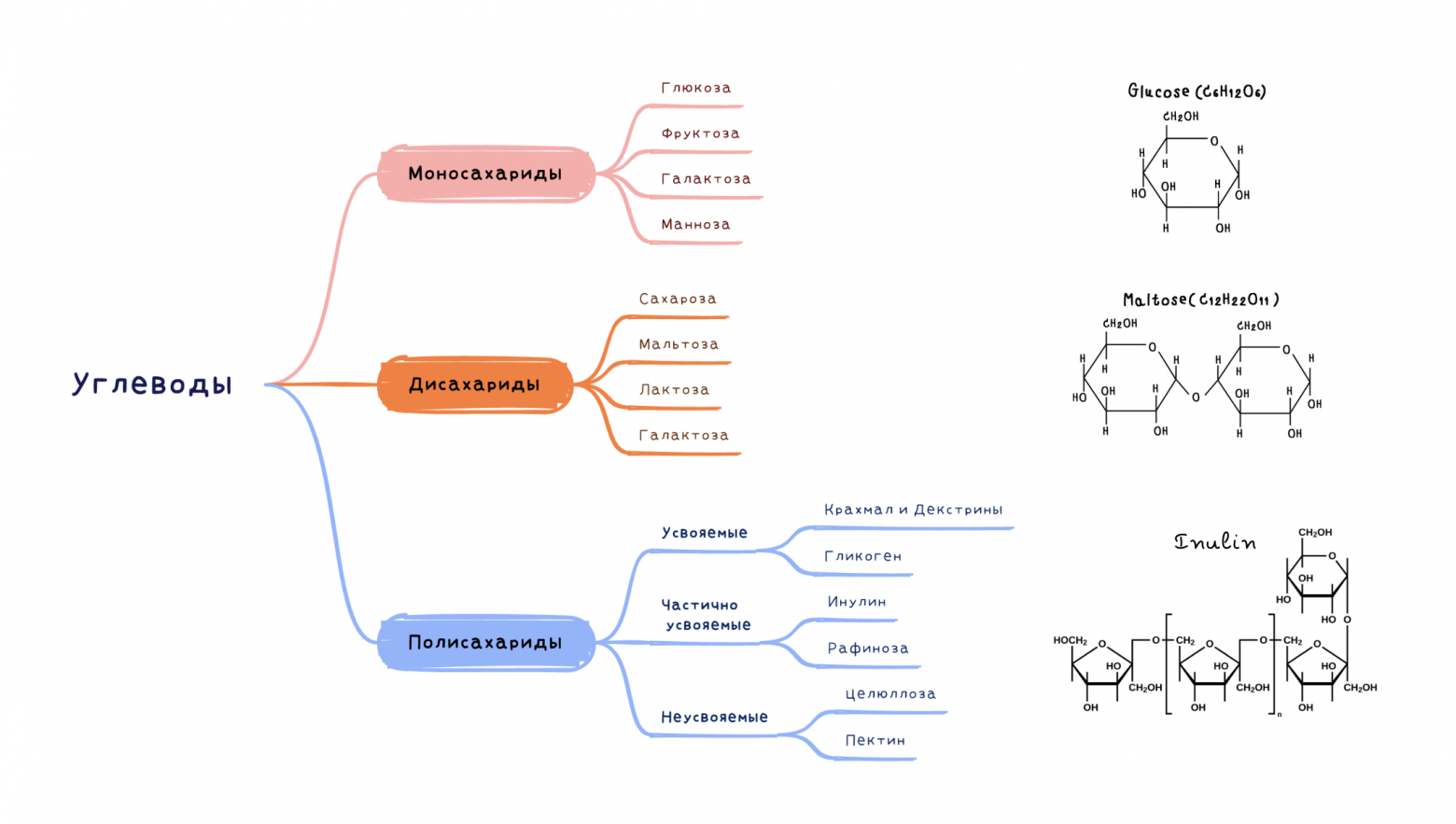
There are three main classes of carbohydrates:
- Monosaccharides — glucose, fructose, galactose
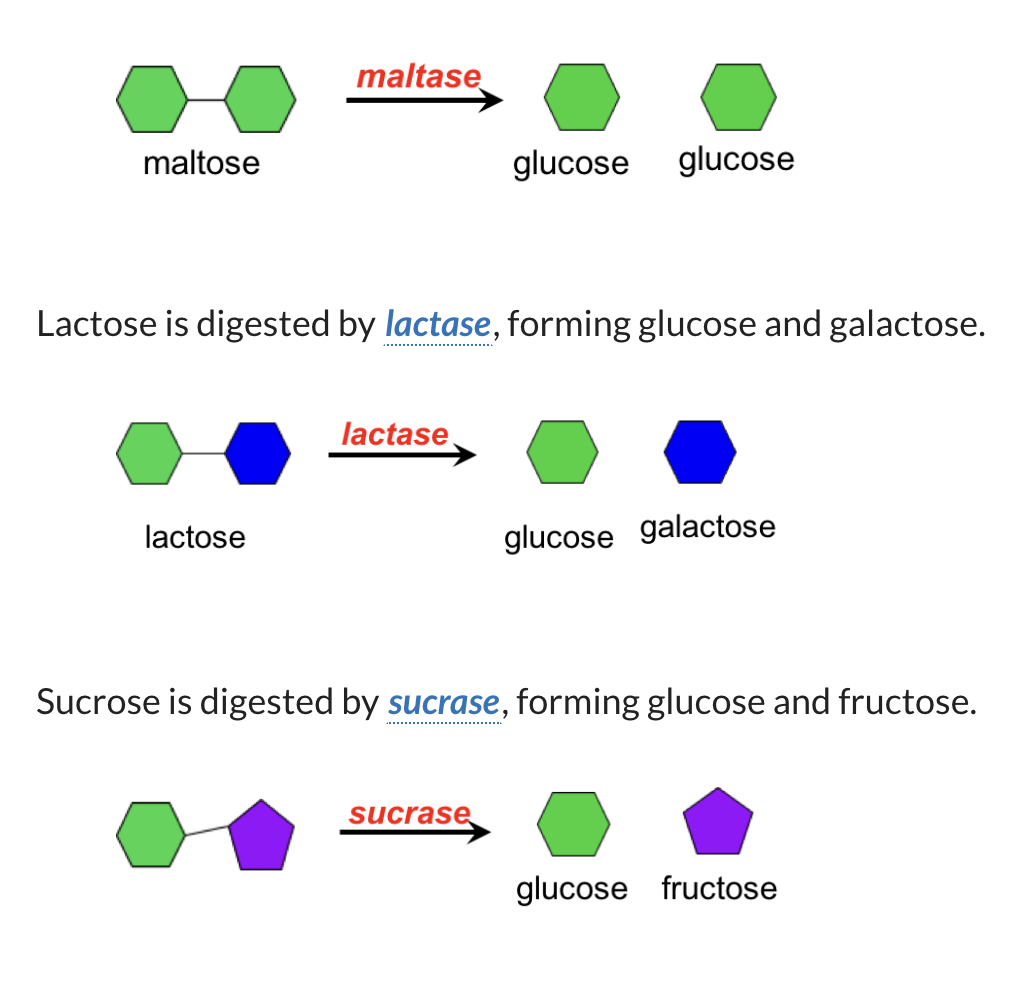
- Disaccharides — maltose (glucose + glucose), lactose (glucose + galactose), sucrose (glucose + fructose)
- Polysaccharides — starches
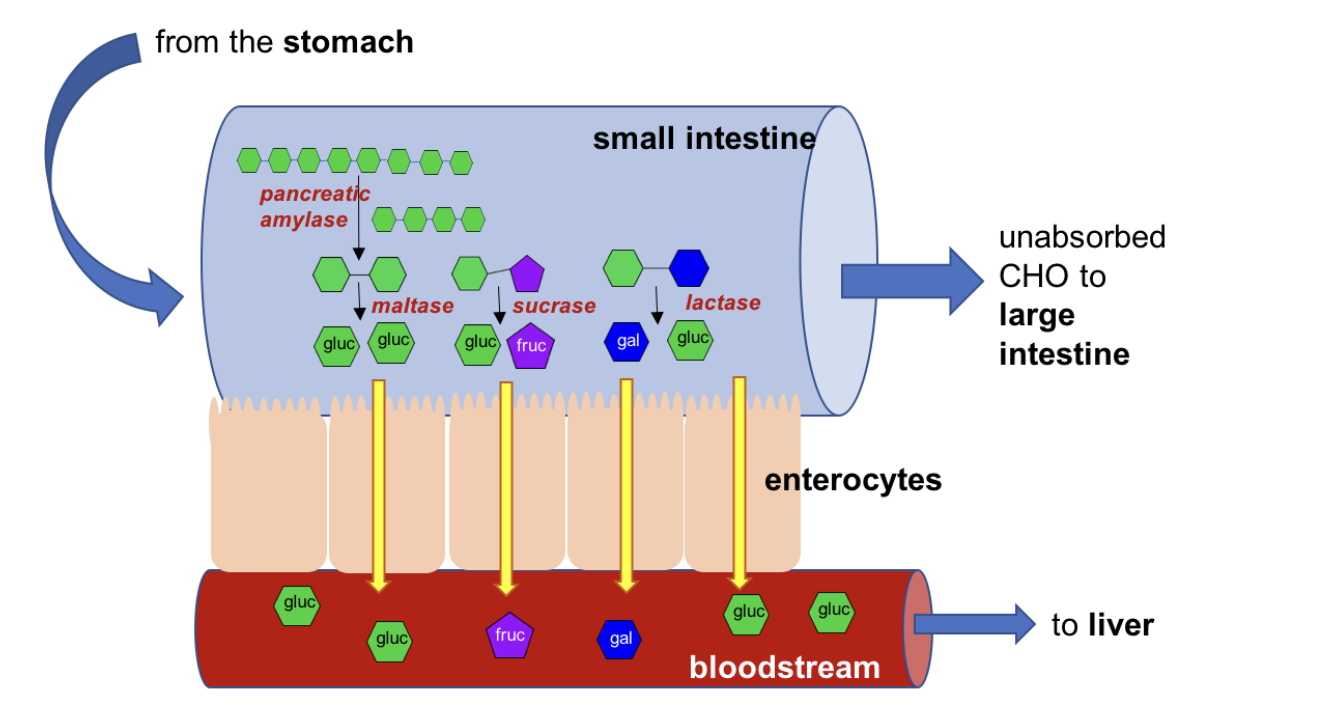
Digestion of carbohydrates begins in the mouth with the amylase enzyme in saliva, continues via pancreatic amylase in the duodenum, and completes through specialized intestinal enzymes. The absorbed monosaccharides enter the portal vein and travel to the liver — the body's "carbohydrate control center."
The liver processes different sugars differently:
- Glucose: Partially stored as glycogen; primarily released into systemic circulation
- Fructose: Almost entirely retained in the liver; converted to glycogen, fatty acids (lipogenesis), or glucose
- Galactose: Metabolized in the liver into glucose or incorporated into glycogen synthesis
Natural Sugar Alternatives
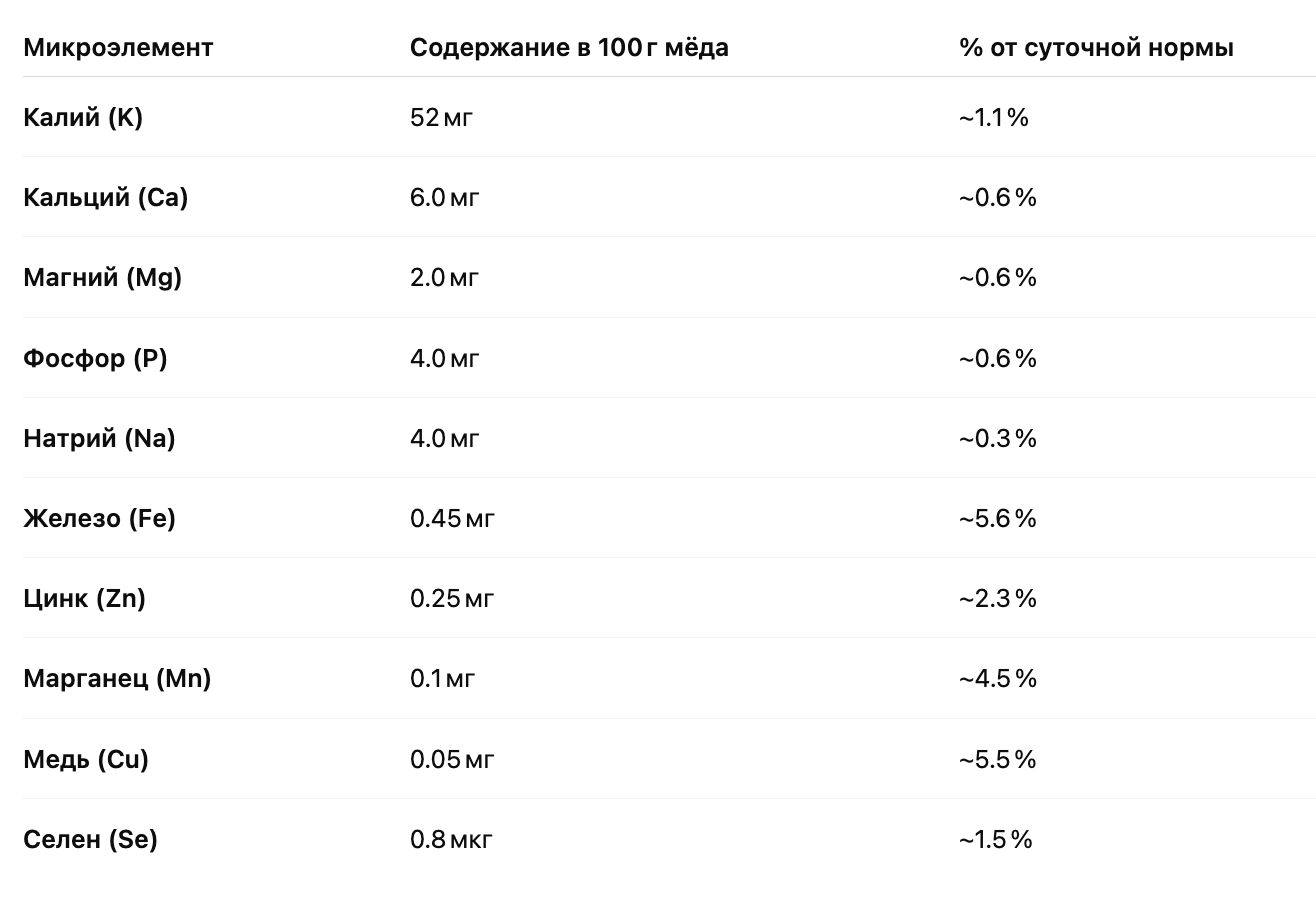
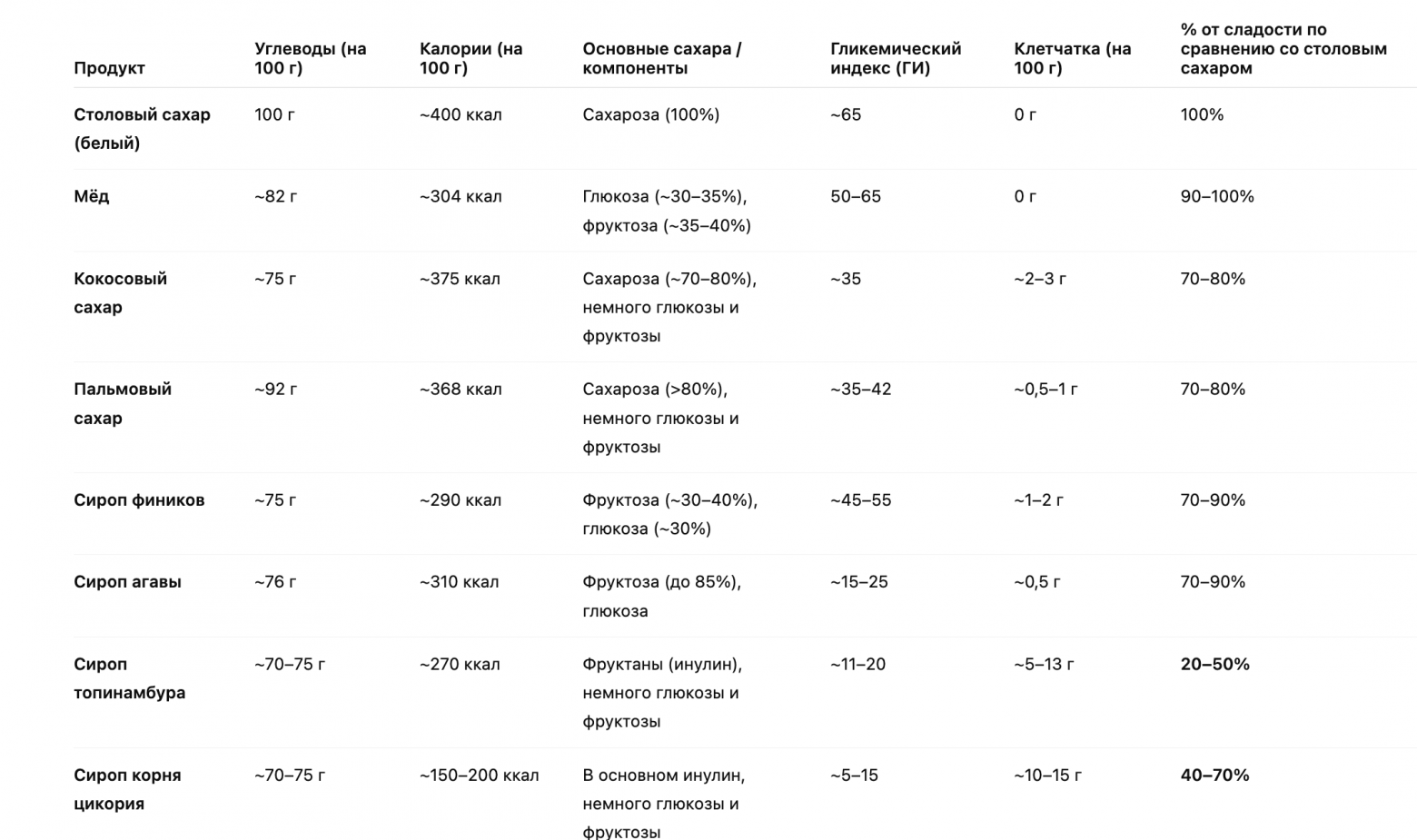
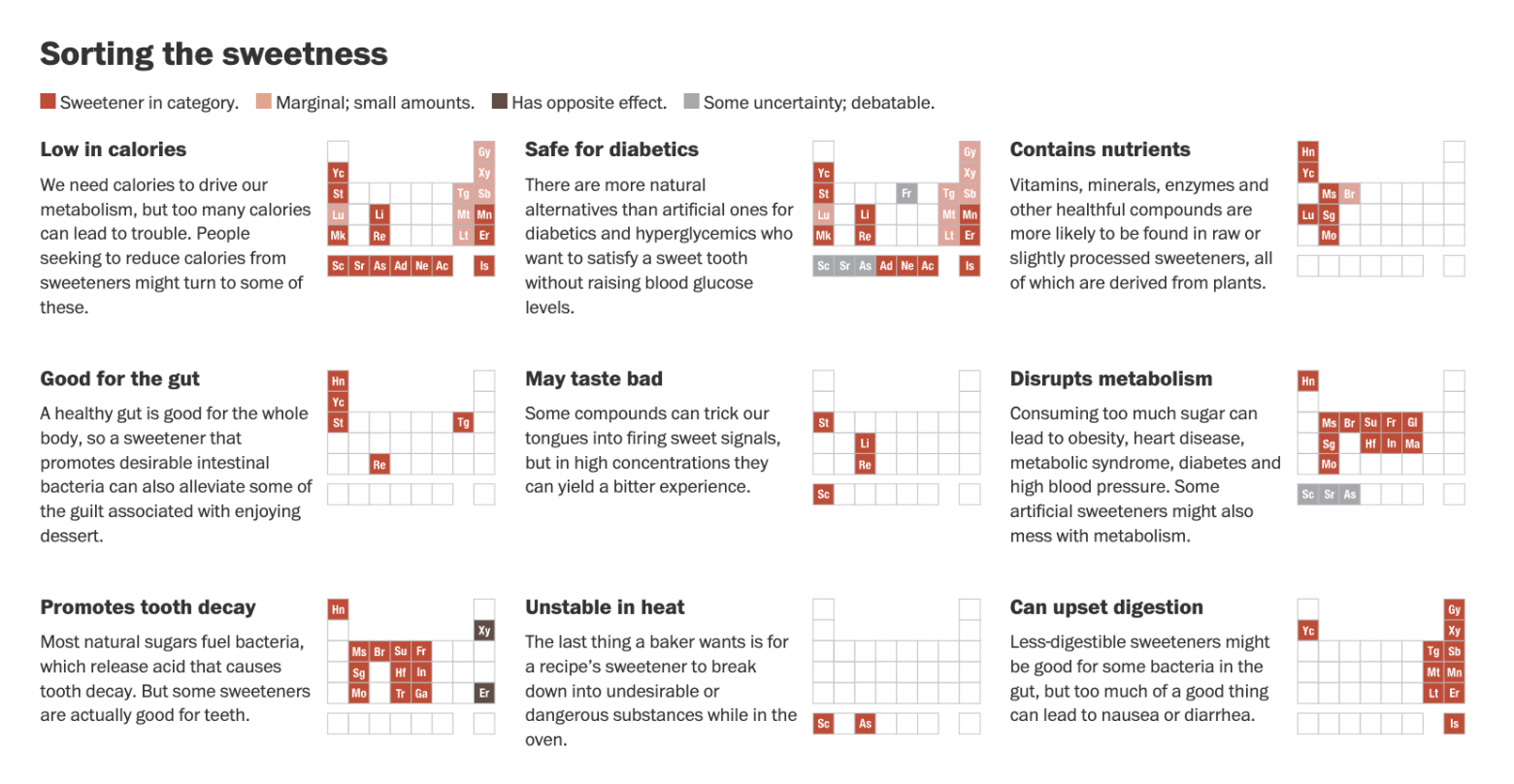
"Sugar remains sugar regardless of form" — the caloric content and blood glucose impact remain essentially the same whether you consume coconut sugar, honey, or plain white sugar. To get any meaningful mineral contribution (potassium, magnesium, iron, zinc) from honey, you'd need to consume 200–400 grams of it.
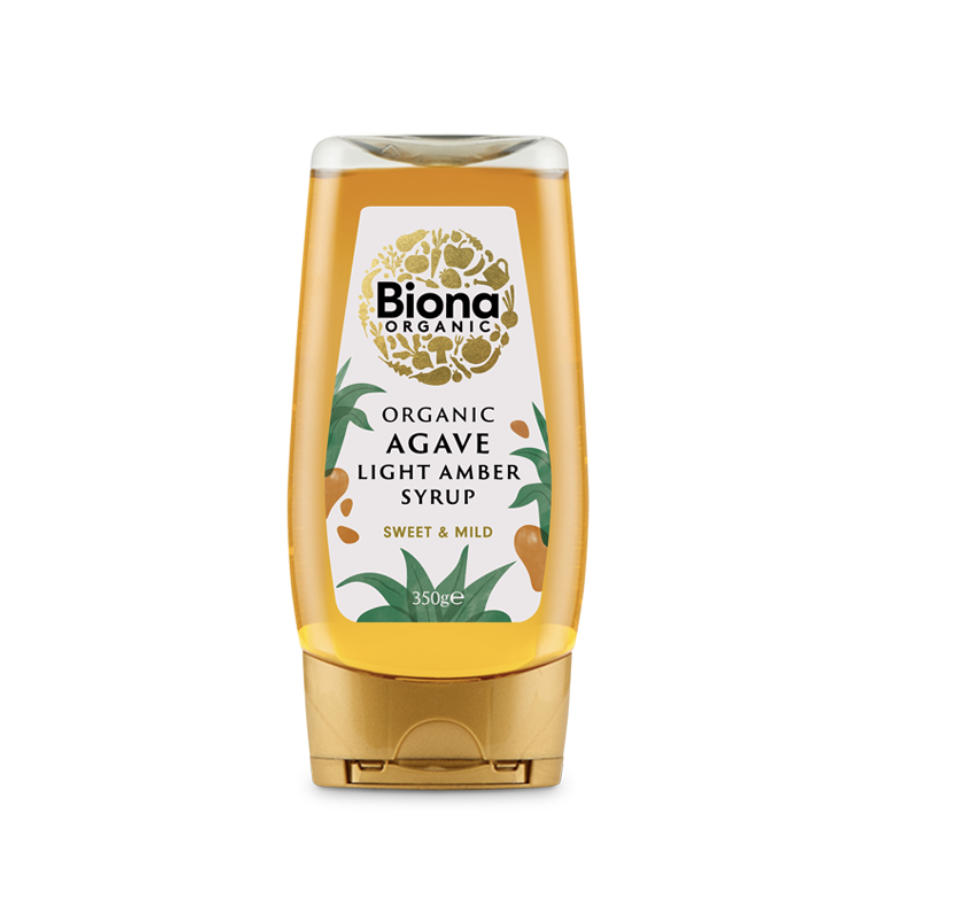
Agave Syrup: Contains 85% fructose. While it produces a minimal blood glucose spike, it significantly increases hepatic triglyceride synthesis, thereby elevating cardiovascular disease and diabetes risk.
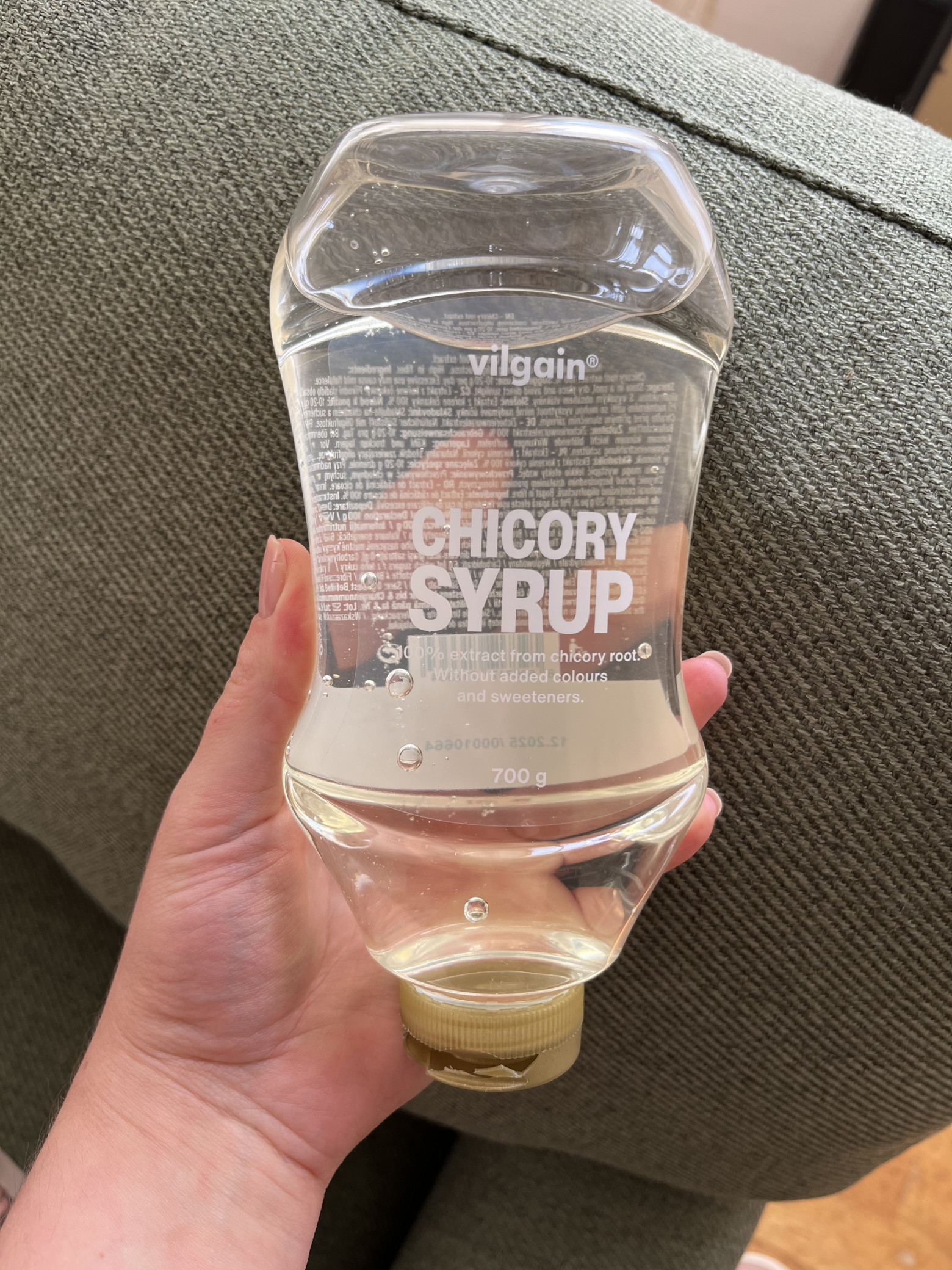
Chicory Root Syrup
Chicory root syrup is composed of inulin — fructose-based polysaccharides with beta-linkages that prevent human enzymatic breakdown. It functions as soluble fiber rather than simple sugar, acting as a prebiotic that feeds beneficial gut bacteria without significantly raising blood glucose.
The optimal inulin dosage is 5–10g of pure inulin daily (equivalent to 20–30g of syrup). This amount prevents digestive disturbance while maintaining prebiotic function. Individuals new to inulin should start at lower doses and increase gradually.
Artificial Sweeteners
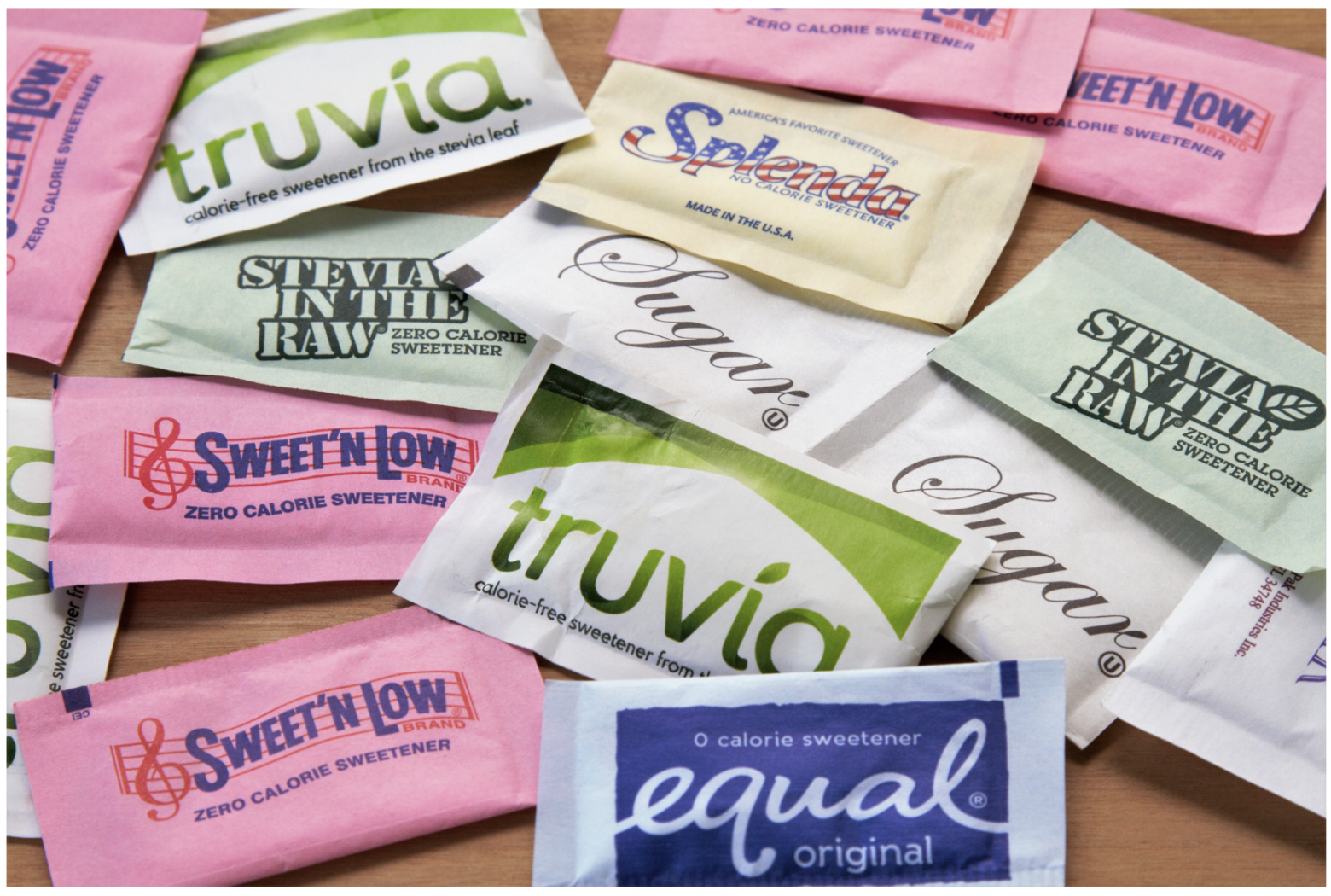
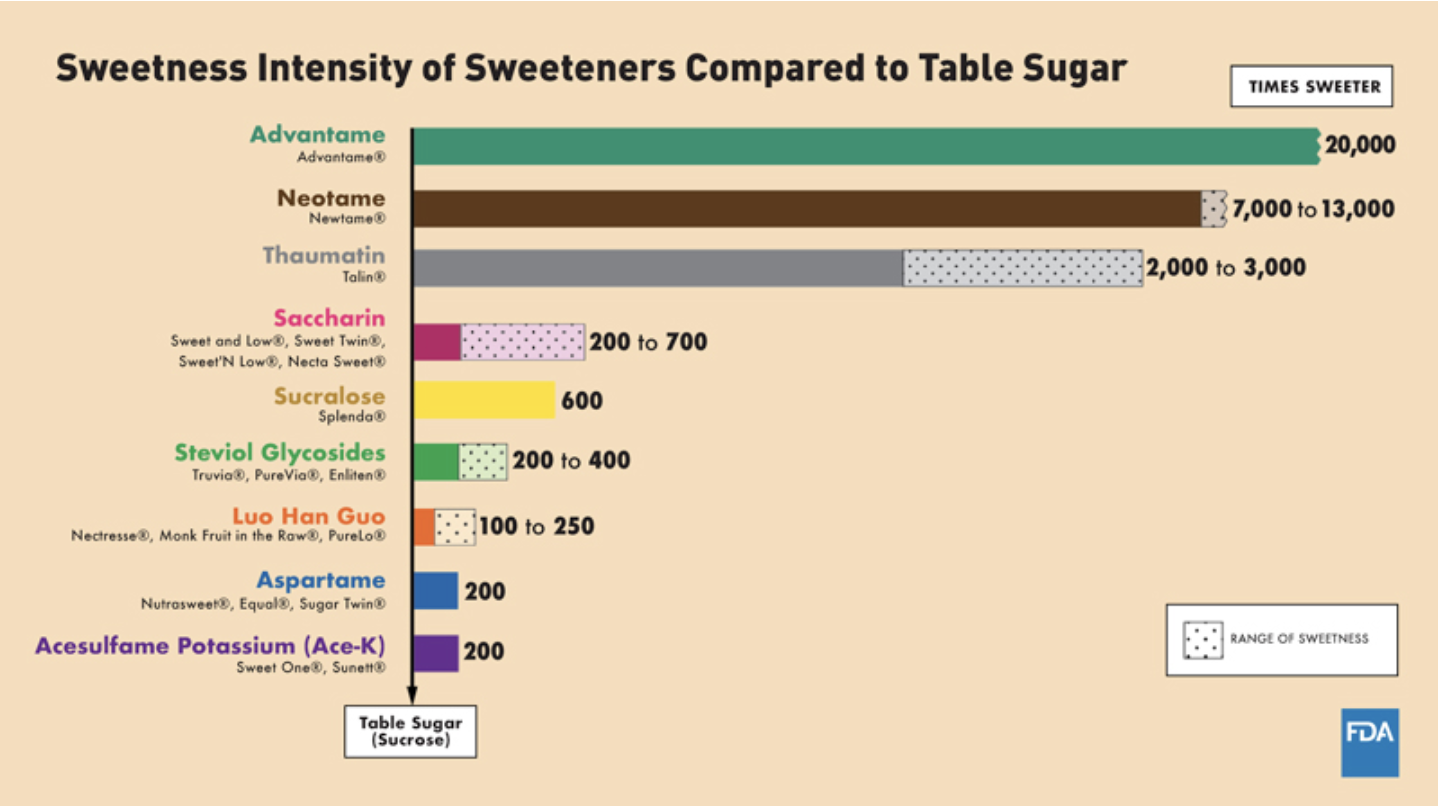
Artificial sweeteners were discovered between 1879 and the 1970s, mostly through laboratory accidents. They are 200–700 times sweeter than sucrose.
FDA-approved options:
- Acesulfame potassium (E950): 95% excreted unabsorbed
- Aspartame (E951): Completely absorbed, metabolized into aspartic acid, phenylalanine, and methanol (~4 kcal/g, but negligible in practice due to its high potency)
- Neotame (E961): Only ~2% absorbed
- Saccharin (E954): 95% excreted unabsorbed
- Sucralose (E955): Poorly absorbed (10–15%), not metabolized
Thermostability: Artificial sweeteners lose their sweetness at temperatures above 150°C, making them unsuitable for baking.
Phenylketonuria note: People with phenylketonuria (PKU) must avoid aspartame due to its phenylalanine content.
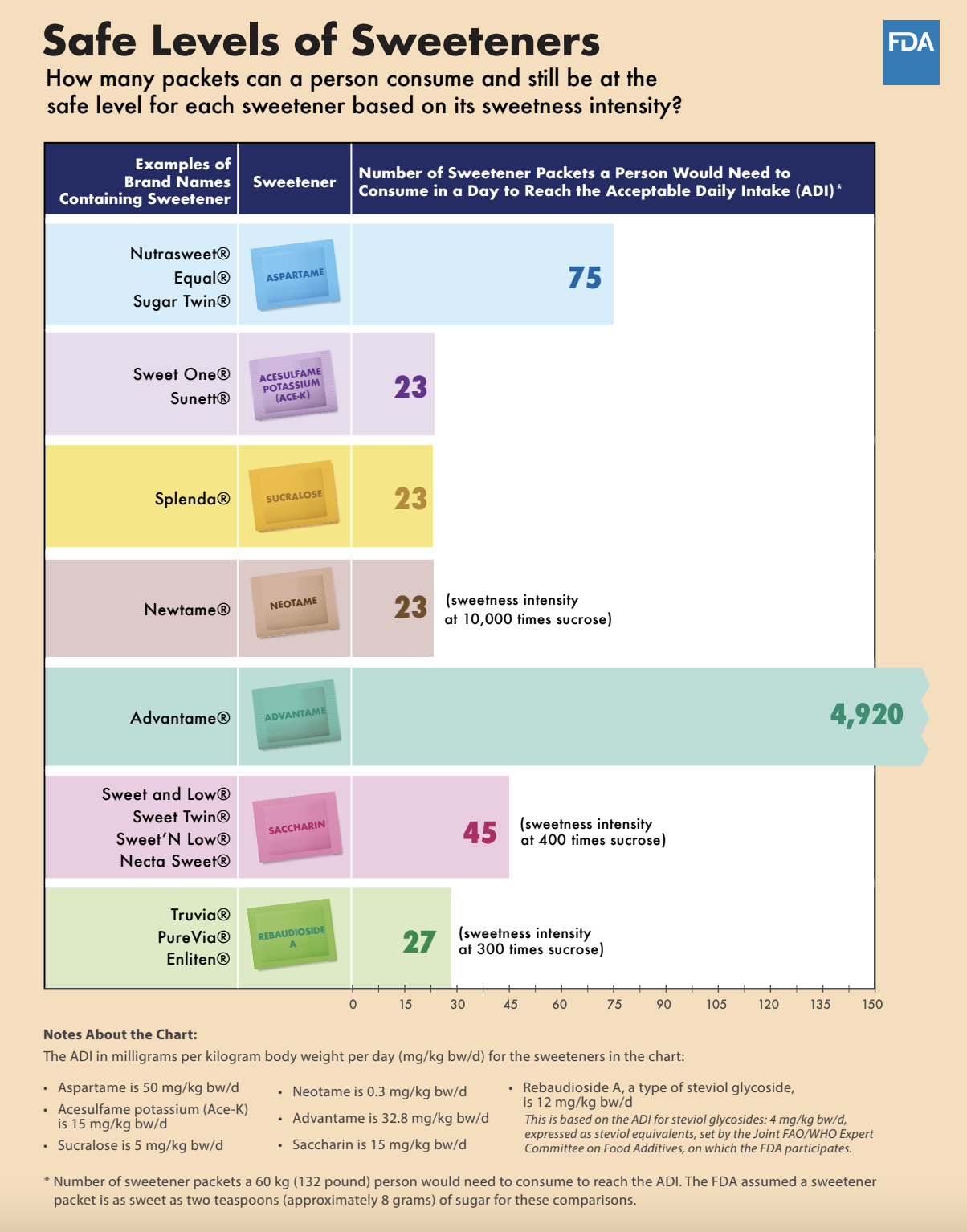
Daily intake limits:
- Aspartame: 40 mg/kg body weight
- Saccharin: 5 mg/kg body weight
- Sucralose: 5 mg/kg body weight
- Acesulfame K: 15 mg/kg body weight
- Neotame: 2 mg/kg body weight
Sugar Alcohols
Sugar alcohols have a partial structural similarity to both sugar and alcohol but contain no ethanol. They are less sweet than sucrose and often produce a cooling aftertaste.
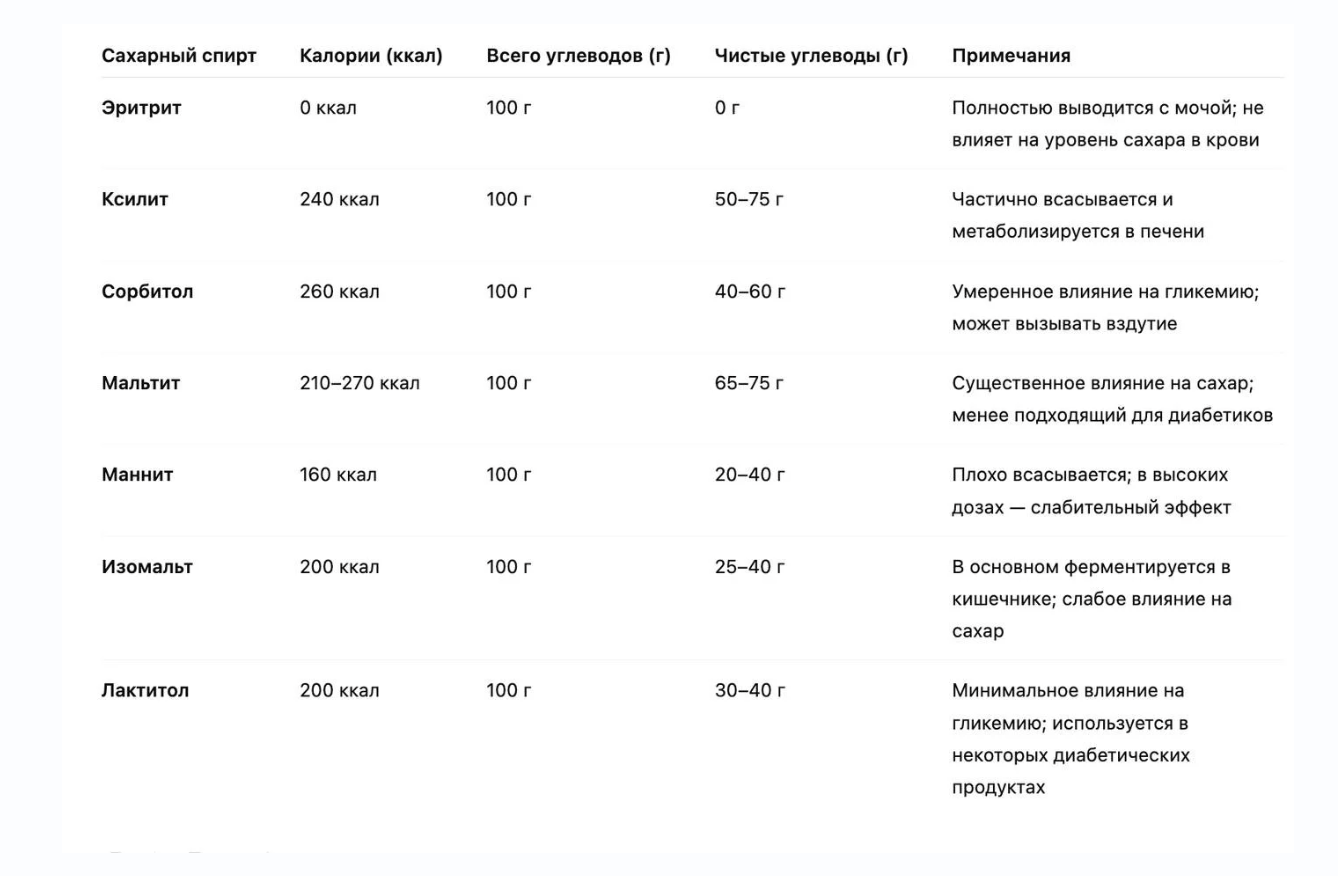
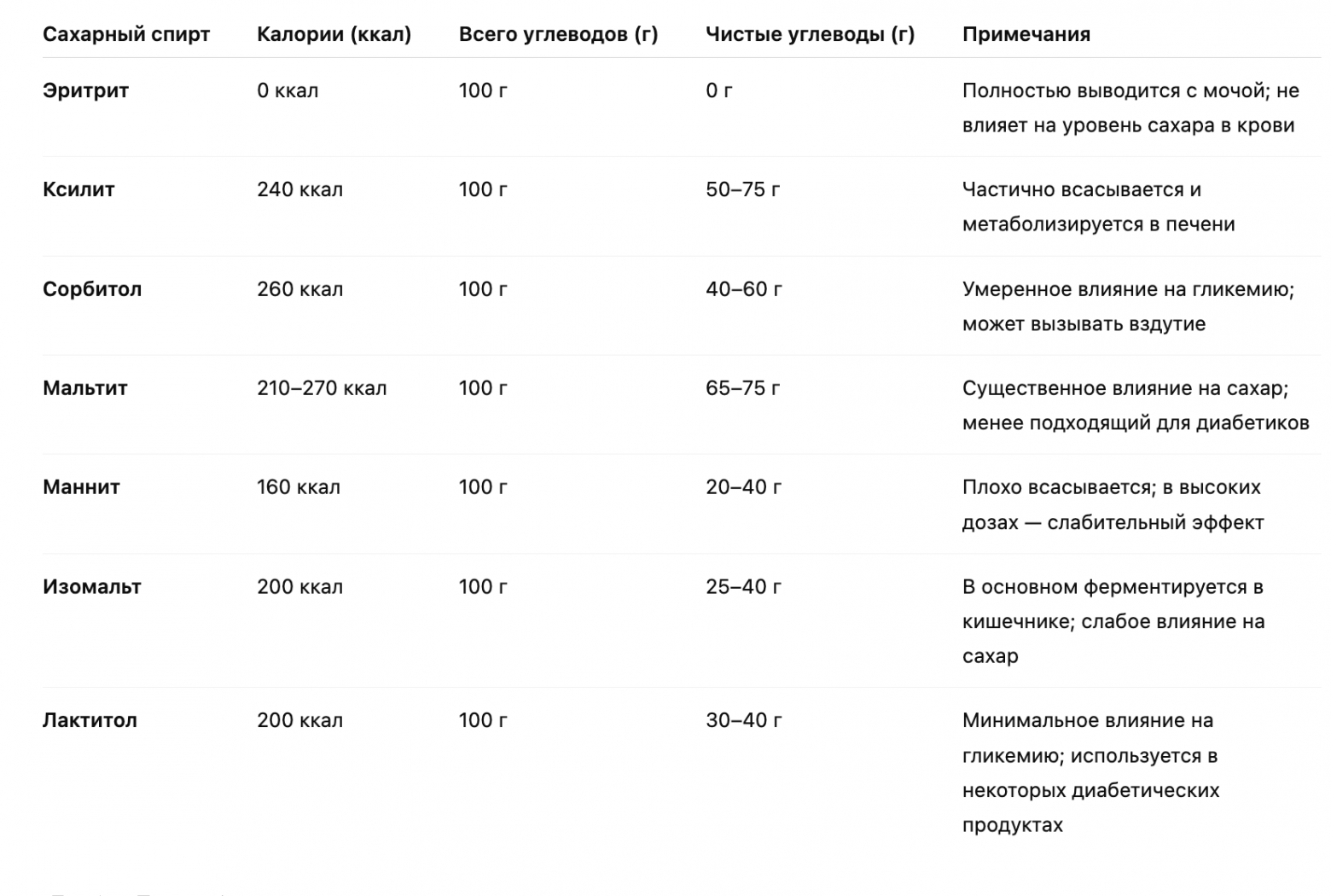
Metabolic profiles:
- Erythritol: Completely absorbed, with 90% excreted unchanged by the kidneys; negligible impact on blood glucose
- Xylitol, sorbitol, maltitol: Partially absorbed and metabolized; cause measurable blood glucose elevation (though less acute than sucrose)
Caloric content per 100g:
- Erythritol: 20 kcal
- Xylitol: 240 kcal
- Sorbitol: 260 kcal
- Maltitol: 210 kcal
Additional benefits: Sugar alcohols cannot be fermented by cavity-causing bacteria, and xylitol actually aids in enamel remineralization.
Laxative threshold: Consuming more than 50g per day causes bloating and diarrhea. Sensitive individuals may experience effects at lower doses. Sugar alcohols are thermostable and suitable for baking.
Recent concern: A 2025 in vitro study raised questions about erythritol's cardiovascular effects, but further human-subject research is needed.
Novel Sweeteners
These are plant-derived compounds that human enzymes cannot break down. They are metabolized in negligible volumes in the liver without releasing glucose.
Allulose
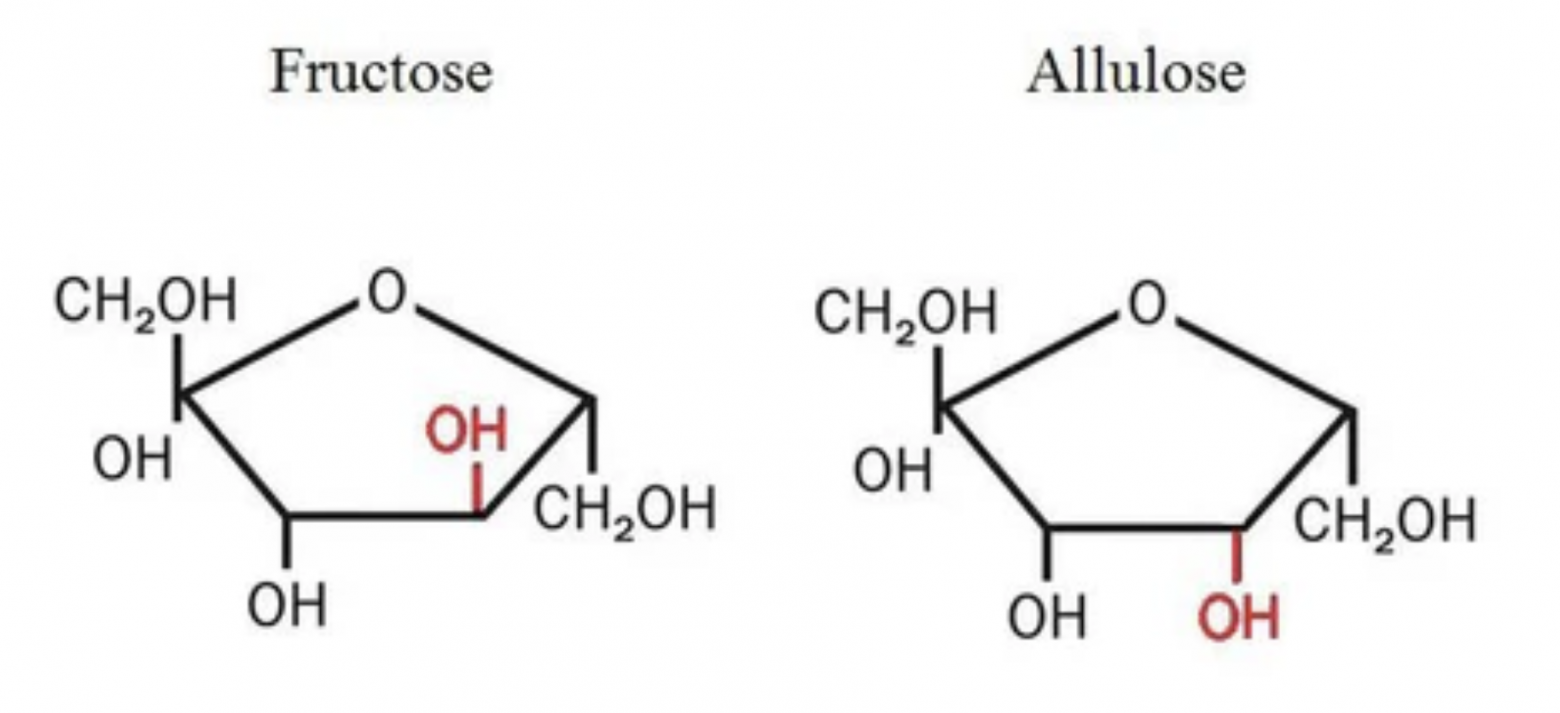
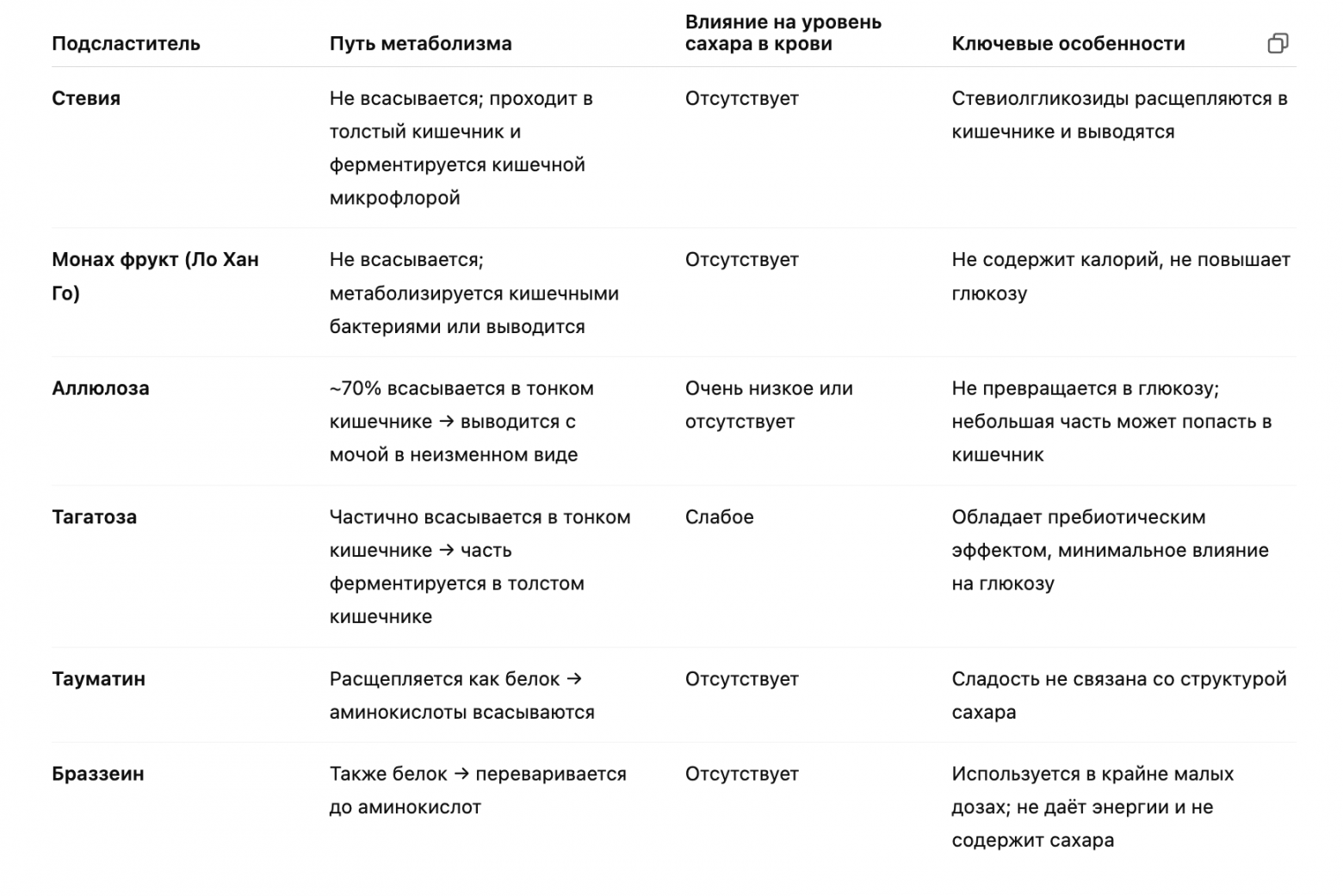
Technically a monosaccharide, allulose is not absorbed intestinally and provides only ~0.2 kcal/g with net carbs of zero. Its unique property is that it caramelizes like real sucrose, making it possible to create caramel, dulce de leche, and other confections. About 70–85% is absorbed intestinally but then excreted unchanged by the kidneys. It has laxative potential at doses above 30–50g daily.
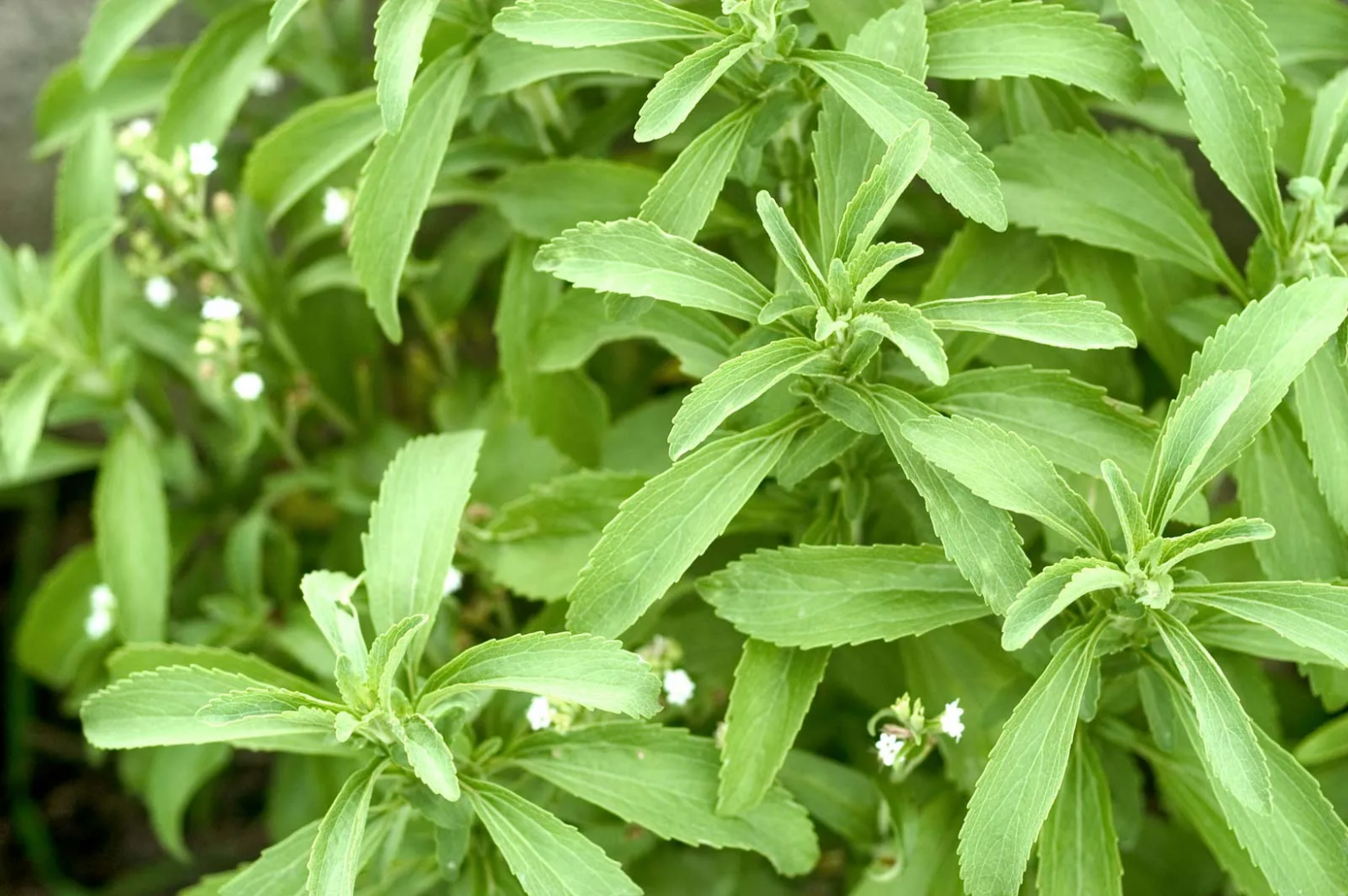
Stevia
200–300 times sweeter than sugar, with 0 calories and 0g carbs. It has a mild bitter aftertaste that limits its use in some applications. Frequently combined with erythritol to improve the taste profile.
Monk Fruit (Luo Han Guo)
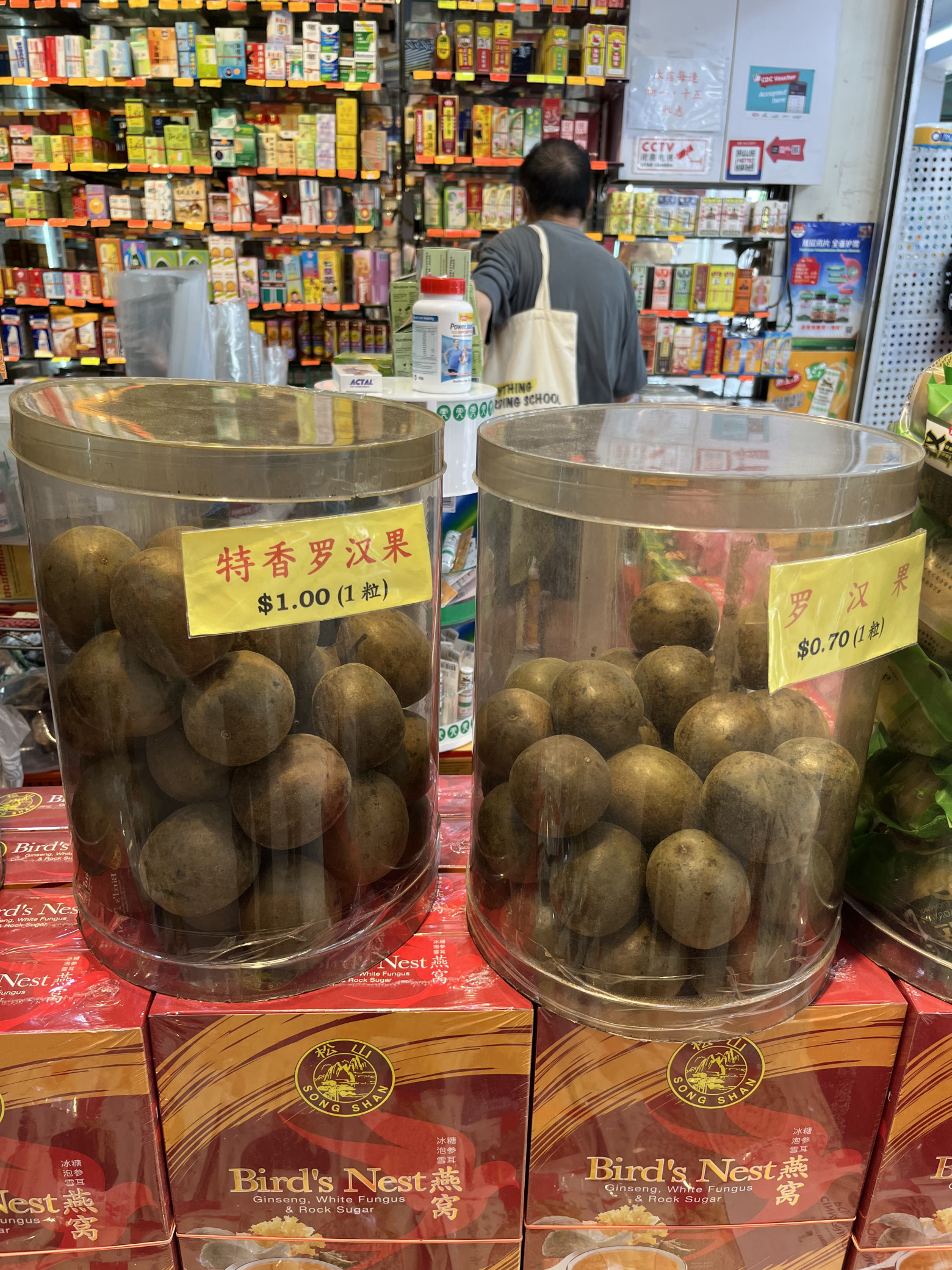
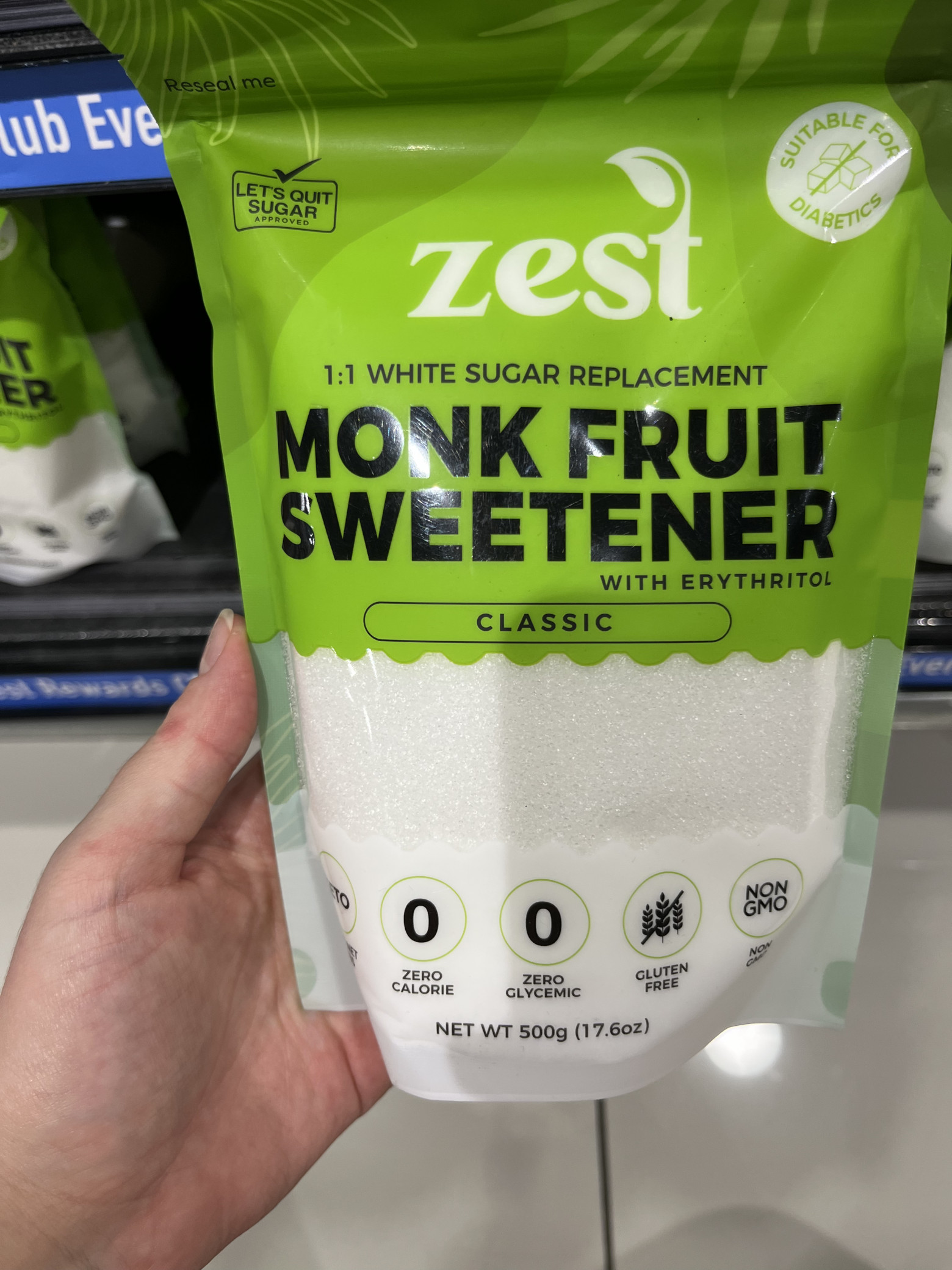
150–250 times sweeter than sugar, with 0 calories and 0g carbs. It has a long history in traditional Chinese medicine. Be aware that many "monk fruit" products are actually 98–99% erythritol blends sold at a premium price.
Thaumatin and Brazzein
Derived from African fruits, these sweeteners are 500–2000 times sweeter than sugar with minimal or no aftertaste. They are still gaining commercial adoption.
Six novel sweeteners have been classified as GRAS (Generally Recognized As Safe) by the FDA.
Practical Application Guidelines
Replacing sugar requires more than just matching sweetness — sugar provides mass, moisture retention, browning, and structural stability that pure sweeteners cannot replicate on their own.
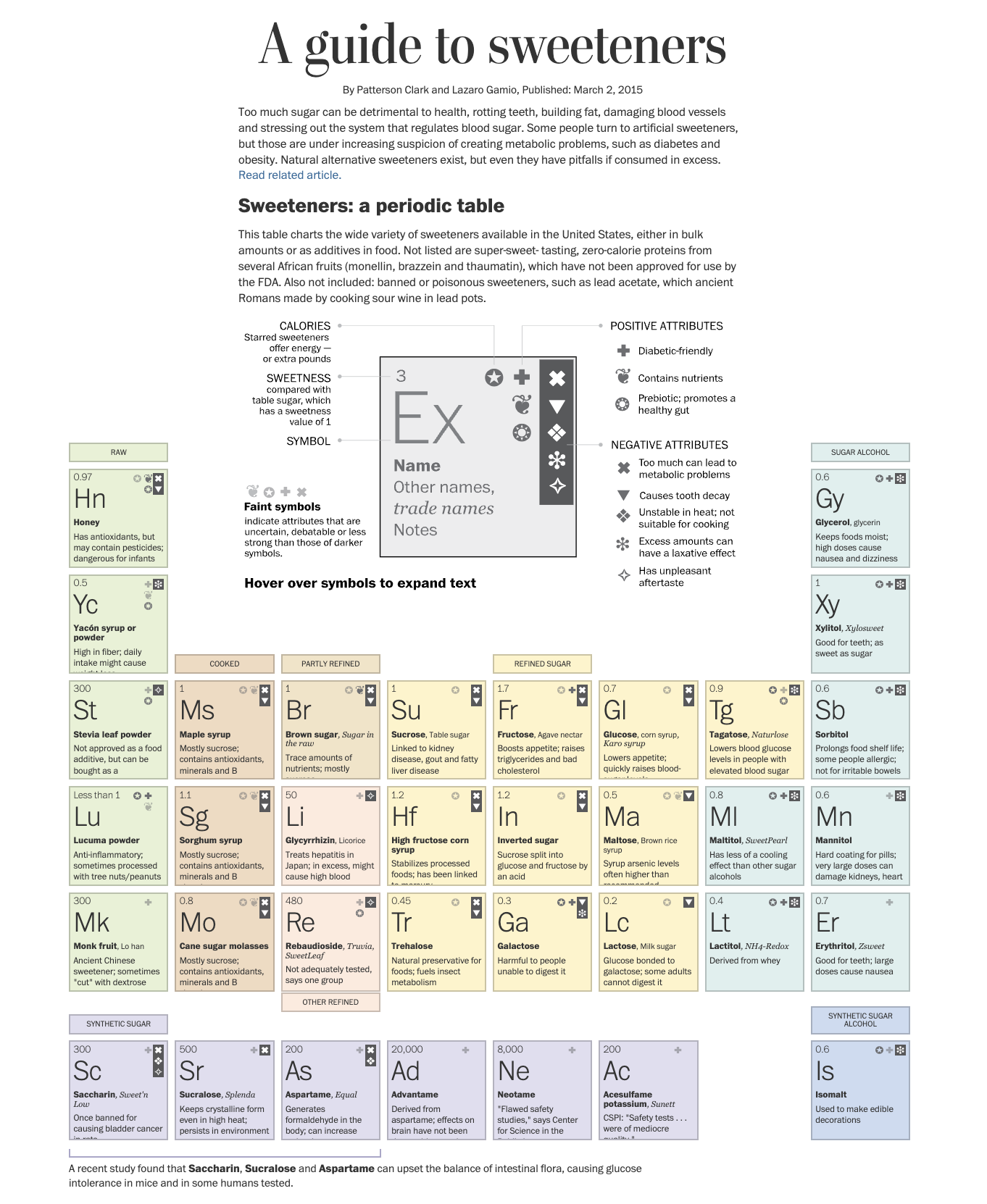
Cold beverages: Chicory root syrup, liquid stevia, monk fruit syrup, allulose, sucralose, aspartame
Baking: Erythritol, xylitol, monk fruit + erythritol blends, stevia + erythritol combinations, sucralose (Splenda)
Thermostability: Essential for heated applications; non-stable varieties lose sweetness at 150°C and above.
Fat-soluble considerations: Sweeteners require aqueous dissolution; for oil-based dressings and similar applications, use syrups rather than powder forms.
My Personal Favorites
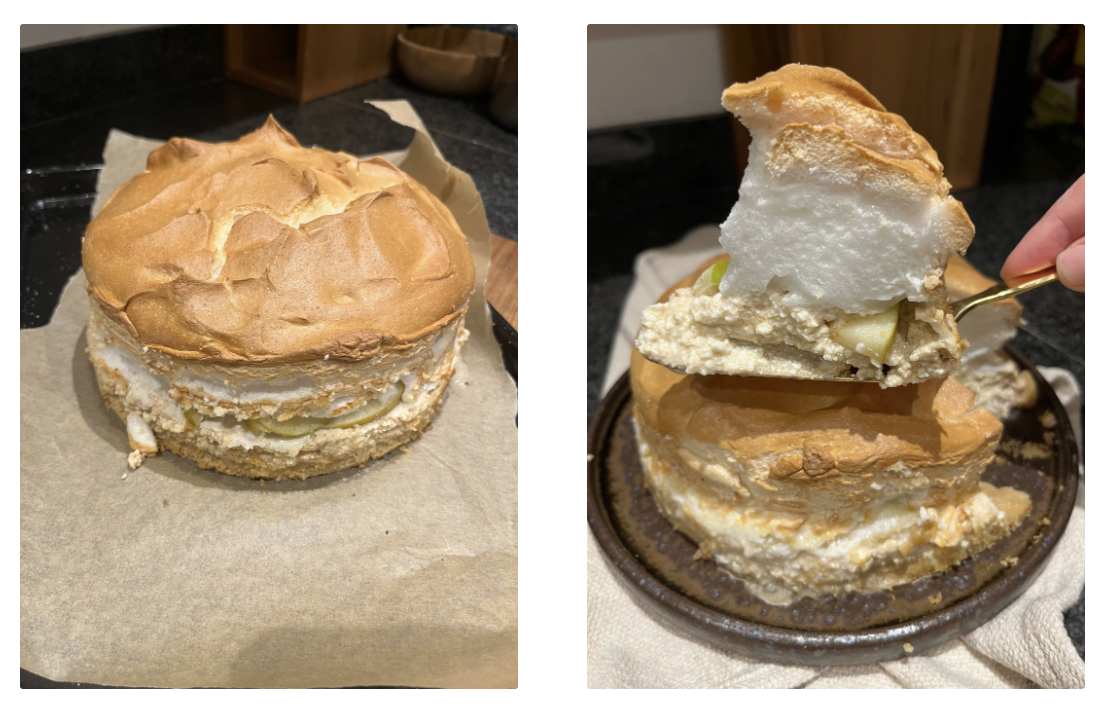
- Erythritol: 0 calories, 0g net carbs; consistently diabetes-compatible without laxative effects at moderate doses; suitable for tortes, cakes, jams, and meringue
- Stevia: A cost-effective alternative to monk fruit; I personally mix it 1:8 with additional erythritol
- Chicory root syrup: Provides honey-like viscosity for salad dressings, beverages, and grain dishes
- Allulose: Used occasionally for making authentic caramel and condensed milk; premium cost limits everyday use
- Isomalt: For candy textures, decorative confectionery, and crystallized applications
- Monk fruit syrup: When I lived in Singapore, it was readily available; similar applications to chicory root syrup

Conclusions
- Marketing claims about "superior" natural alternatives like honey or coconut sugar misrepresent their biochemical equivalence to refined sucrose.
- The varied absorption and metabolism profiles of different sweeteners create meaningful distinctions — critical for diabetic management or weight reduction.
- Sweetness is only one function of sugar; structural, textural, and thermal properties must be carefully matched for each specific culinary application.
- Commercially blended products frequently misrepresent their composition, masking inexpensive ingredients behind premium branding.
- Moderation applies universally — excessive quantities of any substance, even spinach or raspberries, produce adverse effects.
FAQ
What is this article about in one sentence?
This article explains the core idea in practical terms and focuses on what you can apply in real work.
Who is this article for?
It is written for engineers, technical leaders, and curious readers who want a clear, implementation-focused explanation.
What should I read next?
Use the related articles below to continue with closely connected topics and concrete examples.