Teardown of Three Popular Fake USB Drives from Marketplaces
A hands-on investigation of three counterfeit USB flash drives from Russian marketplaces reveals devices claiming 512 GB that actually hold less than 1 GB. Teardowns, capacity tests, and tips for spotting fakes.
I was expecting the worst when testing these flash drives, anticipating devices claiming 512 GB that actually contain just 1–2 GB of memory. Previously, when buying counterfeit Kingston microSD cards rated at 1 TB and 32 GB, I found actual capacities of 4 GB and 240 MB respectively. Where a 240 MB flash chip came from in 2024 remains a mystery.
On Greed and Reality: microSD Cards as a Prelude
The Photos and Telltale Signs
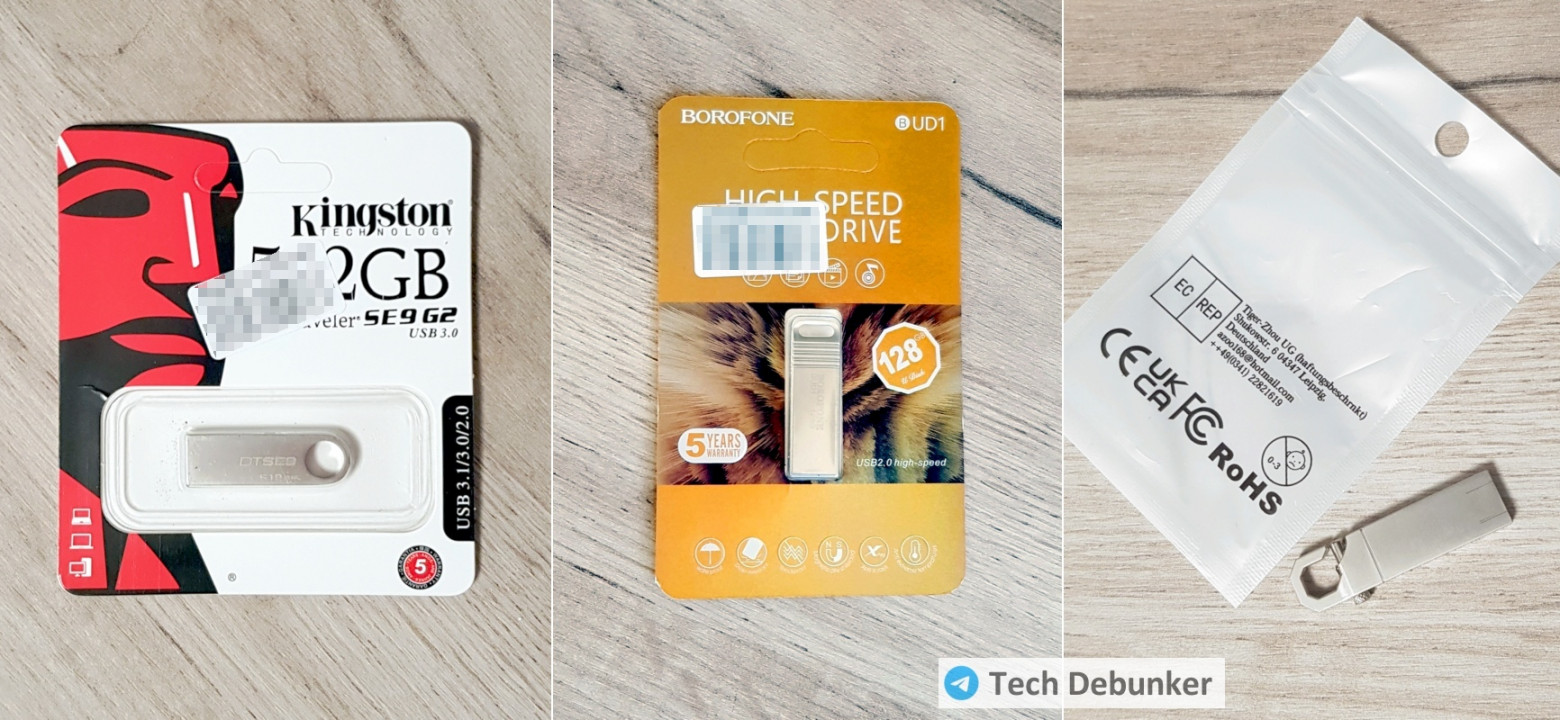
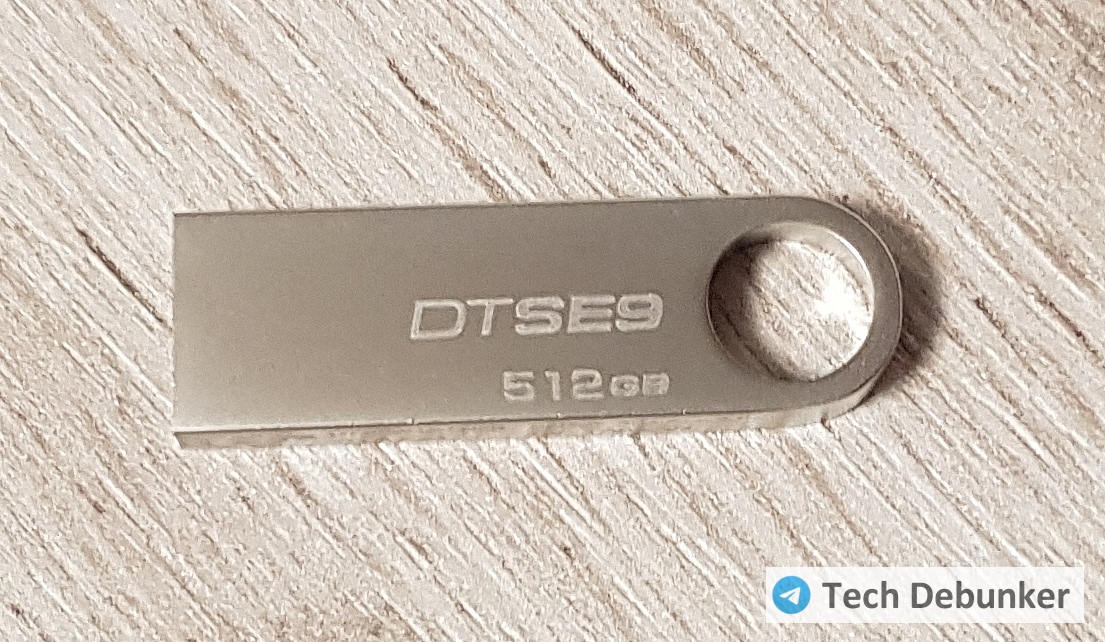
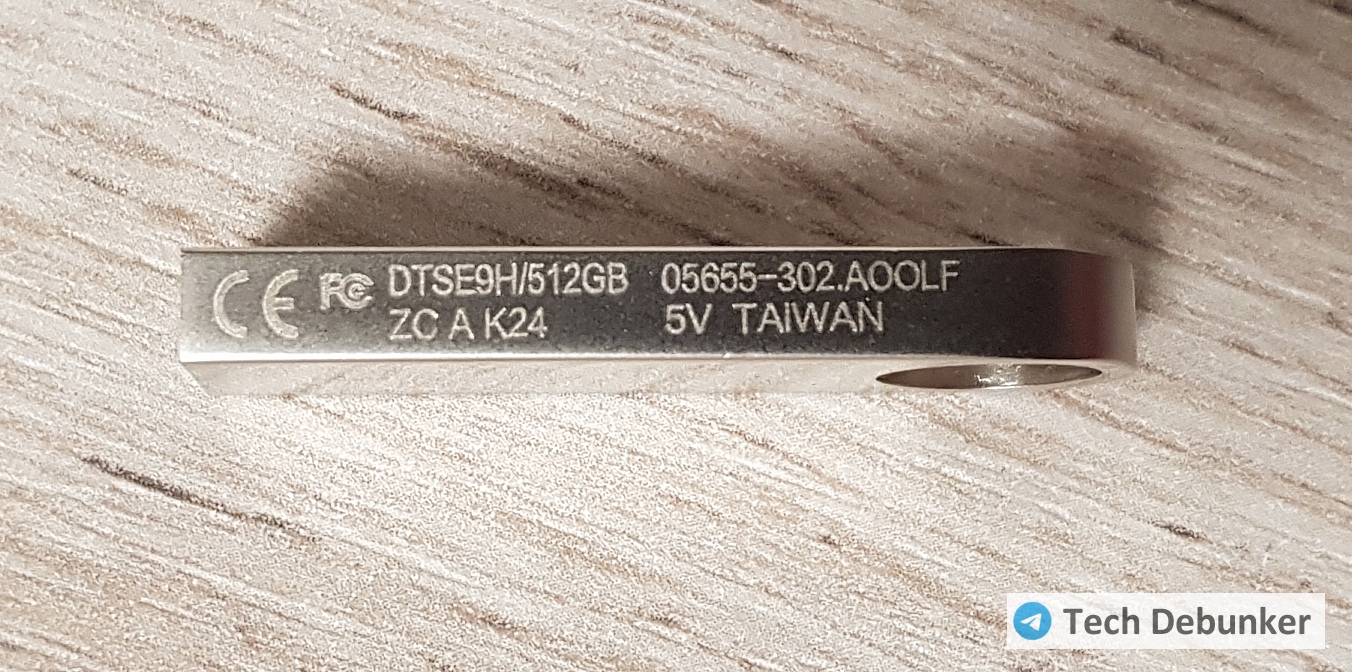
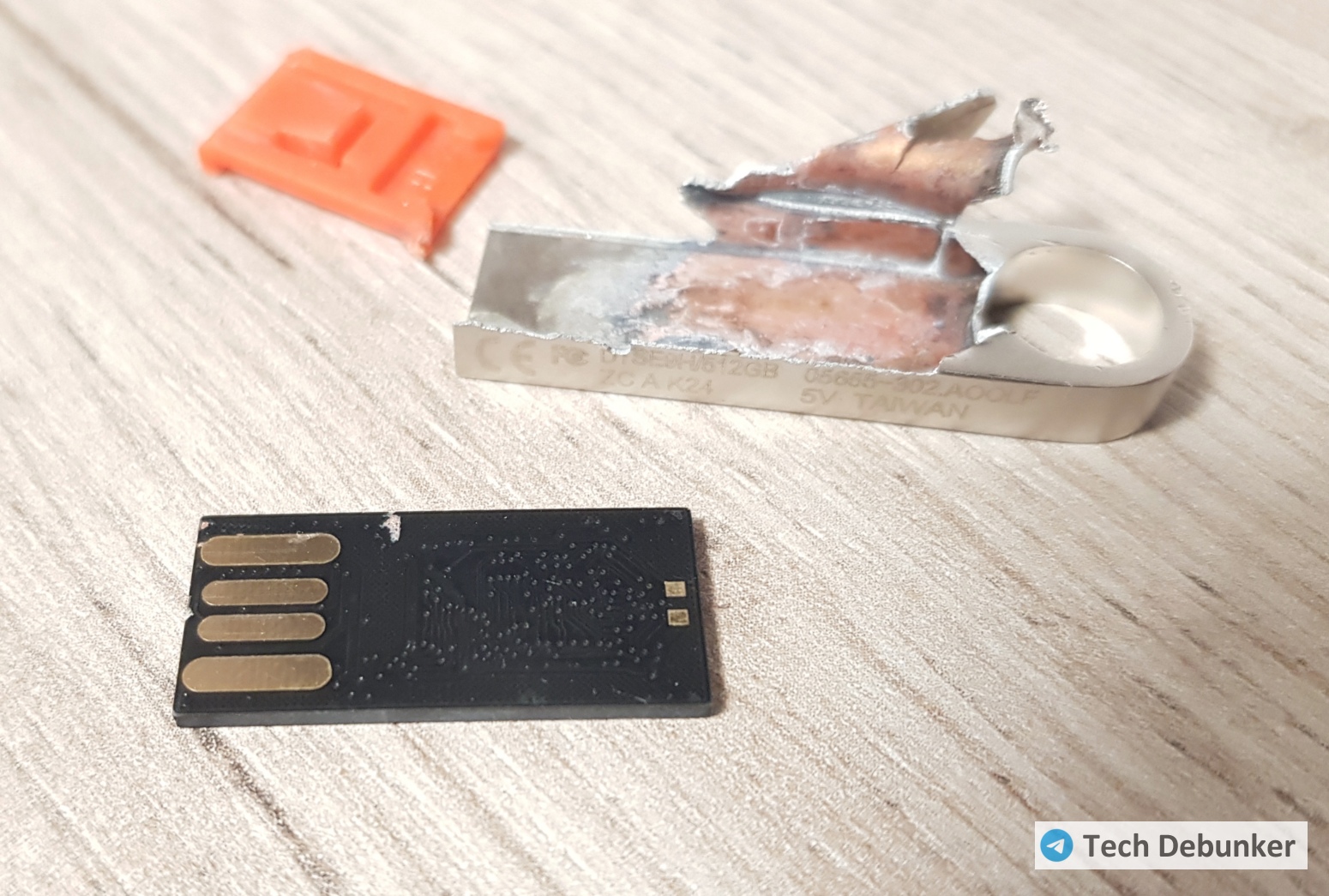
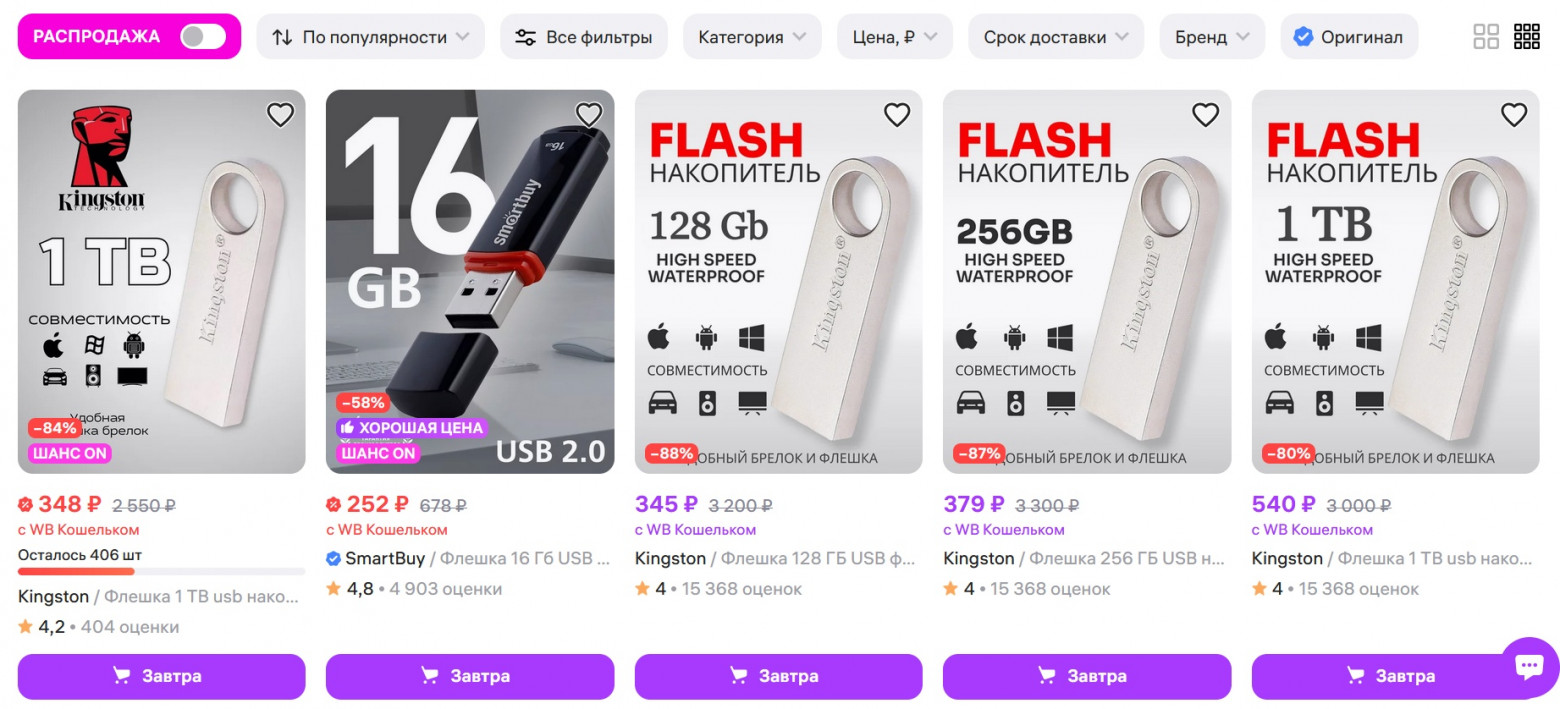
Kingston 512 GB costs 350 to 650 rubles on marketplaces. The packaging and body completely replicate the discontinued Kingston SE9 G2 model. On close inspection, you can see dust and dirt inside the sealed plastic packaging—a clear sign of artisanal production, since legitimate manufacturers use clean rooms with gowns and air filtration.
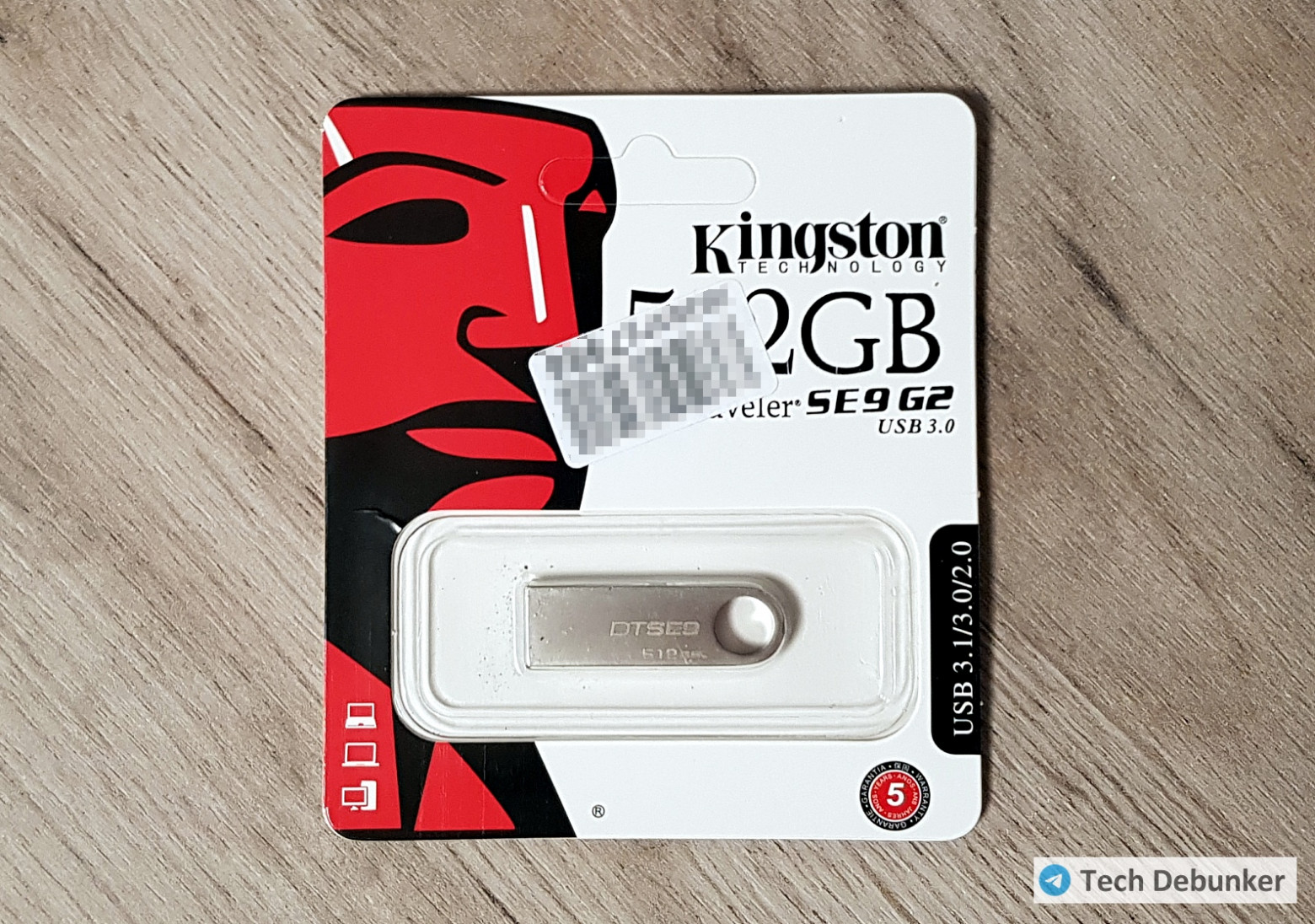
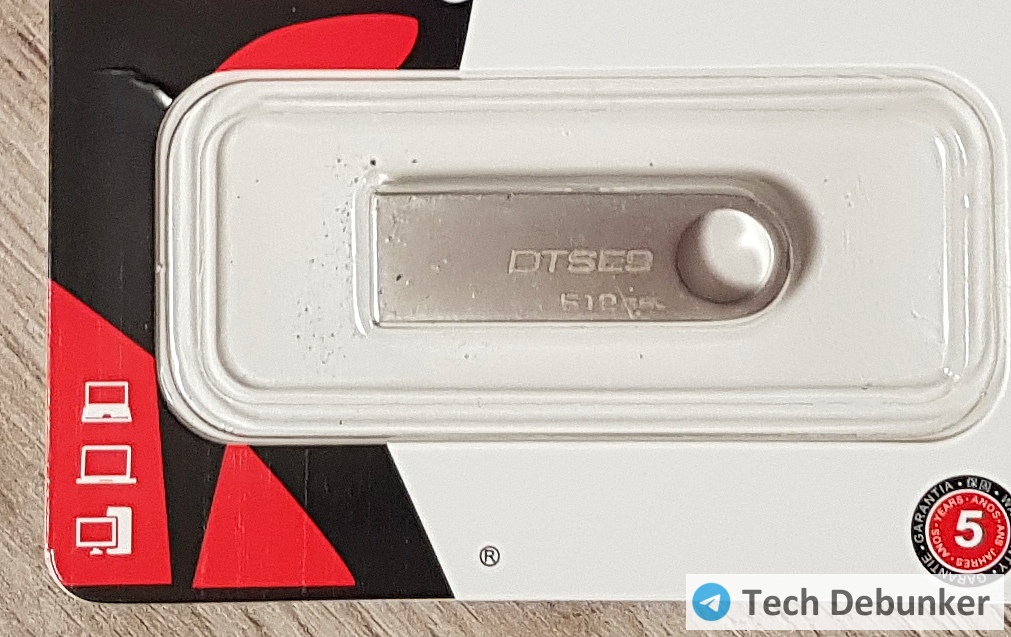
The device shows model number SE9 G2, but Kingston currently only produces the SE9 G3 in a gold casing with capacities up to 512 GB.
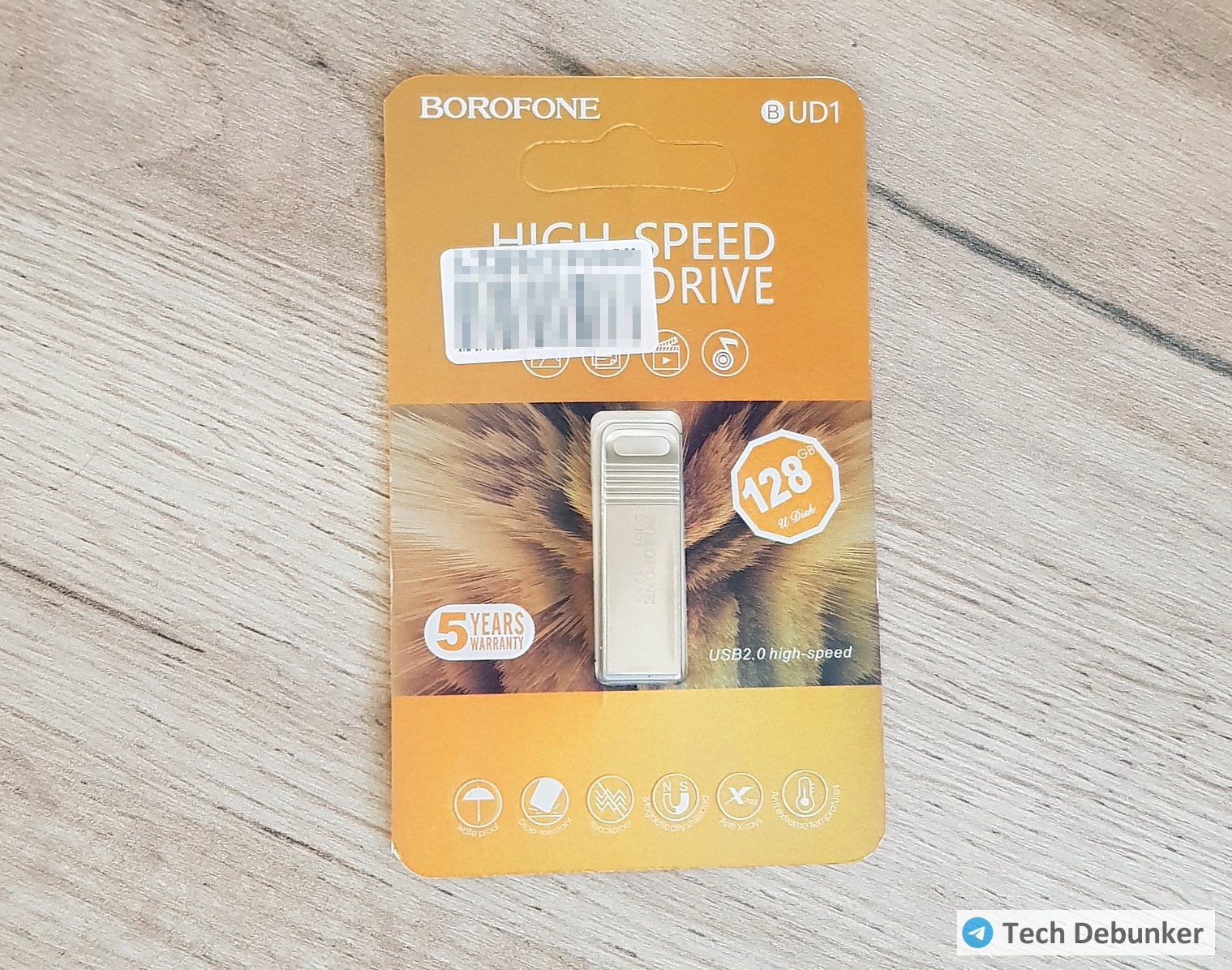
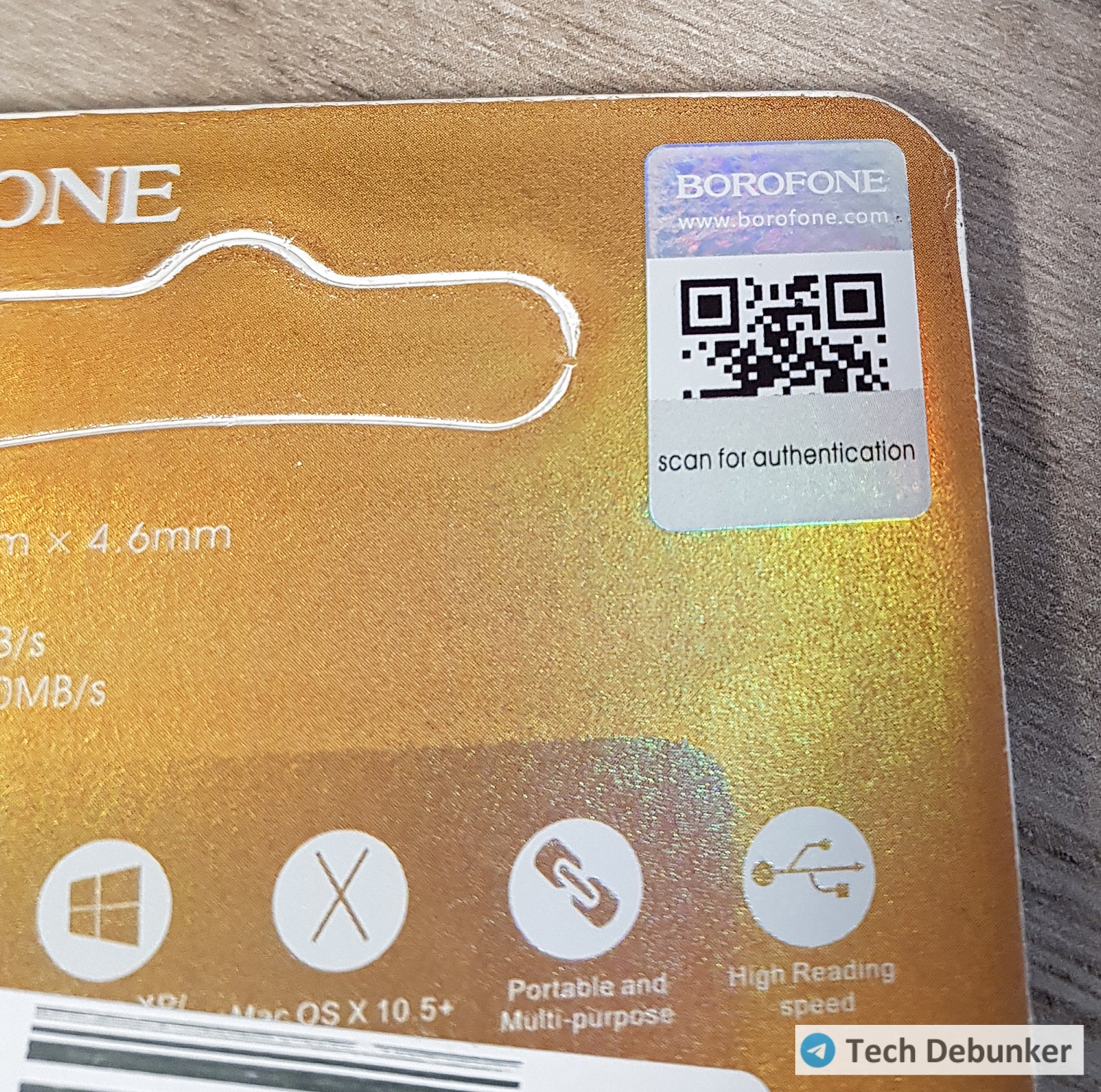
Borofone 128 GB is presented with greater counterfeiting effort. The packaging features iridescent ink, a hologram, and a QR code for authenticity verification, partially covered by a scratch-off layer. However, the scratch-off layer turned out to be just a printed design that erases along with the cardboard surface. The body is made of aluminum alloy instead of the required zinc alloy with coating.
Counterfeit prices range from 380 to 800 rubles, while wholesale prices from the distributor are 560–660 rubles.
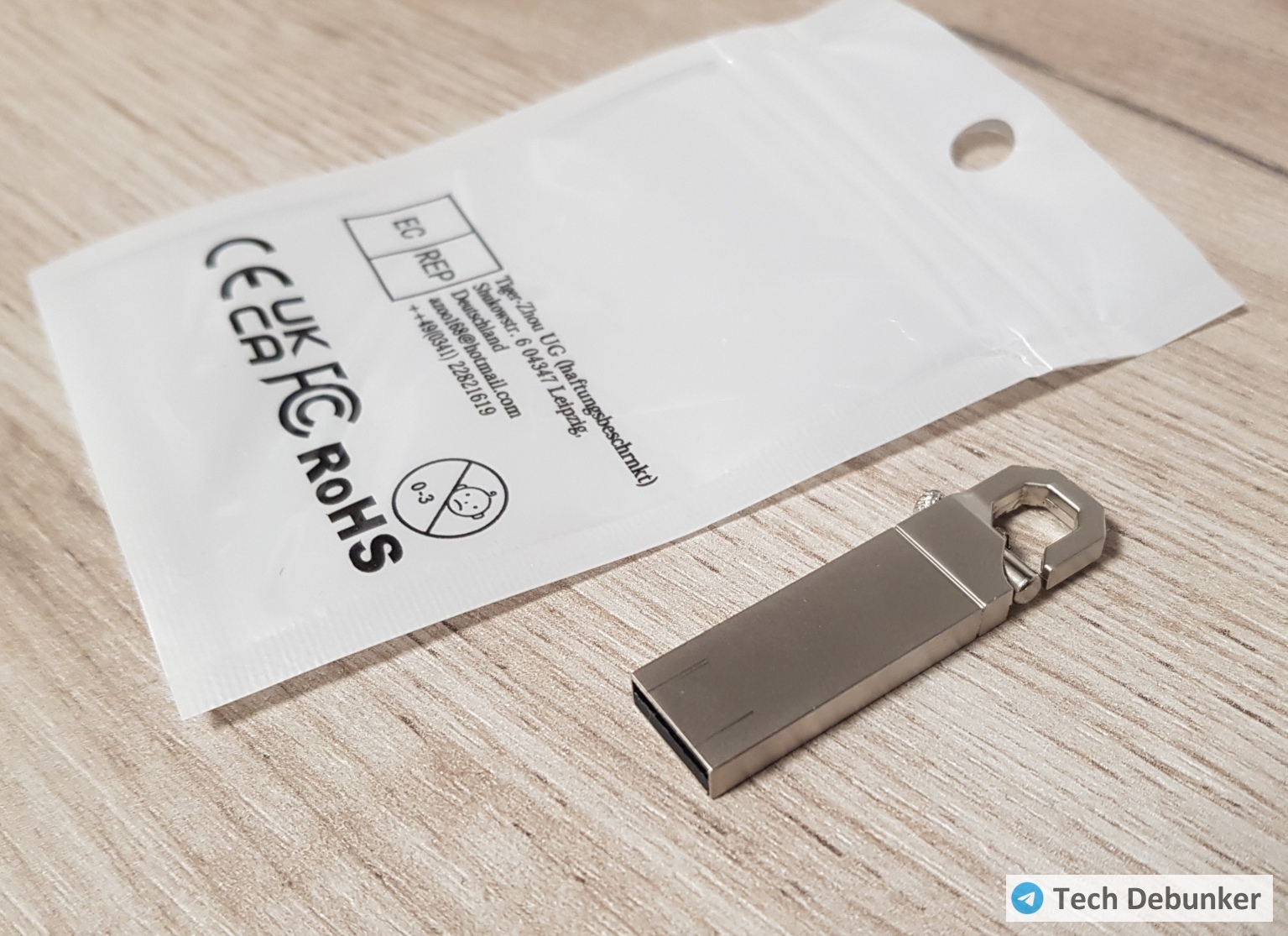
The third flash drive is a no-name device in a simple unmarked bag. Similar devices have flooded all marketplaces under various brands, most commonly Remax.
Test Results
H2testw test results reveal the truth:
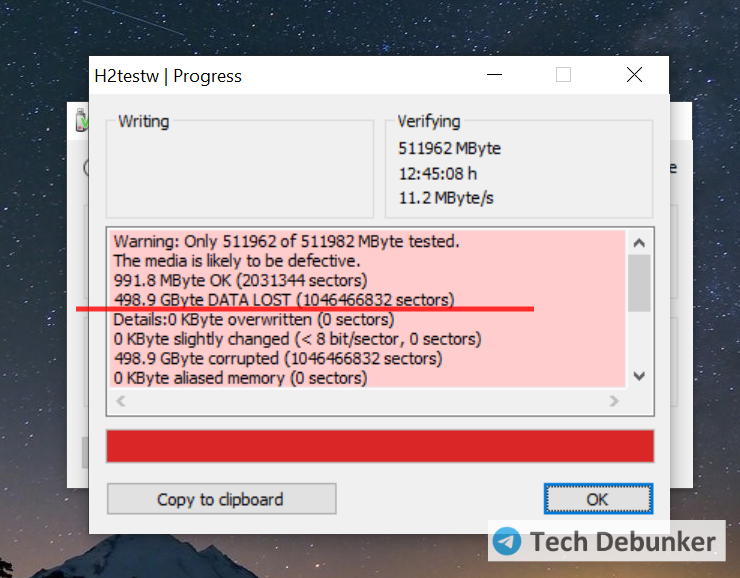
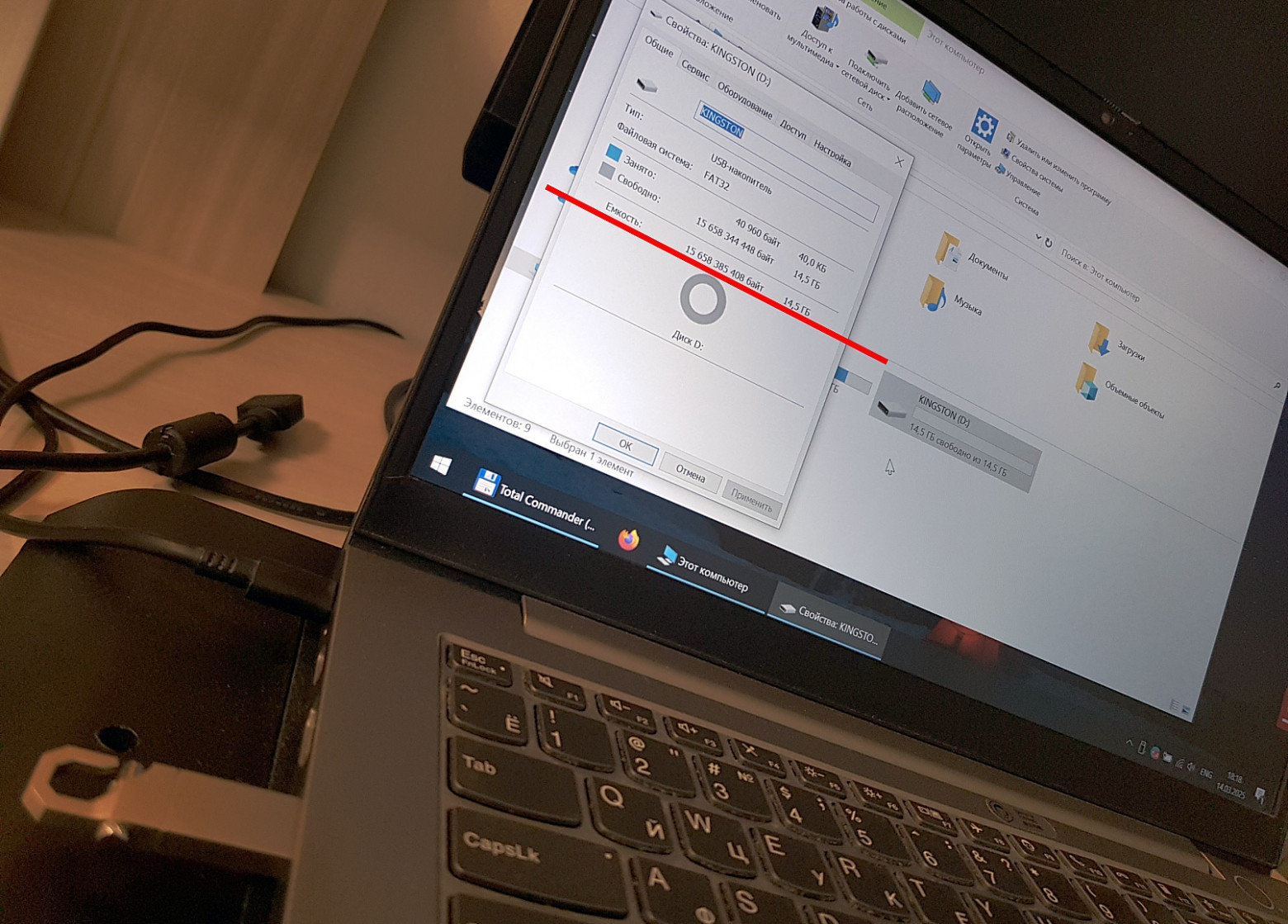
Kingston 512 GB: actual capacity is just under 1 GB (0.2% of the claimed volume).
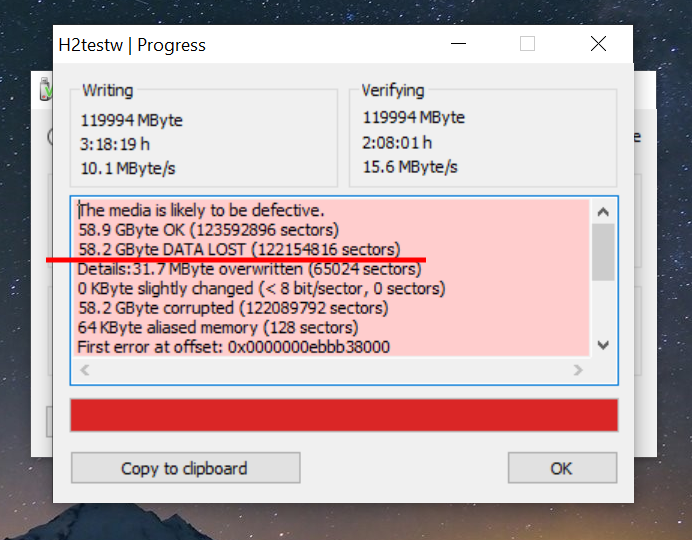
Borofone 128 GB: 59 GB available (50% of claimed).
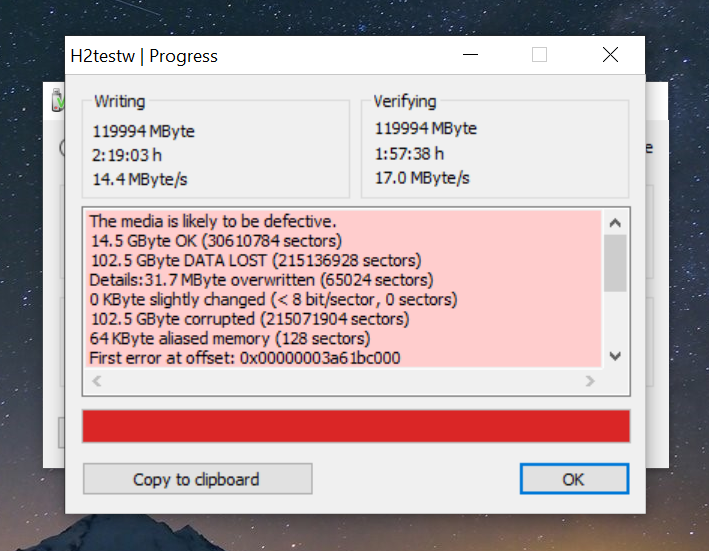
No-name 128 GB: contains 14 GB (11% of claimed).
The Kingston is a complete dummy, designed so that the user plugs it in, the system reports 512 GB, and beyond that quality doesn't matter.
What's Inside
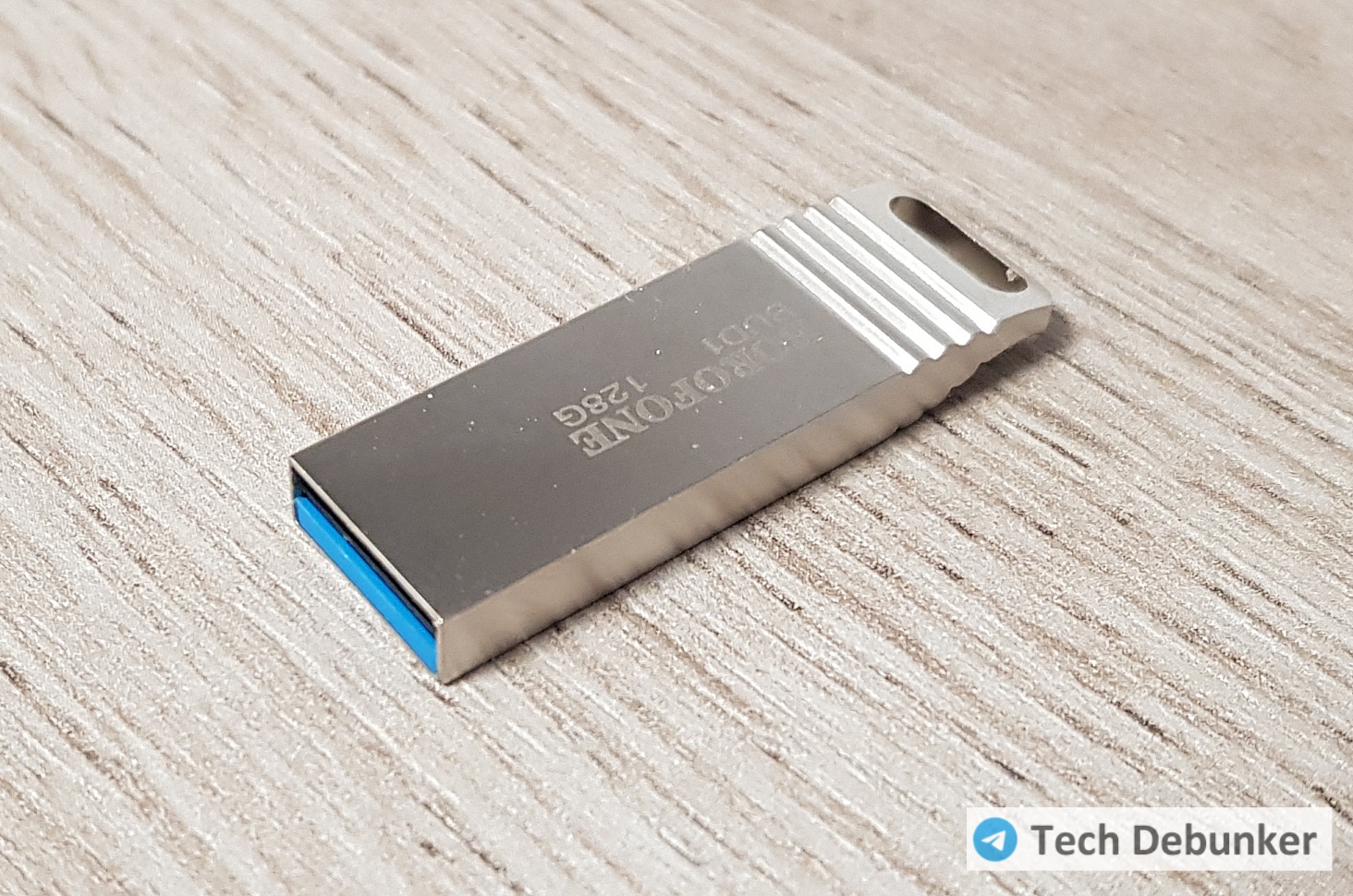
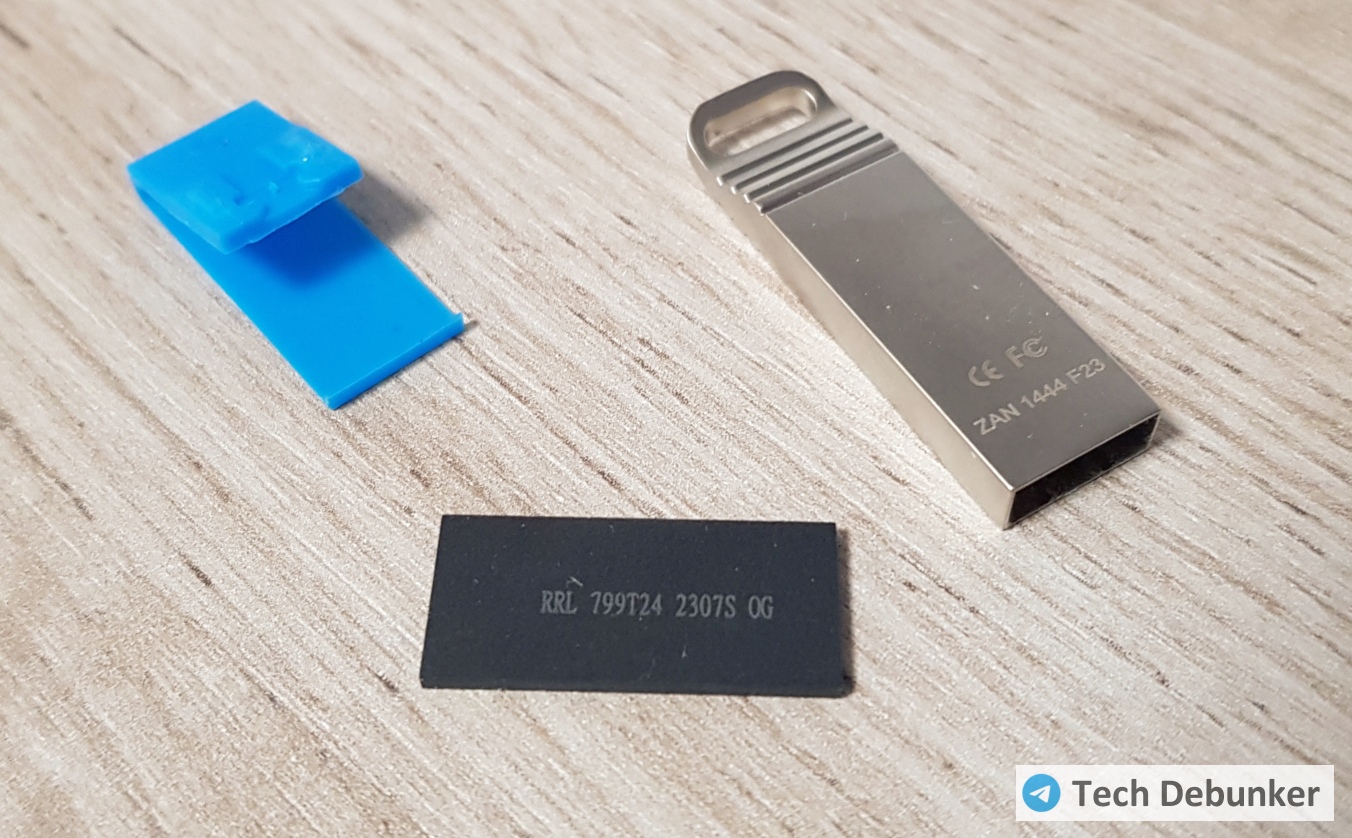
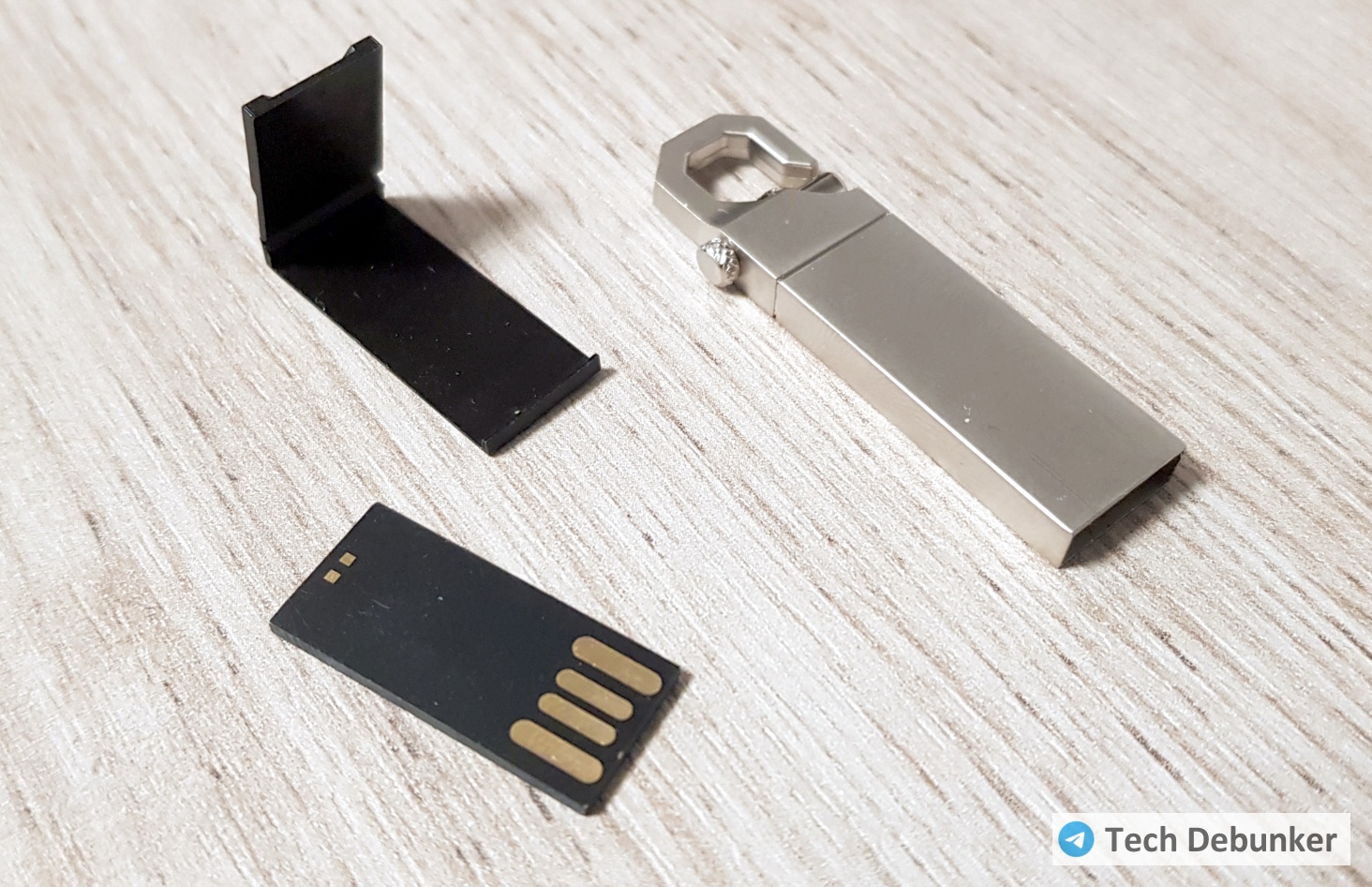
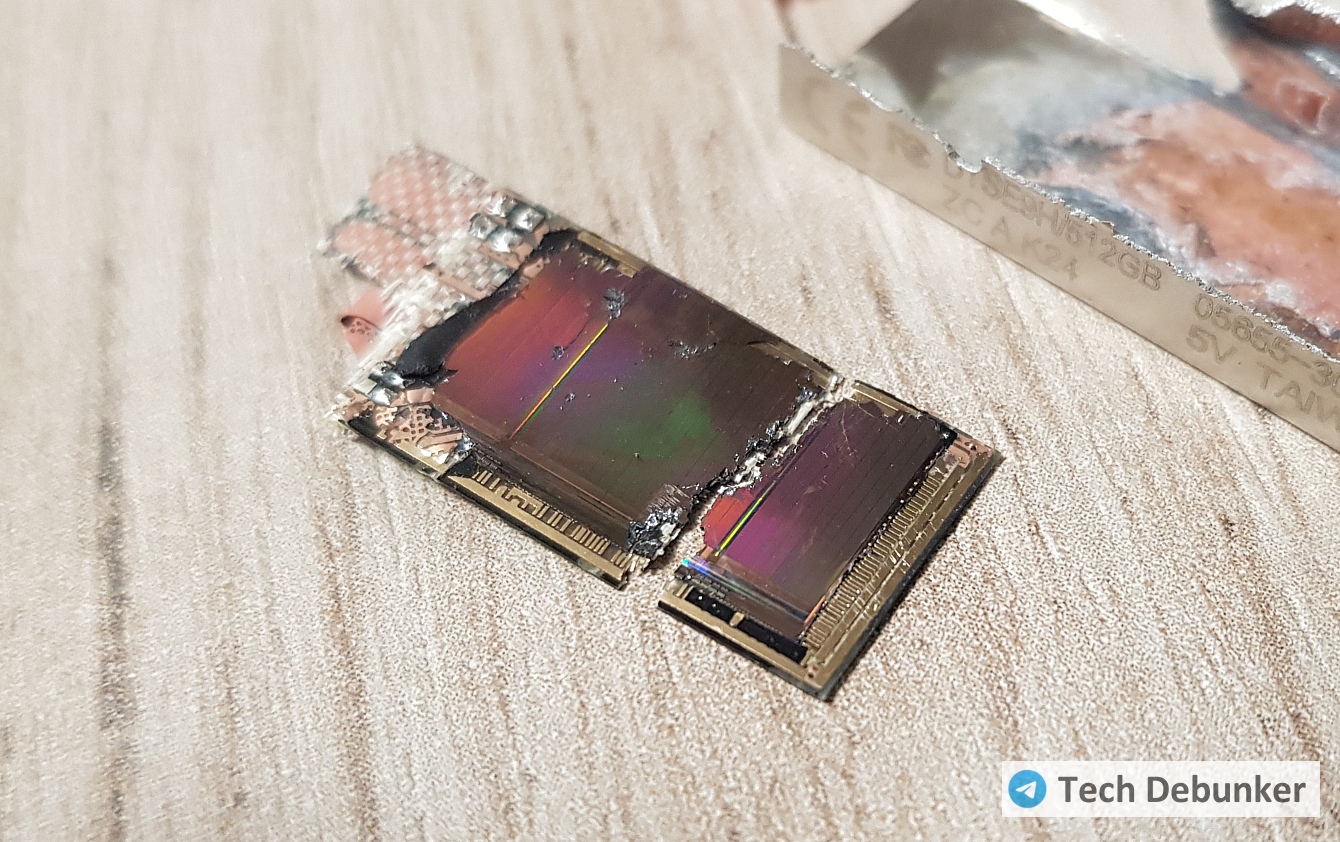
All three devices are constructed identically—a micro-PCB with an integrated die and USB contact pads, held in place by a plastic clip. There is no separate controller or memory chip; the micro-PCB simultaneously serves as the chip's package.
Where Does This Come From?
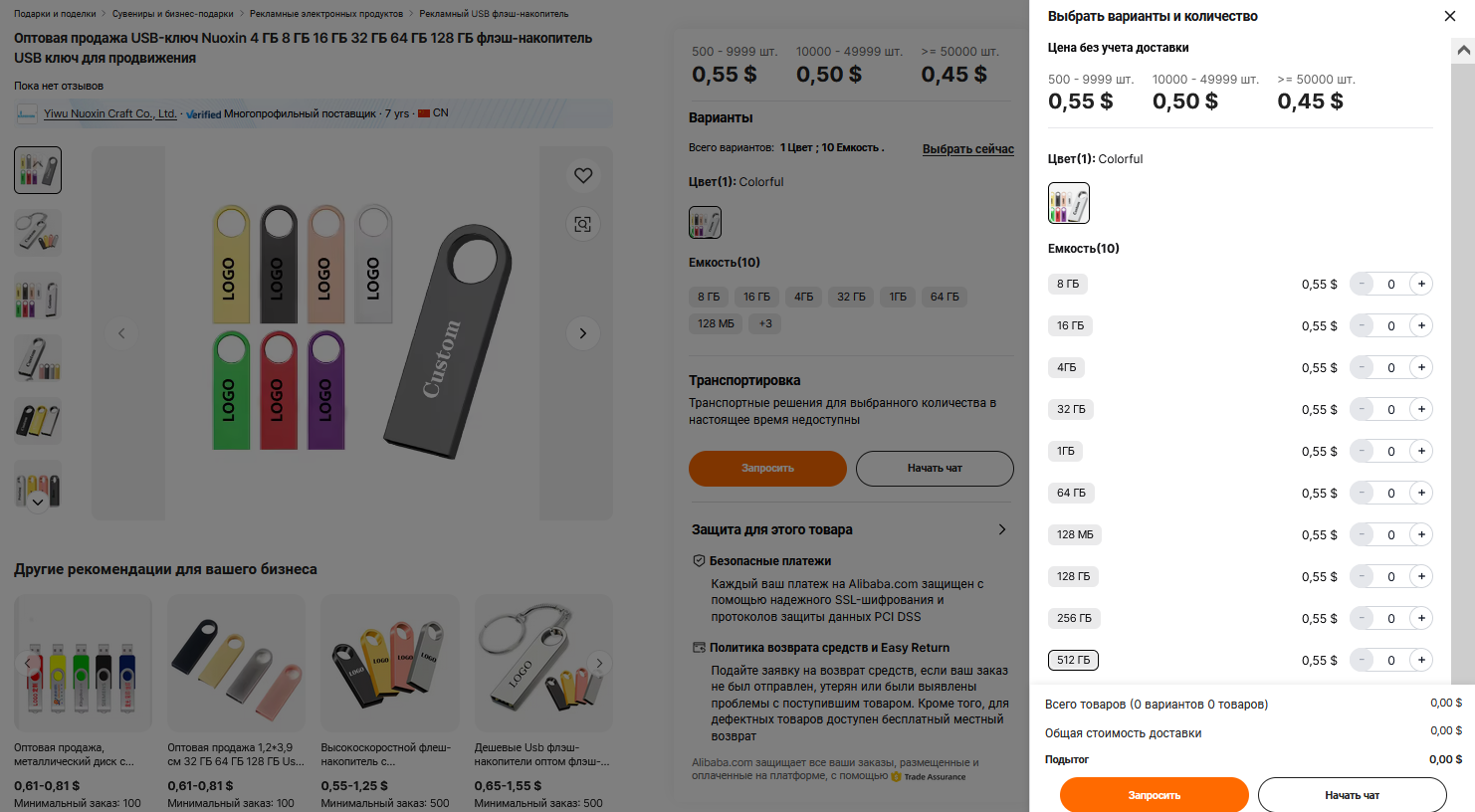
On Alibaba.com, similar products are sold openly for about $0.50 per unit. Sellers offer any capacity and labeling to the customer's specifications. Listings include obvious Kingston counterfeits without any shame. This approach works because of minimal cost and substantial profit margins.
What Should a Real Flash Drive Cost?
In 99% of cases, counterfeits can be identified by price. Minimum sale prices for legitimate flash drives:
- 64 GB: from 300 rubles
- 128 GB: from 550 rubles
- 256 GB: from 1,400 rubles
- 512 GB: from 2,900 rubles
- 1 TB: from 10,000 rubles
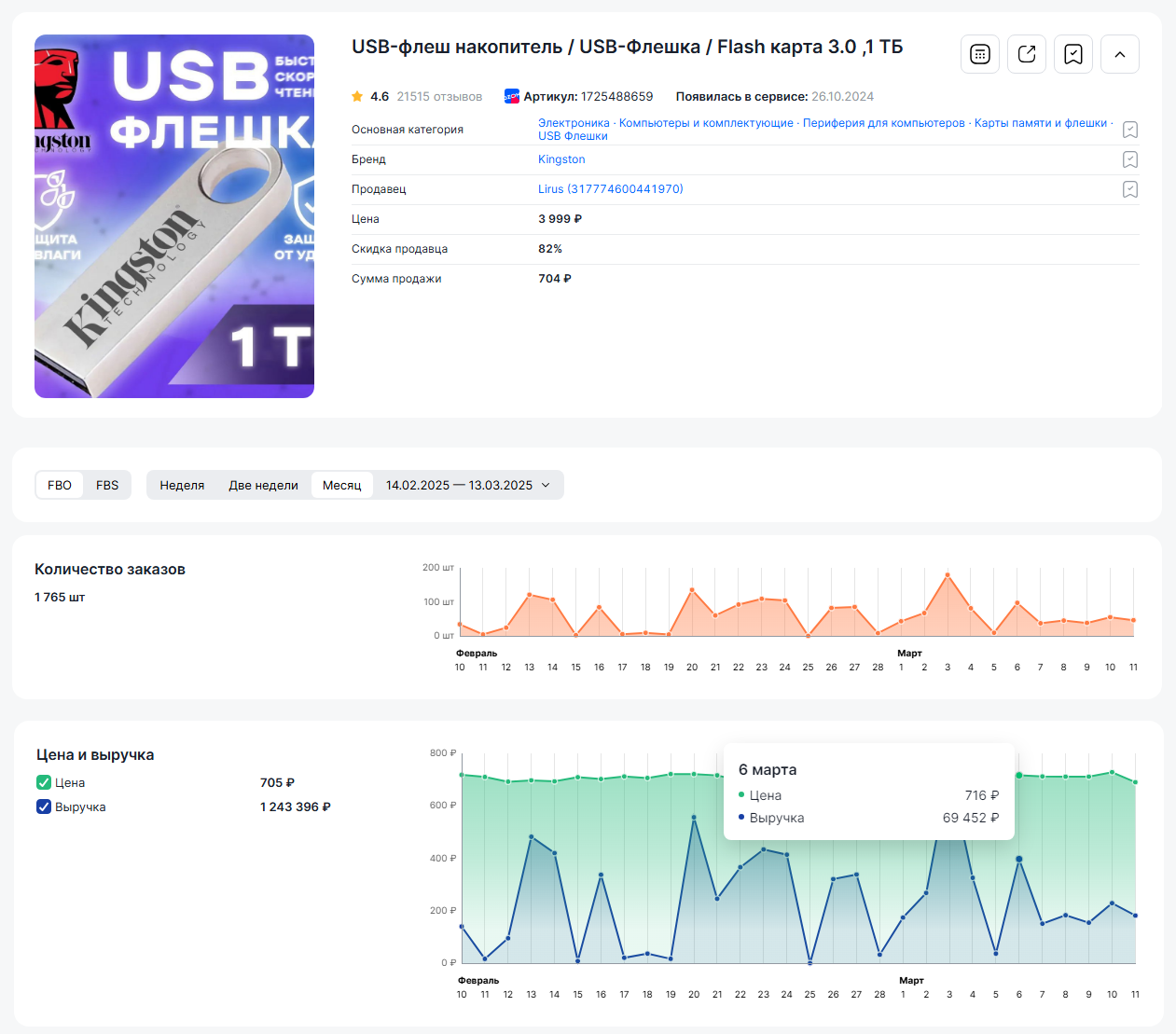
Even at these prices, quality will be low-end. The exception is 512 GB and 1 TB capacities, which use modern controllers and memory chips. Fake flash drives sell daily in the thousands. On Ozon, one seller of counterfeit Kingston 1 TB drives moves approximately 60 units per day.
Fighting Back

The author contacted Rospotrebnadzor (Russia's consumer protection agency) three times about the counterfeits, but marketplaces as IT companies are protected by a moratorium on inspections until the end of 2025. However, there is a way to make an impact individually.
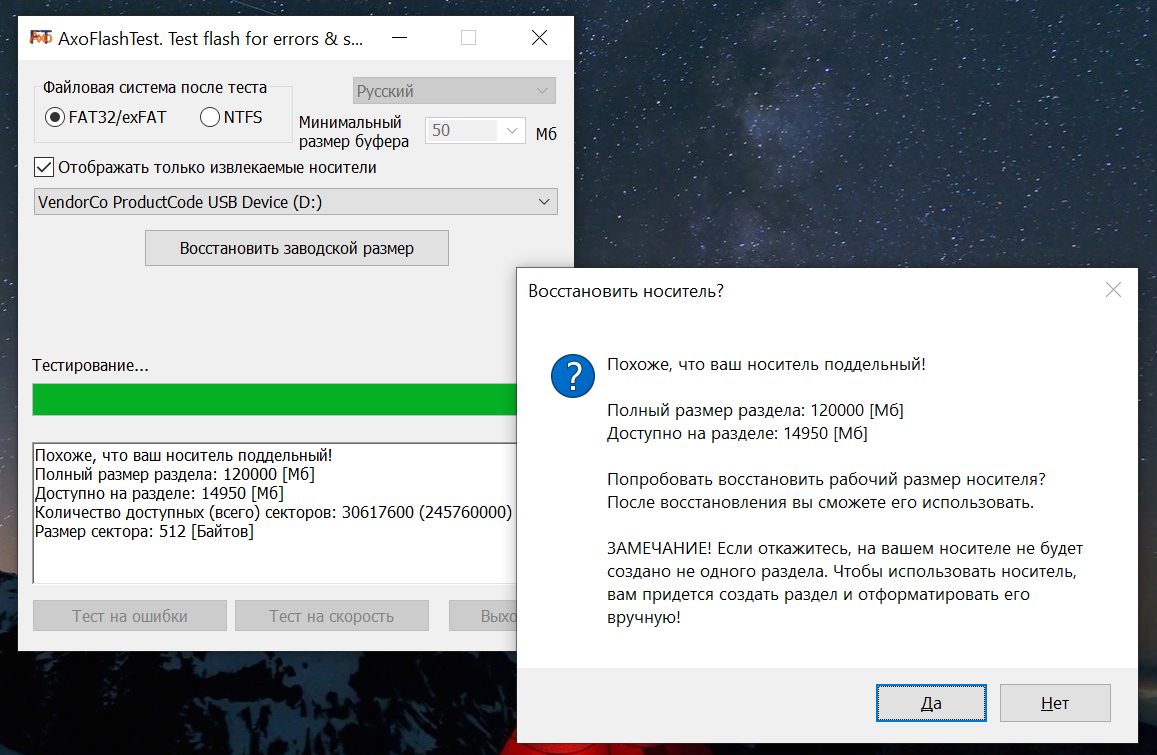
Recommended process: order a counterfeit flash drive, plug it into your computer, run AxoFlashTest to check the actual capacity, restore the true capacity. Then file a return with evidence.
On Ozon and Yandex.Market, returns are straightforward within seven days of purchase. On AliExpress, the process is more complicated, requiring more evidence through H2testw, but you get to keep the fake drive as a bonus.
The Wildberries Problem
On Wildberries, the standard return process doesn't work—the platform openly blocks returns of all "technically complex goods," which violates consumer protection law. This creates a favorable environment for scammers, particularly sellers from Kazakhstan or Kyrgyzstan, information about which is not disclosed at the time of purchase.
Conclusions
If a few years ago counterfeit flash drives contained roughly half the promised capacity, today they sell devices with just a few hundred megabytes to a few gigabytes under the guise of any capacity. The operation has been industrialized. Counterfeits have spread en masse to tablets, power banks, chargers, and other product categories.
The recipe for protection is simple: buy from well-known and verified sellers or from official stores with thousands of subscribers.