The DJI Phenomenon: How Hidden Technology Made Them Kings of Drones and Videography
DJI's true competitive advantage isn't building drones — it's mastering gimbal stabilization systems. This article traces how vertical integration and a single core technology transformed a dormitory startup into a global market leader.
If you ask the average person to name a drone brand, nine out of ten will say DJI. This Chinese company controls approximately 70-80% of the global consumer drone market. But what most people don't realize is that DJI's true competitive advantage has never been about drones themselves — it's about gimbal stabilization systems.
The Market Before DJI
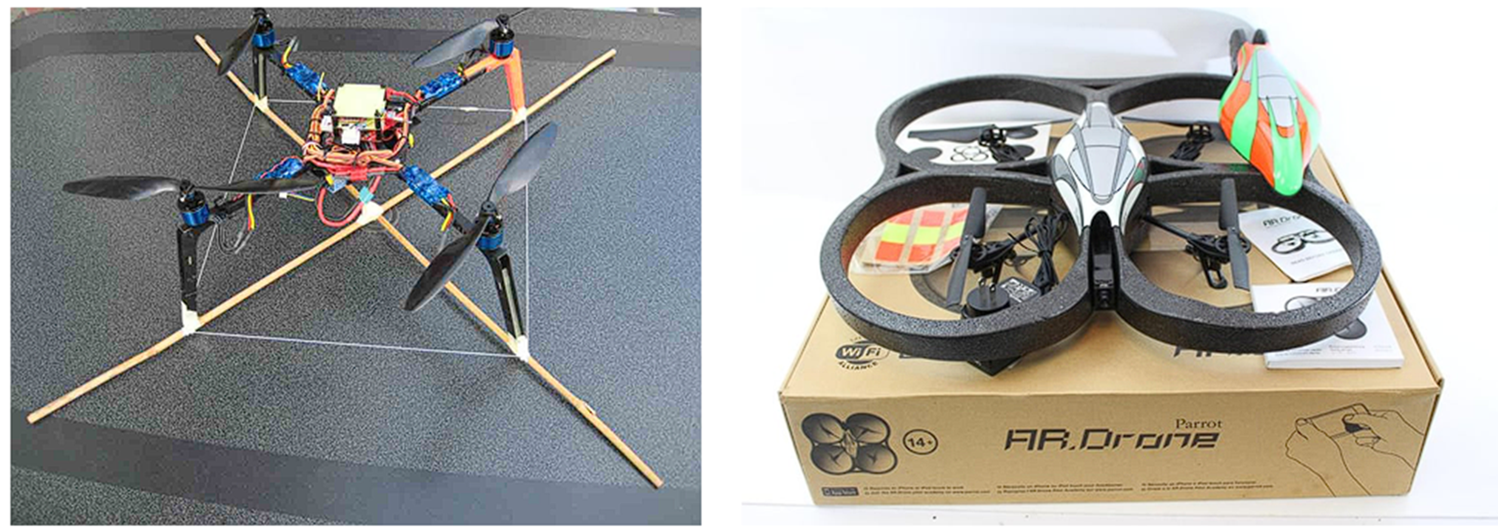
In 2012, the consumer drone market was valued at just $20-40 million, populated by toy-like products from companies like Parrot and Hubsan. These were essentially flying gadgets — fun to play with but useless for any serious application. By 2017, following the explosive success of the DJI Phantom, the market had grown to $500 million to $1 billion. Today it stands at $5-6 billion, with forecasts reaching $15-16 billion by 2032.
The Dormitory Beginnings
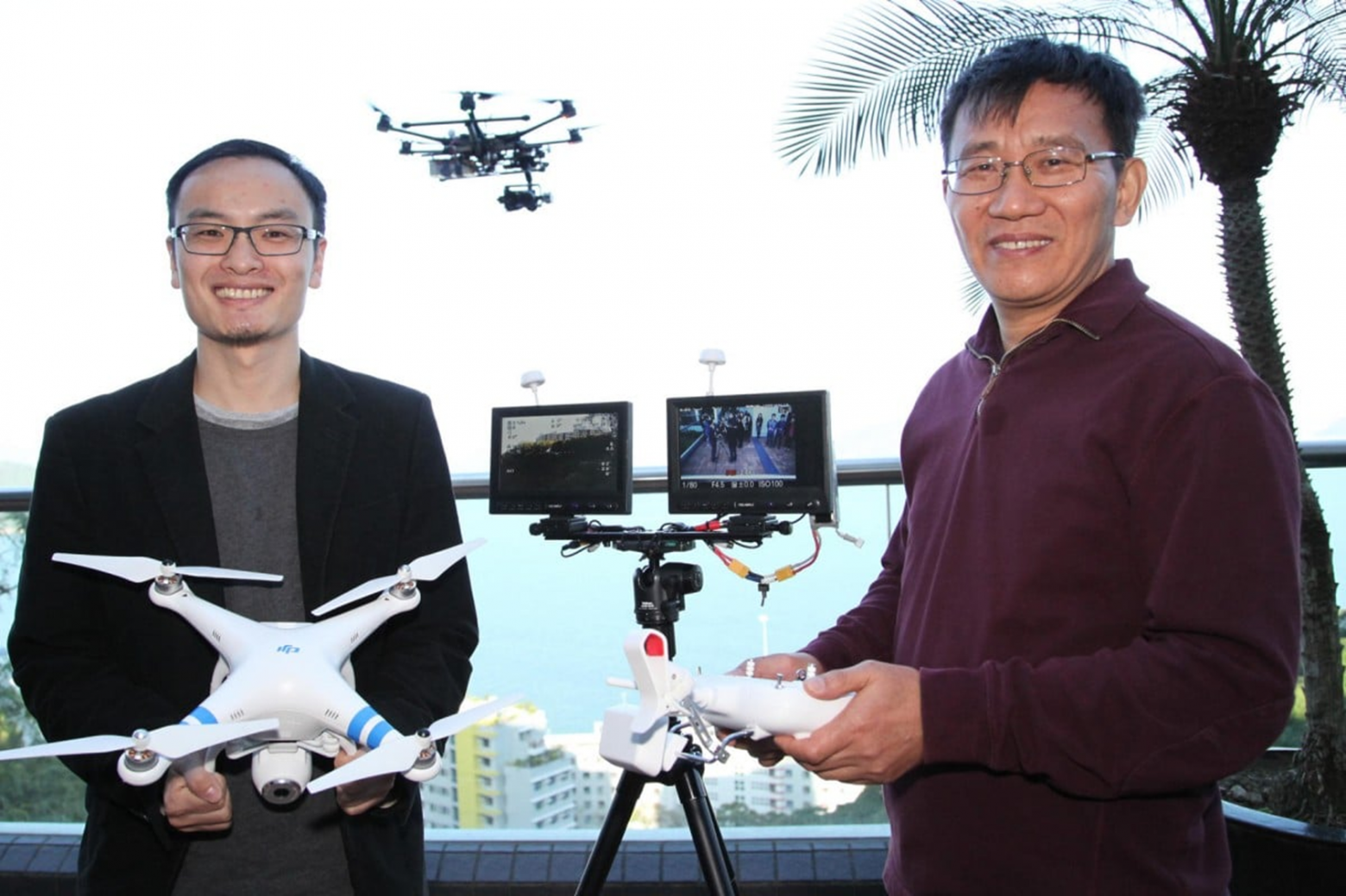
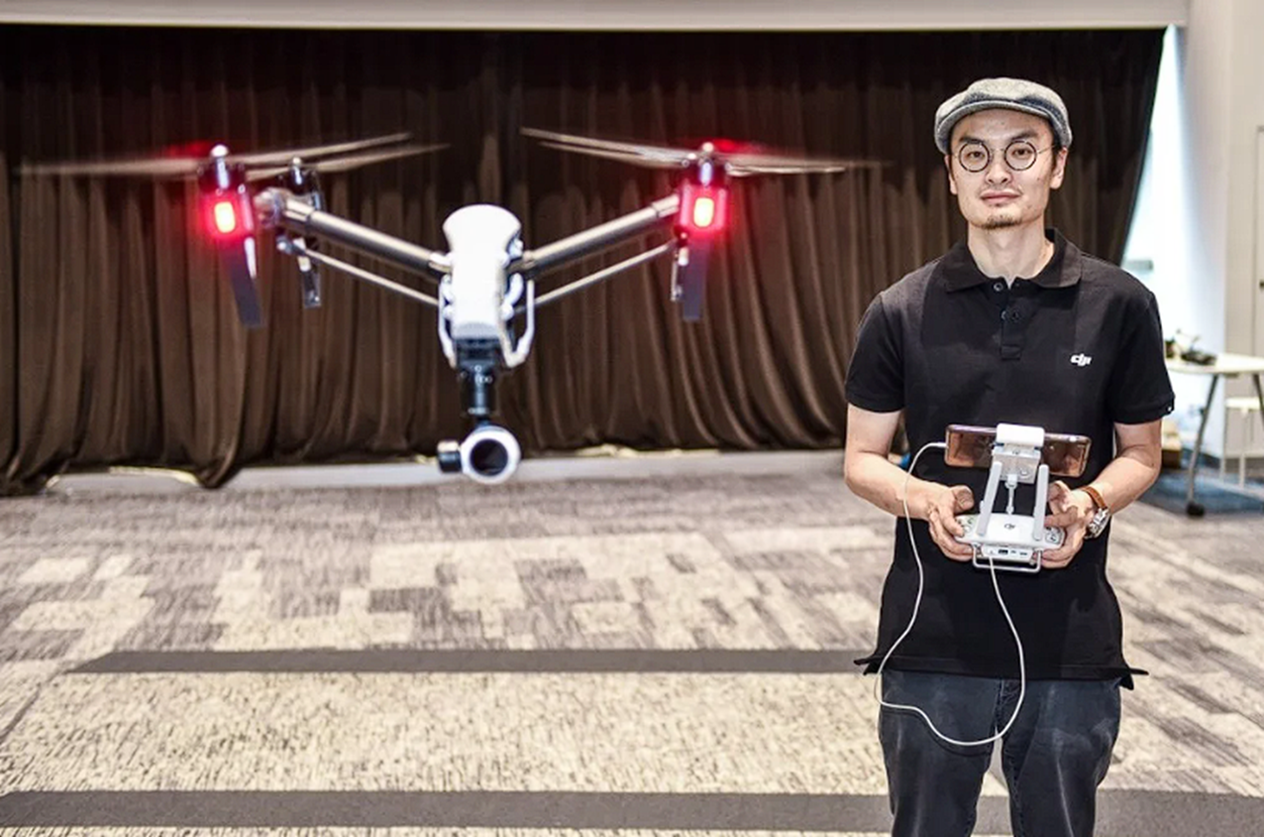
The story starts in 2006-2007, when founder Frank Wang (Wang Tao) was developing his first flight controller in a Hong Kong university dormitory. The existing commercial IMU (Inertial Measurement Unit) solutions proved entirely unsuitable for small, lightweight aircraft. They were either too heavy, too expensive, or too imprecise for the task. This forced Wang to build his own from scratch — a decision that would define the company's entire future philosophy.
The Stabilization Secret
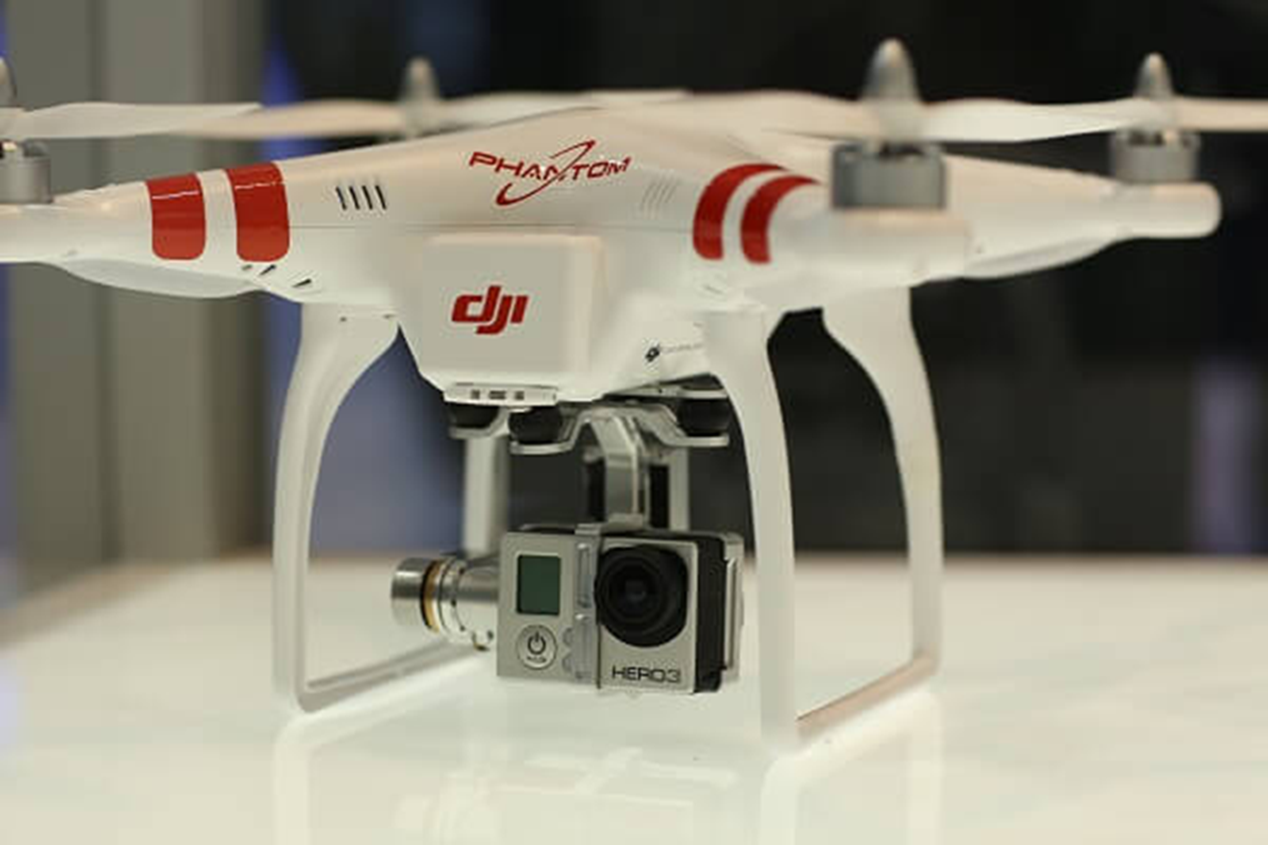
The critical innovation that separates DJI from every competitor centers on their integrated gimbal systems. These combine:
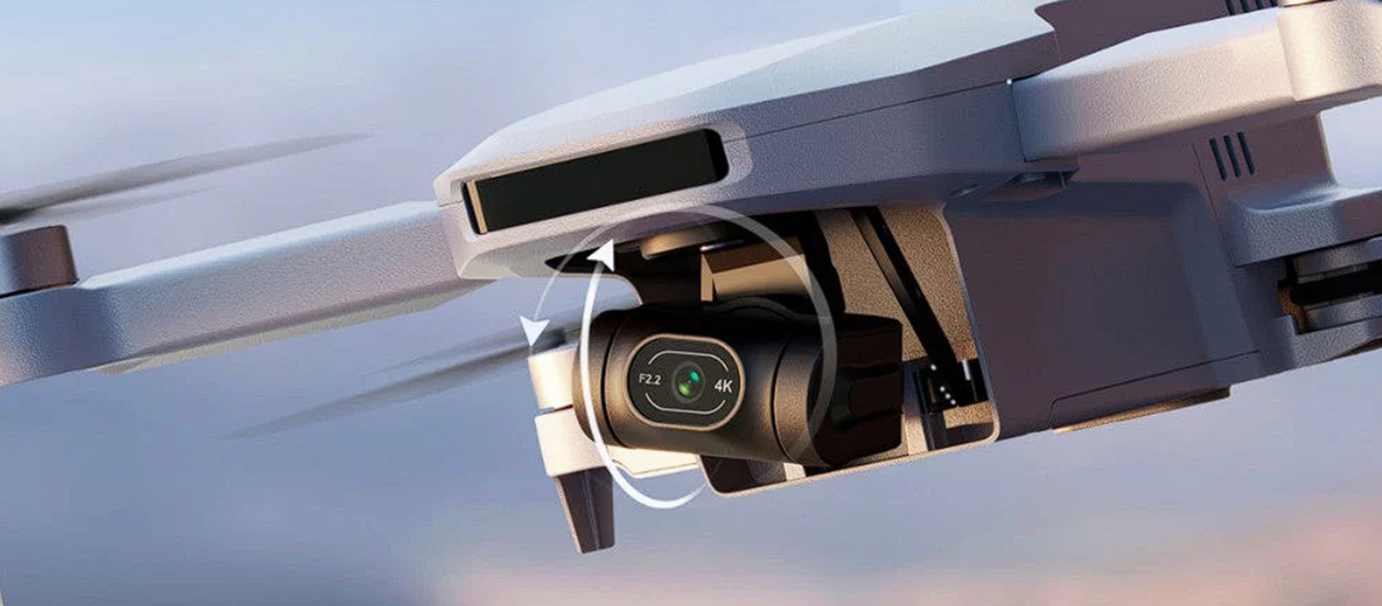
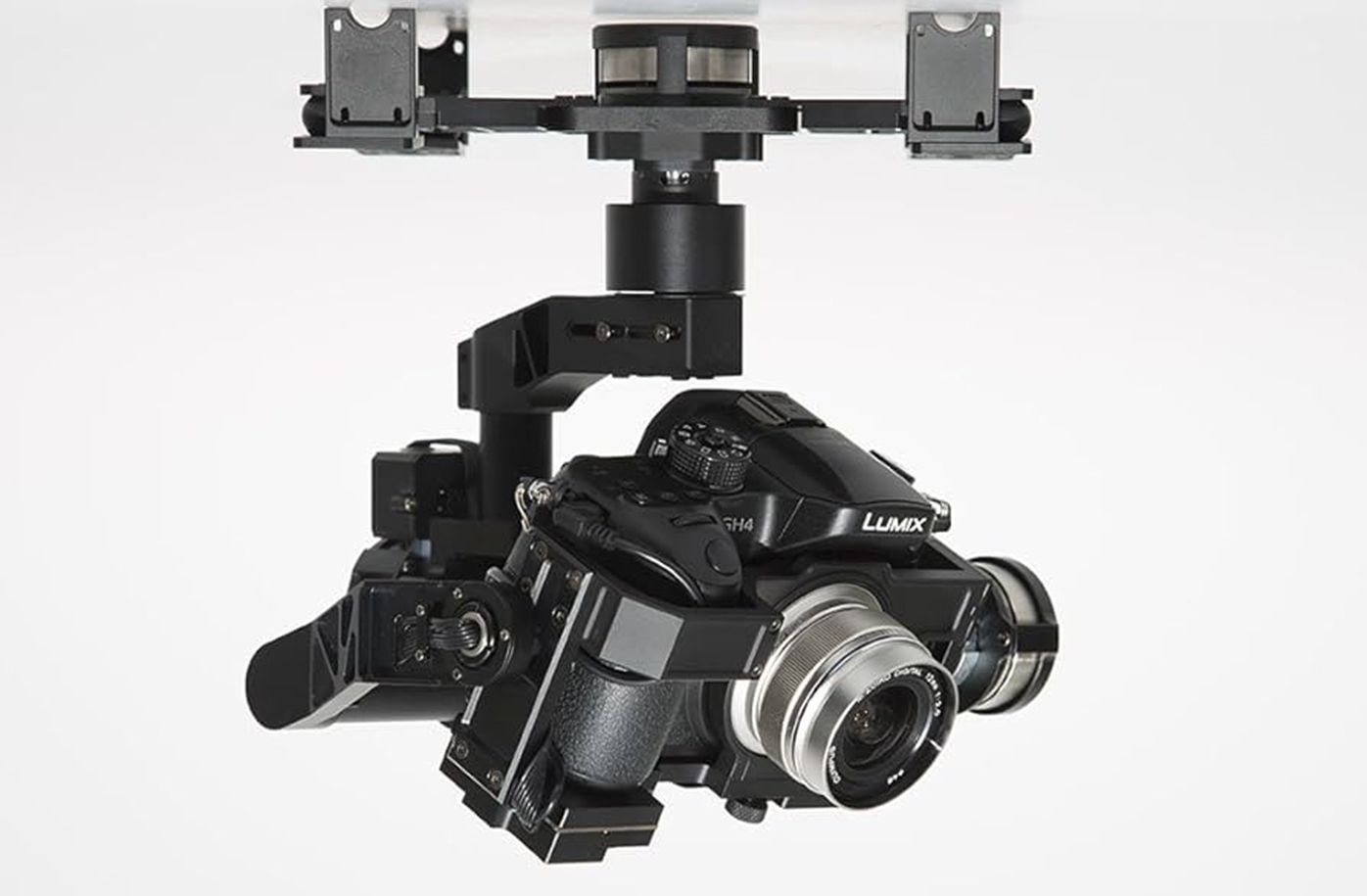
- Three-axis motorized suspension ("gimbal") that maintains camera orientation regardless of drone movement
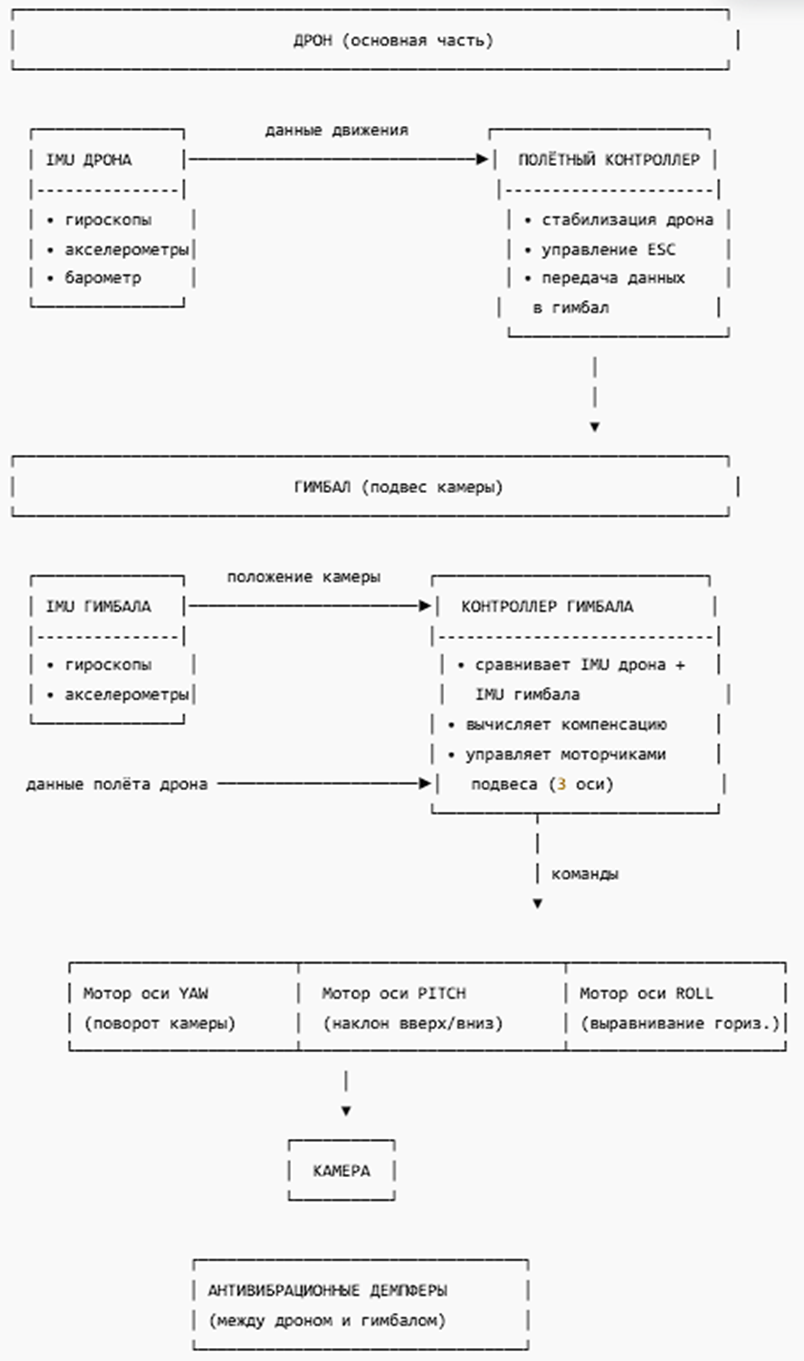
- Dual IMU systems — one in the drone body, one in the gimbal itself — exchanging real-time data
- Proprietary algorithms that synchronize both systems, compensating for vibration, wind, and acceleration
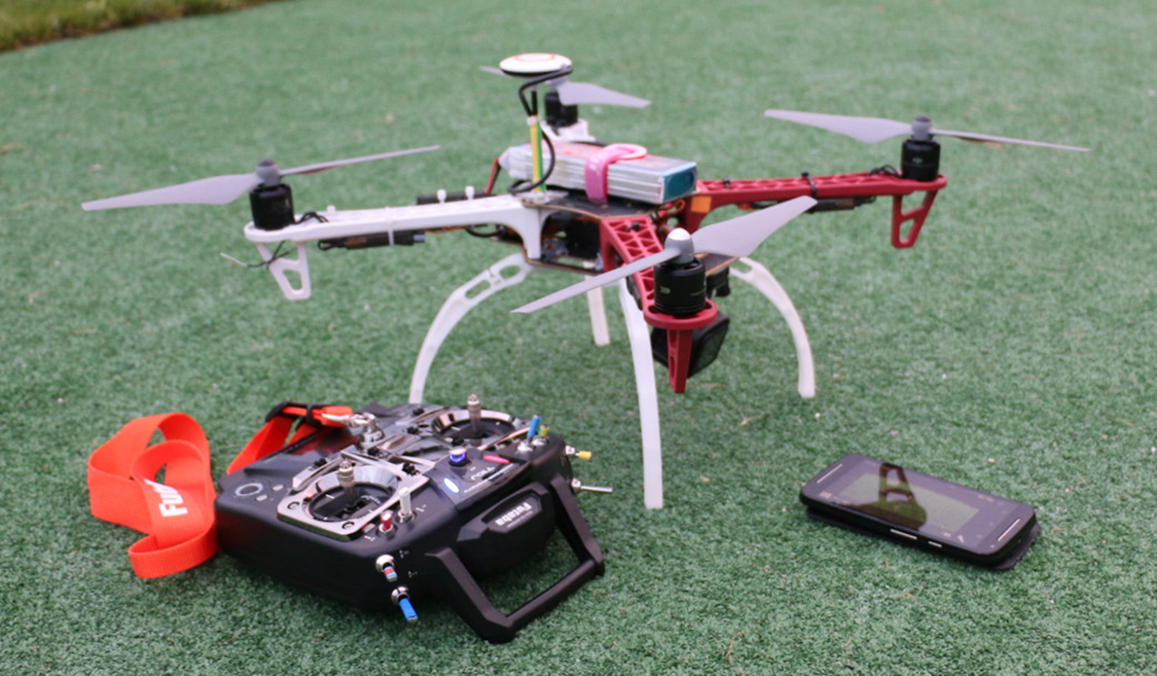
When drones transitioned from being cool flying gadgets to full-fledged filming tools, stabilization became paramount. A drone that can fly is a toy. A drone that can capture perfectly smooth 4K video while flying in wind — that's a professional tool. And DJI cracked this problem years before anyone else.
Vertical Integration: The Real Strategy
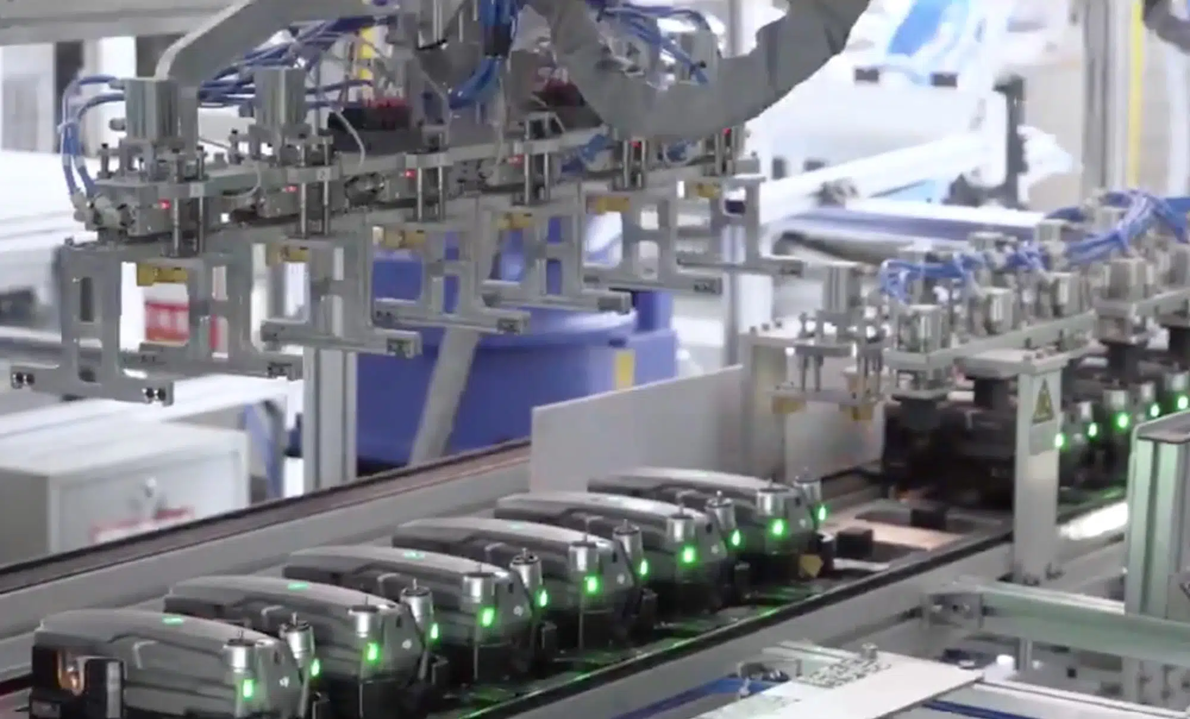
Rather than outsourcing components like most tech companies, DJI deliberately chose to manufacture flight controllers, motors, IMUs, and voltage regulators in-house. What started as a necessity — commercial components simply didn't work for their needs — evolved into a massive strategic advantage.
When you control every component, you can optimize the entire system as a whole rather than cobbling together off-the-shelf parts. Competitors who buy their IMUs from one supplier, motors from another, and flight controllers from a third can never achieve the same level of integration.
The Shenzhen Advantage
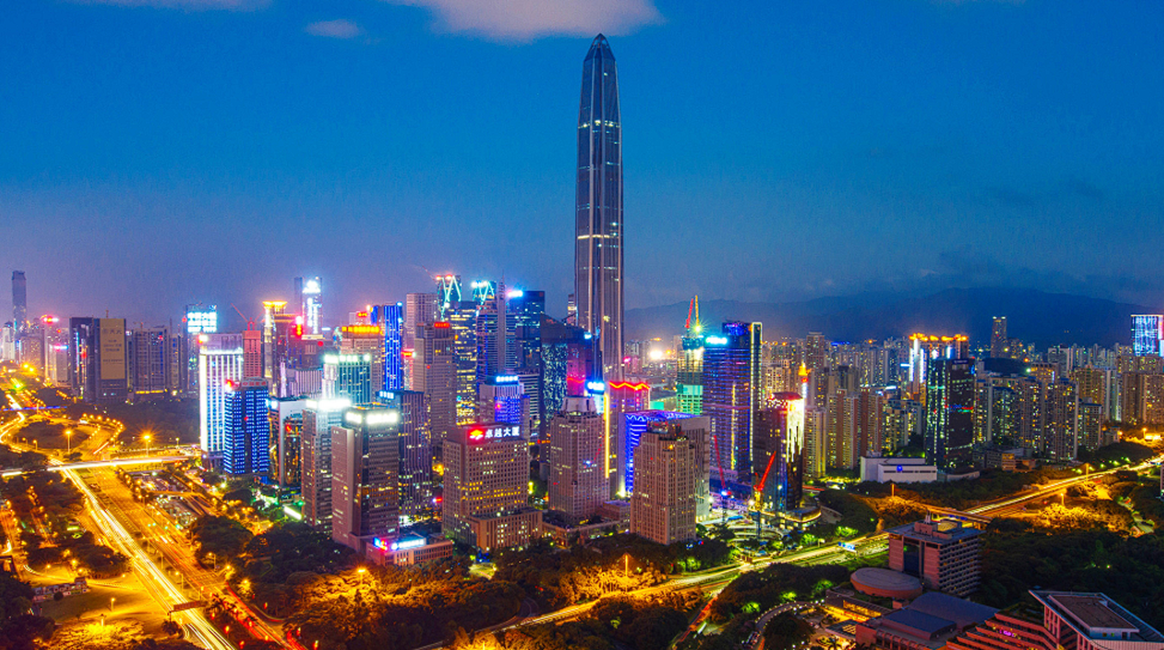
Geography played a crucial role. Operating in Shenzhen — China's technology manufacturing hub — meant that suppliers were clustered within taxi distance. Need a custom PCB prototype? There's a factory 20 minutes away. Need specialized magnets for your gimbal motors? Another factory next door. This eliminated the supply-chain delays that plagued international competitors, enabling DJI to iterate at breathtaking speed.
Beyond Drones: The Osmo Line
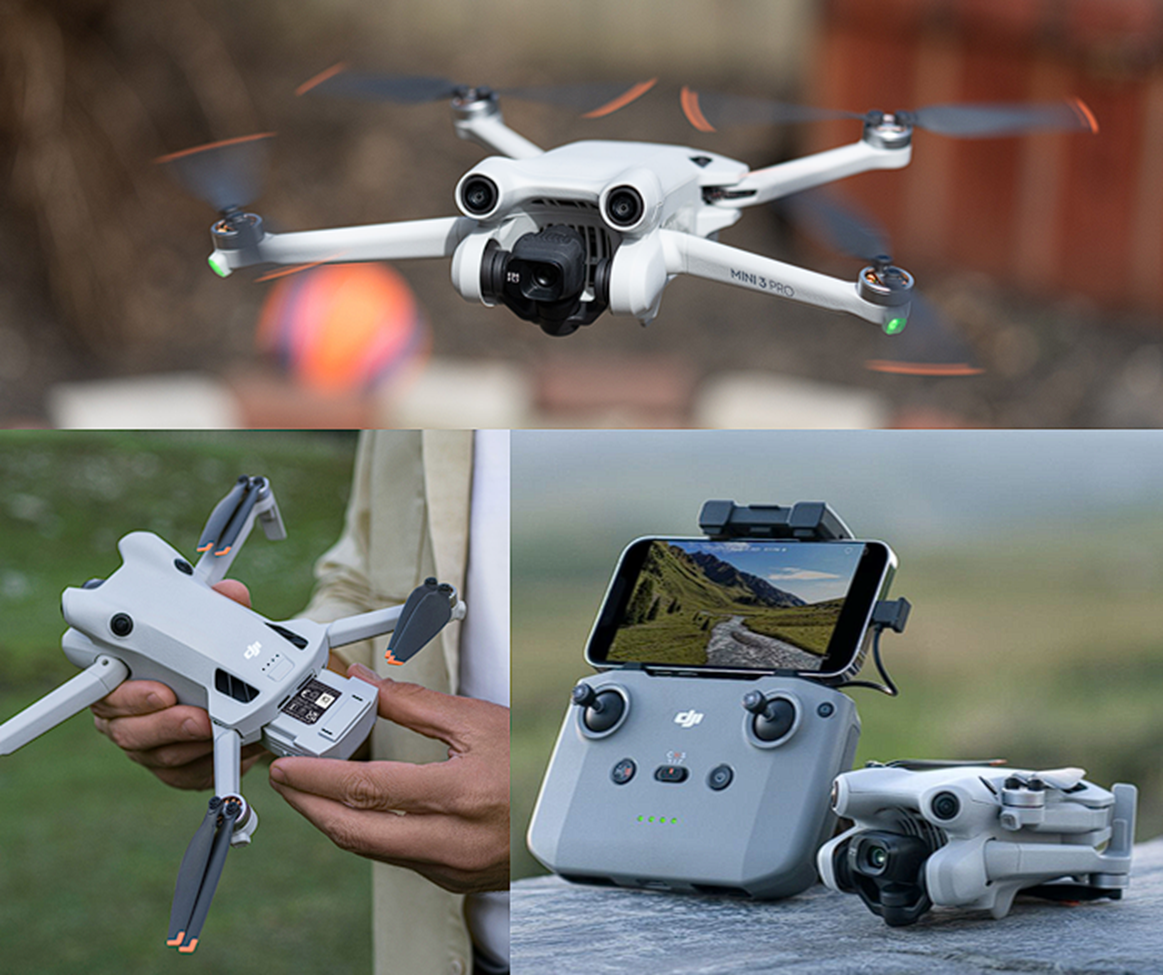
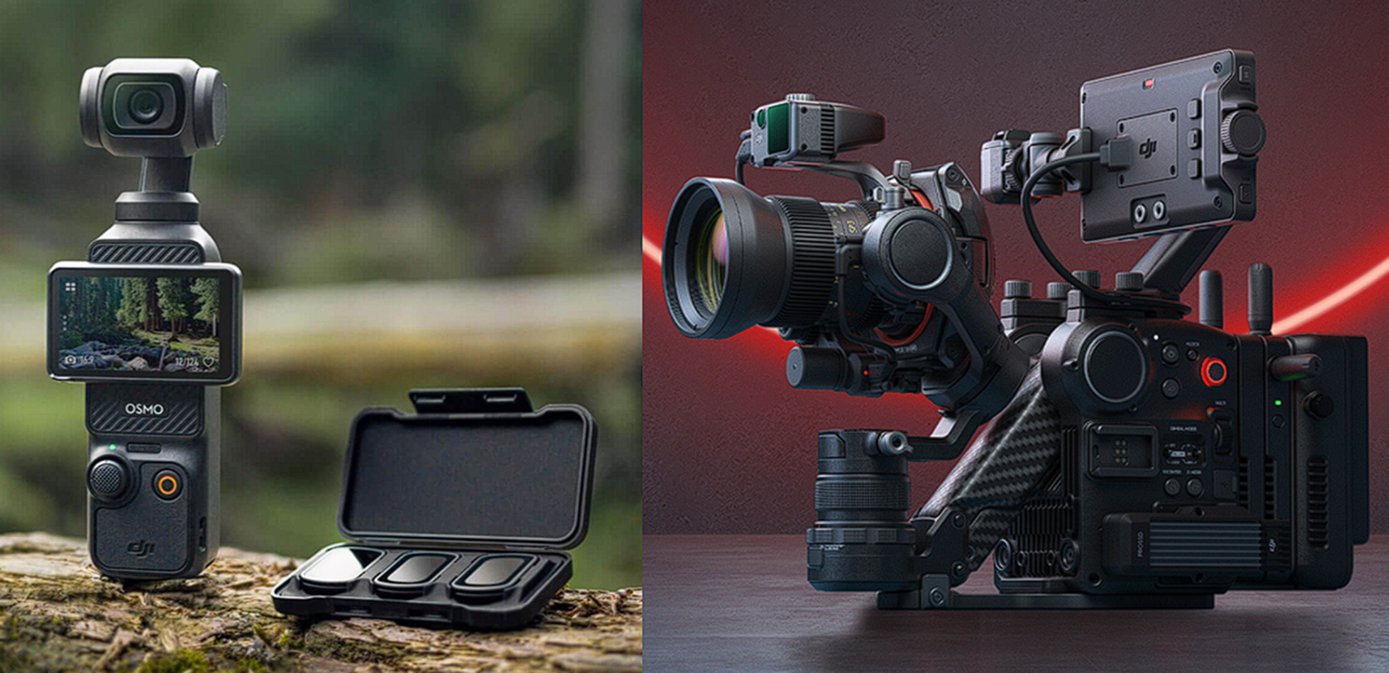
The technology DJI refined through drone gimbal systems transferred directly to the Osmo handheld stabilizer line. The same three-axis stabilization, the same IMU expertise, the same control algorithms — just repackaged for handheld use. This multiplied DJI's market impact across non-drone applications, making them a force in professional videography equipment regardless of whether a drone is involved.
Breaking the "Made in China" Stereotype
DJI is one of the very few Chinese tech companies that completely avoids the "cheap and cheerful" stereotype. Their reputation parallels Apple — not through premium pricing strategy, but through seamless hardware-software integration and proprietary technology development. When people buy a DJI product, they're not thinking about where it was made. They're thinking about what it can do.
The Numbers Tell the Story
DJI's current estimated valuation sits at $15-20 billion. They employ over 14,000 people worldwide and hold thousands of patents. But the most telling statistic is market share: despite increasing competition from companies like Autel, Skydio, and numerous Chinese startups, DJI maintains its dominant position. The reason is simple — nobody else has mastered the complete stabilization pipeline the way they have.
Conclusion
The DJI phenomenon teaches a powerful lesson about technology companies: the visible product is rarely the source of competitive advantage. Drones are what DJI sells. Stabilization systems are what makes them unstoppable. By investing years into solving the hardest problems in-house rather than taking shortcuts, Frank Wang built something that competitors simply cannot replicate overnight — no matter how much money they throw at the problem.