Treasured Encyclopedias: The Warm World of Knowledge from a Soviet Childhood
A nostalgic memoir about growing up surrounded by Soviet encyclopedias, from the Great Soviet Encyclopedia to children's dictionaries — and how perforated index cards and magazine collections formed an analog knowledge base long before the digital age.
I remember visiting my grandparents' apartment, where bookshelves stretched from floor to ceiling. My grandmother had sewn me a small canvas bag decorated with maple leaf designs — I used it to carry books, notebooks, markers, and rulers. It was my first personal knowledge base, long before computers existed.
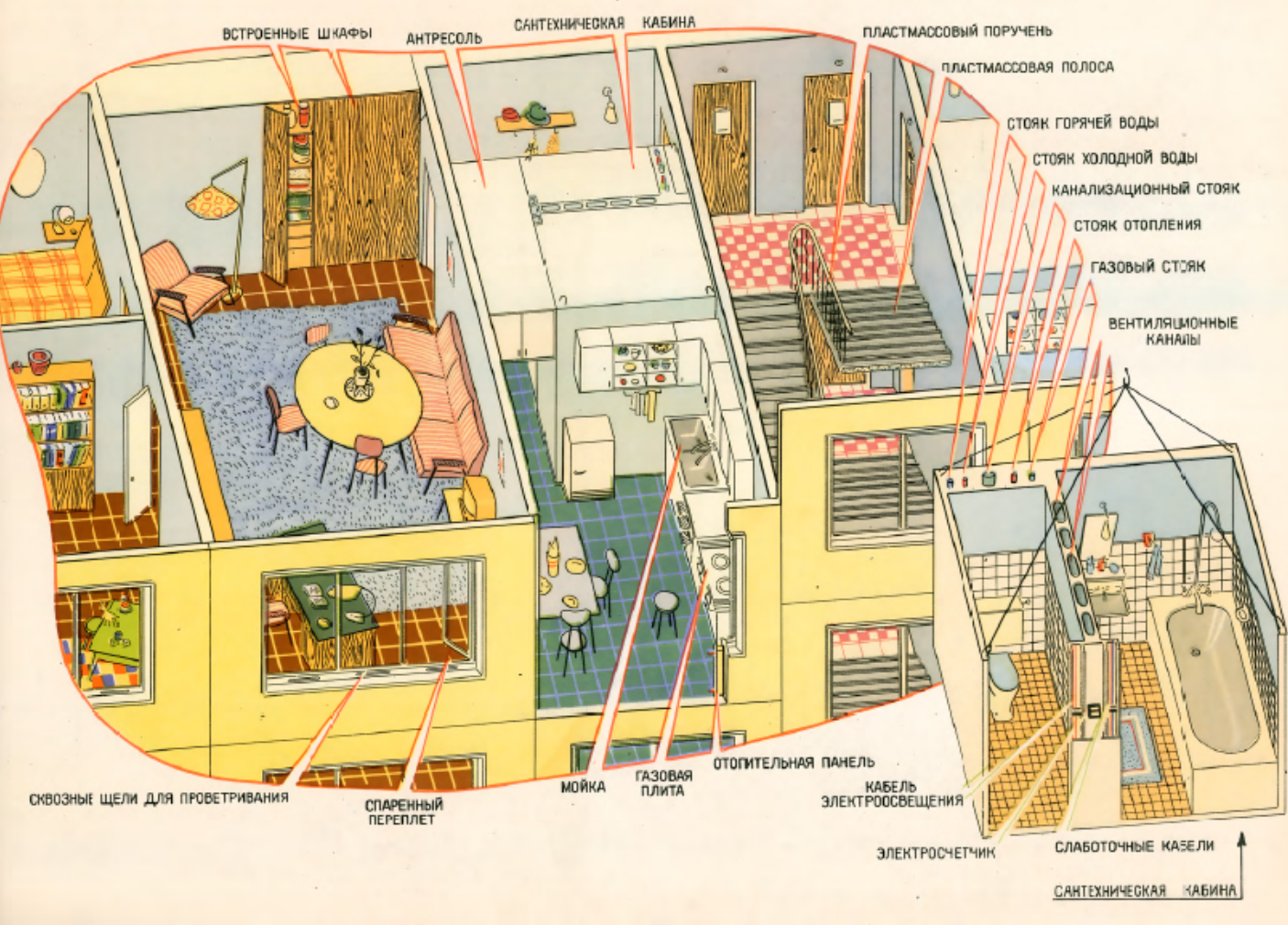
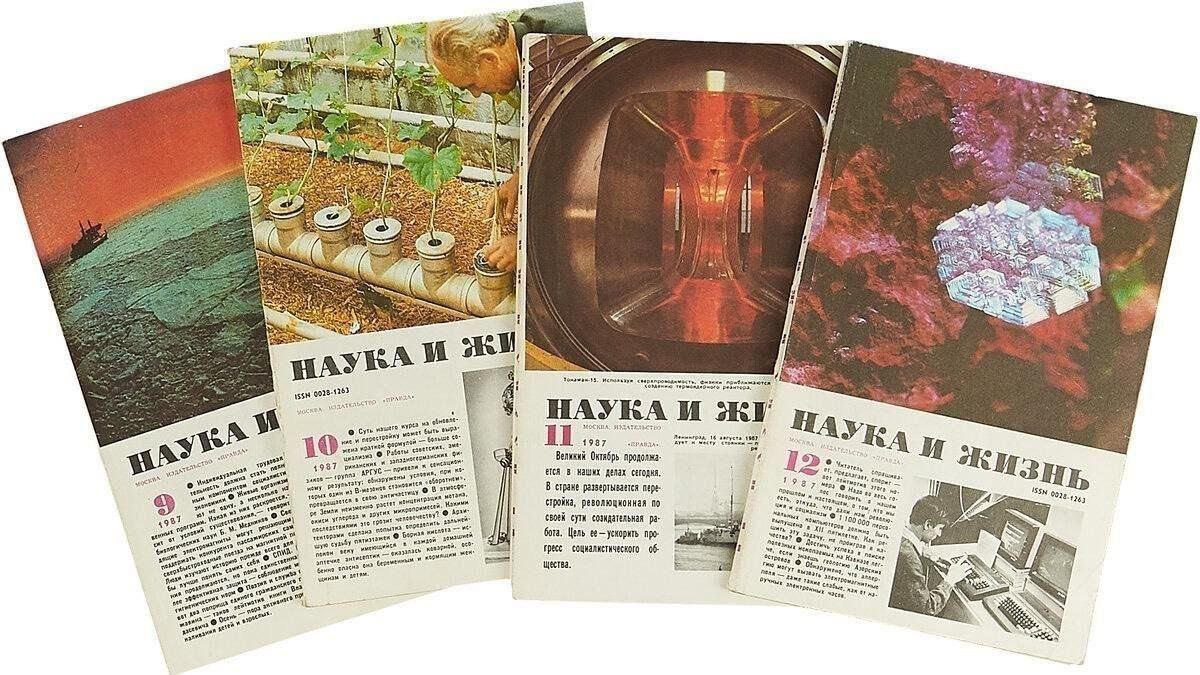
"Science and Life" — Stacks of Magazines
My grandfather, a physics teacher, maintained a vast library of physics and astronomy books. More importantly, he collected hundreds of issues of the magazine Science and Life (Nauka i Zhizn). I would extract several issues, spread out my notebooks and markers, and spend hours reading. I skipped the tedious propaganda articles about Soviet scientific achievements but read selectively, finding many surprisingly understandable pieces. Some articles fascinated me so much I would rewrite them in my own childish language.
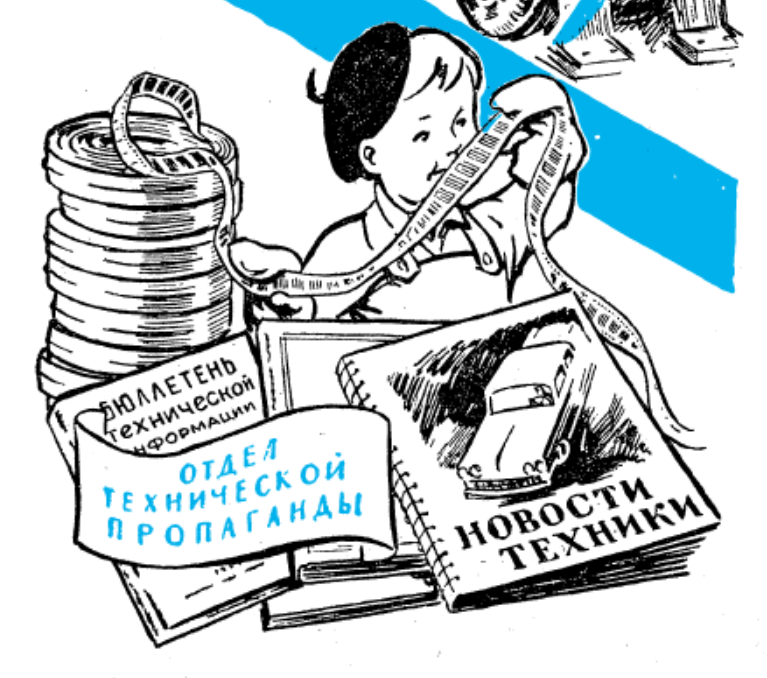
Knowledge Index Cards — A Captivating Methodology
One article particularly captivated me: it was about organizing a knowledge index system using perforated cards with colored strips. By positioning colored ribbons through holes, one could code and categorize information, enabling quick retrieval from a file box. I fantasized about creating such a system myself and didn't realize what digital tools would eventually offer.
Remarkably, I later discovered my grandfather actually owned such perforated cards with colored strips in a desk drawer — the very real-world version of the magazine's theoretical concept.
The magazine's regular sections featuring brief facts — "Kunstkamera," "Bureau of Scientific-Technical Information," "What Scientific-Popular Journals Worldwide Write About," "Small Tricks" — proved endlessly fascinating.
The Great Soviet Encyclopedia — Knowledge Requiring Careful Handling
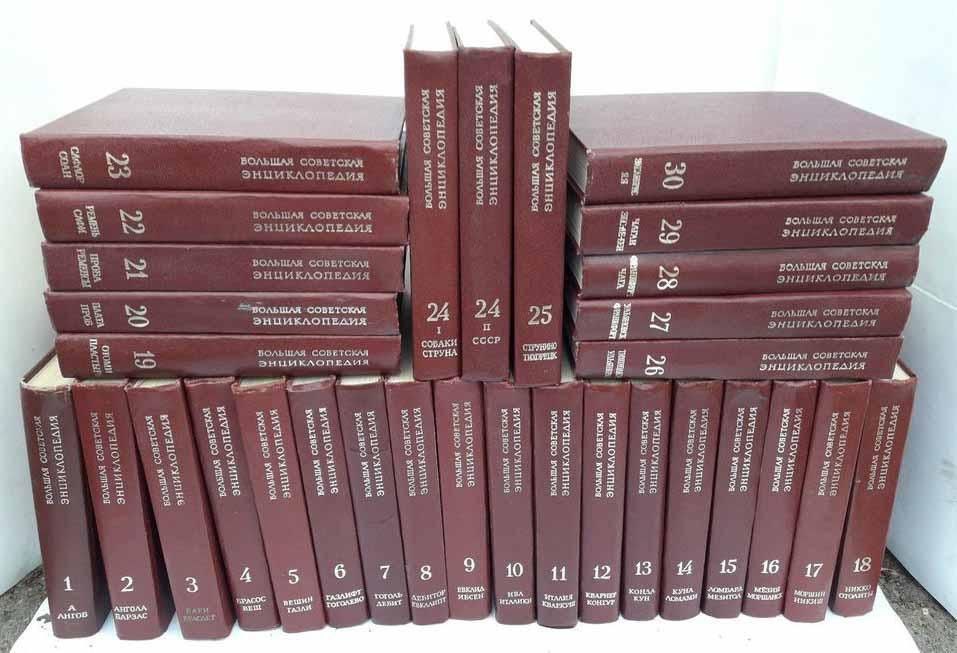
In another room stood the complete Great Soviet Encyclopedia (BSE) — dark red volumes occupying an entire shelf. I learned to handle this treasure with reverence. I would climb a chair, carefully extract a volume, settle into an armchair, and simply browse from the beginning. I discovered a love for reading dictionaries and encyclopedias — not for specific information, but purely for enjoyment.
Black-and-white illustrations captivated me, and especially the color insert pages, which often unfolded wider than the volumes themselves. These contained fascinating maps — physical, political, economic — and beautifully drawn plants and animals.
Encyclopedic Dictionaries — Bright Alternatives to Boring Textbooks
Two volumes of children's encyclopedic dictionaries proved treasured possessions: the Encyclopedic Dictionary for Young Technicians and the Encyclopedic Dictionary for Young Mathematicians. Unlike adult publications, these were designed for schoolchildren, making them much easier to understand. The technical volume particularly appealed to me, though the mathematics one contained much that was surprising and captivating. The authors managed to make even dull graphs engaging to study.
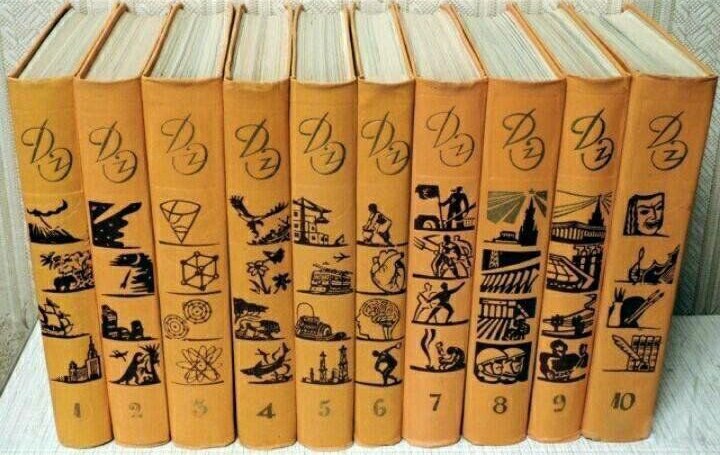
Children's Encyclopedia — A Vintage Edition from the 1960s
At home, I owned my own treasure: the Children's Encyclopedia, a set of pleasant yellow volumes inherited from my grandparents (originally purchased for my mother). Published in the late 1950s to early 1960s, it contained outdated information and political propaganda woven through the texts, yet remained infinitely rereadable.
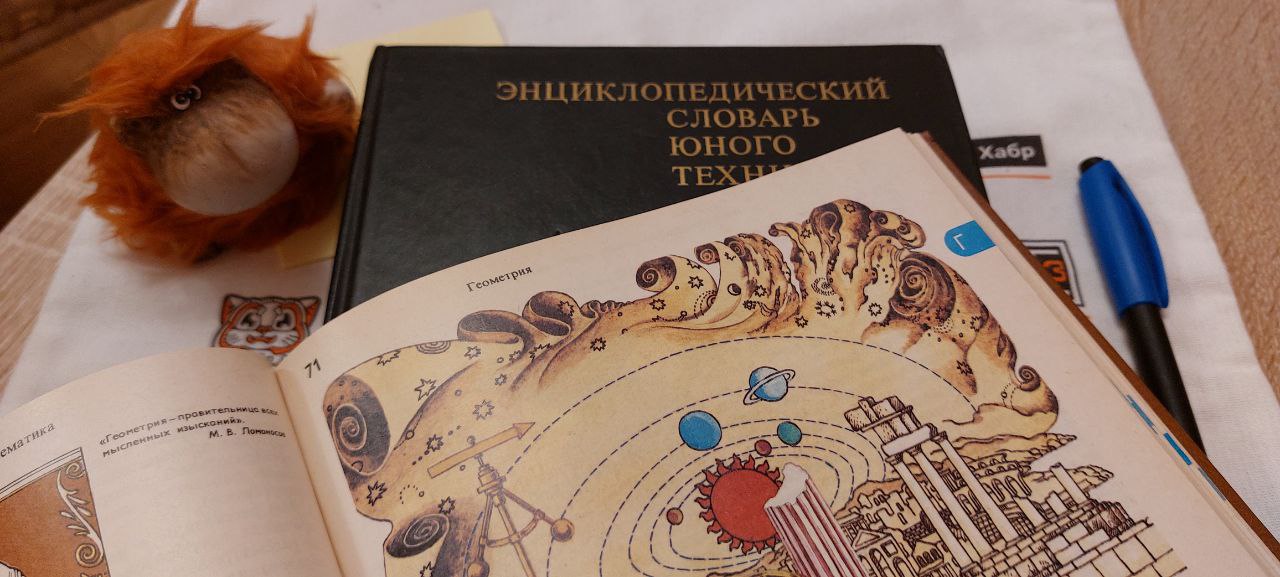
My most-worn volumes covered: "Technology," "Numbers and Figures. Matter and Energy," "From the History of Human Society," "Plants and Animals," and "Literature and Art."
The Retro Appeal
I kept this encyclopedia and the dictionaries, and later downloaded PDF scans of them. I periodically open them with great pleasure, to immerse myself in that vintage world of knowledge from childhood — remembering how I would extract the cherished volume, settle into a corner, and immerse myself in the magical, captivating world of knowledge.
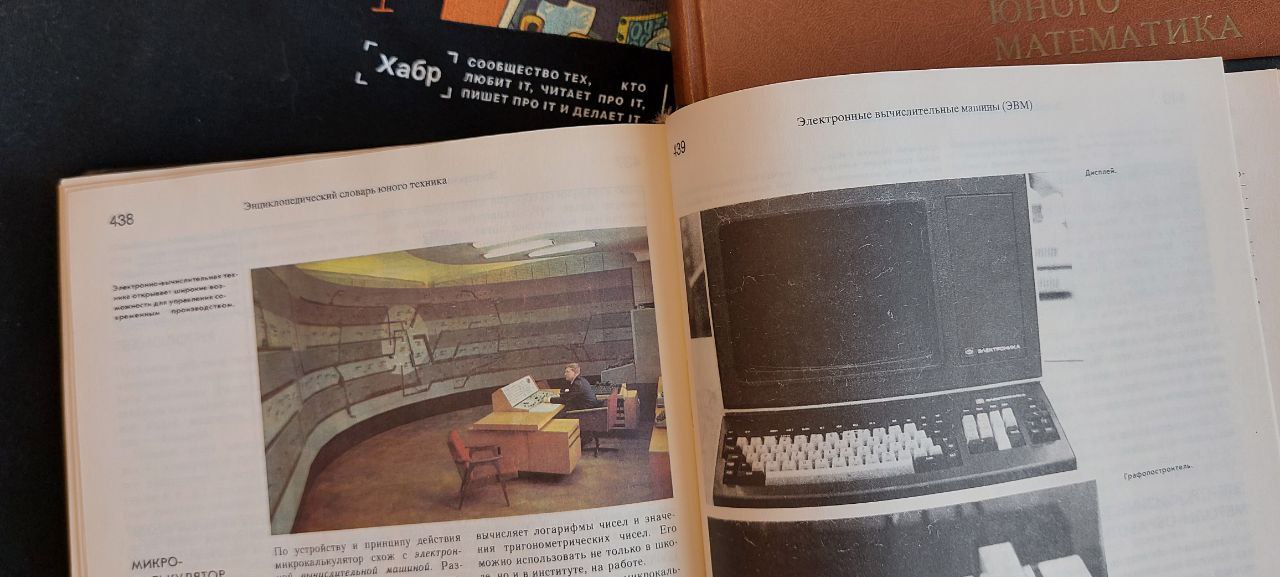
These encyclopedias were more than reference books. They were portals into a world where knowledge felt tangible, where every page turn could reveal something astonishing. In an era before search engines and Wikipedia, these heavy, beautiful volumes were our internet — slower, perhaps, but infinitely warmer. And the canvas bag with maple leaves, stuffed with notebooks full of hand-copied articles, was my first personal database. Looking back, I realize that the love of systematizing and exploring knowledge that those Soviet encyclopedias instilled never really left me. It simply migrated to new platforms.