What the Early 2000s Internet Looked Like and Why We Miss It
A nostalgic exploration of the early 2000s internet era — from dial-up constraints that fueled creativity, to tight-knit forum communities, digital treasure hunts for rare files, and the pay-per-minute access that made every byte count.
The modern internet is hard to imagine without standardized pipelines, ranking algorithms, and cloud infrastructure. It's not just mindless scrolling through social media feeds, but also complex computations for recommendation matching and real-time data processing.
However, in the early 2000s, the internet was an entirely different phenomenon. It was an ecosystem of technical limitations, experimentation, and maximum flexibility. Websites were built by hand in text editors, had unique styles, and served as playgrounds for creative experiments. Minimal resources and the absence of templates weren't drawbacks — they were drivers of creativity.
Limitations as a Source of Creativity
The technical constraints of that period made the early web special. Sites took a minute or longer to load at 56 Kbps. Owners counted every kilobyte so visitors wouldn't leave due to slow loading. Even background animations were compressed to the minimum.
This minimalism created space for creativity: custom frames, silly counters, bright inscriptions. Every site was a digital business card, far more alive than modern landing pages.
When free hosting services appeared with a 5MB limit, it felt like a gift. Schoolkids spent hours struggling with FTP to upload a single image. Need a new section? Delete an old one.
Today, people are consciously returning to these constraints. Platforms like Bear Blog and Tilde.club are emerging — no ads, no heavy scripts, just clean text and hand-coded markup.
Communities and Mutual Aid
The early 2000s internet is remembered for a special sense of closeness. On modest forums and chats, an atmosphere of support was born where everyone found like-minded people. Small digital communities resembled neighborhood courtyards — people argued, joked, helped each other, and built a collective world.
On forums and IRC channels, tight social bonds formed. Every post became part of local culture. A moderator wasn't perceived as a paid employee, but as a guardian of their own "courtyard."
With the growth of the internet, these cozy digital spaces disappeared. Giant platforms replaced communities with algorithms and passive scrolling.
The Hunt for Content
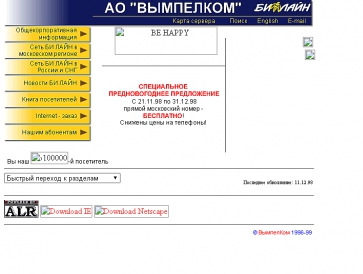
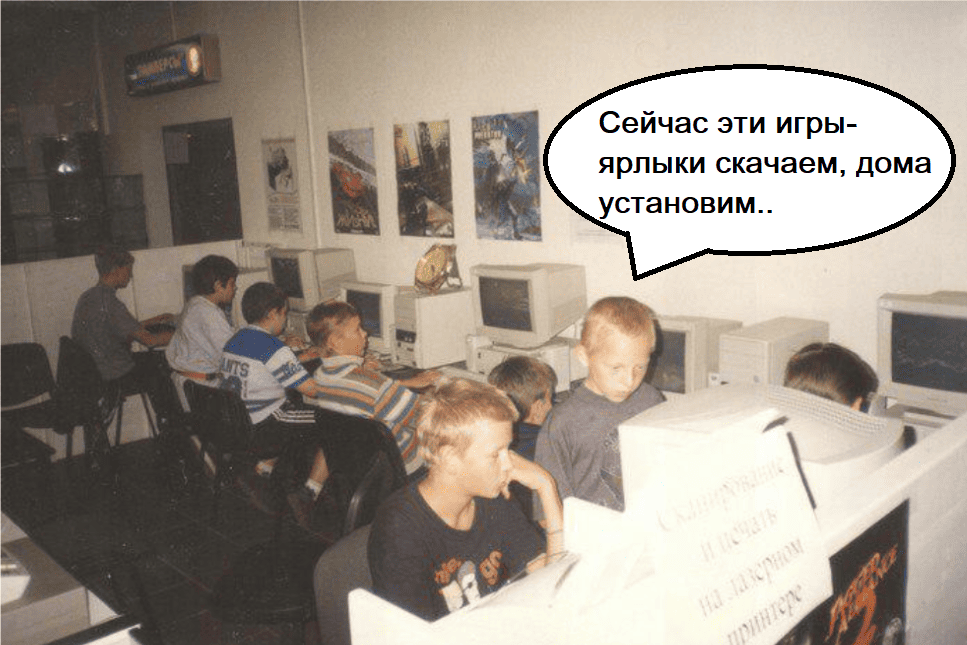
Every internet session was a search for digital treasures. A rare MP3 track, a Flash game, a fan site — everything had real value. The path to a file was full of accidents, limitations, and challenges.
The currency wasn't volume but uniqueness. A single rare file could spark discussions on a forum. Authority was built on the ability to find and share rarities.
Today, that feeling has vanished. The internet has become a space of predictable recommendations. Any treasure is instantly replicated. Content is selected by algorithms based on set patterns, not discovered by chance.

Archives like OldWeb Today, Internet Archive, and Flashpoint are emerging — they let you re-experience the emotion of encountering a wonder.
Rates and Payments

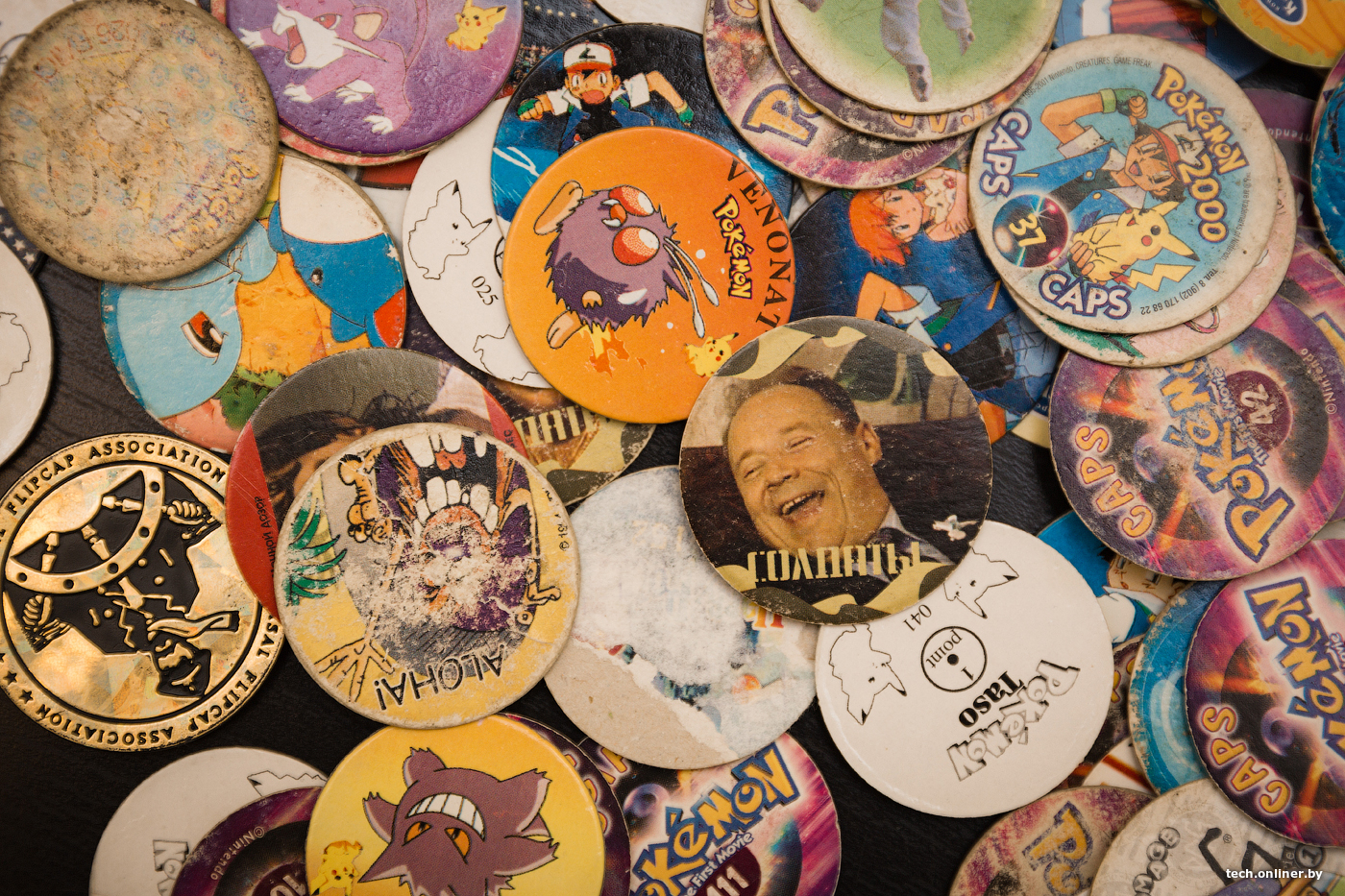
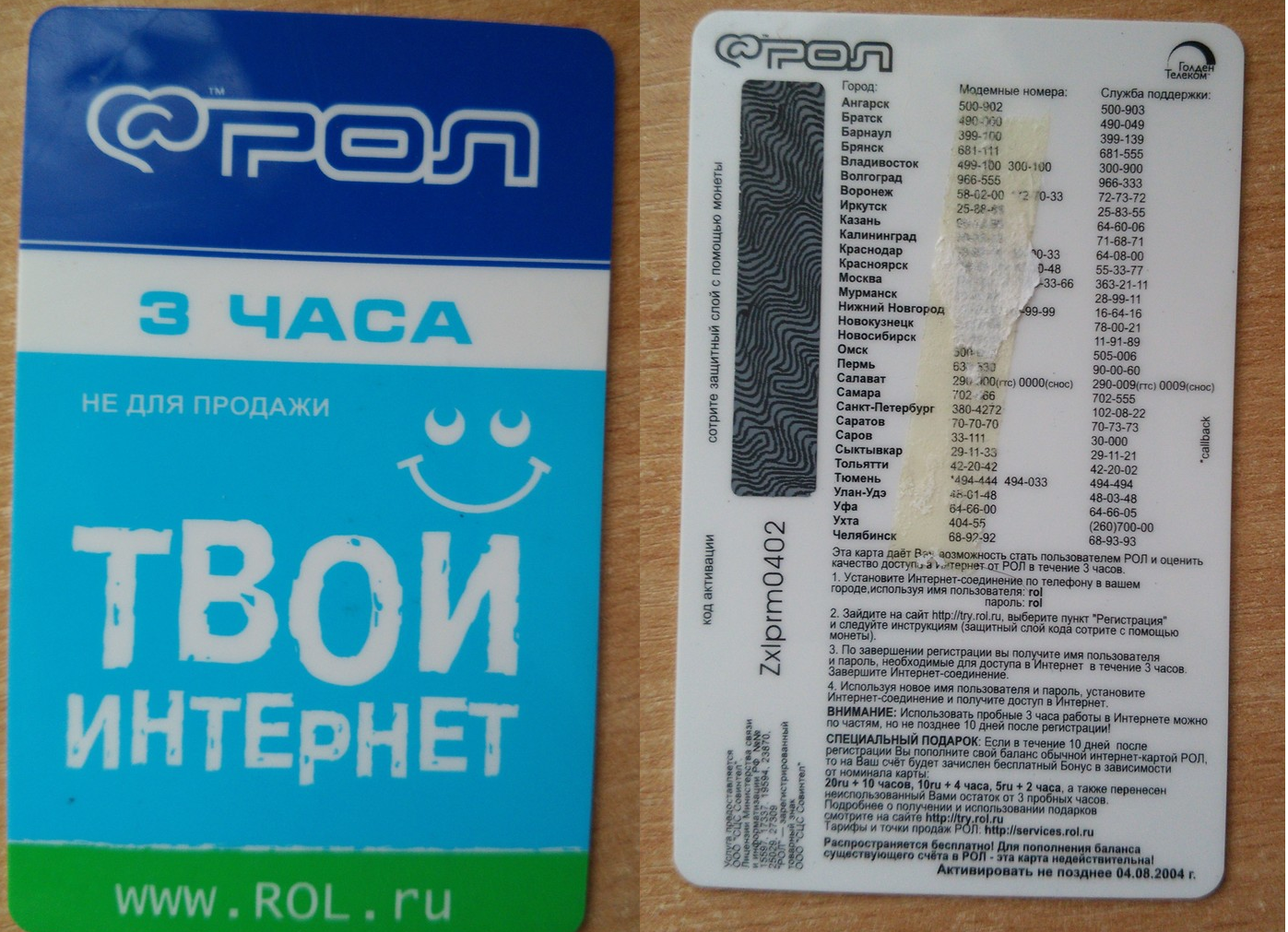
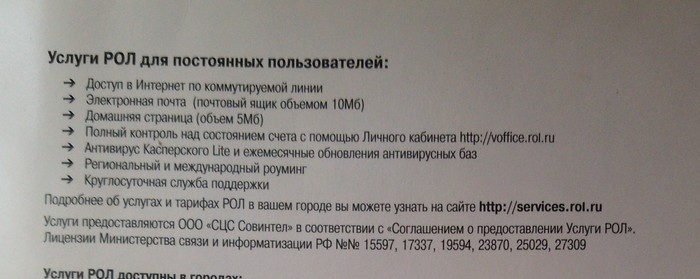
In the early 2000s, internet access came on cards: paper coupons denominated in conventional units (about 25 rubles each). You had to stretch 100 minutes across a whole month.
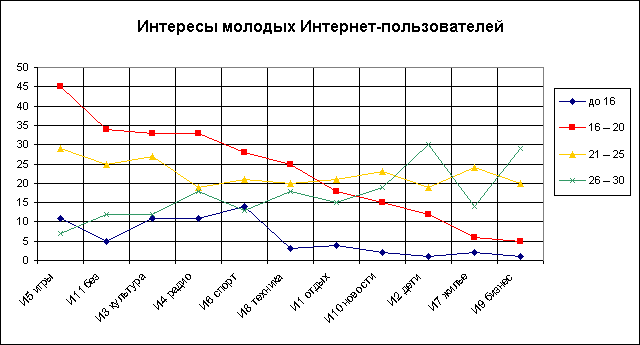
According to FOM data from 2000, only 3.6% of the Russian-speaking population used the internet regularly. For everyone else, it was a mysterious digital web.
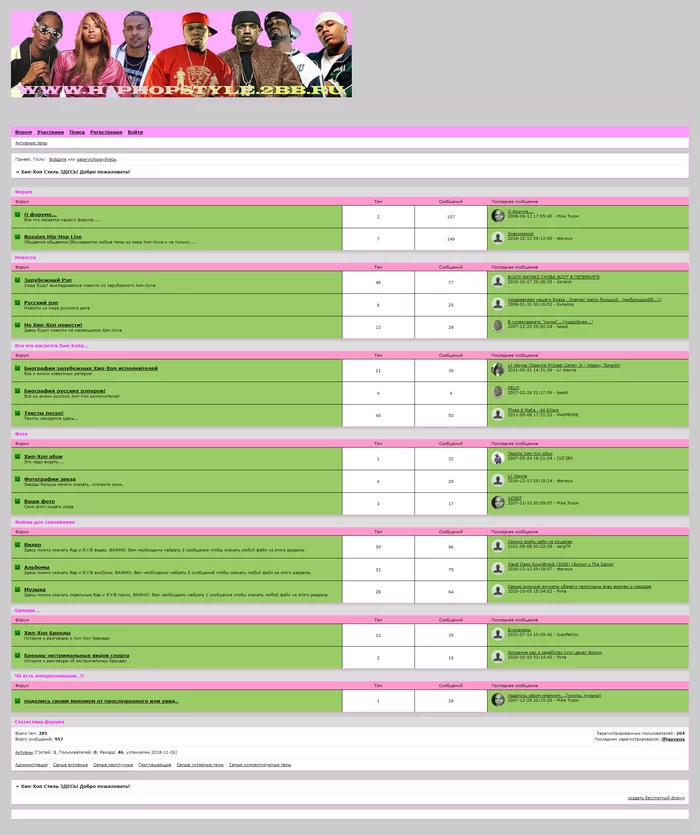
A .ru domain cost about 1,500 rubles ($50), a virtual server even more. The Russian internet consisted of thousands of sites, not millions. The internet wasn't perceived as a commercial space — it was a place for making friends and experimenting.
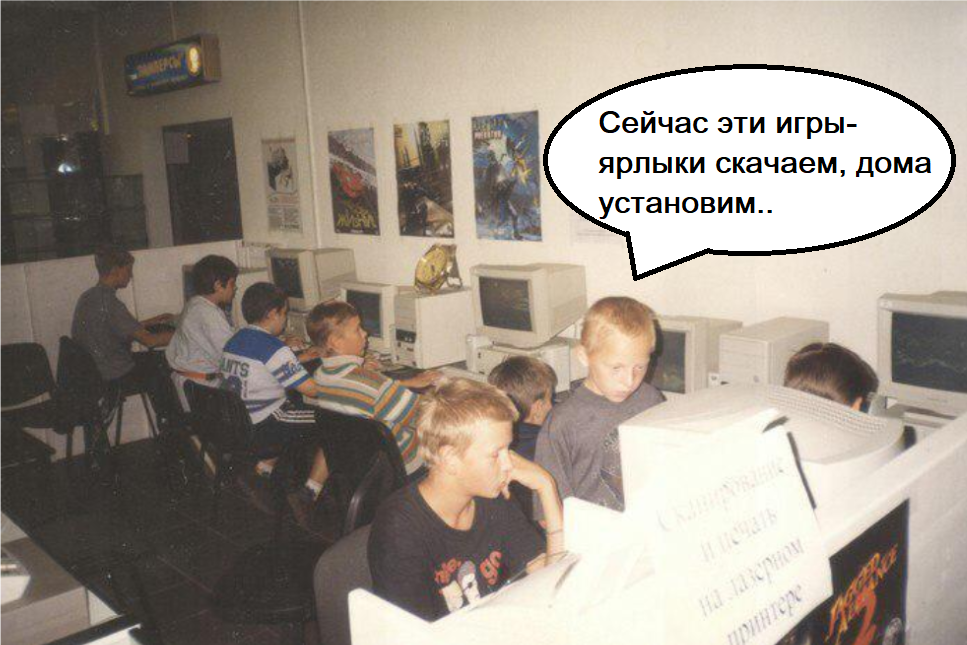
The main entry points were internet cafes and computer clubs (30-50 rubles per hour). Home internet cost $20-30 per month on an average salary of 3,000 rubles. It was a quest: buy a card, dial the number, wait for connection, don't open unnecessary sites so you don't waste all your traffic. If someone calls on the phone — the connection drops.
The Evolution of Russian Websites
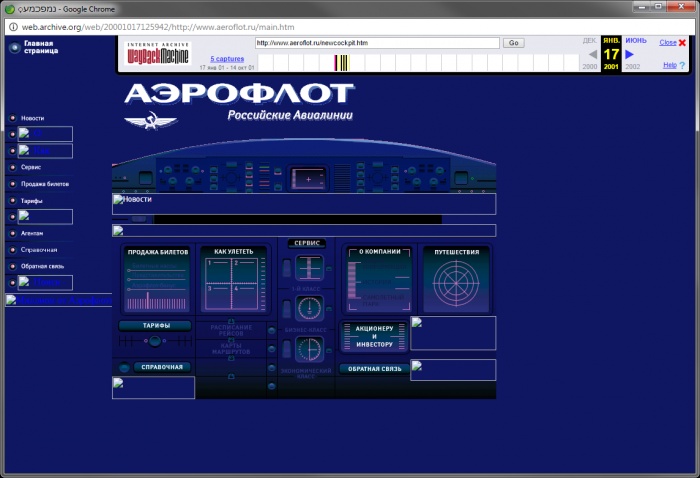
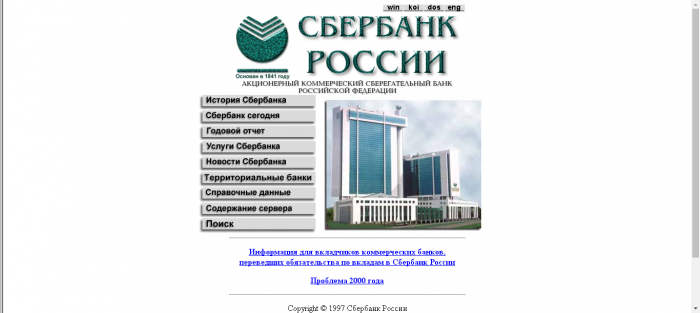
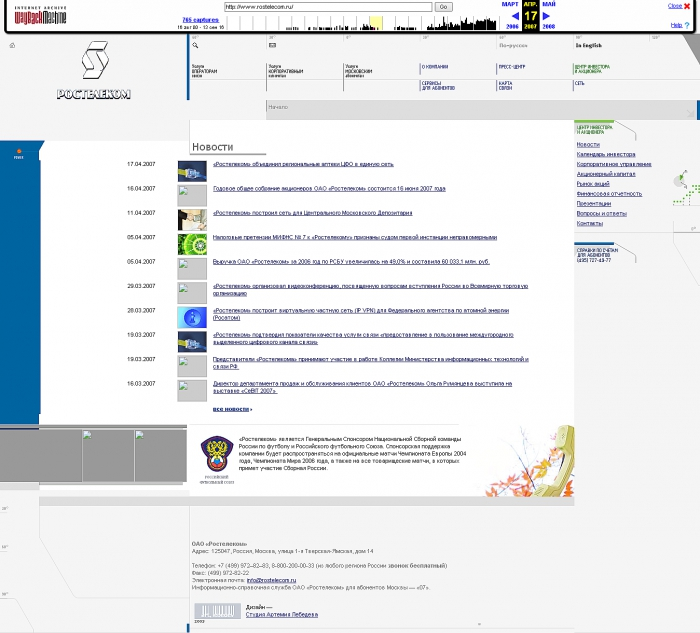
The article shows screenshots of early versions of major company websites:
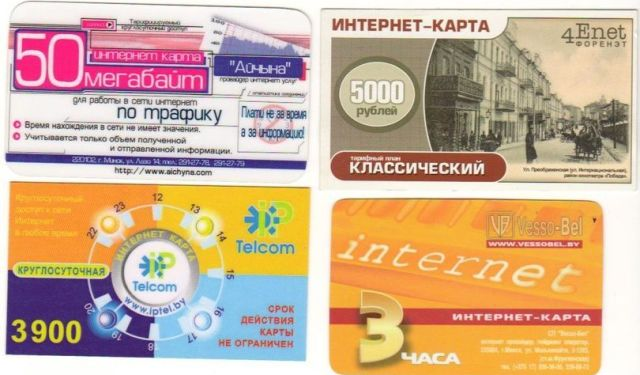
- Sberbank (1999): minimalist interface
- Rostelecom: simple design
- Beeline: website from 1998 (preserved only in users' memories)
Conclusion
From the mid-2000s, everything changed quickly. ADSL appeared, rates dropped, and by 2015 more than half the country was using the internet.
That era taught people to count every byte, find workarounds, and befriend random chat strangers. The internet was valued not as a service, but as a journey into an unknown digital world.
That experience became the foundation for modern philosophy: if something works, stop adding features. Anyone who launches a site with two files and one CSS file is on the right path — just 20 years late.