Why Airships Never Took Off. Part 5: Shadows Over Britain
The first experience of using German military airships was not very successful. If they showed themselves to be quite intelligent in sea patrols, and the admirals of the High Seas Fleet considered the reconnaissance value of the zeppelin to be equal to several cruisers, then the
Editor's Context
This article is an English adaptation with additional editorial framing for an international audience.
- Terminology and structure were localized for clarity.
- Examples were rewritten for practical readability.
- Technical claims were preserved with source attribution.
Source: the original publication
Series Navigation
- Why Airships Never Took Off. Part 1: From Montgolfier to a Borodino Bomber
- Why Airships Never Took Off. Part 2: Rise and Fall of French Airships
- Why Airships Never Took Off. Part 3: Birth of the German Zeppelins
- Why Airships Never Took Off. Part 4: The Kaiser's Airships Go to War
- Why Airships Never Took Off. Part 5: Shadows Over Britain (Current)
- Why Airships Never Took Off. Part 6: London Under the Bombs
- Why Airships Never Took Off. Part 7: Fire in the Sky
- Why Airships Never Took Off. Part 8: The End of Wartime Zeppelins
- Why Airships Never Took Off. Part 9: Ashes of War and New Opportunities
- Why Airships Never Took Off. Part 10: The Most Famous and Successful Zeppelin
- Why Airships Never Took Off. Part 11: Aircraft Carriers in the Sky
- Why Airships Never Took Off. Part 12: Italian Semi-Rigid Airships
- Why Airships Never Took Off. Part 13: Through the North Pole aboard the Norge
The first experience of using German military airships was not very successful. If they showed themselves to be quite intelligent in sea patrols, and the admirals of the High Seas Fleet considered the reconnaissance value of the zeppelin to be equal to several cruisers, then the bombing attacks of the early vehicles were ineffective at best, and at worst ended in the death of the vehicle. However, more and more advanced military airships were being produced, and the leadership of the Kaiser’s Reich was looking towards Britain with growing interest: isn’t it time to rain down a couple of tons of Zeppelin bombs on London and other cities? As usual, not everything went according to plan.
Table of contents:
Part 1: from hot air balloon to bomber for Borodino
Part 2: the birth and death of French airship construction
Part 3: the birth of the German Zeppelins
Part 4: The Kaiser's skyships go to war
Part 5: Shadows over Britain ← you are here
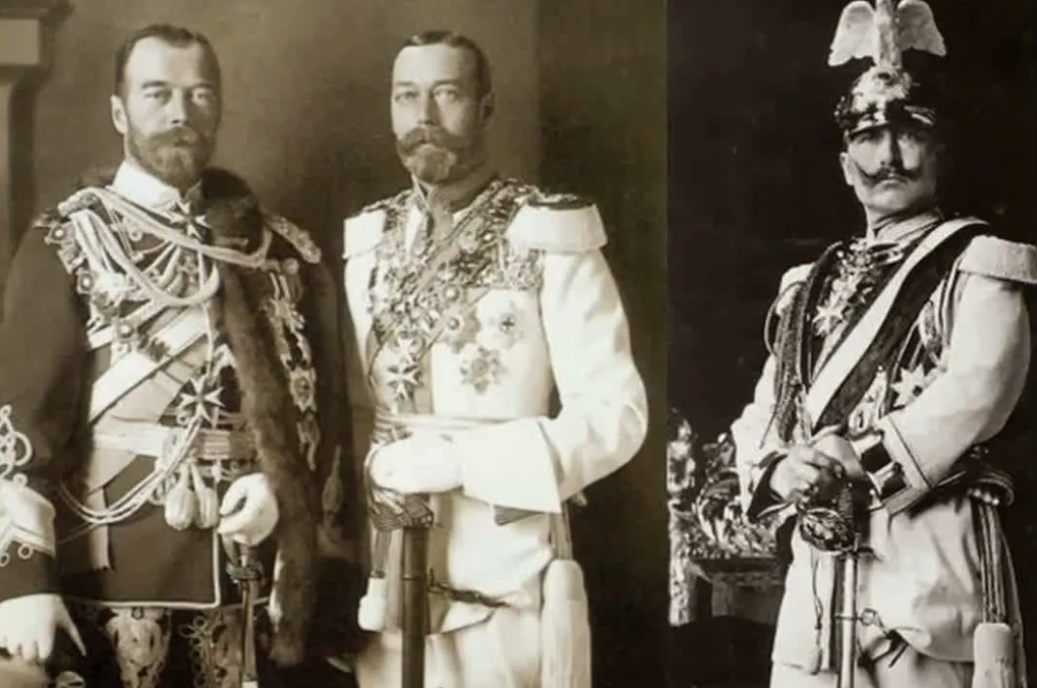
The first official proposals to bomb London and Britain as a whole were made at the very beginning of the First World War, in August 1914. They were made at the highest level: they were nominated by the Deputy Chief of the Naval Staff of the German Empire, Paul Behnke, and officially supported by Grand Admiral Alfred von Tirpitz in an address to the Kaiser. As with the Blitz, which involved the massive bombing of London from September 1940, the plan was not only to cause material damage, but also to "undermine the British will to continue the war." However, then, in August 1914, Wilhelm II directly prohibited the bombing of Britain. Not out of humanitarianism, but out of family feelings: he feared that one of his relatives among the members of the British royal family might suffer from the bombs.
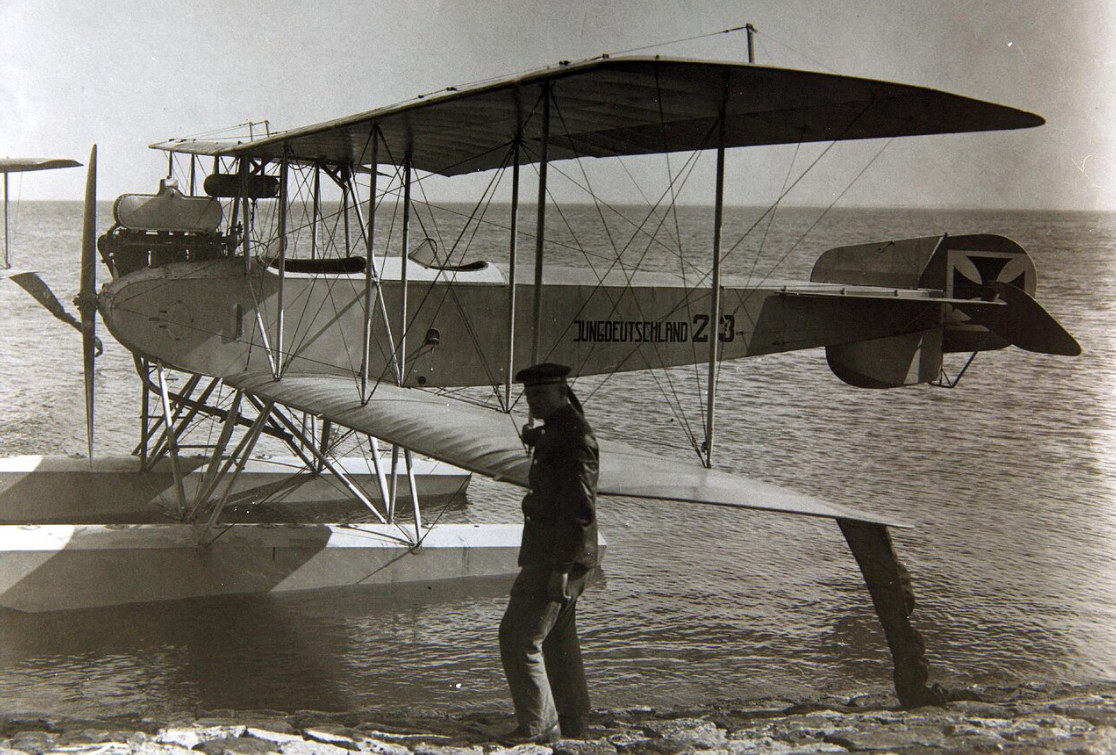
However, as the war dragged on and its severity increased, restrictions began to be lifted. The first bombing of Britain was carried out not by zeppelins, but by the newest naval hydroplane Friedrichshafen FF.29, specially designed for naval reconnaissance and having a long flight range for its time. Some sources report that an FF.29 based in occupied Belgian Zeebrugge under the control of Lieutenant Stefan von Pradzinski flew over the Pas de Calais on the afternoon of December 21. He dropped a couple of 2-kilogram bombs near Dover Castle on a bed of Belgian cabbage. Residents escaped with slight fright, spoiled cabbage and several broken windows.
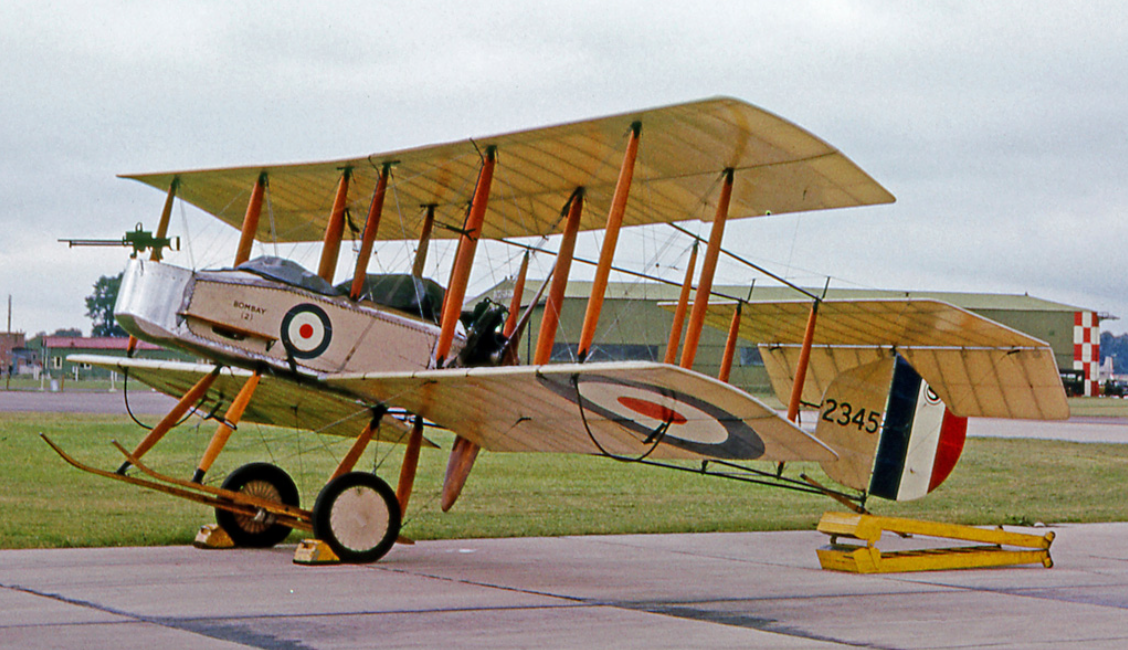
An attack by the same plane on the afternoon of December 25 was more confirmed - probably in revenge for the morning raid of British seaplanes on a Zeppelin base near Cuxhaven. He flew to the mouth of the Thames and dropped a couple of 5-kilogram bombs on Sheerness, where the Royal Navy ships had been put into reserve, without hitting anywhere. The way back was full of “adventures”: first, the German plane was fired upon from cannons. Then he was intercepted by a British Vickers F.B.5 biplane, which had a then rare nose machine gun due to the installation of a rear pusher propeller. However, the British’s machine gun first jammed, then the engine failed, and the radio operator only managed to fire a few times unsuccessfully from the rifle he had stockpiled for such an eventuality. But the misadventures of the German crew did not end there: on the way back, their engine stalled several times, they had to splash down and carry out repairs and restarts in the “fascinating” conditions of the North Sea. In the end, on the way to the base, they ran out of fuel, and had to wait for help off the Belgian coast - fortunately for the crew, who were under the control of their fellow tribesmen.
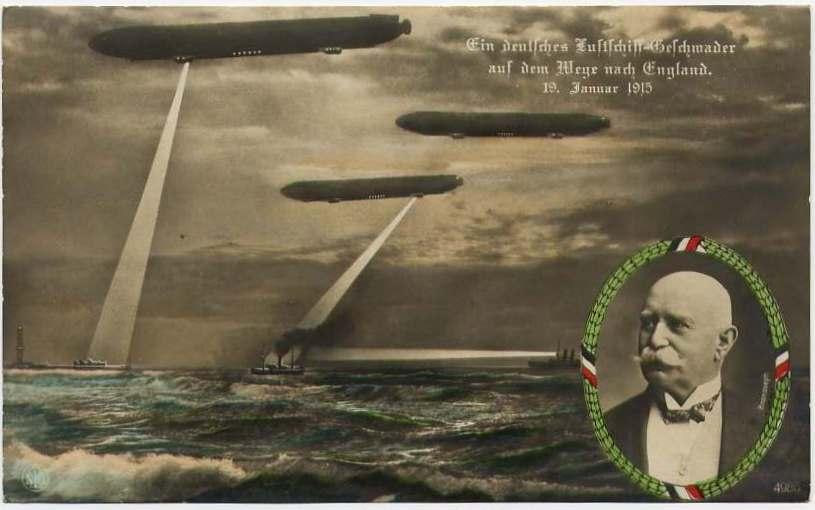
On January 7, 1915, the bombing of Britain using zeppelins—by that time capable of carrying not just a few kilograms, like the planes of their time, but more than a ton of bombs each—was authorized by Kaiser Wilhelm II. Only London and its suburbs remained under the ban. The first flight of a detachment of naval airships was scheduled for January 13, but was canceled due to too bad weather. On the afternoon of January 19, the weather turned out to be better, and L-3, L-4 and L-6 headed west from the Nordholz base with the expectation of reaching their targets after dark (L-5, whose crew had already established itself as the best in detecting mines, remained on patrol). Each of the airships that went out on the raid carried on board 8 50-kilogram high-explosive bombs and 12 28-kilogram incendiary bombs.
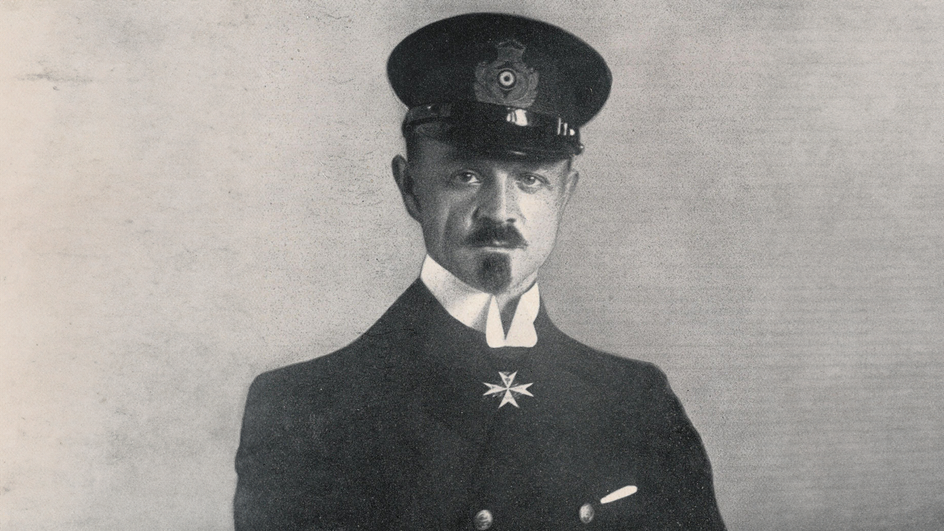
Along the way, the L-6 of the commander of the operation, Captain Zur See Peter Strasser, an experienced aeronaut and commander of the naval zeppelin corps, suffered dangerous frostbite and turned back. L-3 under the command of Lieutenant Commander Hans Fritz and L-4 Lieutenant Commander Count Magnus von Platen-Hallermund reached the British coast in the evening, but due to strong north winds they were unable to reach the designated industrial sites at the mouth of the Humber River. Instead, they passed over the coast of Norfolk north of London and dropped the one and a half thousand tons of bombs on board: L-3 on Great Yarmouth and nearby towns, L-4 on Sheringham, King's Lynn and neighboring settlements. After which we returned to base without any problems.
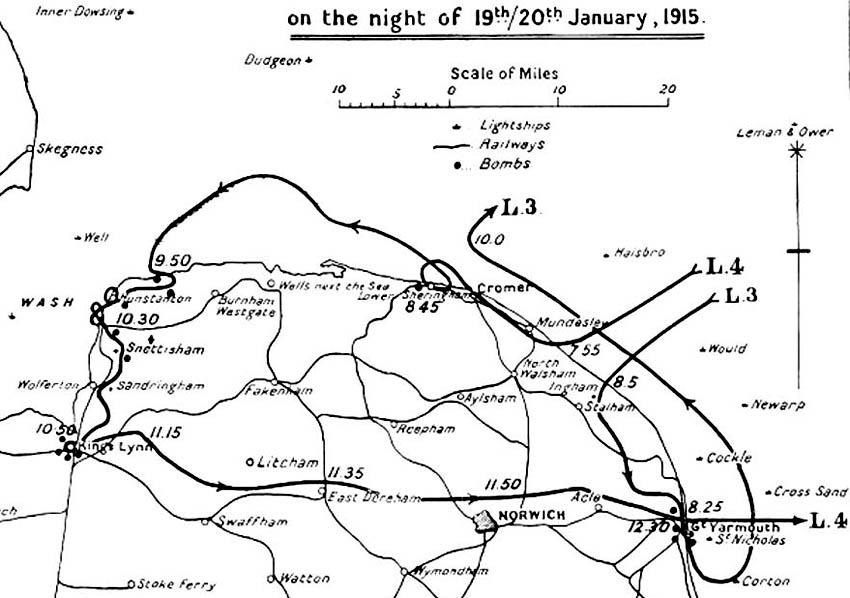
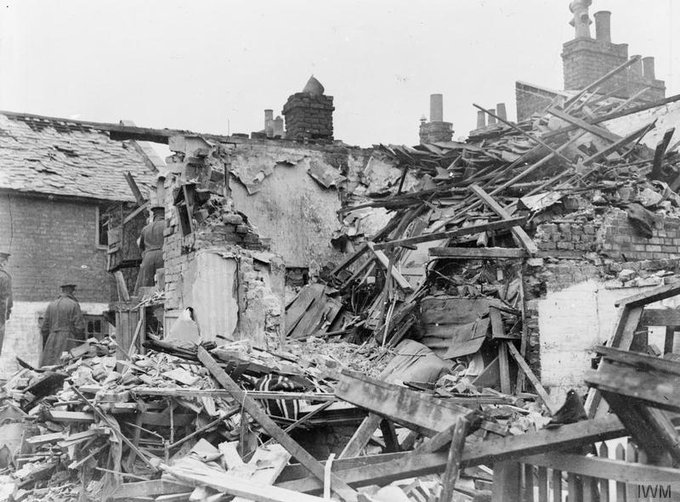
4 people were killed, 16 were injured, many buildings were destroyed and damaged, including one church. Material damage was estimated at almost 8 thousand pounds sterling (more than 1.1 million US dollars in 2025 prices). British society was shocked: pre-war fears began to be confirmed. To make matters worse, military planes took off to intercept, but could not even find the German airships in the air. It almost came to the point of a witch hunt, or rather, a witch hunt for so far rare motorists: there was a rumor that German spies were aiming zeppelins at targets in the darkness of a winter evening using car headlight signals. However, the January wave of panic turned out to be premature: after the first “success” - not a single military or industrial target was hit, only civilians - German military balloonists again faced a series of failures.
The raid on Norfolk, as well as the wave of fear and indignation in the British press, greatly delighted the German command, especially the Zur See captain Peter Strasser, who did not reach the target in the L-6: until his very end, he would become one of the main fans of the massive bombing of British cities. At the same time, the Germans did not publicly acknowledge the bombing of civilians; they declared the news about this to be British propaganda, and to this day some German-language resources claim that L-3 and L-4 successfully bombed their designated targets at the mouth of the Humber. The command decided to launch a full-fledged campaign of air strikes against England, but it did not go quite as planned. While the results of the raid were being sorted out, the weather managed to deteriorate again. From the end of January until the very beginning of March, flights were hampered by completely unsuitable weather over the North Sea.
However, even before the storms began again, the Zeppelin L-5 managed to unwittingly play a rather dark role in the fate of the sailors of the German fleet. On the evening of January 23, three German battlecruisers and a squadron of reconnaissance cruiser forces of the German fleet, under the overall command of Vice Admiral Franz Hipper, went on a raid to the British shores to sink English patrol ships and fishermen who had gone to sea, and also to fire at coastal cities with their main fire. The Germans did not know that by this time the British Admiralty codebreakers had just broken their naval codes, and were aware of the operation in advance. On the morning of January 24, German ships were intercepted by a powerful squadron of battle cruisers near Dogger Banks under British Vice Admiral David Beatty.
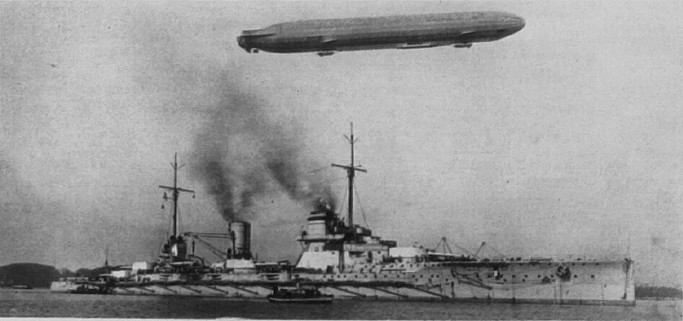
In the ensuing battle, two battlecruisers of both sides received heavy damage, but the German armored cruiser Blucher suffered the most. He lost speed, fell behind his retreating colleagues and found himself under fire from almost the entire British squadron. After desperate resistance and several torpedo hits, the mangled, burning cruiser capsized and sank three minutes later. According to tradition, British destroyers and light cruisers began to rescue the surviving German sailors from the water, and managed to catch about 250 people out of a thousand-strong crew.
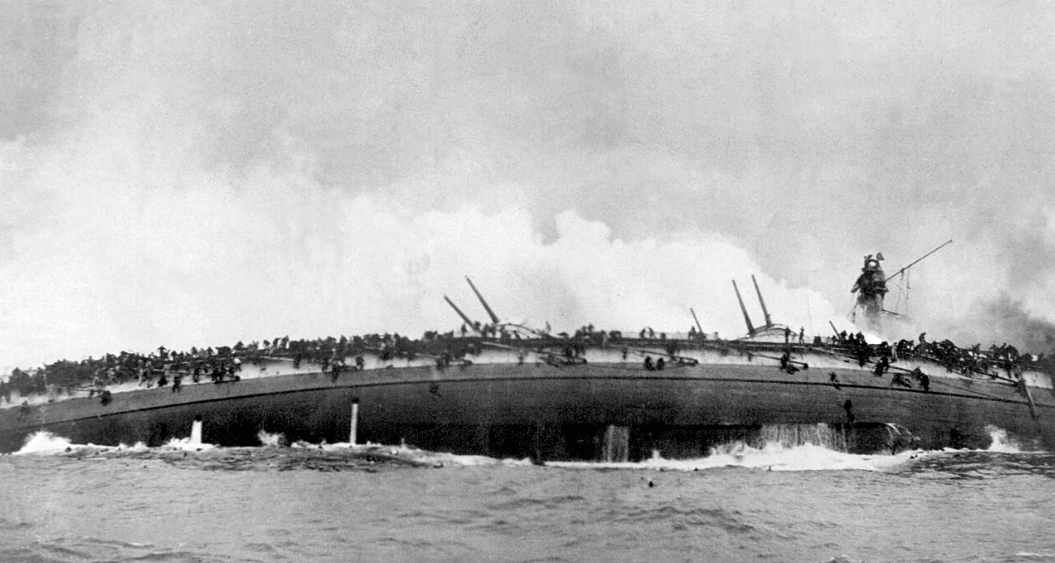
However, it was at that moment that L-5 appeared over the site of the ship's destruction. Its commander noticed the Blucher still afloat, mistook it for a sinking British battle cruiser, and couldn’t think of anything better than to start bombing the ships that had stopped to save people. They had to urgently pick up speed and maneuver, the British battle cruisers drove off the zeppelin with shrapnel shells, but by the time the destroyers and light cruisers returned, there was no one to save: in the winter icy water of the North Sea, a person dies from hypothermia after just a few minutes. No one knows how many sailors from the Blucher survived the battle and managed to get out of the compartments before the ship was sunk, but the number of German victims of the inhumane decision of the L-5 commander could number in the hundreds. But he never hit the British.
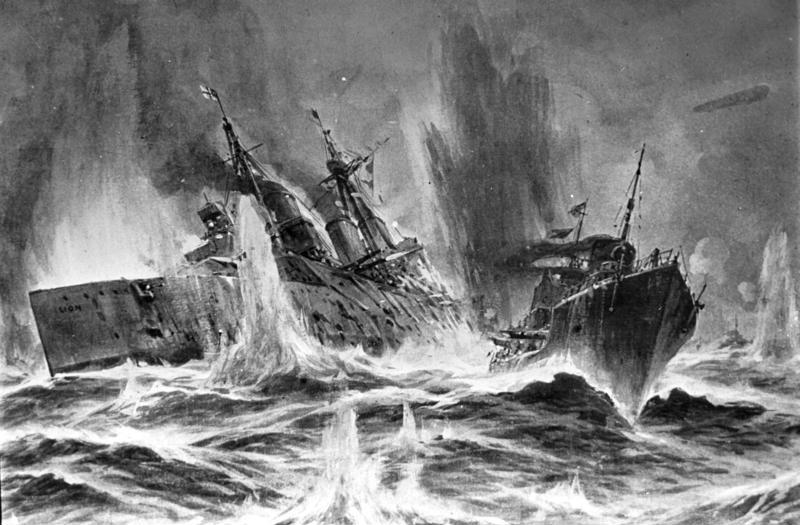
The February storms did not pass without leaving a mark on the naval zeppelins. On February 17, L-3 and L-4, the first to bomb England, took advantage of a window of relatively tolerable weather and headed for the Norwegian shores. Their task was to reconnoiter the situation and cover from the air the Rubens transport coming from the Baltic, which was supposed to break through the Atlantic and Indian Ocean and deliver supplies to the partisan detachment of Paul Emil von Lettow-Vorbeck in East Africa. But the North Sea is no less treacherous than the solution in one meme video. On the way back, the couple got caught in an unexpected snowstorm off the Danish coast and lost each other. On the L-3, one after another, the engines failed, and the crew only managed to reach the island of Fano off the coast of neutral Denmark, so as not to die with a guarantee in the winter stormy sea. Commander Hans Fritz ordered documents and equipment destroyed, and hydrogen cylinders set on fire to prevent German technology from falling into the wrong hands - after which the crew were interned by the Danes until the end of the war.
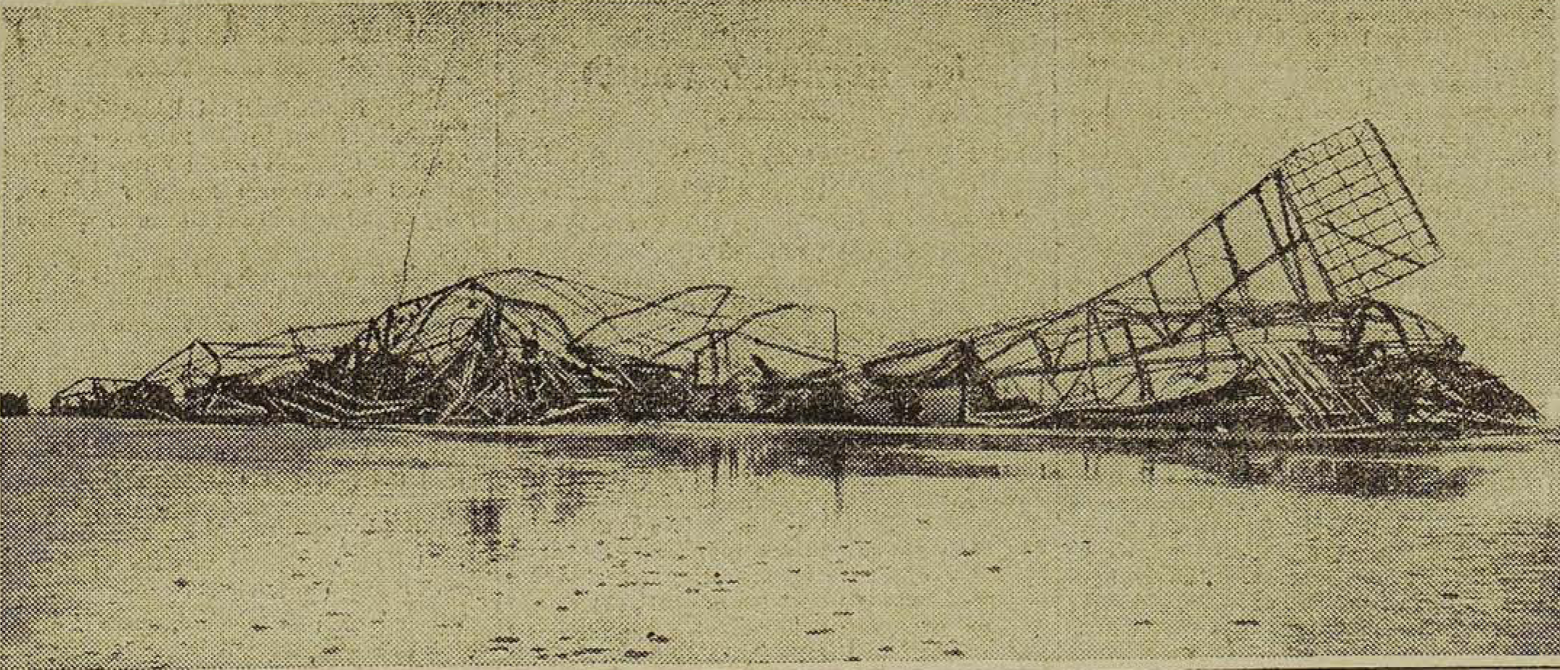
L-4 found itself in a similar situation, but reached the Danish coast further north, at Cape Blavands Hoek. They were unable to make a soft landing, the airship was only able to be lowered, and it was decided to jump from the gondolas while there was at least some chance. The last four did not have time to do this; the airship, relieved after the exit of most of the crew, was carried upward, and they disappeared somewhere unknown along with the ship. The crew were also interned until the end of the war, and only the commander, Count Magnus von Platen-Hallermund, escaped in early 1918.
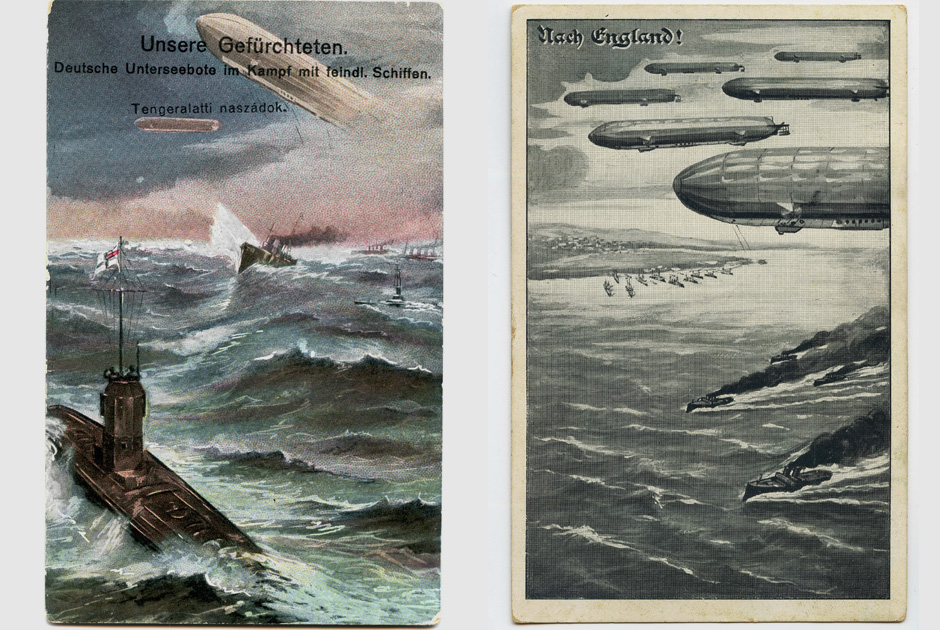
To reduce flight time over stormy waters among strong winds, at the end of February the L-8 was transferred to a new base in Gontrod near the occupied Belgian Ghent: from it to London it was not 640, but only 280 kilometers. On March 5, the Zeppelin, under the command of Captain-Lieutenant Helmut Belitz, set off to bomb targets in Essex. However, the wind over the sea was still too strong, the problem was compounded by clouds that interfered with navigation, and the airship was not even able to reach the British coast. It was carried to the Belgian city of Nieuwpoort, where the Belgian troops were holding the front. They remembered well the bombings of Liege and Antwerp and with sincere enthusiasm began to shoot at the zeppelin that emerged from the clouds at an altitude of only 300 meters, pretty much riddling it and damaging four hydrogen cylinders. The crew managed to guide the airship, which was losing altitude, to the German side of the front - where it made an emergency landing near Brussels. The landing turned out to be hard, the zeppelin crashed into the forest, part of the crew flew out of the gondolas from hitting the trees and were injured, one of the flight engineers died. The survivors managed to moor the airship with cables, but an intensifying storm finally finished off the damaged machine by the next morning.
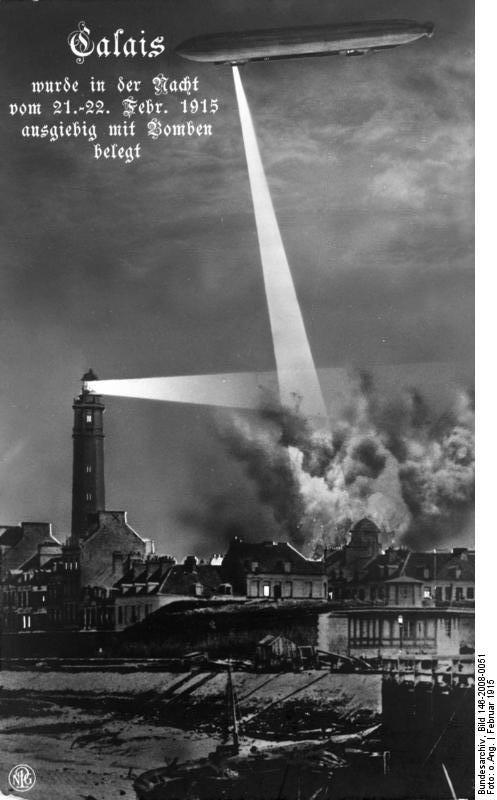
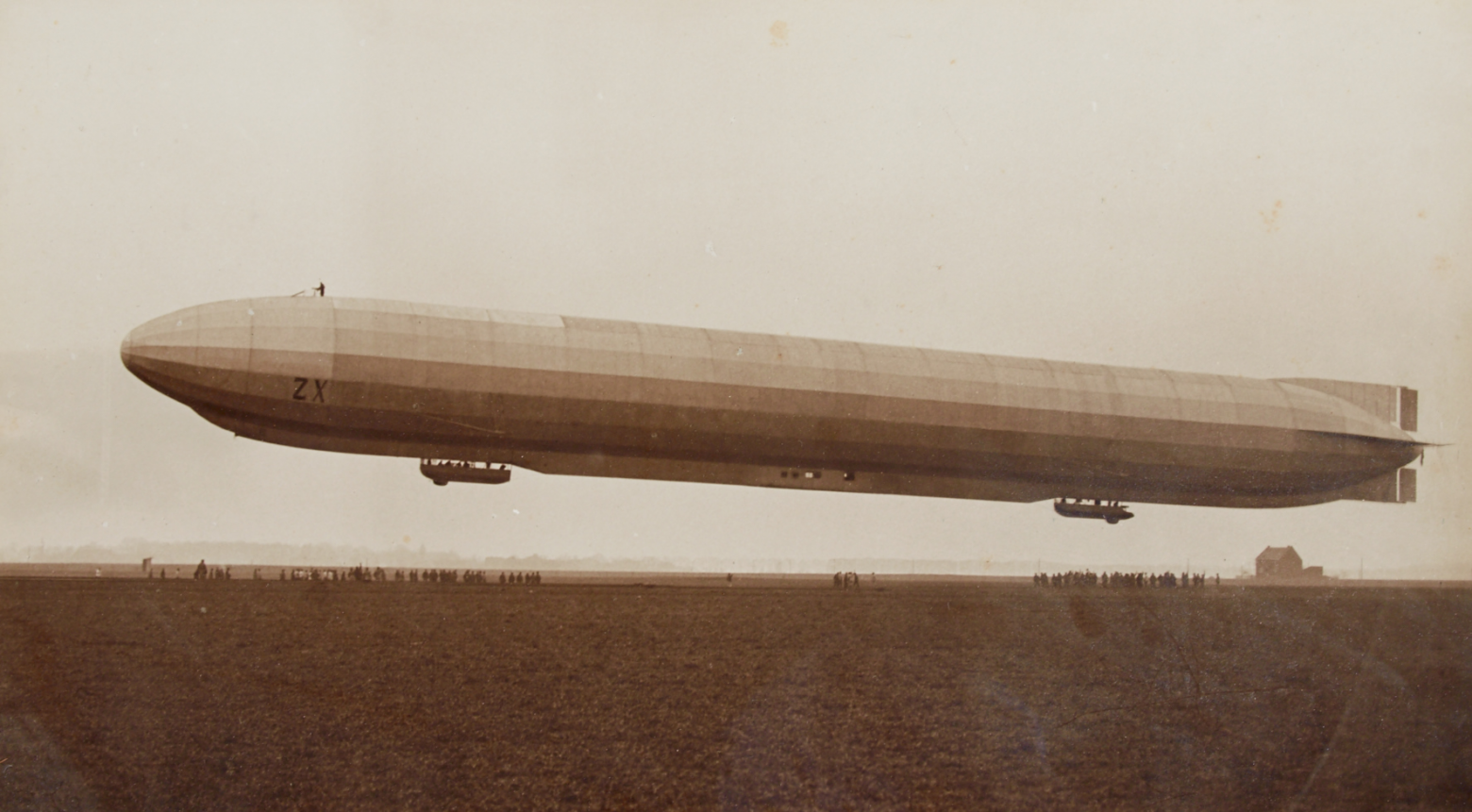
By this time, the army also decided to resume bombing cities on the Western Front. If the main enemy of the German fleet throughout the First World War was the British, then the main enemy of the Kaiser’s army in the west was the French. The first serious bombing attack was a raid by the “brother” of the M-type naval airships operating at that time under the symbol LZ-29 / Z-X on the port of Calais, through which troops and cargo from Britain arrived in France. On the night of February 21-22, taking advantage of the fact that the weather over land was much more decent than over the sea, he rained down about 900 kilograms of high-explosive and incendiary bombs on the city and port facilities.
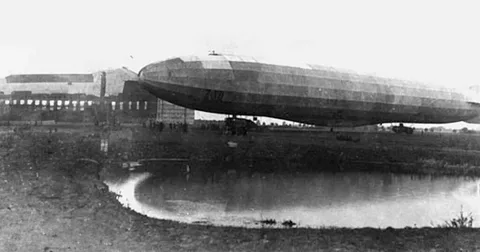
On March 17, the non-production “improved M” LZ-26 / Z-XII went to the same port of Calais and dropped about another ton of ammunition on it. This time, the military and townspeople were in great bewilderment and fear: bombs fell from the sky one after another, explosions thundered, fires blazed, but there was no airship in the sky! Only low night clouds, illuminated by flames and explosions, through which circles of light from searchlights scoured unsuccessfully. The anti-aircraft gunners tried to shoot at random, naturally not hitting anywhere. At the same time, the car circled over Calais for about 45 minutes, quite accurately covering the station, docks and ammunition depots with bombs. What's the matter? How did the Germans manage to hide from view the largest zeppelin at that time, more than 160 meters long? There were rumors either about a mirror coating, or even about a mysterious paint or gloomy German technology that makes objects invisible.
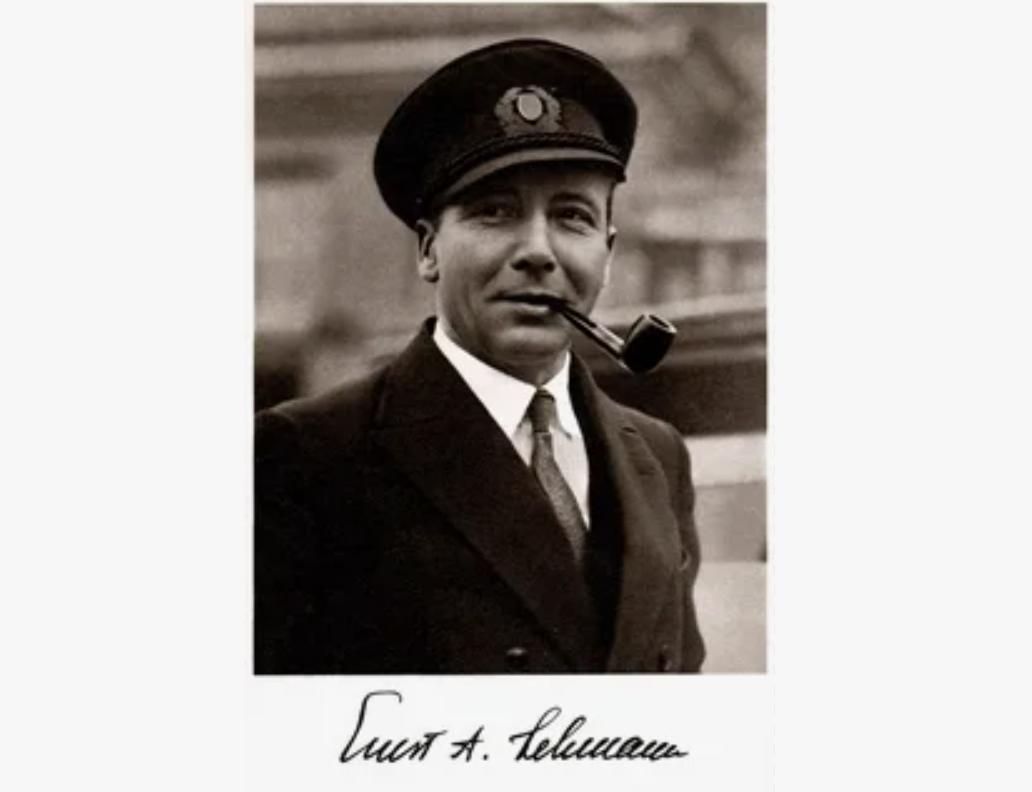
The whole point was that on a more heavy-duty and capacious vehicle, army know-how was used for the first time, which allowed airships to fly and bomb while remaining invisible to ground observers and anti-aircraft gunners below. It was invented, assembled and installed by two iconic people in the history of German airships. The initiator was the experienced builder and commander of military airships Ernst Lehmann, who at the beginning of 1915 was the commander of the newest Z-XII. He was actively supported and helped with the implementation of the idea by Count von Zeppelin’s nephew, former captain of the LZ-17 “Saxony” and current General Staff officer Baron Max Ferdinand Ludwig von Gemmingen-Guttenberg.
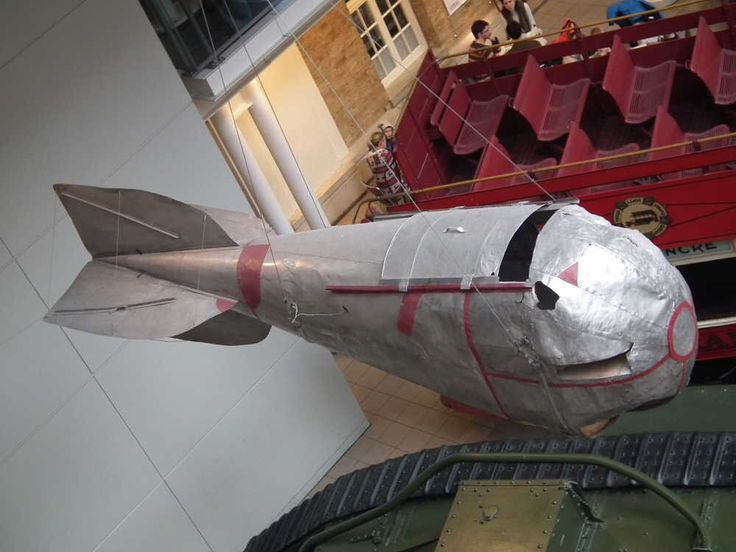
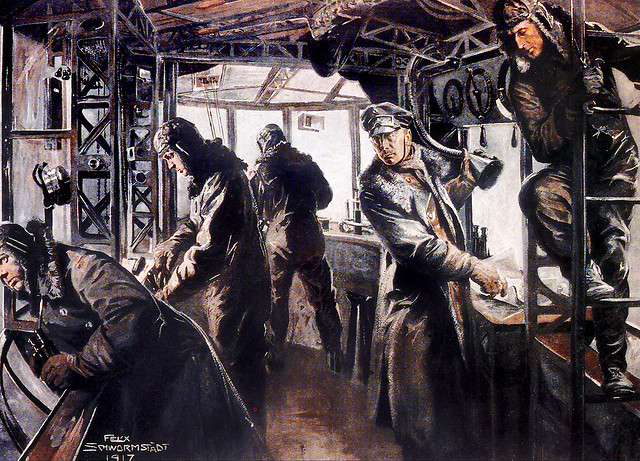
The device was called Spähkorb, literally “spy box”: it was an observation gondola lowered down on a long and strong cable. It was equipped with a field telephone with a wire leading to the bridge, and the navigator-observer could give instructions to the crew in real time on control and dropping bombs. The observation gondola was compact in size, and in the dark from a distance of at least hundreds of meters it was usually indistinguishable. Subsequently, they will be standardized, have aerodynamic drop-shaped contours, windows and stabilizers, and all amenities will be equipped inside - but the first Spähkorb had an open cabin, and was made of... willow twigs.
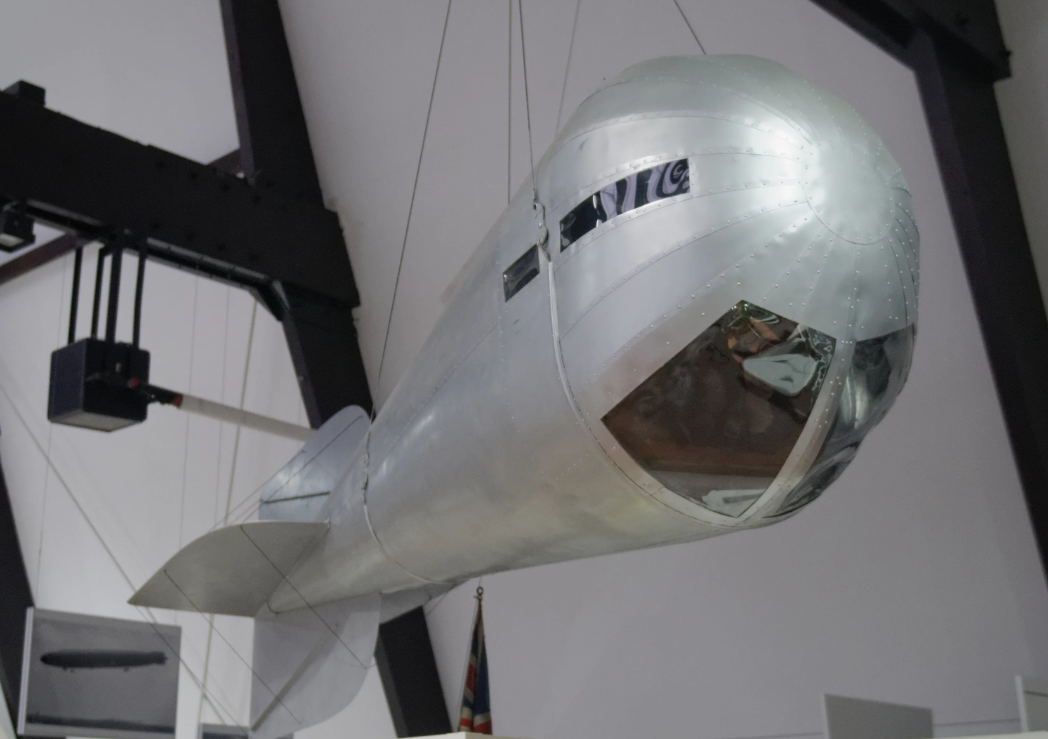
The famous inventor and creator of a number of military hydroplanes, Max Ertz, helped in assembling the first basket - from willow twigs covered with durable fabric. She was placed in the vast bomb bay of the Z-XII, along with a winch and a 900-meter steel cable with copper telephone wire. Inside there was a tablet with geographical maps, a couch, a telephone and a light. Moreover, on the first flight, there was a dispute between Captain Lehmann and von Gemmingen-Guttenberg for the right to be the first to test the invention in combat conditions - as a result, the baron convinced his colleague that the captain of the airship should command on the bridge, and a representative of the General Staff could also serve as a navigator-observer. Everything went as successfully as possible for the Germans (and sadly for the French and British), and since then some of the new airships for the army were equipped with observation gondolas. Although it was not possible to use them so often, since, as it turned out, not every cloud cover was suitable for implementing the idea. But in the navy, observation gondolas were fundamentally abandoned for the reason that during the very first tests, the commander of the naval zeppelins, Peter Strasser, almost died in it, and he was left with the most unpleasant impressions of this incident.
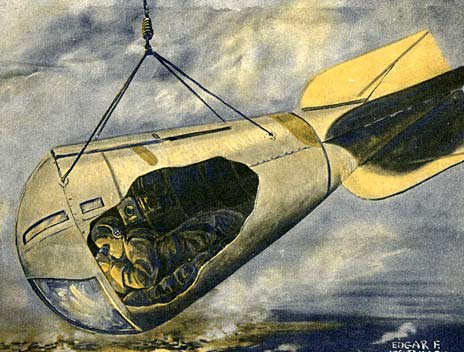
British sources often mention that in case of danger and the need to quickly gain altitude, the gondola along with the observer was dropped, dooming it to inevitable death. This is vividly and tragically shown in the American military blockbuster “Hell’s Angels” of 1930 - the name of which, through its popularity among US military pilots and the names of a number of squadrons of the Second World War, was eventually assigned to a biker club organized by former aviators. However, the reliability of this cool story raises some doubts. Firstly, the crews of combat airships were a very small elite, individual specialists who were long and difficult to train. Moreover, only a well-trained and trained specialist could guide the airship on the map and point it at bombing targets in the night sky, giving precise and clear instructions to the crew leading the zeppelin blindly using instruments. In the conditions of the Kaiser’s Germany, he could only be a Herr Officer, not a simple soldier or non-commissioned officer, with a noticeable probability also a nobleman with a “von” in front of his surname. Such shots, pardon the pun, are not spread around.

Secondly, the legend talks about the dropping of gondolas as a mass routine practice and almost a standard procedure. But during the entire period of bombing, the lion's share of which fell on densely populated London and its environs, only one fallen gondola was found on the ground. It was closed, but there was no body in it. As it turned out after the war, it was dropped empty along with the rest of the ballast during the emergency lifting of LZ-60 in September 1916. It is now on display at the Imperial War Museum in London. Probably, this whole story grew out of the British military propaganda trope about the Germans as “Huns,” cruel and merciless both to others and to their own, ready to ruin even their own crews at the slightest need, and dutifully obey suicidal orders.
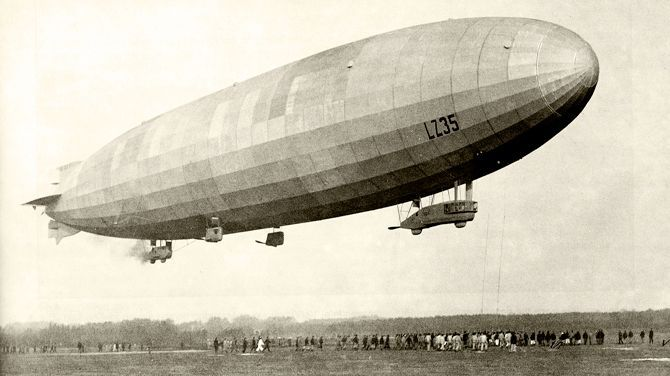
Paris was chosen as the target of the next, now strategic, raid. On March 20, the only three army airships then available on the Western Front set out to bomb the French capital. These were LZ-29 / Z-X, SL-II transferred to the Western Front and the last type M vehicle LZ-35 - after Z-XII, the army stopped assigning indexes with Z to Zeppelins, although for some reason they gave LZ parts numbers different from the factory ones. The flight took place at an elevated altitude of about 2.5-3 kilometers, because it was clear that they would be under anti-aircraft fire along the way at least three times. While crossing the front line, the airships were fired upon by French troops, SL-II was damaged and was forced to turn around, dropping bombs on the town of Compiegne below.
The Zeppelins continued their journey and reached the French capital. Their appearance was already expected after reports from the front, and anti-aircraft fire was opened on the airships that caught the spotlight. Due to the height, there were mostly undershoots, and the zeppelins calmly bombed their targets - in which they were greatly helped by the complete ignorance of the blackout by the townspeople; Paris shone as if in peacetime. The Germans feared that French planes would chase the airships, and near the front line the airships were met by an escort of their own airplanes. The interceptors never appeared, but when crossing it, the French fire again turned out to be more accurate than in the skies of Paris. The Z-X suffered several punctures in its gas cylinders and began to lose altitude. To reach the base, the crew desperately threw overboard everything they could, including equipment and even their own shoes - but it didn’t help. The plane made an emergency landing in a bad place and could not be recovered.
The German army command was not too pleased with the loss of one and the temporary exit and construction of a second airship when three aircraft took off - and it was decided to curtail the raids on Paris. Flying across the front line, even at a high altitude for that time, turned out to be too risky, and going around it over the English Channel took too long and was generally pointless: when entering the airspace of the strait, it was much easier and faster to go bomb England. Even much closer sorties across the front line were prohibitively dangerous. Already on April 13, the only survivor of the raid on Paris LZ-35 went to bomb Hazebrouck in the near rear of the Entente troops - but when crossing the front line, its cylinders were filled with bullets and shrapnel. The commander dropped bombs on the nearest town of Bayeul, killing several people - but soon received additional hits from incendiary ammunition. The smoking car quickly descended and eventually crashed into the forest, killing four crew members. From this moment on, army airships on the Western Front would generally join the naval airships and engage in bombing of London, without risking flying through the Western Front line, which was oversaturated with weapons of all calibers.
But most of them will spend the 1915 campaign on the Eastern Front, where they will bomb railway junctions in the rear of Russian troops in the Polish provinces, supporting the strategic offensive of the Kaiser’s army. In conditions of an acute shell shortage and a lack of special anti-aircraft guns, it will be difficult to shoot them down - but domestic artillerymen will still be able to thin out the then small number of airships of Wilhelm II. So, on June 21, 1915, the army LZ-34 received serious damage after attacks on Kovno and Grodno, reached the East Prussian town of Insterburg (now Chernyakhovsk, Kaliningrad region) and burned out after an emergency landing.
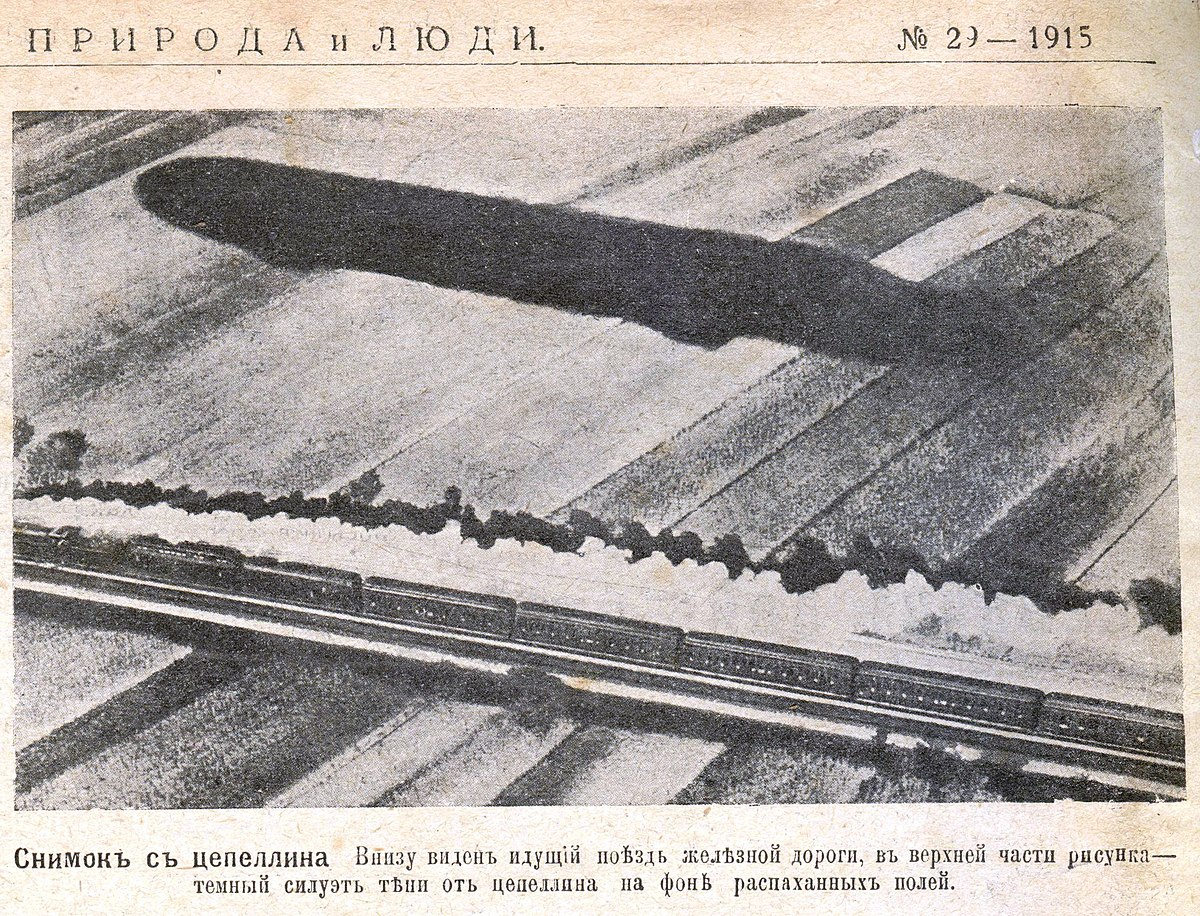
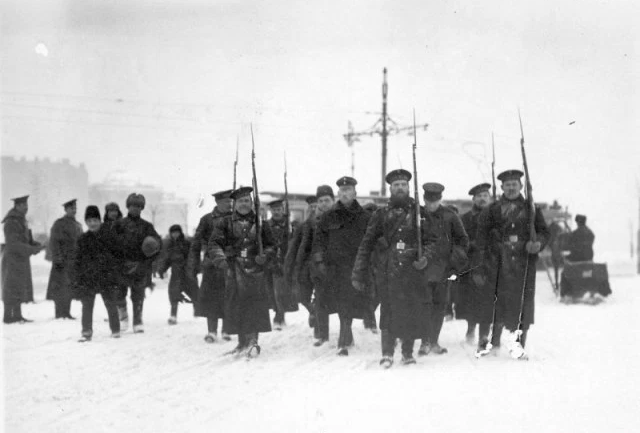
The already familiar naval L-5, the best naval reconnaissance aircraft of Hochseeflotte, will meet its end right there. In the summer he will be transferred to the Baltic - the German offensive was already underway across Lithuanian lands and the seashore. The fate of Riga, one of the important ports and industrial centers of the empire, was in question, and the last reserve was thrown to this front: the Guards Corps. On August 7, 1915, the “German robber cigar,” as the Zeppelins were called in Russian newspapers, appeared over the Gulf of Riga and attacked the seaside suburb of Ust-Dvinsk. The L-5 was greeted with due hospitality: Russian anti-aircraft fire damaged the gas cylinders, the zeppelin managed to cross the front line, but fell on a sandbank and could not be restored.
Let's return to the Western Front. On the night of April 14–15, 1915, the airship L-6 dropped 700 kg of bombs on Maldon in Essex, England. The airship received serious damage from anti-aircraft fire, but was able to return to base. After repairs, the aging and battered vehicle was used purely for maritime patrols, and in August it was transferred to training. After this, Zeppelin bombing missions against Britain and France were limited until the new P-type airships came into service.
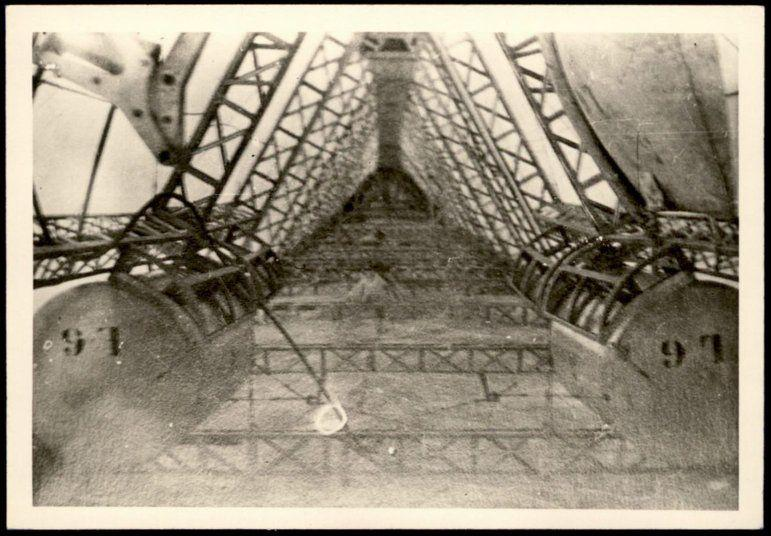
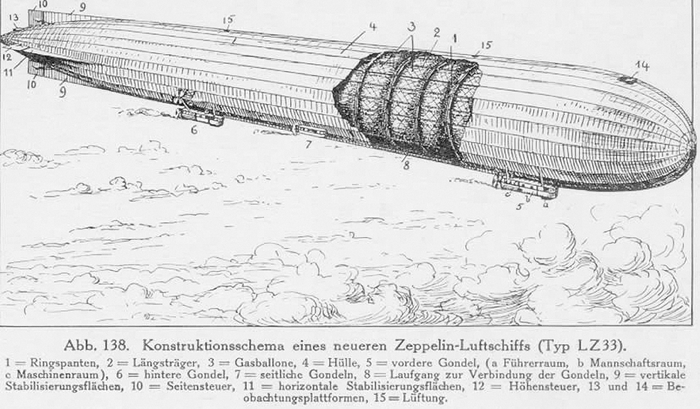
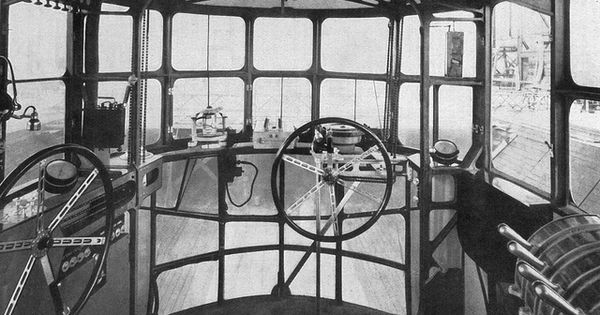
They were better than the previous large-scale type M in literally everything: more than 30 thousand cubic meters of carrier gas instead of 24 thousand, engine power of 840 or even 960 horsepower instead of 540, flight range of more than 4000 km instead of 2000 km, bomb load of 2 thousand tons instead of one. The durable duralumin frame made it possible to withstand even storm loads much better. For the first time, completely enclosed gondolas for the crew were used, which made it possible to rise higher without the risk of frostbite and hypothermia, even in the winter North Sea. In the forward gondola there was enough space not only for the control bridge and radio compartment, but also for a small wardroom for officers - albeit equipped with a pair of machine guns for defense against aircraft. Two more machine guns were located in the rear pod with the engine compartment, and there were machine gun emplacements in the tail and on the top of the canopy - while the M series had a maximum of four machine guns on board. All this beauty flew at a cruising speed of 90 km/h, and in calm weather it could travel 640 km from the Nordholz base to the center of London in 7 hours. If the M type cars still looked a little archaic, then the P type, “polished” for better aerodynamics, acquired the very appearance that one imagines when hearing the words “German airship”.
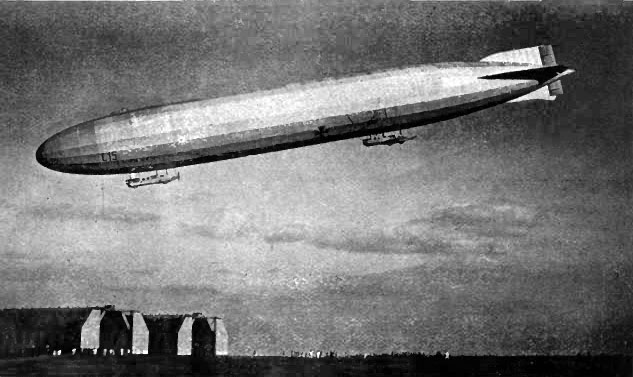
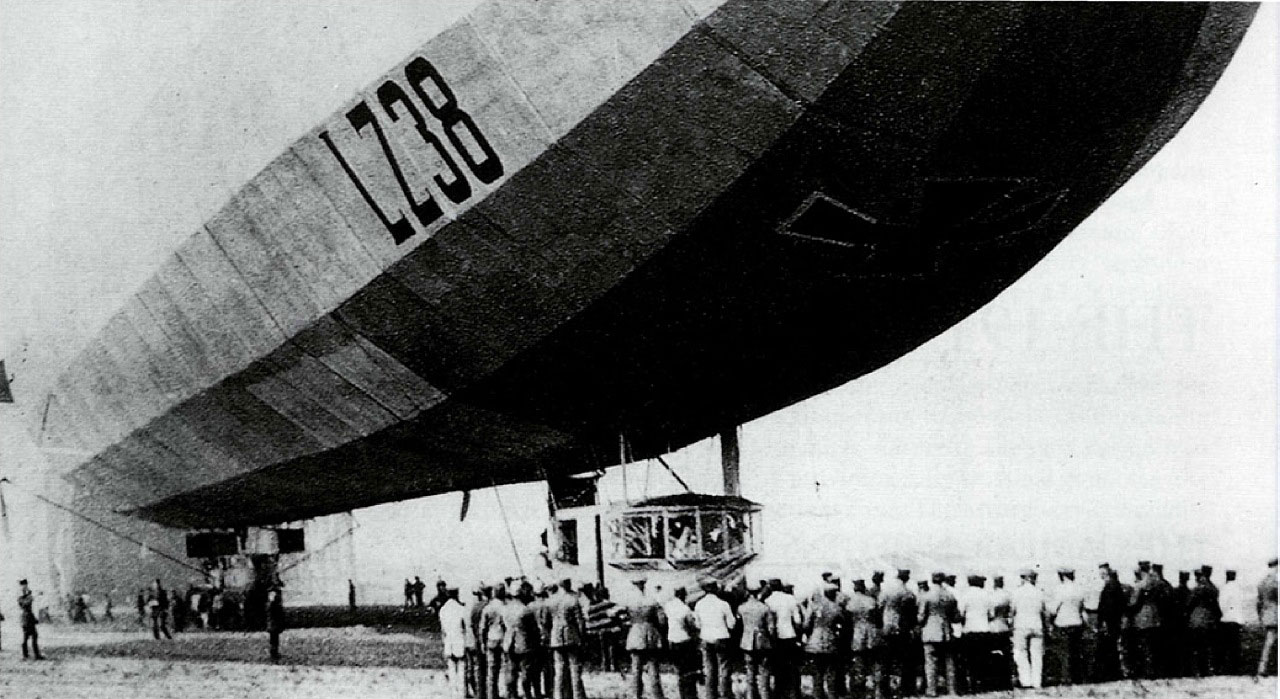
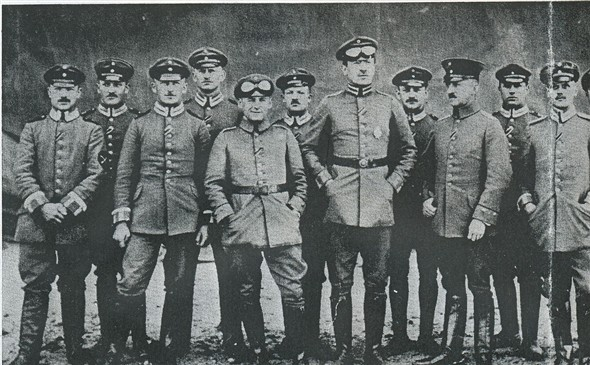
The first of 21 sisterships of the most numerous type P in the history of rigid airships - 34, together with the very similar, only slightly elongated type Q - was LZ-38. It made its first test flight on April 3, 1915, and was soon transferred to the army under the command of Hauptmann Erich Linnartz. On the night of 29–30 April he bombed Ipswich in Suffolk and neighboring towns. The second raid on May 9/10 took place on Southend-on-Sea in the Thames Estuary, where a woman was killed by bombs. This was followed by a raid on Dover and Ramsgate on 16/17 May, where the Zeppelin found itself under anti-aircraft searchlights for the first time since the bombing of Britain: the British had finally adopted this practice from the French, and it would show itself at its best. However, this time the fire on the airship was ineffective.
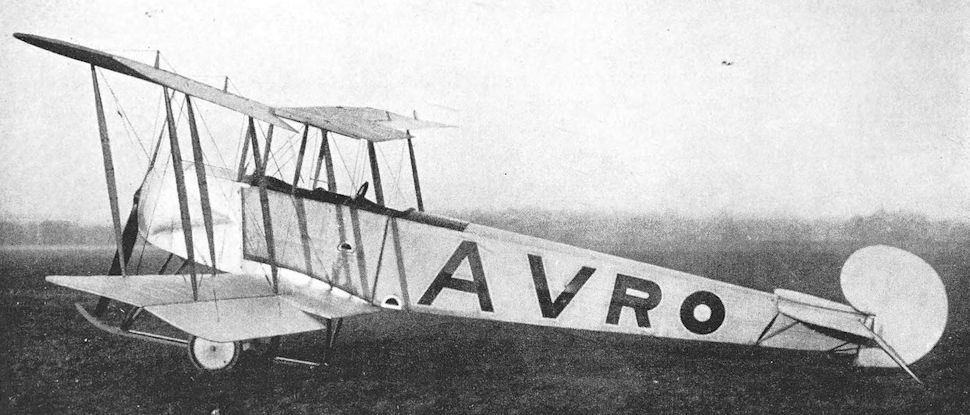
At the same time, even at the beginning of the flight over the coast of Belgium, LZ-38 tried to intercept. Already over Britain, the Canadian pilot of the Avro 504 trainer Redford Malok tried to intercept the car, taking with him two grenades and two incendiary bombs. The Zeppelin quickly reached an unattainable altitude, gained maximum speed, and even the Avro 504, which was fast by the standards of aircraft of that time, could not keep up with it. However, the first failure only angered Malok - who would later become Canada's first fighter ace.
Meanwhile, on May 5, Kaiser Wilhelm II will finally lift all restrictions on bombing - and preparations for the first raid on the British capital will begin at headquarters. After the second raid on Southend-on-Sea, where three locals were killed and LZ-38 again remained unscathed even after an interception attempt by five aircraft, it would be London's turn. By this time, his four raids had killed 6 people and caused damage of 17 thousand pounds sterling - more than 2 million US dollars today. The newest of the Zeppelins took off on the evening of May 31 from a boathouse near occupied Brussels and headed northwest. Observers spotted the airship at 21:42 GMT and reported to London that the vehicle was moving towards the capital along the Thames.
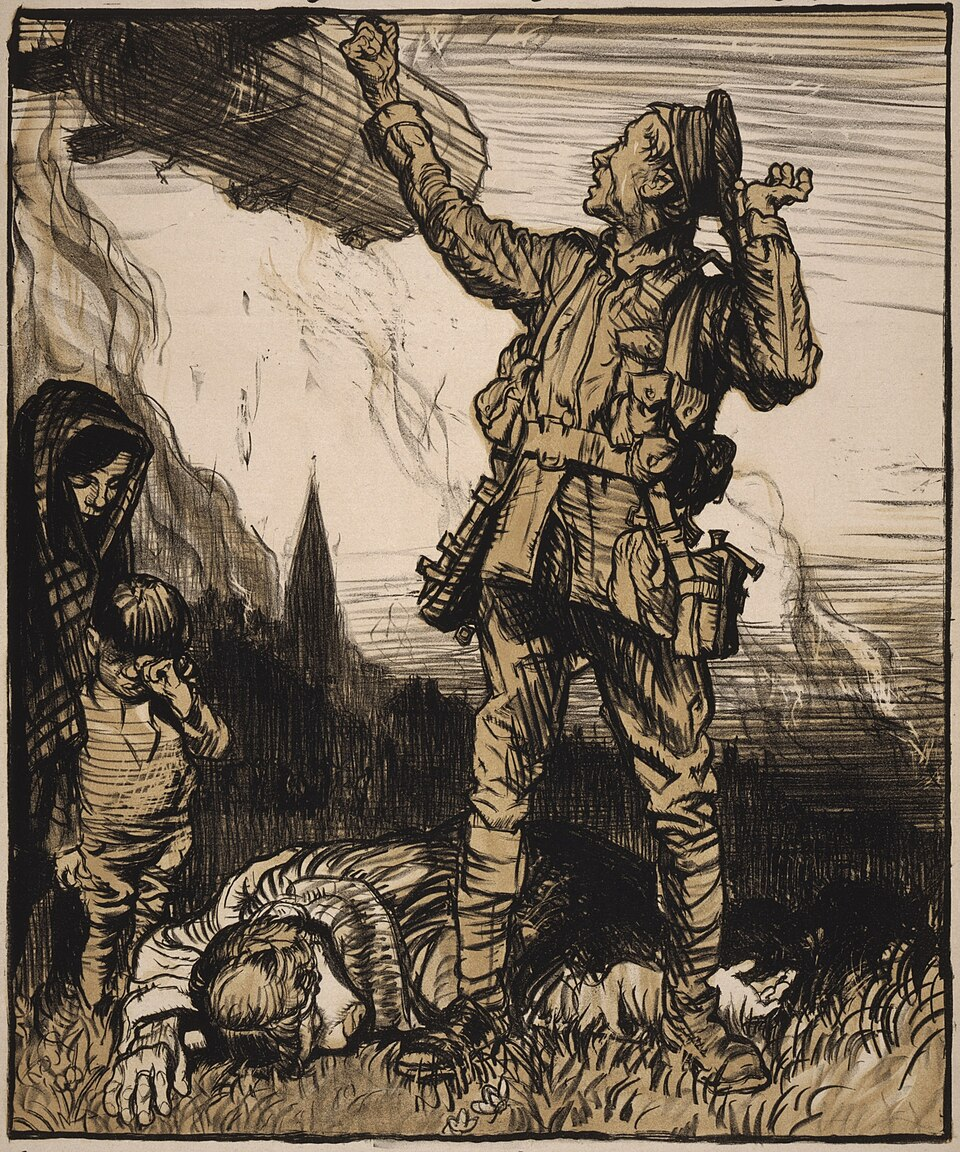
Around 11:20 p.m., 11-kilogram incendiary bombs filled with thermite and tar began raining down from the night sky onto city blocks, specifically to set fire to buildings. In total, 89 such bombs were dropped, and another 30 small high-explosive ones, more than a ton in total. Seven civilians were killed in the flames, four of whom were children and teenagers under 16, including a three-year-old girl. From then on, Londoners, and then British agitation and propaganda agencies, nicknamed the Zeppelins “baby killers.” 35 were injured and burned, and damage from 41 fires exceeded 570 thousand pounds sterling (about 80 million modern US dollars).
The air defense of the British capital turned out to be completely unprepared for the raid - because it was a handicraft and amateur effort. The most powerful piece of anti-aircraft artillery in the city was a pair of trucks, one of which was equipped with a naval automatic 37 mm cannon, an enlarged cousin of the Maxim machine gun, and the second with a searchlight. During the raid, not a single searchlight turned on, the anti-aircraft guns and conventional guns did not even try to open fire, because the zeppelin was not visible from the ground - including because it was flying at an unprecedented altitude of more than three kilometers. Even worse: 15 planes took off to intercept, but none of the pilots could find the 163-meter target, and during a night landing one plane crashed, killing the pilot. However, the main measure taken then by the British authorities and the command in London was not the urgent strengthening of the capital's air defense, but... the introduction of a strict ban on detailed publications about the consequences of the raids in the press.
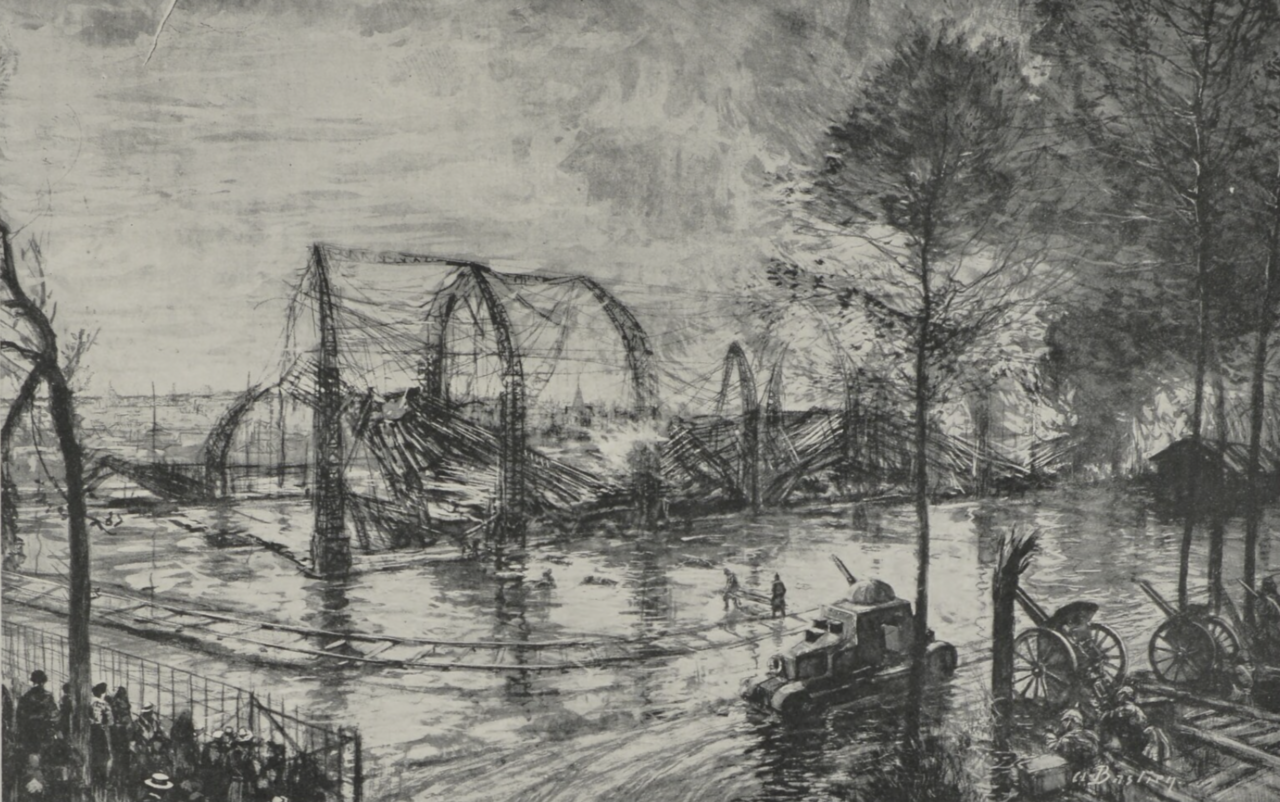
Britain was in shock and a mixture of rage and fear. The Germans were not going to stop, but Fortune once again turned away from them after the first success. Already on June 4, the naval L-10 set out to bomb London, but got lost and dropped bombs on Gravesend. The same fate befell L-9 two days later, on June 6, only now Kingston upon Hull was hit by mistake. However, the British military again began hunting for airships where it was easiest to hit them: in the boathouses. Already on June 7, a single British Farman MF.11 aircraft of naval lieutenants Mills and Wilson appeared in the sky near Brussels and dropped incendiary bombs on the boathouse from LZ-38. The flame quickly spread to the zeppelin, and hydrogen cylinders exploded. 19 German soldiers were killed, and five more Taube light aircraft parked next to the boathouse burned down. Both pilots received Distinguished Service Crosses for the operation.
Then Reginald Warnford came into play: a cocky, unbalanced, undisciplined, but desperate naval sub-lieutenant fighting in the coastal part of the Western Front. On May 17, 1915, he first intercepted the German army airship LZ-39, which was going on a raid on Britain near the Belgian coast, and managed to fire a burst at it from his Morane-Saulnier L. But the crew promptly dropped ballast, went to an altitude unattainable for his aircraft, and contact was interrupted - although the raid was disrupted. The British pilot will soon have better luck.
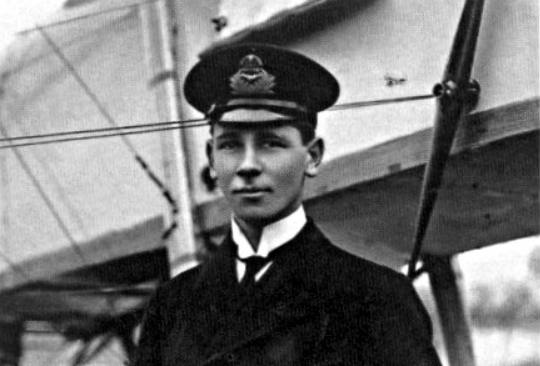
On June 7, over the Belgian Ghent, Warnford caught an LZ-37 moving towards Britain with a substantial bomb load. This time the pilot used a different tactic, managed to gain an advantage in height, and dived through the fire of the upper machine-gun turrets of the airship, dropping the entire load of light 9-kilogram incendiary bombs on it. The airship burst into flames, but by a tragic coincidence, crashed onto a monastery school in Sint-Amandsberg, Belgium. Two nuns and eight zeppelin crew members were killed. At the same time, the explosion of the cylinders damaged Warnford’s plane, he had to land on territory occupied by the Germans, but the desperate pilot managed to start the engine and take off in the air in front of the German soldiers, to whom he managed to shout “say hello to the Kaiser.” For his feat, he received the French Legion of Honor, but just 10 days later he died in an accidental plane crash due to a defect in a new plane. He was posthumously awarded the British Victoria Cross, Britain's highest award.
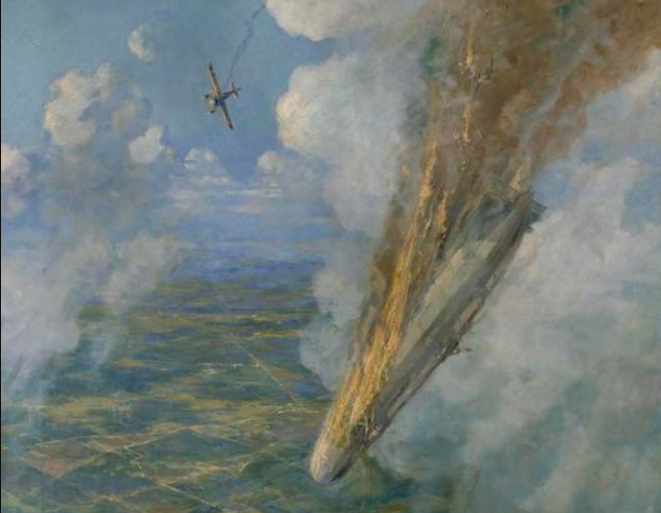
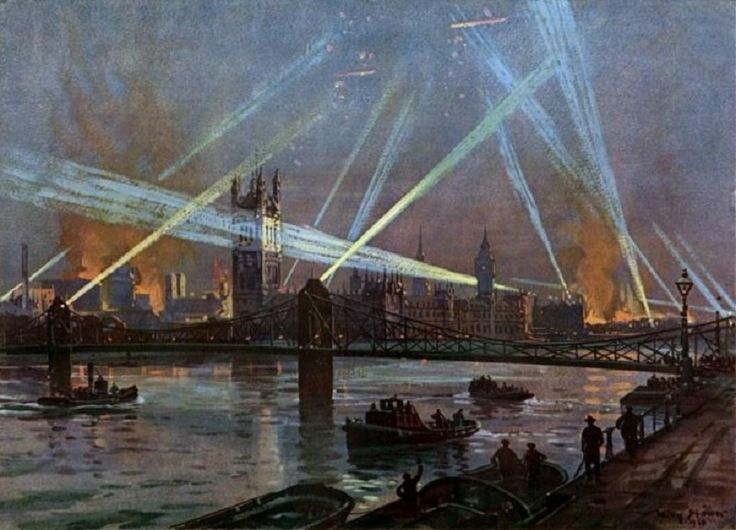
This was the first successful interception of a Zeppelin by aircraft, but far from the last. After the death of two aircraft, the Germans will suspend raids on London and begin to increase the production of airships. From August, raids on the British capital will resume with renewed vigor and will soon become routine - and the British command will finally have to take up the organization of the first-ever positional air defense area around the metropolis. A long and brutal air confrontation will simmer in the skies of England's capital.
© 2026 MT FINANCE LLC
Why This Matters In Practice
Beyond the original publication, Why Airships Never Took Off. Part 5: Shadows Over Britain matters because teams need reusable decision patterns, not one-off anecdotes. The first experience of using German military airships was not very successful. If they showed themselves to be quite intelligent in sea pat...
Operational Takeaways
- Separate core principles from context-specific details before implementation.
- Define measurable success criteria before adopting the approach.
- Validate assumptions on a small scope, then scale based on evidence.
Quick Applicability Checklist
- Can this be reproduced with your current team and constraints?
- Do you have observable signals to confirm improvement?
- What trade-off (speed, cost, complexity, risk) are you accepting?