Why Airships Never Took Off. Part 7: Fire in the Sky
Zeppelins have been in the skies of Britain since 1916 started roughly the same as what German submariners of World War II would call Glückliche Zeit, the “happy times” of almost impunity hunting in 1940-1941. In the spring and summer of that year, German airships perished from e
Editor's Context
This article is an English adaptation with additional editorial framing for an international audience.
- Terminology and structure were localized for clarity.
- Examples were rewritten for practical readability.
- Technical claims were preserved with source attribution.
Source: the original publication
Series Navigation
- Why Airships Never Took Off. Part 1: From Montgolfier to a Borodino Bomber
- Why Airships Never Took Off. Part 2: Rise and Fall of French Airships
- Why Airships Never Took Off. Part 3: Birth of the German Zeppelins
- Why Airships Never Took Off. Part 4: The Kaiser's Airships Go to War
- Why Airships Never Took Off. Part 5: Shadows Over Britain
- Why Airships Never Took Off. Part 6: London Under the Bombs
- Why Airships Never Took Off. Part 7: Fire in the Sky (Current)
- Why Airships Never Took Off. Part 8: The End of Wartime Zeppelins
- Why Airships Never Took Off. Part 9: Ashes of War and New Opportunities
- Why Airships Never Took Off. Part 10: The Most Famous and Successful Zeppelin
- Why Airships Never Took Off. Part 11: Aircraft Carriers in the Sky
- Why Airships Never Took Off. Part 12: Italian Semi-Rigid Airships
- Why Airships Never Took Off. Part 13: Through the North Pole aboard the Norge
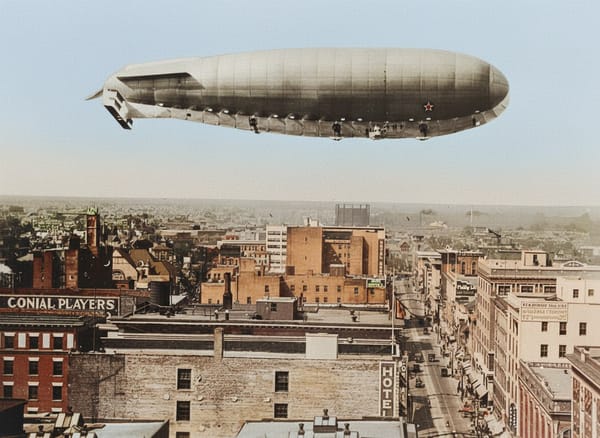
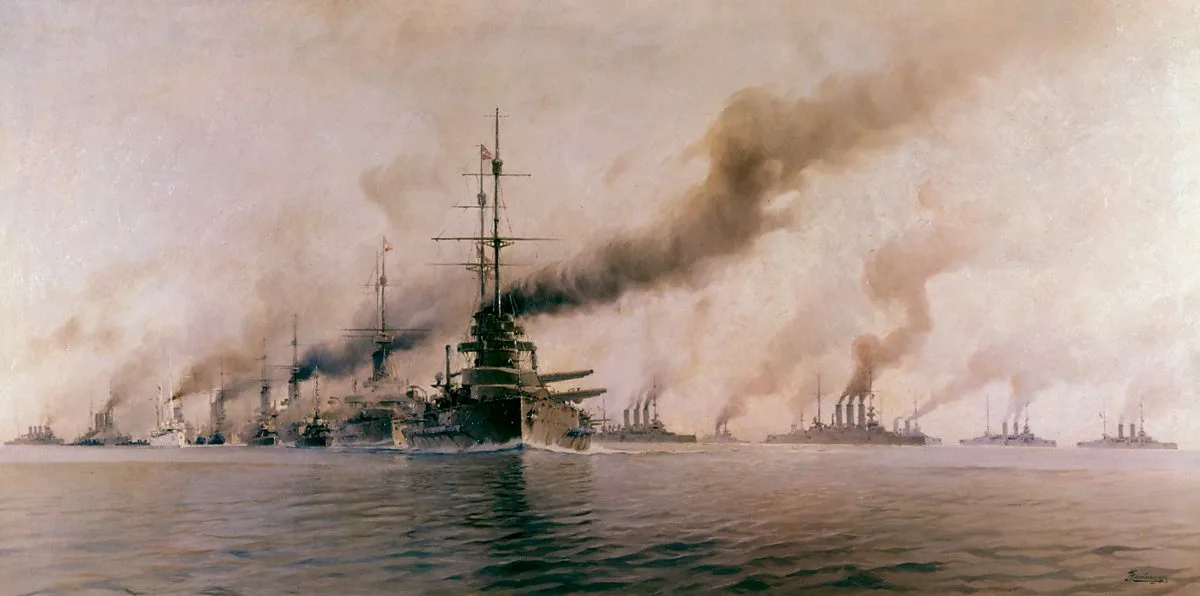
Zeppelins have been in the skies of Britain since 1916 started roughly the same as what German submariners of World War II would call Glückliche Zeit, the “happy times” of almost impunity hunting in 1940-1941. In the spring and summer of that year, German airships perished from enemy fire both in France, where they tried to support the army in the Verdun meat grinder, and even in the Balkans, where they tried to bomb Romanian troops and Entente ships near Thessaloniki. However, British air defense at this time turned out to be almost powerless due to the “childhood diseases” of anti-aircraft shells and the reluctance of the command to at least experiment with firing incendiary bullets at Zeppelins from aircraft. As a result, the skies of London and other English cities became a field of bombing with virtually impunity for German military balloonists. Zeppelins regularly appeared in British skies in groups of up to ten or more, dropped tons of bombs and returned back. Since the summer, even more huge “super-zeppelins” of the R type have joined the missions. But everything comes to an end - and soon the “hunting grounds” will begin to turn into hell.
Part 1: from hot air balloon to bomber for Borodino
Part 2: the birth and death of French airship construction
Part 3: the birth of the German Zeppelins
Part 4: The Kaiser's skyships go to war
Part 5: Shadows over Britain
Part 6: London under the bombs
Part 7: fire in the sky ← you are here
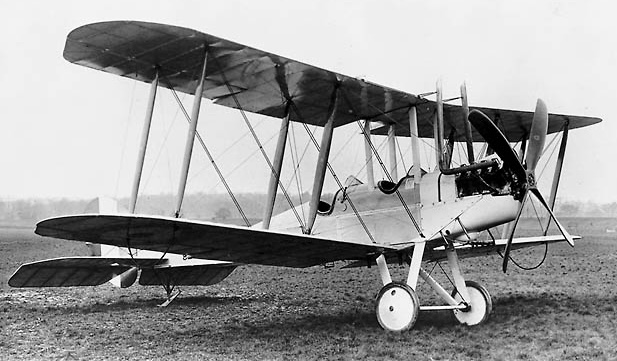
By 1916, the Royal Aircraft Factory B.E.2 two-seat reconnaissance aircraft had a rather dismal reputation among British pilots. Their first models appeared even before the start of the war, at first they were quite good, because the Germans relied mainly on zeppelins, and by 1914 they lagged behind the French and British in the field of aviation. But over time, the B.E.2 became too easy prey for the increasingly sophisticated German fighters, especially with the introduction in 1915 of the Fokker E.I with reliable synchronized forward machine guns. The idea belonged to the French from Morane-Saulnier, but it was the Germans who managed to bring it to fruition, and for some time their fighters literally blew planes of opposing countries out of the sky in batches. Things got to the point that by the end of 1915, many Entente pilots were simply afraid to appear in the skies, and the situation changed only after the introduction of new models of French and British fighters in 1916 with the same approach. But even after this, the rapidly aging B.E.2 on the Western Front was called “meat for the Fokkers.” British pilots gloomily joked that they were sent to France only so that the Germans could quickly shoot them down and the lagging aircraft could be written off from the balance sheet of the military department, extorting money from parliament for new ones.
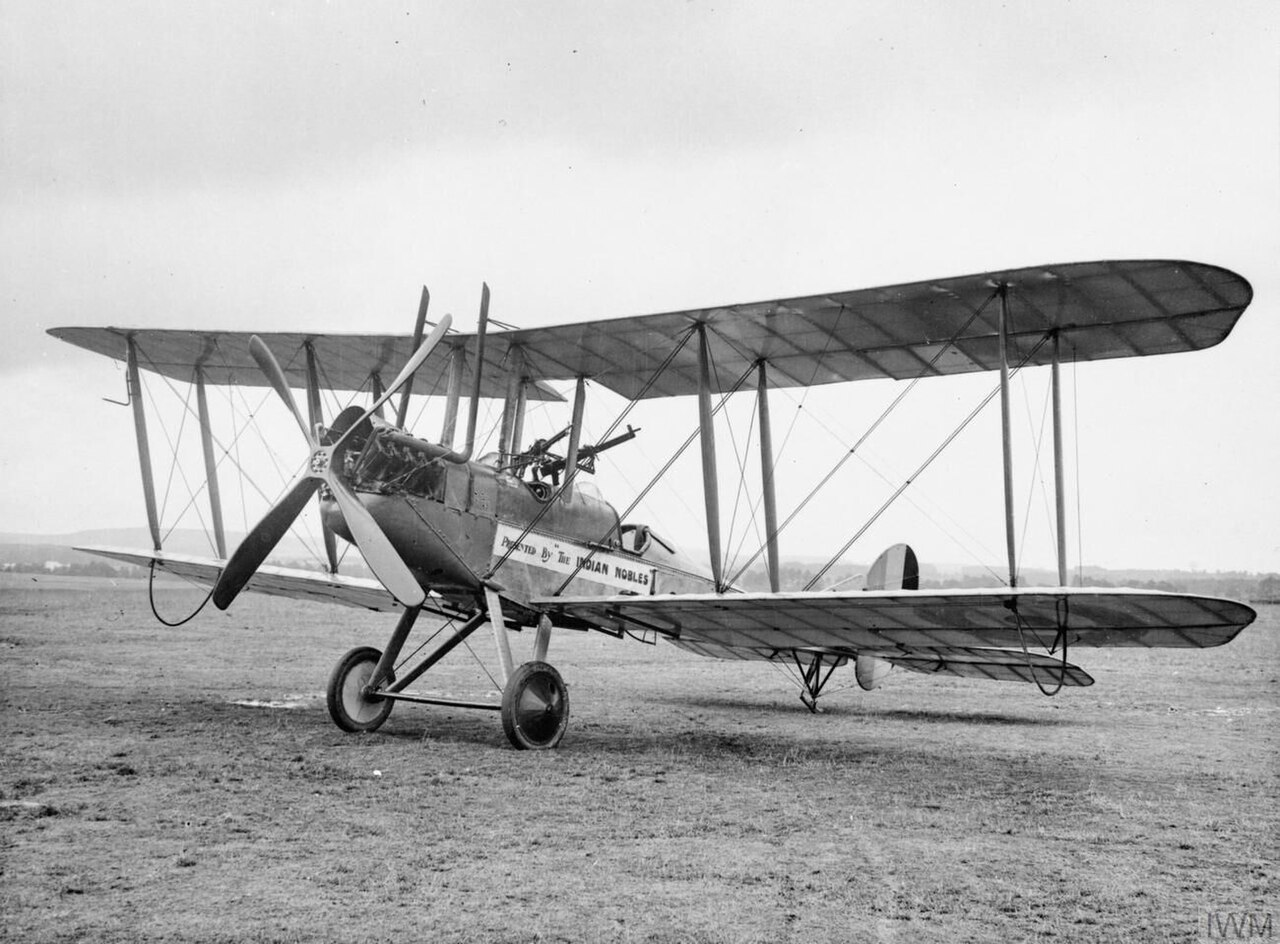
However, as one of the first night interceptors in history, the Royal Aircraft Factory B.E.2 showed its best performance in the skies of London. It is these aircraft and their crews that hold the record of 6 downed zeppelins. The secret was that they managed to put the squeeze on the conservatives among the generals, and at the end of the summer of 1916, Lewis machine guns with drums loaded with experimental incendiary cartridges began to be installed on the vehicles defending the capital as an experiment. They were fixed at an angle of about 45 degrees upward so that the pilot could pass under - and not over, as was supposed when using bombs, which the Zeppelin crews usually prevented by dumping ballast and gaining altitude - along the airship and flashing bursts through its dome and cylinders with flammable hydrogen. In addition, old low-power engines were replaced with more modern ones, which increased speed and climb rate.
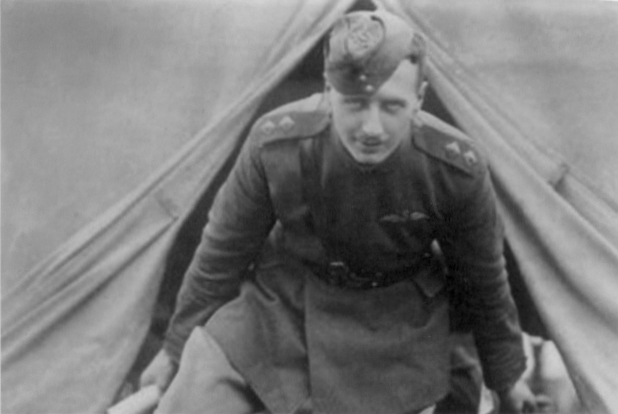
Late in the evening of September 2, a group of 16 German airships routinely appeared in the British sky and began dropping bombs on cities and neighborhoods. Lieutenant William Leaf Robinson, who managed to fight in France, was wounded in an air battle over Lille, transferred to London interceptors and received one of the first machine-gun interceptors, noticed a German airship illuminated by searchlights. It was not a Zeppelin in the strict sense of the word, but an army SL-11 manufactured by Schütte-Lanz - but the car was fresh, it made its first flight on August 1, 1916, and its characteristics more or less corresponded to the Zeppelins of the Q type. On this flight, it managed to drop bombs on the town of Essendon, killing a woman and a teenage girl, destroying several houses and damaging a church building. We will let the pilot himself speak about what happens next in his report to the commander (with the conversion of altitudes from the imperial to the metric system).
From: Lieutenant W. Leaf Robinson, Suttons Farm Airfield.
To: Commander 39 Squadron (H.D.).
Sir!
I have the honor to present the following report on the night patrol I carried out on the night of the 2nd to 3rd of this month. I took off at approximately 11:08 am. on the evening of the 2nd with orders to patrol between Sutton's Farm and Joyce Green. Gained an altitude of 3 kilometers in fifty-three minutes. I counted, in my opinion, ten series of lighting shells; There were a few clouds below, but overall the night was exceptionally clear. Up to 1 hour 10 minutes at midnight I saw nothing until two searchlights illuminated the zeppelin southeast of Woolwich. In this sector, the clouds thickened, and it was difficult for the searchlights to keep the airship in the beam.
By this time I had managed to climb to 3.6 kilometers, and I headed towards the zeppelin, at which several anti-aircraft guns were firing, hoping to intercept it as it moved east. Over the course of about ten minutes I closed the distance very slowly. Determining that the zeppelin was approximately 250 meters below me, I sacrificed some speed to maintain altitude. The airship disappeared behind the clouds, moving away from the searchlight, and I lost sight of it. After fifteen minutes of fruitless searching, I returned to my patrol route.
About 1 hour 50 minutes. noticed a red glow northeast of London. Mistaking this for the source of the fire, he headed there. At 2:05 a.m. the searchlights captured the zeppelin over the north-northeast part of London (as far as I can tell). Remembering the previous failure, I sacrificed altitude (I was at about 12,900 feet) for speed and dived towards the zeppelin. He observed shell explosions and tracer bullets flying around him.
As we approached, I noticed that the anti-aircraft shells were exploding either too high or too low; in addition, a significant number of explosions occurred approximately 250 meters behind the airship, and several tracer bursts passed directly over the target. When I was about a kilometer from the zeppelin, I clearly heard explosions. I walked about 250 meters below the airship from bow to stern and fired one machine gun drum at it (alternating New Brock and Pomeroy incendiary cartridges). This had no visible effect.
Therefore, I went in from the side and gave it a second drum along the side - also without result. Then he came out behind him; by this time I came very close - 150 meters or less below - and concentrated the fire on one place (below, aft), firing the third drum. When the zeppelin attacked, it was at an altitude of 3.5 kilometers. As soon as the drum was empty, I saw that the fired part had ignited. A few seconds later the entire aft part was engulfed in fire. When I released the third drum, the searchlights on the zeppelin no longer worked, and the anti-aircraft artillery did not fire.
I immediately moved out of the way of the falling, flaming zeppelin and, being very excited, fired several red flares and dropped a parachute flare bomb. Having little oil and gasoline, he returned to Suttons Farm airfield and landed at 2 hours 45 minutes. Upon landing, I discovered that the zeppelin shooters had damaged the rear of the middle section of my plane and pierced the main spar several times.
I have the honor to be, sir, your humble servant,
W. Leaf Robinson, Lieut.
39 Squadron, Royal Flying Corps (R.F.C.).
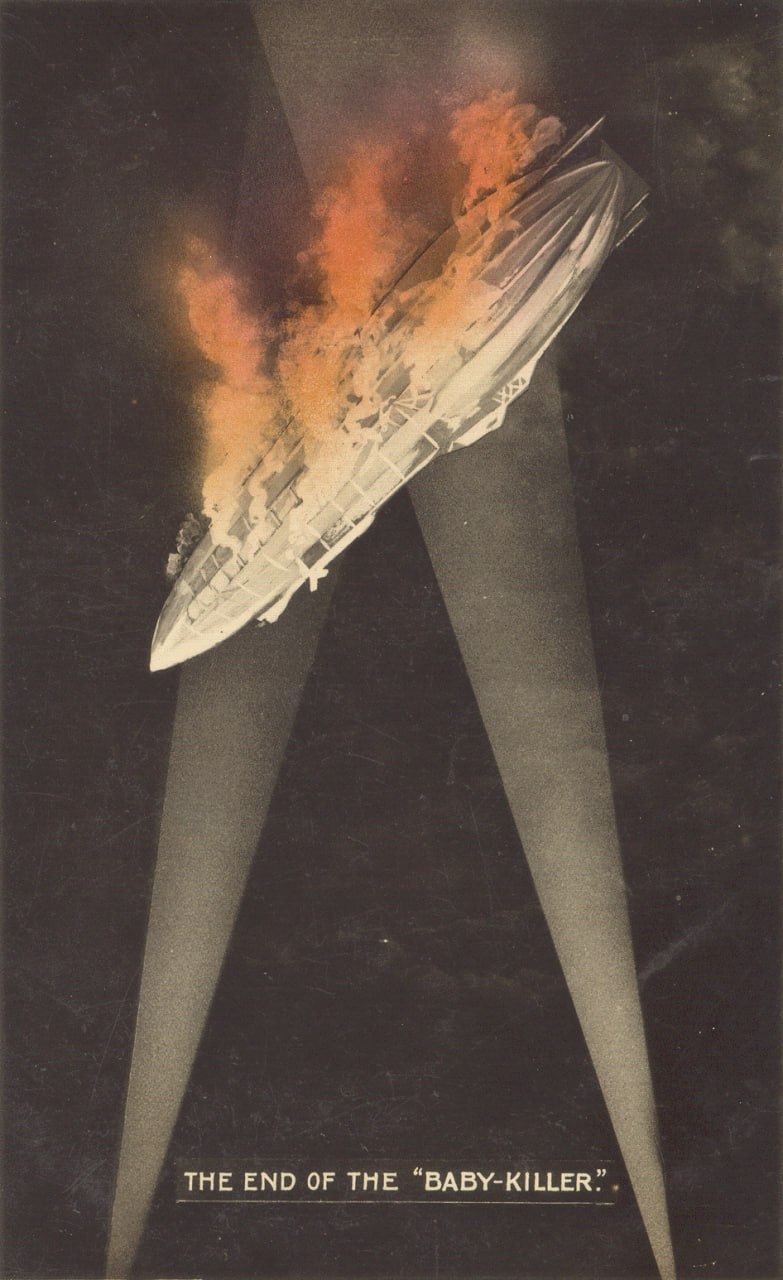
Robinson landed the plane to thunderous applause from other pilots and airfield personnel who witnessed the incident, immediately wrote the above report, and then “turned off.” The burning remains of the 174-meter zeppelin crashed to the ground north of London near the town of Cuffley, which became the main event in its history. The remains of the crew were buried right there, and the remains of the airship were for some time a popular attraction with tens of thousands of visitors. It was then dismantled into parts, which were sold by the British Red Cross to raise funds for hospitals and clinics. Since then, a model of the downed airship has been installed in Cuffley Town Hall, and the local football team has been named Zeppelins.
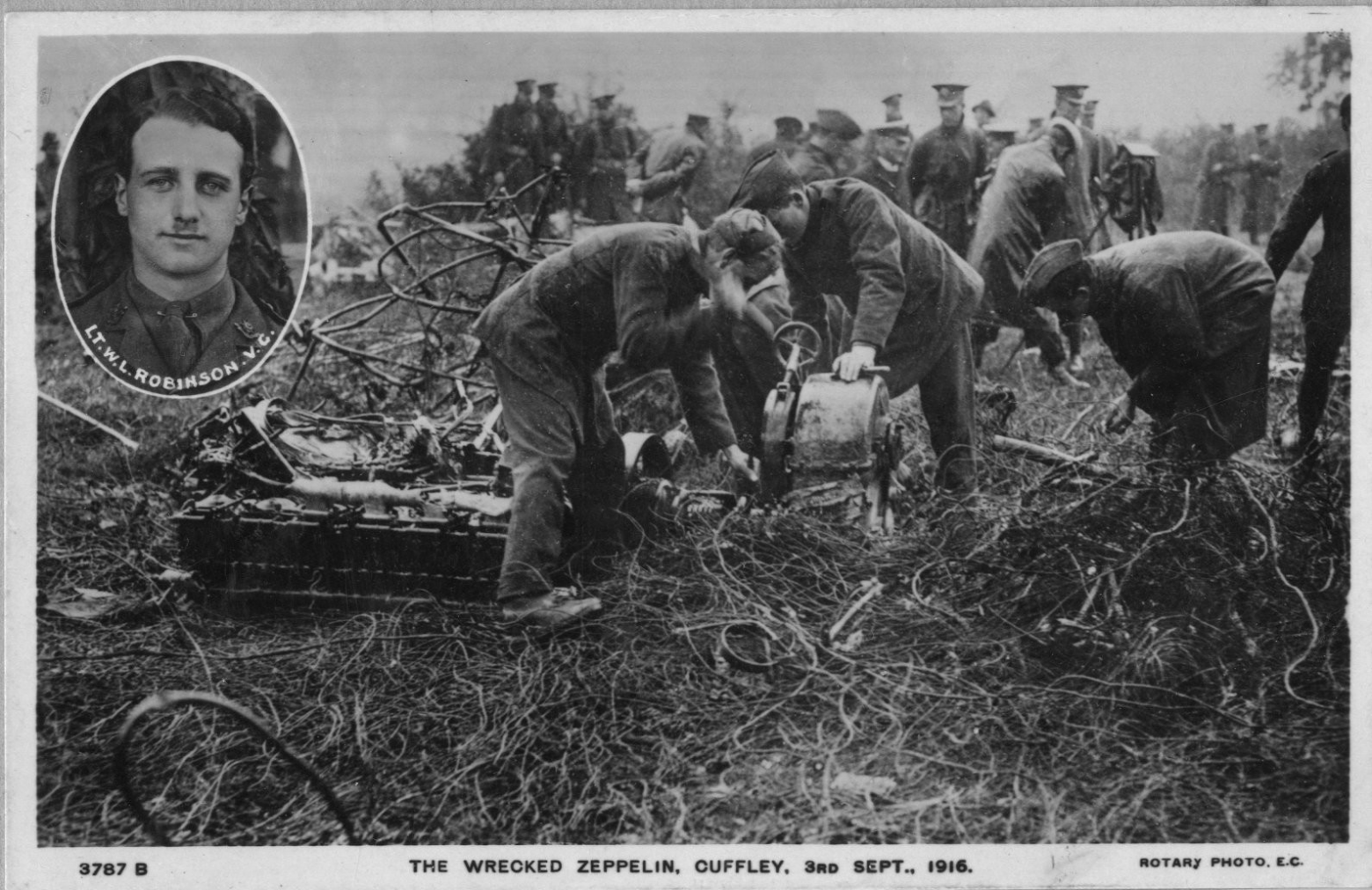
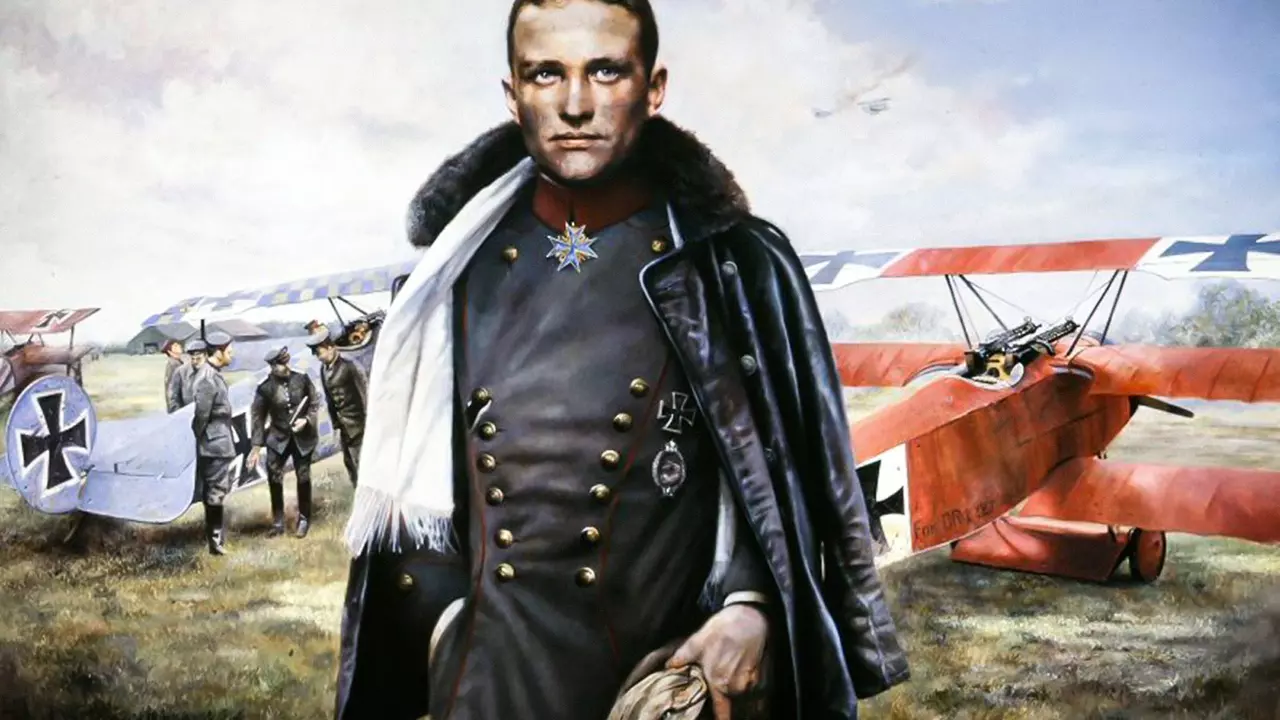
William Robinson woke up as a celebrity, one of the most popular people in Britain. Just two days later, King George, in front of a large crowd of people, presented him with the Victoria Cross, the highest award of the British Empire, at the Palace of Westminster. As a reward, he also received 3,500 pounds sterling from the War Department—more than $700,000 in today's dollars. When his plane broke down and burned during takeoff on September 16, Robinson, as a symbol and hero of the nation, was simply forbidden to fly - which he repeatedly protested. As a result, he achieved his goal, transferred to the Western Front as a fighter - but on his first flight in April 1917 he encountered the famous squadron of German aces, the “air circus” of Baron Manfred von Richthofen, with consequences understandable to the British. The wounded pilot was captured and sent to a prisoner of war camp in Poland, from where he repeatedly tried to escape. Alas, the conditions there were such that they undermined his health: he survived the end of the war and liberation only for a few weeks. Having contracted the “Spanish flu,” which was fatal for exhausted people, he died on the last day of 1918 in the house of his sister, the baroness.
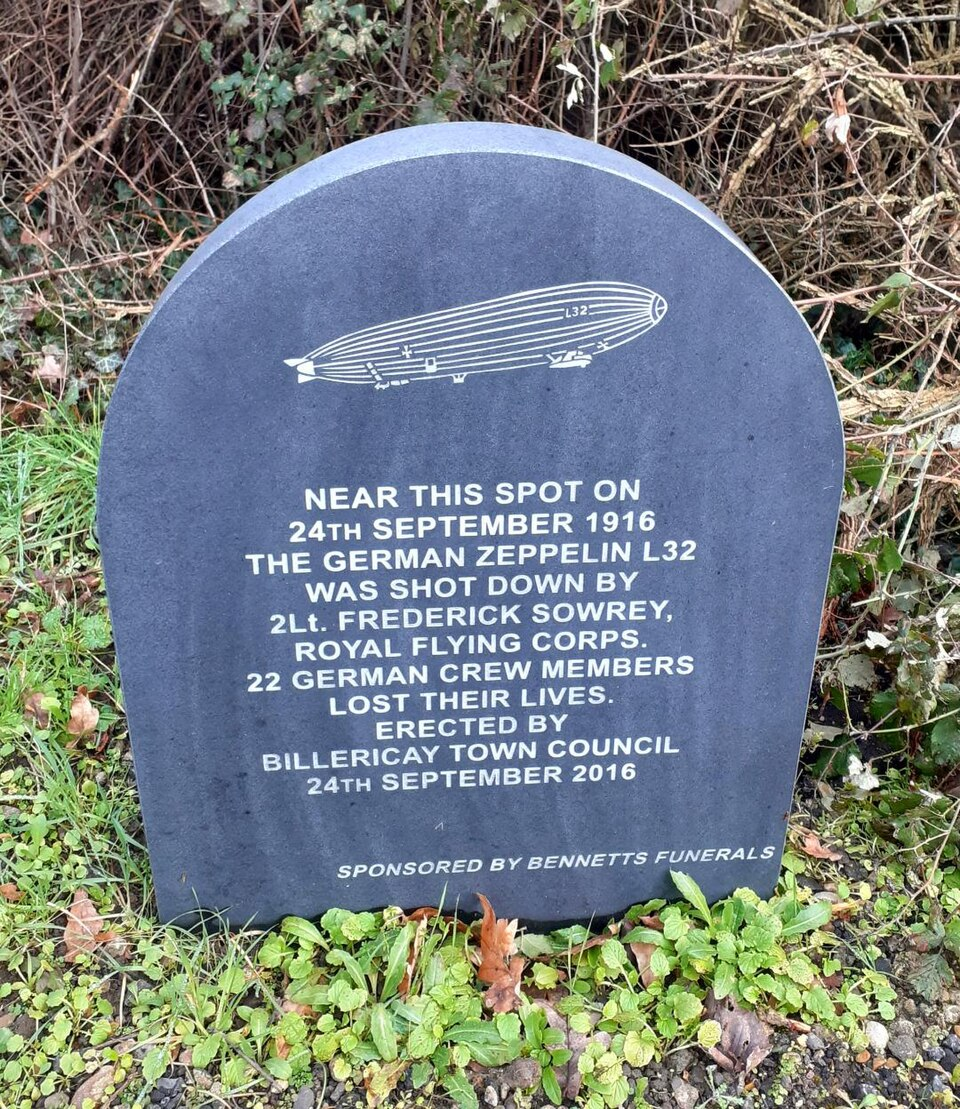
The destruction of an SL-11 by a night fighter's machine gun with incendiary bullets showed how to deal with Zeppelins in British skies. Night interceptors have already begun to be standardly equipped with the same weapons as on Robinson’s plane. Already on September 24, during the next raid on London, the Germans lost two airships at once. The first to distinguish himself was Lieutenant Frederick Souri from the same 39th squadron. Shortly after midnight, he intercepted the Navy's newest R-type super-Zeppelin, the Navy's L-32, off the coast east of London and landed three drums on it. As in the case of Robinson, only after this the airship caught fire. The flaming wreck crashed into the fields near the Essex town of Great Bursted, and again no one from the crew of 22 survived. The remains of an even larger, 200-meter zeppelin again attracted many visitors.
A little later that night, Lieutenant Alfred Brandon of 39 Squadron intercepted another L-33 super-Zeppelin over Essex, already returning from the bombing of London. The car was already damaged by anti-aircraft artillery fire, the British pilot added several bursts from a machine gun. Fortunately for both the crew and the British, there was no ignition this time, but numerous holes in the cylinders led to the rapid descent of the airship. Lieutenant Commander Alois Boker ordered everything possible to be thrown overboard, but the process did not stop. He realized that he would never make it to the base; he didn’t want to drown in the sea for the Kaiser along with the entire crew, and the crew landed the car near the town of Little Wigborough near the coast of Essex. Of course, on the ground the Germans set the airship on fire and tried to destroy the equipment, but the durable duralumin frame, gondolas and one of the engines were only partially damaged. Based on the results of his research and interrogations of the captive crew, the British learned a lot about the design and piloting of zeppelins. This is what formed the basis for the creation of experimental rigid airships R-33 and R-34, one of which was the first in history to cross the Atlantic in 1919.
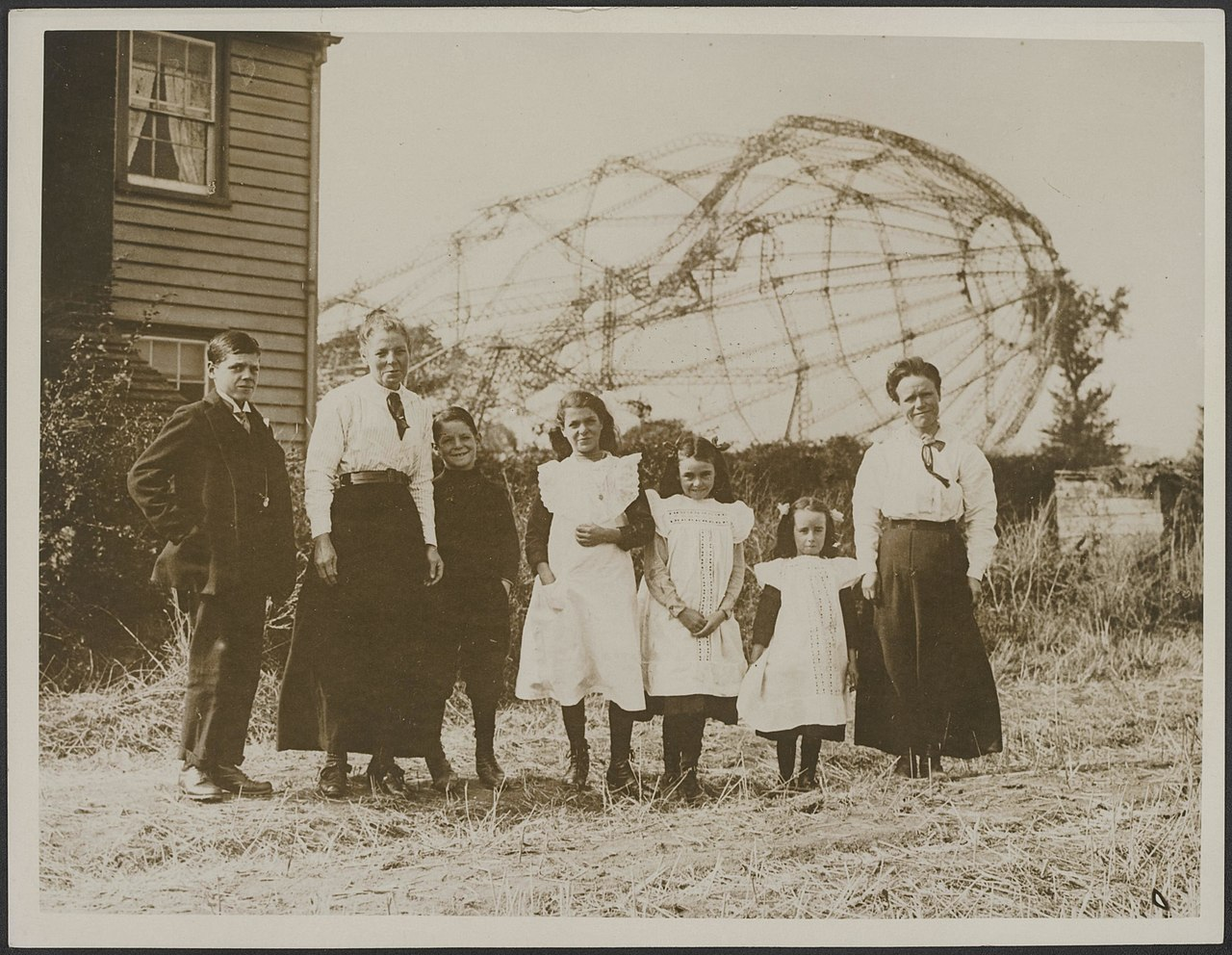
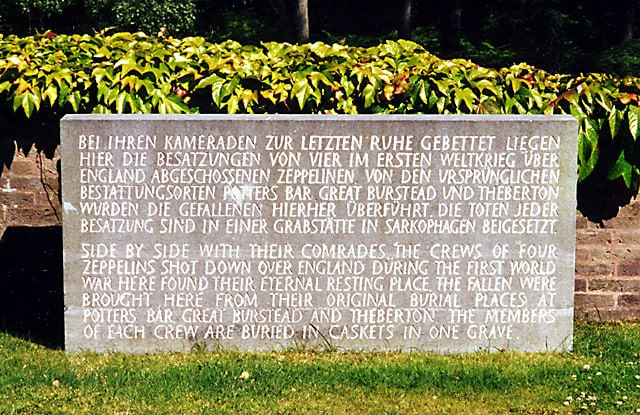
A total of 12 aircraft took part in that mission, including four super-Zeppelins, and two of them were lost to fire from night interceptors. If the death of the SL-11 could be considered an accidental failure, now a certain trend was emerging. Moreover, already on October 2, the same fate befell the first super-Zeppelin of the R type, L-31. He was intercepted by Lieutenant Walstan Tempest from the same 39th Night Fighter Squadron and managed to set him on fire with several bursts. The flaming wreck crashed near the town of Potter's Bar, killing all 19 crew members. The body of Lieutenant Commander Heinrich Mathy, known among German military balloonists as “the bravest of Zeppelin commanders” - he flew airships to Britain from the very beginning, making more of them than anyone else - was found unburned in a field. Mati took part in the raids on September 2-3 and 23-24, personally saw the death of three previous airships, and wrote in his diary shortly before the last flight: “Now it’s only a matter of time before we end up like the others. If one of our people says that he is not haunted by nightmarish visions of flaming zeppelins, he is nothing more than a poser.”
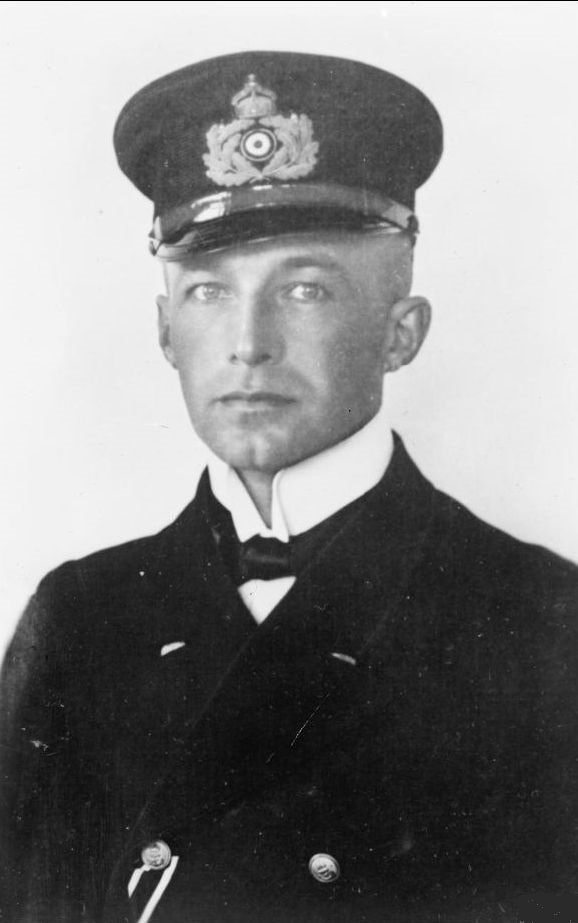
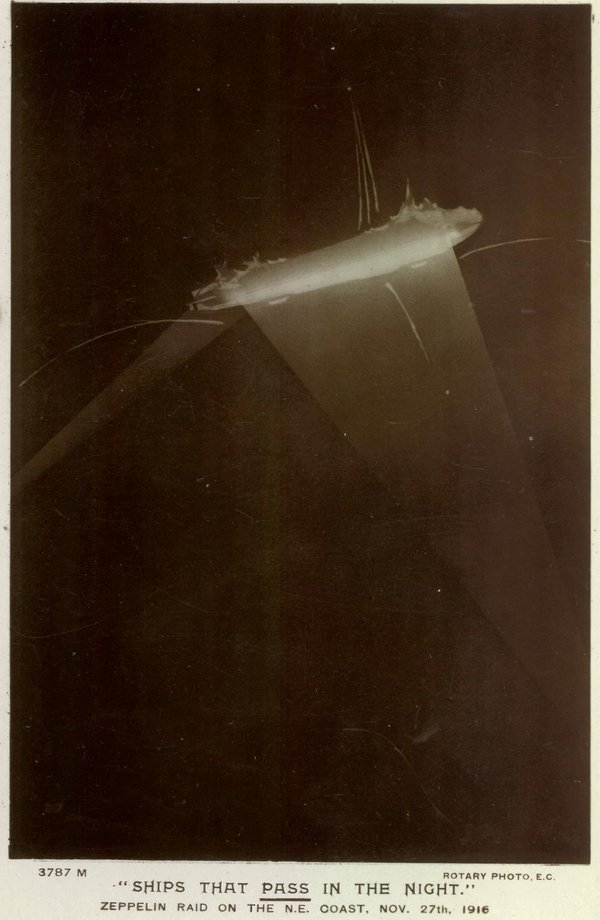
Now even the fanatical Peter Strasser, who received the honorary title of “Zeppelin Fuhrer” from the Kaiser, was forced to admit: the skies of Britain had suddenly become much more dangerous for his machines. The raids were stopped for some time, but on November 27 it was decided to take the risk again. 10 Zeppelins in two groups went to bomb London. The super-zeppelin L-34, commanded by Max Dietrich, uncle of future movie star Marlene Dietrich, and the older L-21 did not return from the mission. Their burning remains fell into the sea. There were no more sorties against Britain in 1916, only sea patrols - but on December 28, the Germans lost three more Zeppelins. SL-12, after an unsuccessful emergency landing, was finished off by storm winds, and L-17 and L-24 managed to burn the talents of the ground personnel on the ground.
The designers of the von Zeppelin company were instructed to urgently design and put into production new types of airships: now the main requirement was not a bomb load, but lightness, giving the ability to fly at high altitudes and quickly rise even higher when interceptors appeared. Everything possible was removed from existing vehicles, including some of the engines. Now the Zeppelins were not supposed to operate below 4.5-5 kilometers: the Germans knew that the British night interceptors could not reach such a height. Peter Strasser, like Kaiser Wilhelm himself, had no intention of abandoning the bombing of London.
© 2026 MT FINANCE LLC
Why This Matters In Practice
Beyond the original publication, Why Airships Never Took Off. Part 7: Fire in the Sky matters because teams need reusable decision patterns, not one-off anecdotes. Zeppelins have been in the skies of Britain since 1916 started roughly the same as what German submariners of World War II would call Glückl...
Operational Takeaways
- Separate core principles from context-specific details before implementation.
- Define measurable success criteria before adopting the approach.
- Validate assumptions on a small scope, then scale based on evidence.
Quick Applicability Checklist
- Can this be reproduced with your current team and constraints?
- Do you have observable signals to confirm improvement?
- What trade-off (speed, cost, complexity, risk) are you accepting?